Aircraft Electronic Components

Overview
Product sourcing insights & recommendations
The aircraft electronic components market is experiencing a significant digital and electrical transformation, with a projected market size of $109.6 billion by 2026 and a CAGR of over 8%. Key trends include the transition to More-Electric Aircraft (MEA) architectures—which can reduce fuel burn by 3–5%—and the adoption of Integrated Modular Avionics (IMA) to consolidate computing resources and reduce airframe weight.
Major innovations are centering on high-voltage power distribution (270V to 800V DC) and predictive maintenance systems capable of forecasting failures up to 500 hours in advance. I have compiled a comprehensive market report and detailed product lists for avionics, power distribution, and monitoring sensors to assist your strategic sourcing and market analysis.
Key market findings include:
- Defense Modernization: Secure communications and radar now account for 34% of military aircraft spending.
- Supply Chain Demand: Each narrowbody aircraft (e.g., B737 MAX) now requires up to 180km of wiring and 20 power modules.
- Weight Reduction: New aluminum enclosures offer 66% weight savings compared to traditional Kovar materials.
Please review the attached report and product search files for detailed specifications, pricing, and supplier information.
Based on the market shift toward MEA, would you like to:
Aircraft Electrical Power Distribution Units High Voltage Generators
Products · 3 lists
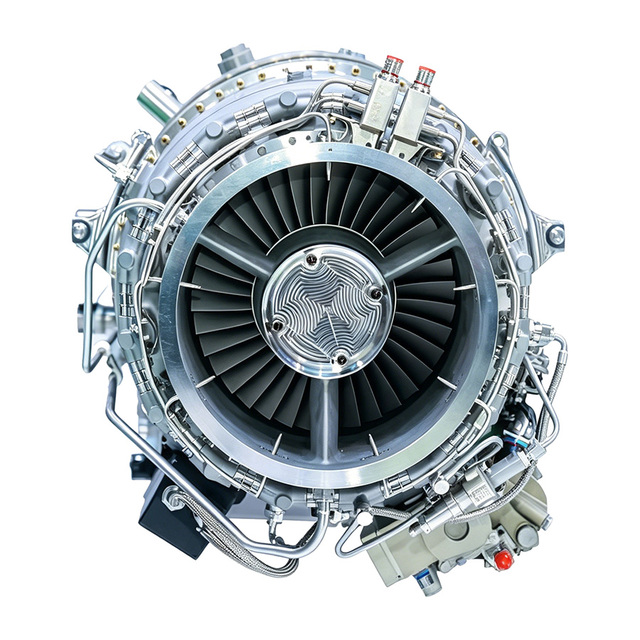
STOL Aircraft Dedicated Turbine Generator High Efficiency Long Endurance Power Generation
 Shanghai Shangshi Aerospace Co., Ltd.verified🇨🇳CN1 yr
UAV ENGINE WITH 14V 80W/180W POWER GENERATOR SYSTEM for RC Fixed-Wing Airplane Model ZLD
 Zhangqiu City Hongdun Trading Co., Ltd.verified🇨🇳CN15 yrs
28V 200A Auto Start GPU Silent Type Aviation Power Supply Vehicle Ground Unit for Aircraft Jet Helicopter DC
 Shandong Jin Fang International Trade Co., Ltd.verified🇨🇳CN8 yrs
400Hz 90kva 120kva 180kva diesel Engine Generator Inverter Trailer Towed Aircraft Ground Power Unit
 Shenzhen Genor Power Equipment Co., Ltd.🇨🇳CN15 yrs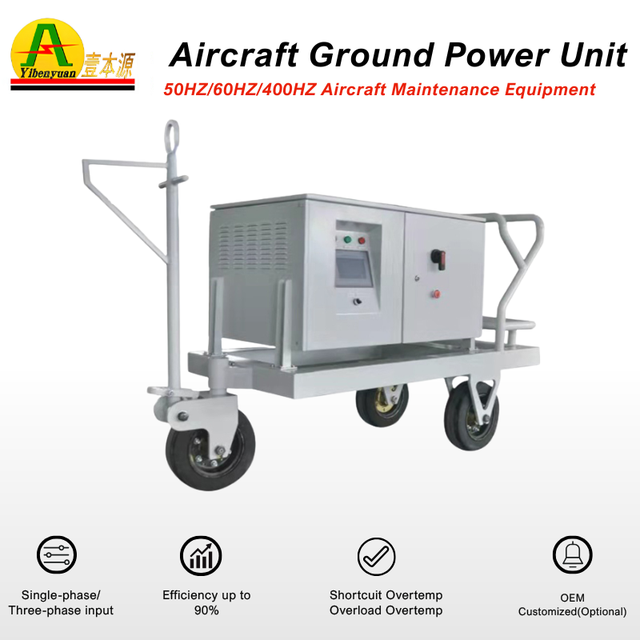
High Power 630KVA 3-Phase Input 400Hz Aviation Ground Power Unit 115V/220V/380V/400V/450V Output Aircraft GPU for Airport
 Guangdong Yibenyuan Power Supply Equipment Co., Ltd.verified🇨🇳CN8 yrs
Aircraft Ground Power Units
 Tianchang Cheers Metal Limited🇨🇳CN10 yrs
Aircraft Ground Power Unit for airport
 Shanghai Chidge Industries Co., Ltd.🇨🇳CN10 yrs
High Efficiency Aviation Integrated with Diagnostic Workstation for Aircraft Maintenance and Reliable Ground Support Power
 ShuiSheng (Hebei) Technology Co., Ltd.🇨🇳CN2 yrs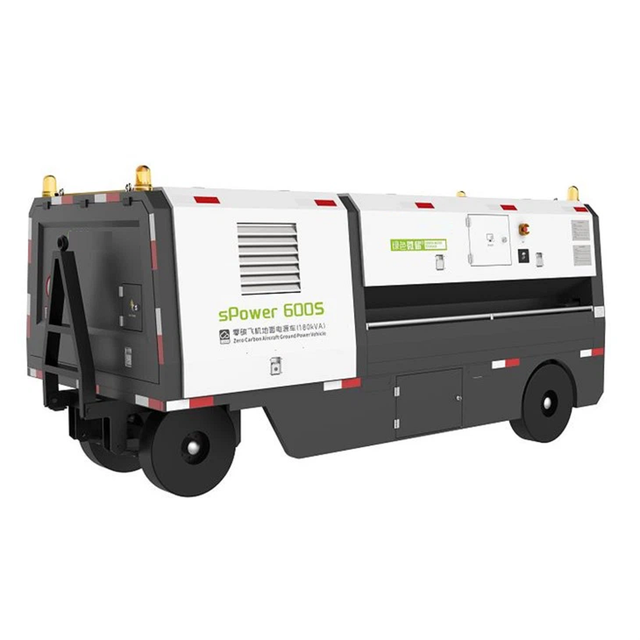
115VAC 400Hz 280kWh 180kVA Towed Aircraft Ground Energy Storage System Power Supply Static Frequency Conversion Power
 Shanghai Zicheng New Energy Co., Ltd.🇨🇳CN4 yrs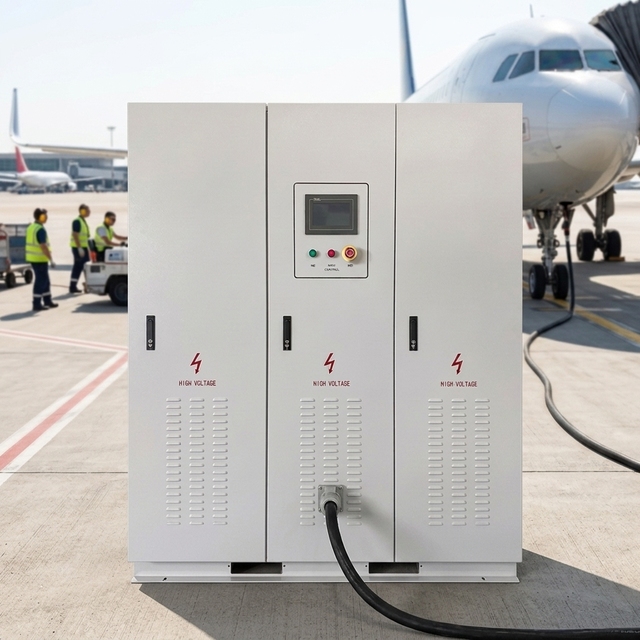
115V 400Hz Aviation Ground Power Supply Constant Voltage Frequency for Aircraft Maintenance Hanger
 Jinan Deming Power Equipment Co., Ltd.verified🇨🇳CN15 yrs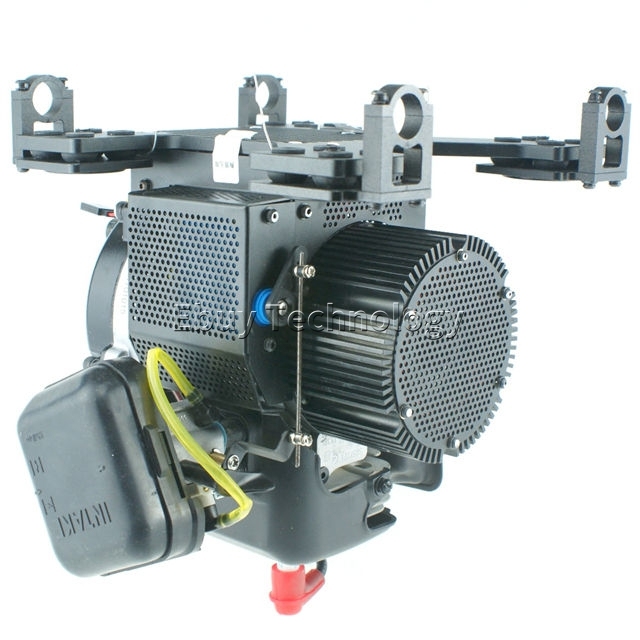
H2 2KW Hybrid Power System UAV Generator for Aerial Photography Planting and Mapping 3D Aerobatic Model Multi Axis Rotor

ACSOON Aircraft Ground Power Unit 90kVA 400Hz 208V Hangar and Apron Aviation Static Frequency Converter 400HZ Power Source
 Xi'an Jerrystar Instrument Co., Ltd.🇨🇳CN15 yrs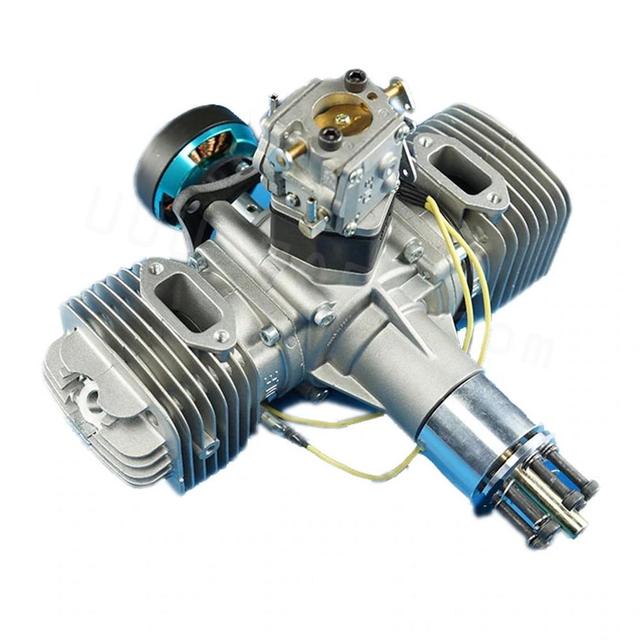
DLE 120CC Twin UAV Engine with 14V 80W/180W Power Generator System Radio Systems for RC Fixed-Wing Airplane Model
 Shenzhen Furufei Technology Co., Ltd.🇨🇳CN4 yrs
High-quality 100kVA 300kVA 600kVA 900kVA Ground Power Units 115VAC 220VAC 400Hz Pure Sine Wave Converter
 Guangzhou Idealplusing Information Technology Co., Ltd.verified🇨🇳CN10 yrs
DLE 120CC TWIN UAV ENGINE WITH 14V 80W/180W POWER GENERATOR SYSTEM for RC Fixed-Wing Airplane Model
 Shenzhen Zifei Technology Co., Ltd.🇨🇳CN3 yrs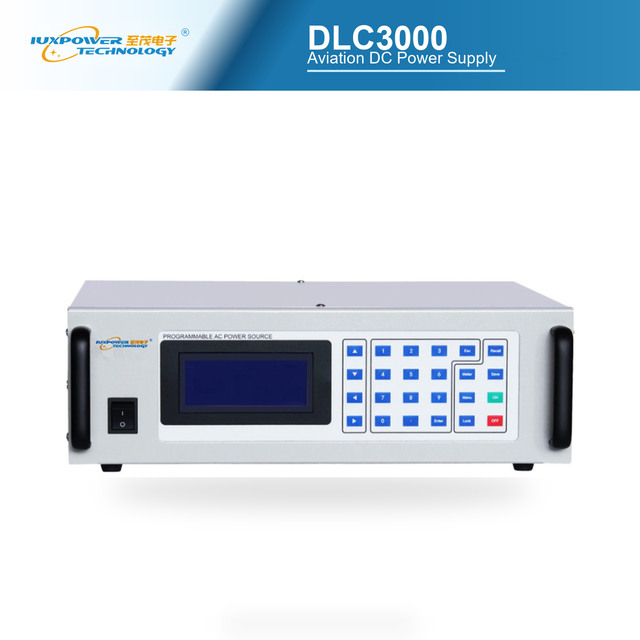
DLC3000 IUXPOWER Aviation DC Power Supply 220V High Accuracy IP67 Protection 2KW+ Aircraft Ground Power Unit for Airplane
 Ningbo Iuxpower Electronic Technology Co., Ltd.🇨🇳CN2 yrs
380V AC 45-65HZ Input/ 115V 400HZ AC Output GSE 25-45 meter cable reel GPU Airport Aircraft Ground Power Unit
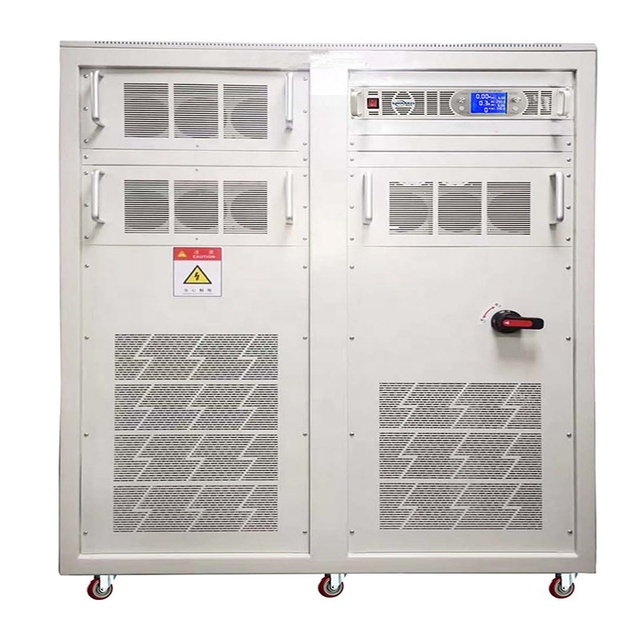
400kva 200kVA Triple Phase 400Hz Frequency Converter Aircraft Ground Power Unit with 95% Efficiency and Pure Sine Wave Output
 Shenzhen Xinouhua Electronic Technology Co., Ltd.verified🇨🇳CN5 yrs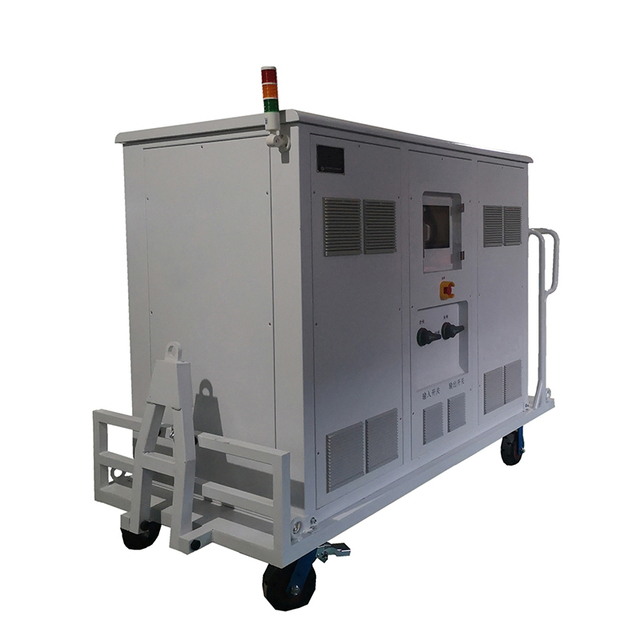
Aircraft Ground Power Unit GPU28 28V 200-2000A Variable Voltage Current Supply 10-60kw for Airport
 Shenzhen Mingwei Electric Power Co., Ltdverified🇨🇳CN3 yrs
Deep Dive · Full Report
Full Market Report
1 document · Live-fetched from source
Related Searches
Explore more sourcing topics & related categories
Sources & References
28 sources cited · Verified industry data & reports
Aerospace Electronics Market Size, Share Report 2026-2030
www.thebusinessresearchcompany.com
Major trends in the forecast period include rising demand for integrated modular avionics (ima) architectures, increased adoption of advanced aircraft health monitoring electronics, growing need for miniaturized high-reliability aerospace components, expansion of mission-critical electronic subsystems in defense platforms, higher integration of power-efficient avionics for next-generation aircraft. • Aerospace Electronics market size has reached to $101.05 billion in 2025 • Expected to grow to $149.95 billion in 2030 at a compound annual growth rate (CAGR) of 8.2% • Growth Driver: Rising Defense Investments Fueling The Growth Of The Market Due To Increasing Geopolitical Tensions And Demand For Advanced Military Capabilities • Market Trend: Lightweight Aerospace Enclosures Revolutionize Durability And Efficiency In Electronics Integration • North America was the largest region in 2025 and Asia-Pacific is the fastest growing region. Aerospace electronics refers to the specialized For instance, in May 2025, according to the House of Commons Library, a UK-based research and information service, the UK’s defense expenditure is projected to grow from $62.16 billion (£53.9 billion) in 2023-24 to $65.61 billion (£56.9 billion) in 2024-25 and $68.96 billion( £59.8 billion) in 2025-26, reflecting an average annual real-terms increase of 2.4% over the period. It will grow from $101.05 billion in 2025 to $109.6 billion in 2026 at a compound annual growth rate (CAGR) of 8.5%. The growth in the historic period can be attributed to increasing adoption of integrated modular avionics (IMA) in modern aircraft, development of aircraft health monitoring systems for predictive maintenance, rising demand for reliable mission computers and engine control electronics, implementation of advanced cockpit voice recorders and navigation displays, government and defense investment in high-performance aerospace electronic systems.
Aircraft Electrical System Market Size, Share | Industry [2034]
www.fortunebusinessinsights.com
Access 74+ Detailed Reports Featuring Market Insights, Trends, Forecasts, & Competitive Analysis Across Sectors: The global aircraft electrical system market size is projected to grow from $25.31 billion in 2026 to $46.85 billion by 2034, exhibiting a CAGR of 8.00% The aircraft electrical system market is projected to reach USD 0.86 billion in 2026. ... There is a notable shift toward electric aircraft, which utilize advanced electrical architectures to enhance performance and reduce emissions. This is a major trend, requiring advanced electrical systems for effective power management and propulsion. Moreover, it offers deep insights into the market trends, competitive landscape, market competition, product pricing, and market status, and highlights key industry developments. Also, it encompasses several direct and indirect factors that have contributed to the growth of the global market in recent years. Request for Customization to gain extensive market insights. ... Fortune Business Insights says that the global market size was valued at USD 25.31 billion in 2026 and is projected to reach USD 46.85 billion by 2034. Europe maintained a strong presence in the global market, reaching USD 4.24 billion in 2025, accounting for 18.01% share, and is expected to reach USD 4.56 billion in 2026. Demand is shaped by Airbus build rates, defense modernization, and stringent efficiency targets. Strong tier-1 supply chains push higher-voltage distribution, power electronics, and health-monitoring systems across civil and military programs.
Global Aerospace Electronics Market Size, Growth Trends & Forecast ...
www.verifiedmarketreports.com
The U.S. market for aerospace electronics was valued at USD 45 billion in 2024 and is projected to grow from USD 47 billion in 2025 to USD 60 billion by 2033, reflecting a CAGR of approximately 4.2% during 2026-203The United States' dominance stems from its extensive defense procurement, leading aerospace OEMs, and a thriving space industry. The demand for advanced avionics, communication, and sensor systems is expected to grow at a compounded annual growth rate (CAGR) of approximately 6.2% from 2026 to 2033, reaching an estimated valuation of USD 78.4 billion by 203This growth trajectory is not merely a function of increased aircraft production but also a reflection of deeper technological shifts that are redefining system architectures and operational paradigms. The aerospace electronics market is characterized by a complex interplay of technological innovation, regulatory evolution, supply chain dynamics, and shifting demand patterns driven by advancements in aircraft design and the increasing integration of digital systems. Over the forecast period from 2026 to 2033, these dynamics will shape the trajectory of the industry, influencing investment flows, technological adoption, and competitive positioning. Future growth will depend on regional geopolitical stability, trade policies, and the ability to develop and integrate cutting-edge electronics for next-generation aircraft, UAVs, and space missions. Japan’s aerospace electronics market was valued at USD 8 billion in 2024 and is expected to grow from USD 8.4 billion in 2025 to USD 10.5 billion by 2033, at a CAGR of approximately 3.8%. Japan’s strength lies in its advanced semiconductor industry, precision sensors, and aerospace R&D capabilities, with companies like NEC, Toshiba, and Mitsubishi leading innovation.
Aerospace Electronics Market Size & Growth Drivers, 2031
www.kingsresearch.com
For instance, in October 2023, the burgeoning demand for jet deliveries in the business aviation sector prompted Honeywell to forecast a potential uptick of up to 8,500 new business jet deliveries between 2024 and 2033. The integration of Industry 4.0 technologies, artificial intelligence (AI), and digitization is undeniably a vital trend shaping the future of the aerospace electronics market. As the industry continues to evolve, manufacturers are increasingly leveraging these advanced technologies to enhance efficiency, productivity, and safety in various aspects of aircraft design, manufacturing, operation, and maintenance. This trend is anticipated to revolutionize various aspects of aerospace electronics, including avionics systems, flight control, navigation, and communication, ultimately shaping the future of the industry in a digitally connected and data-driven era. Aerospace electronics encompass a wide range of electronic systems, components, and subsystems specifically designed and integrated into aircraft and spacecraft to enable various functionalities crucial for safe and efficient operation. The global Aerospace Electronics Market size was valued at USD 197.96 billion in 2023 and is projected to reach USD 360.37 billion by 2031, growing at a CAGR of 7.90% from 2024 to 2031.
Aircraft Electrical Systems Market Report 2025-2030 [300 Pages ...
www.marketsandmarkets.com
October 2024 : Safran announced the expansion of its electrical power systems facility in France to increase production of high-voltage generators and power conversion units for next-generation electric and hybrid aircraft programs, enhancing manufacturing capacity and supporting OEM partnerships for advanced electrical architectures. September 2024 : GE Aerospace completed successful ground testing of its 270V DC high-voltage electrical power distribution system designed for hybrid-electric commercial aircraft, marking a key milestone in integrating electric propulsion components into future platforms. August 2024 : Amphenol introduced a compact, high-temperature-resistant wiring harness solution for electric aircraft and urban air mobility platforms, enhancing electrical connectivity performance while reducing weight and improving safety compliance. June 2024 : Honeywell launched a digital power management unit (DPMU) to optimize energy distribution, monitor electrical health, and reduce energy losses in more electric aircraft systems, targeting both commercial and regional fleets.
Aircraft Computers Market Size and Share Report 2026-2030
www.thebusinessresearchcompany.com
Home>Reports Store>Aerospace & Defense>Global Aircraft Computers Market Report 2026 ... • Aircraft Computers market size has reached to $6.43 billion in 2025 • Expected to grow to $8.61 billion in 2030 at a compound annual growth rate (CAGR) of 6% • Growth Driver: Aircraft Computers Riding The Wave Of Increasing Air Traffic • Market Trend: Advancements In Digital Predictive Maintenance For Enhanced Aircraft Computer Operations • North America was the largest region in 2025. An aircraft computer is an electronic device utilized on or in association with any airborne vehicle or structure to perform calculations. Flight controls refer to the management of airborne vehicles from the ground by transmitting information to the pilot through radio and electronic devices. They are used in various aircraft platforms such as fixed-wing aircraft, rotary-wing aircraft, and UAVs (Unmanned Aerial Vehicles). They are available in hardware and software components and are used by OEM (Original Equipment Manufacturers), and aftermarket. ... The aircraft computers market size has grown strongly in recent years. It will grow from $6.43 billion in 2025 to $6.82 billion in 2026 at a compound annual growth rate (CAGR) of 6 Additionally, growing tourism activities have favored increased air traffic. For instance, in January 2024, according to the International Air Transport Association, a Canada-based trade association, total traffic in 2023, measured in revenue passenger kilometers (RPKs), increased by 36.9% compared to 2022. Major trends in the forecast period include increasing adoption of integrated aircraft computing architectures, rising demand for advanced flight management and mission computer upgrades, growing shift toward lightweight and high-performance aviation electronics, expansion of modular and scalable aircraft computing platforms, adoption of enhanced diagnostic and predictive maintenance computing systems.