Amd Athlon 64 X2

Overview
Product sourcing insights & recommendations
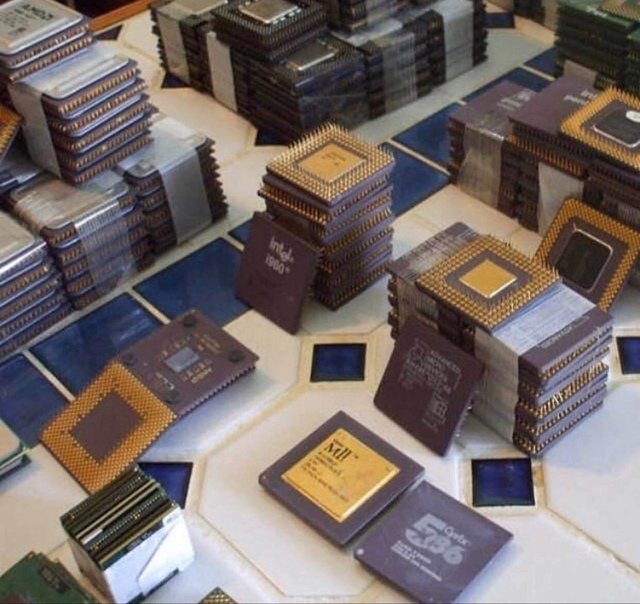
The AMD Athlon 64 X2 has transitioned from a mainstream powerhouse to a "legendary" milestone in computing history. In the 2026 market, it is primarily valued as a vintage collectible for retro-gaming enthusiasts and a viable platform for lightweight Linux experimentation.
1. Market Trends & Collector Insights
By 2026, the market for these processors is split into two distinct tiers: "Blue Chip" collectibles and utility hardware.
* The Collector’s Choice: The Athlon 64 X2 6400+ Black Edition (3.2 GHz) remains the most sought-after model, often sold in original collector packaging to enthusiasts building period-accurate mid-2000s rigs Ebay.
* Socket 939 Premium: Processors for the Socket 939 platform (like the 4800+ Toledo) command a higher premium than their AM2 counterparts. This is because Socket 939 represented the pinnacle of the AGP-to-PCIe transition era, making it the "Gold Standard" for high-end Windows XP retro-builds Tomshardware.
* Thermal Longevity: High-end Windsor cores (90nm) are noted for their high heat output (up to 125W TDP), leading collectors to often prefer the 65nm Brisbane or Energy Efficient (EE) variants for long-term system stability EbayAliexpress.
2. Performance & Modern Utility
While the Athlon 64 X2 was the first native dual-core desktop CPU Wikipedia, its performance in 2026 is limited by the modern web's demands.
* Modern OS Support: It performs surprisingly well on lightweight Linux distributions such as Lubuntu, antiX, and Puppy Linux LinuxAnandtech. These operating systems keep the hardware "snappy" for local tasks like word processing and basic coding.
* The Web Bottleneck: Modern, JavaScript-heavy websites (e.g., YouTube, Facebook) can easily overwhelm both cores. Users typically recommend aggressive ad-blocking to maintain a usable browsing experience Vogons.
* Multimedia: HD local video playback is supported, but 4K streaming usually requires offloading to a dedicated legacy PCIe GPU to avoid 100% CPU utilization.
3. Pricing Overview (2026 Estimates)
Current market pricing reflects the shift from "e-waste" to specialized hobbyist hardware:
| Model | Socket | Typical Price (USD) | Market Status |
|---|---|---|---|
| 6400+ Black Edition | AM2 | $25 – $45 | Premium Collectible EbayEbay |
| 6000+ Windsor | AM2 | $15 – $25 | High-End Workhorse EbayAliexpress |
| 4800+ Toledo | 939 | $40 – $70+ | Rarity / Retro-Gaming Gem Os-StoreTomshardware |
| 3800+ / 4200+ | AM2 | $5 – $15 | Entry-Level / Utility Reddit |
The files below contain detailed listings and supplier data for various Athlon 64 X2 models currently available in the secondary market.
Would you like a comparative analysis of Socket 939 vs. AM2 for retro-gaming, or a guide on the best lightweight Linux distros for this hardware?
Amd Athlon 64 X2 6400+ Black Edition Processor
Products · 3 lists
Athlon 2-core 64-Bit 12nm 1.9GHz Desktop CPU with 1MB L3 Cache LGA 1150 Socket Virtualization Tech-in Stock for Wholesale
 AUTODISTRIBUTION🇫🇷FR1 yr
High Quality Athlon 3000G 3.5 GHz Dual-Core Socket AM4 CPU Processor
 Shenzhen South Legend Technology Co., Ltd.🇨🇳CN12 yrs
AMD Athlon X4 950 3.5GHz Quad-Core CPU Processor 28NM 65W Socket AM4 New Without Cooler for Desktop Application
 Shenzhen Levensun Technology Co., Limited🇨🇳CN2 yrs
For for Athlon 200ge 14 nm AM4 6-core 4 Threads 3.2 GHz Hyper-threading Technology Virtualization Technology Tray DDR4 2666 MT/s
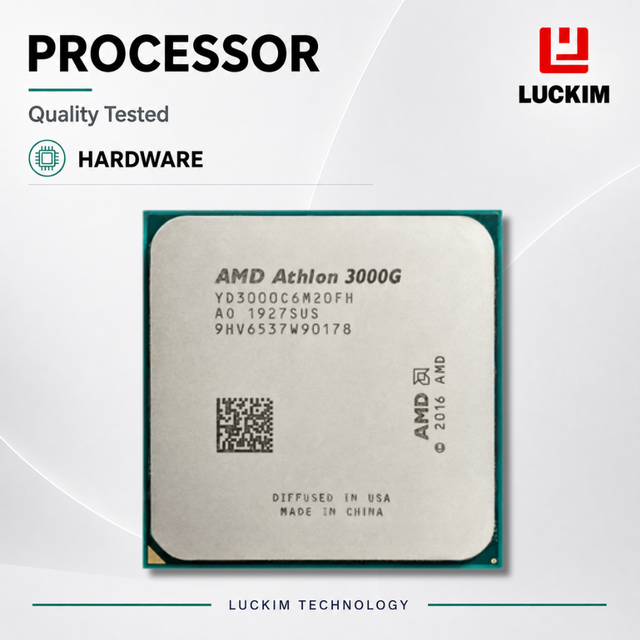
3000G Desktop Processor 2 Core 4 Thread 3.5GHz 4MB Cache AM4 CPU 35W DDR4 Integrated Graphics
 Shenzhen Feiyue Electronic Technology Co., Ltd.🇨🇳CN5 yrs
AMD Athlon 3000G 3.5GHz Dual-Core AM4 AMD Processor Box and Tray Ready Stock
 Fu You Electronics Co., Limited🇭🇰HK2 yrs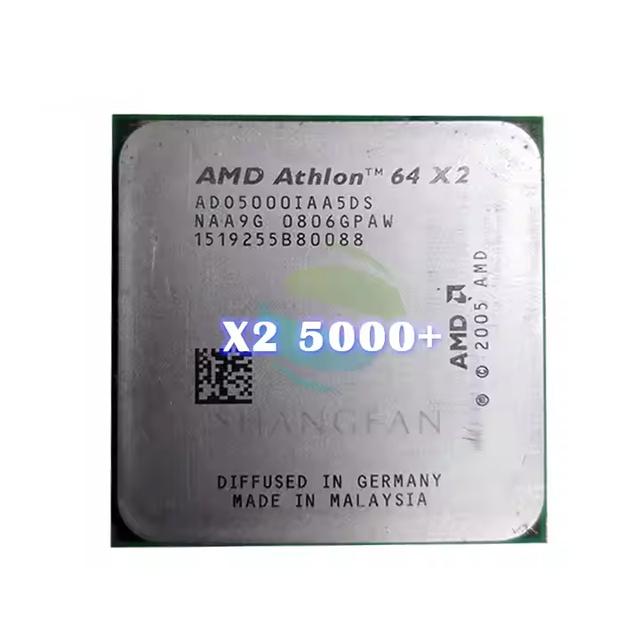
For AMD Athlon X2 5000 X2 5000+ 2.6GHz ADO5000IAA5DO ADO5000IAA5DU ADO5000IAA5DS Dual-Core CPU Processor Socket AM2 940pin
 Shenzhen Shangfan Technology Co., Limited🇨🇳CN10 yrs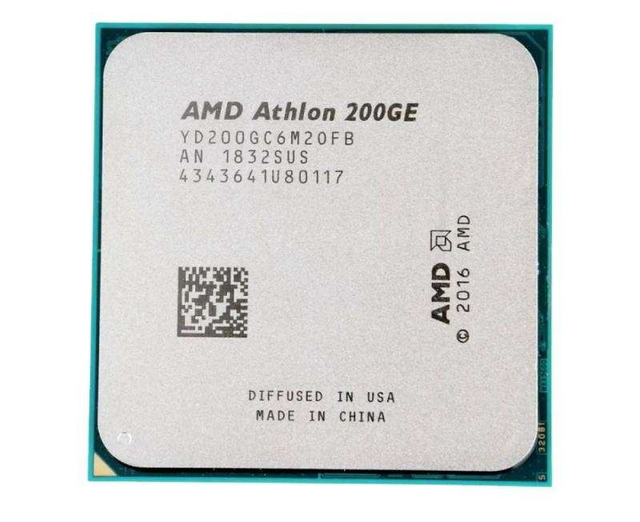
AMD Athlon 200GE 3.2GHz Dual-Core AM4 Processor Boxed and Unboxed Stock Available
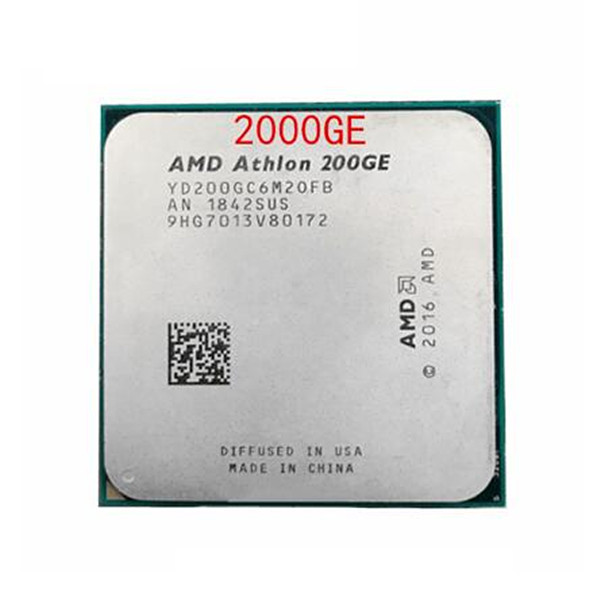
200GE Athlon 200GE CPU Supports ASRock AB350 PRO4
 SOUTH LEGEND TECHNOLOGY COMPANY LIMITEDverified🇭🇰HK2 yrs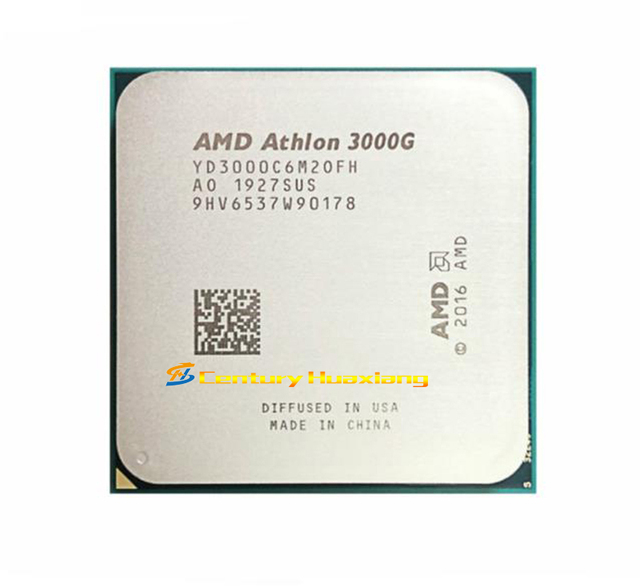
AMD Athlon 3000G 3.5GHz Dual-Core AM4 AMD Processor Box and Tray Ready Stock!
 Century Huaxiang (shenzhen) Trading Co., Ltd.🇨🇳CN6 yrs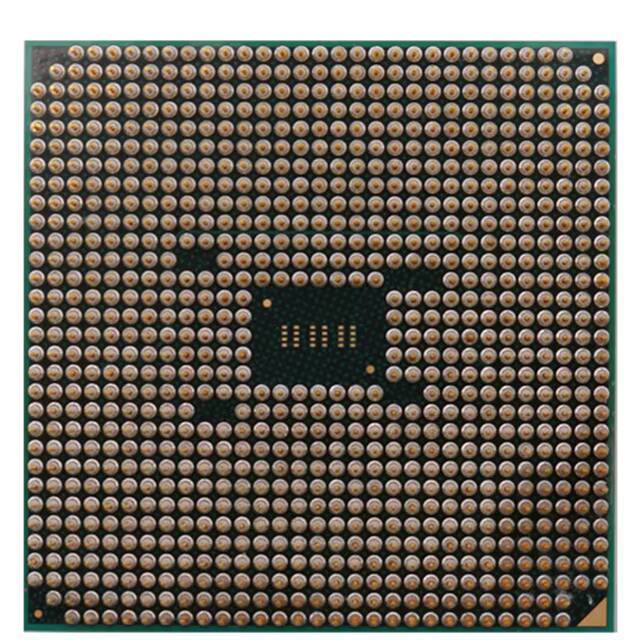
For Athlon X2 200GE 3.2GHz Dual-Core Quad-Thread CPU Processor YD200GC6M2OFB Socket AM4
 Niko Industry INC🇺🇸US1 yr
Related Searches
Explore more sourcing topics & related categories
Sources & References
54 sources cited · Verified industry data & reports
CPUs are Back: The Datacenter CPU Landscape in 2026
newsletter.semianalysis.com
AMD’s Athlon 64 X2, also in 2005, could be considered a true dual-core processor with two cores and an integrated memory controller (IMC) on the same die, allowing the cores to communicate with each other and to memory and IO controllers directly within the silicon through on-die NoC (Network on Chip) data fabrics. Datacenter CPU Core Count Trend. Source: SemiAnalysis Estimates · 2026 is an exciting year for the datacenter CPU, with many new generations launching this year from all vendors amid the boom in demand. As such, this piece serves to paint the CPU landscape in 2026. We lay the groundwork, covering the history of the datacenter CPU and the evolving demand drivers, with deep dives on datacenter CPU architecture changes from Intel and AMD over the years. For our subscribers, we provide our datacenter CPU roadmap to 2028 and detail the datacenter CPUs beyond 2026 from AMD, Intel, ARM and Qualcomm. We then look ahead to what the future looks like for datacenter CPUs, discuss the effects of the DRAM shortage, what NVIDIA’s Bluefield-4 Context Memory Storage platform means for the future of general purpose CPUs, and the key trends to look out for in the CPU market and CPU designs going forward. Below we present our CPU roadmap to 2028, and detail the key features and architectural changes of the datacenter CPUs beyond 2026, including AMD’s Verano and Florence, Intel’s Coral Rapids and cancelled CPU lines, ARM’s Venom specifications, Qualcomm’s return to the datacenter CPU market with SD2, and include NVIDIA’s Bluefield-4 as a sign of how CPU deployments are evolving going forward. We then discuss the impacts of the DRAM shortage on each datacenter CPU segment and look at future CPU trends, highlighting crucial design aspects that will shape CPUs in the next decade.
Athlon 64 X2 - Wikipedia
en.wikipedia.org
This led to only a small production number of the Socket-AM2 Athlon 64 X2 with 1 MB L2 cache per core, known as 4000+, 4400+, 4800+, and 5200+. The Athlon 64 X2 with 512 KB per core, known as 3800+, 4200+, 4600+, and 5000+, were produced in far greater numbers. The introduction of the F3 stepping then saw several models with 1 MB L2 cache per core as production refinements resulted in an increased yield. ... '64' was omitted from the name of the Brisbane 'BE' series; the 64-bit marketing campaign initiated by AMD became insignificant once essentially all consumer CPUs became 64-bit processors. The Athlon 64 X2 can decode instructions for Streaming SIMD Extensions 3 (SSE3), except those few specific to Intel's architecture. The first Athlon 64 X2 CPUs were released in May 2005, in the same month as Intel's first dual-core processor, the Pentium D. In June 2007, AMD released low-voltage variants of their low-end 65 nm Athlon 64 X2, named "Athlon X2". The 65 nm Athlon 64 X2 with only 512 KB L2 per Core reduced this to 118 mm2 with 221 million transistors compared to the 65 nm Athlon 64 with 77.2 mm2 and 122 million transistors. As a result, a larger area of silicon must be defect free. These size requirements necessitate a more complex fabrication process, which further adds to the production of fewer functional processors per single silicon wafer. This lower yield makes the X2 more expensive to produce than the single-core processor. In the middle of June 2006 AMD stated that they would no longer make any non-FX Athlon 64 or Athlon 64 X2 models with 1 MB L2 caches. The Athlon 64 X2 is the first native dual-core desktop central processing unit (CPU) designed by Advanced Micro Devices (AMD). It was designed from scratch as native dual-core by using an already multi-CPU enabled Athlon 64, joining it with another functional core on one die, and connecting ... These applications can reach almost twice the performance of a single-core Athlon 64 of the same specifications. Multitasking also runs a sizable number of threads. Intense multitasking processes have sped up by considerably more than twice. This is mostly due to the high overhead caused by constantly switching threads, and could potentially be improved by adjustments to operating system scheduling code. In the consumer segment of the market, the X2 improves on the performance of the original Athlon 64, especially for multi-threaded software.
FinancialContent - The Silicon Phoenix: Advanced Micro Devices ...
markets.financialcontent.com
ARM: ARM-based custom chips from Amazon (Nasdaq: AMZN) and Google (Nasdaq: GOOGL) represent a growing threat in the cloud, forcing AMD to keep its x86 designs highly competitive. The dominant trend in 2026 is the shift from "Centralized AI" to "Distributed AI." For years, AMD struggled with a boom-and-bust cycle, hampered by manufacturing challenges and the overwhelming R&D budgets of its competitors. The early 2000s saw a flash of brilliance with the Opteron and Athlon 64 processors, which briefly put Intel on the defensive. Once a perennial underdog in the shadow of industry giants, AMD has evolved into a $350-billion-plus market cap titan that is fundamentally shaping the "Intelligence Age." Today, on April 1, 2026, the company is no longer just a "value alternative" to its rivals; it is a primary architect of the global AI infrastructure. AMD operates an increasingly complex business model structured around four core segments, with the Data Center group now serving as the primary growth engine: Data Center: This segment provides EPYC server CPUs and Instinct GPU accelerators. It is the company's highest-margin division and the focal point of its competition with Nvidia. Client: Focused on the "AI PC" era, this segment produces Ryzen processors for laptops and desktops. In 2026, this business is driven by integrated neural processing units (NPUs) that enable local AI tasks.
Athlon 64 - Wikipedia
en.wikipedia.org
The Athlon 64 is AMD's first K8, eighth-generation processor core for desktop and mobile computers. Despite being natively 64-bit, the AMD64 architecture is backward-compatible with 32-bit x86 instructions. The Athlon 64 line was succeeded by the dual-core Athlon 64 X2 and Athlon X2 lines. On April 21, 2005, less than a week after the release of Venice and San Diego, AMD announced its next addition to the Athlon 64 line, the Athlon 64 X2. Released on May 31, 2005, it also initially had two different core revisions available to the public, Manchester and Toledo, the only appreciable difference between them being the amount of L2 cache. Both were released only for Socket 939. The Athlon 64 X2 was received very well by reviewers and the general public, with a general consensus emerging that AMD's implementation of multi-core was superior to that of the competing Pentium D. Some felt initially that the X2 would cause market confusion with regard to price points since the new processor was targeted at the same "enthusiast," US$350 and above market already occupied by AMD's existing socket 939 Athlon 64s. AMD's official breakdown of the chips placed the Athlon X2 aimed at a segment they called the "prosumer", along with digital media fans. The Athlon 64 is a ninth-generation, AMD64-architecture microprocessor produced by Advanced Micro Devices (AMD), released on September 23, 2003. It is the third processor to bear the name Athlon, the second processor to implement the AMD64 architecture (after the Opteron) and the first 64-bit ...
Discount athlon 64 3600 2026 AMD Athlon 64 X2 3600 Specs ...
born2invest.com
This week, we look at two trends you can jump on as an affiliate in 2026. The funding call supports SMEs and self-employed professionals using crowdfunding as alternative financing until January 9, 2026. New York and London cocoa markets ended last week nearly unchanged, reflecting mixed short-term trends.
r/hardware on Reddit: AMD's desktop CPU market share grew by almost ...
www.reddit.com
AMD peaked with the Athlon 64 X2. The CPU market is booming thanks to AI, maybe not so much the consumer market. I think during the AMD q4 earnings call they said AMD will see their consumer revenue increase due to market share gains in 2026 but the overall consumer market will shrink. So that's good, both major x86 CPU makers may have nice competitive products in 2026 just in time for the rest of the computer to be unaffordable. Datacenter CPU will increase substantially in 2026 due to both increased demand, driven from AI, and also the last couple years of AI GPU demand offset some Datacenter CPU spending that is now coming back.