Ami Modem

Overview
Product sourcing insights & recommendations
I have completed a comprehensive analysis of the AMI (Advanced Metering Infrastructure) modem market and product technology. The industry is currently shifting from basic AMI 1.0 (meter-to-cash) to AMI 2.0 (edge computing), with the global market projected to reach $26.98 Billion by 2034. Key trends include the adoption of 5G and NB-IoT for high-bandwidth connectivity and a focus on consumer engagement through real-time usage visibility and appliance disaggregation.
The detailed report below covers market growth drivers for 2026–2034, technology comparisons, and insights into current product availability.
Based on these market insights, you might want to:
Gprs Nb Iot 4g Ami Communication Module For Electric Meter
Products · 3 lists
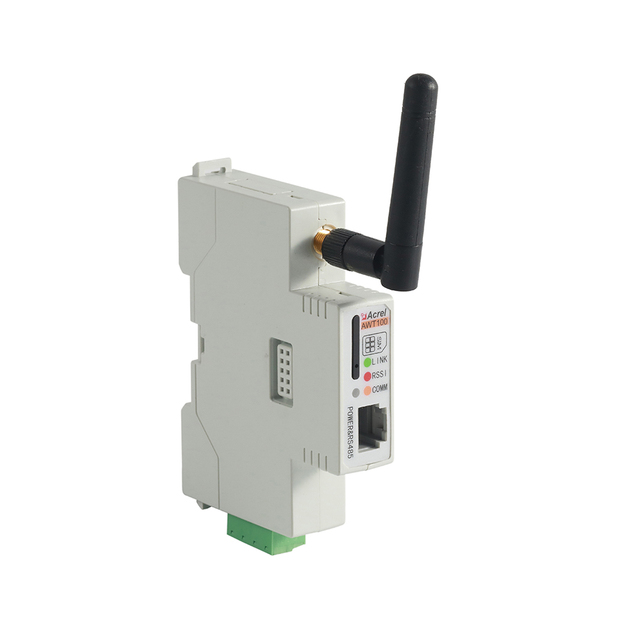
Acrel AWT100 communication transfer module RS485 to 4G and Loranwan and WIFI etc
 Jiangsu Acrel Electrical Manufacturing Co., Ltd.🇨🇳CN7 yrs
SIMCOM SIM7000E EVB Development Board CAT-M1 NB-IoT GSM GPS GPRS Wireless M2M IoT Module
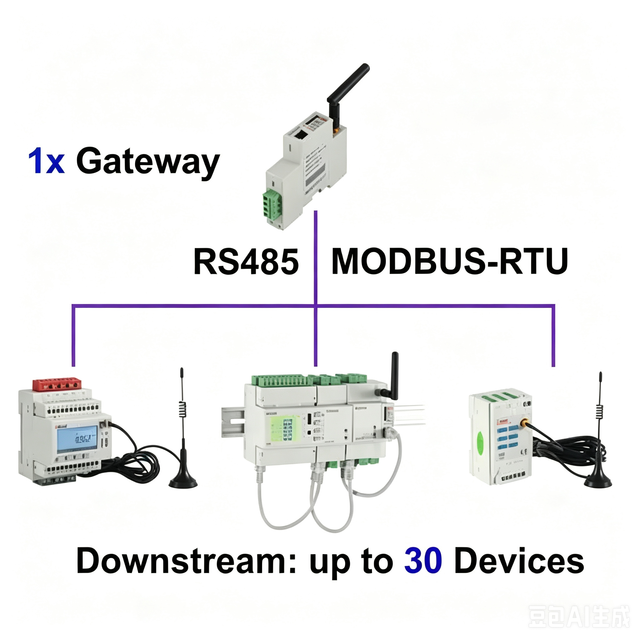
AWT100 Series Wireless Smart Gateway Ethernet/LoRa/WiFi/4G Module Connect Collect Data From up to 30 Devices IoT Cloud
 Acrel E-Business (shanghai) Co., Ltd.verified🇨🇳CN9 yrs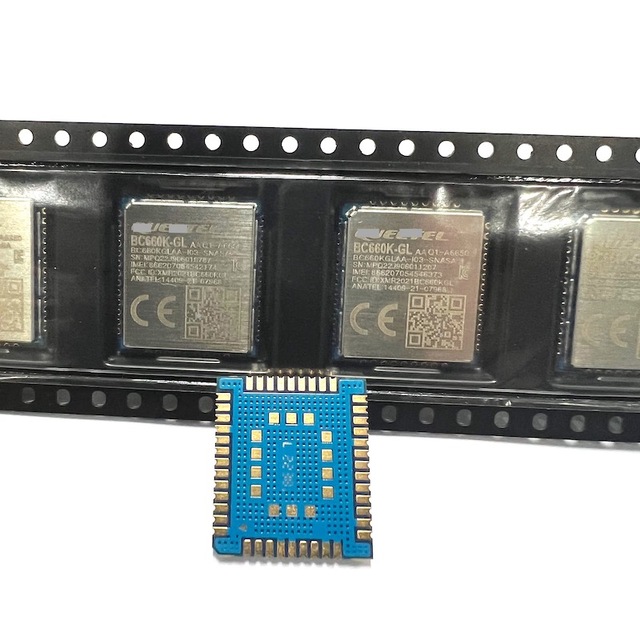
BC660K-GL Multi-band LTE Cat NB2 Module BG95-M3 BG77 GSM GPS GPRS GNSS NB-IOT Modules BC660KGLAA-I03-SNASA
 Muz Tech Co., Ltd.verified🇨🇳CN6 yrs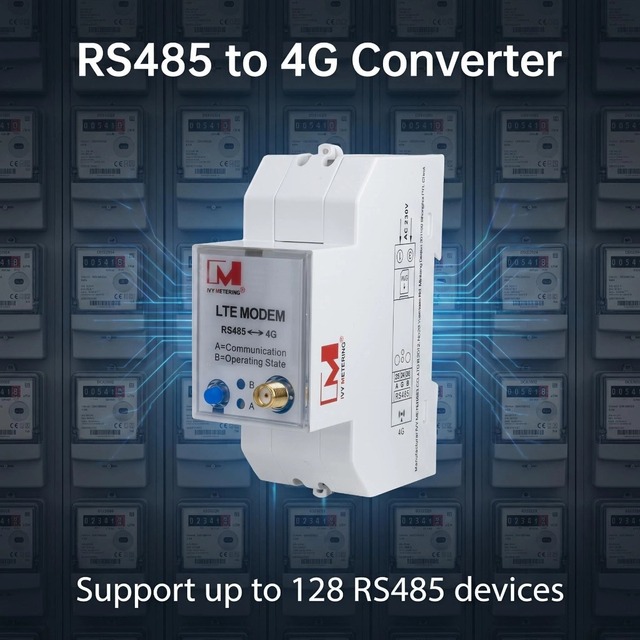
Industrial Rs485 to 4G Converter LET Cat4 EMC protection Modbus RTU to Modbus TCP Gateway
 Shanghai Yiwenxing Electronic Technology Co., Ltd.🇨🇳CN1 yr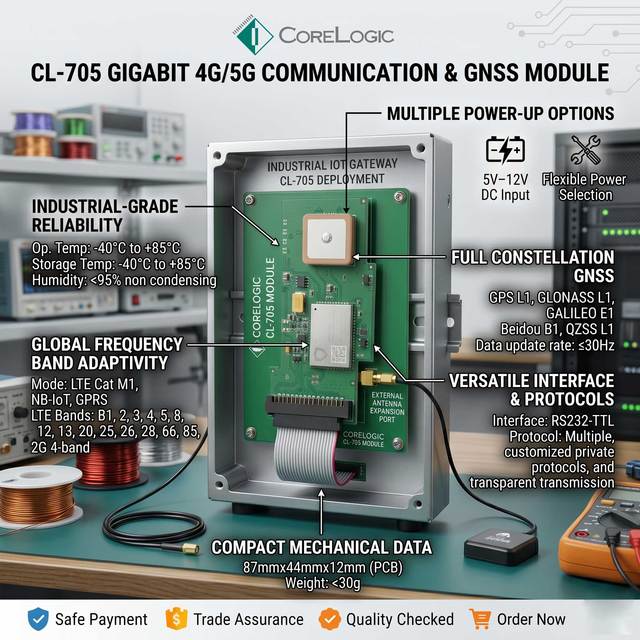
CL-705 LTE Cat M1 NB-IoT 4G GNSS Module Industrial GPS GLONASS Beidou Positioning and Data Transmission Wireless Module
 Beijing Corelogic Communication Co., Ltd.verified🇨🇳CN1 yr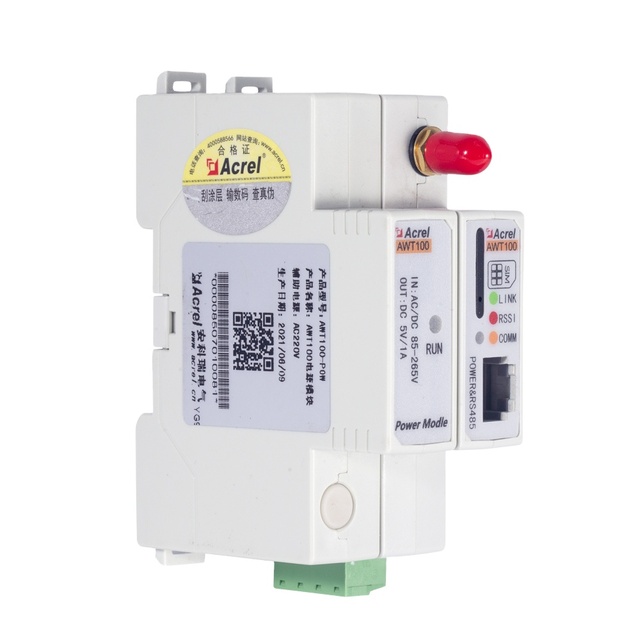
AWT100 RS485 MQTT Protocol Wireless 4G Communication Terminal for IOT Energy Management System Smart Gateway Gateway
 Acrel E-Business (shanghai) Co.,ltd.🇨🇳CN4 yrs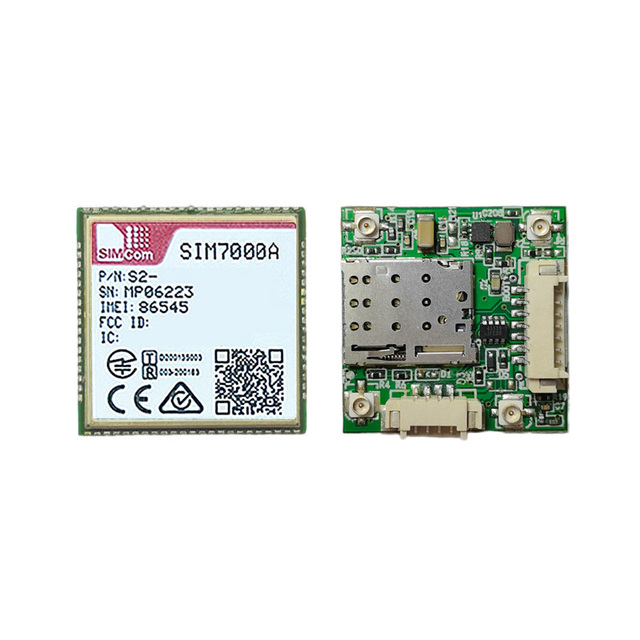
SIM7000A SIM7000E SIM7000G SIM7070E SIM7070G LTE Cat1 NB-IoT GPRS GNSS Wireless Communication Module Breakout Development Board
 Shenzhen Hurryup Technology Co., Ltd.verified🇨🇳CN15 yrs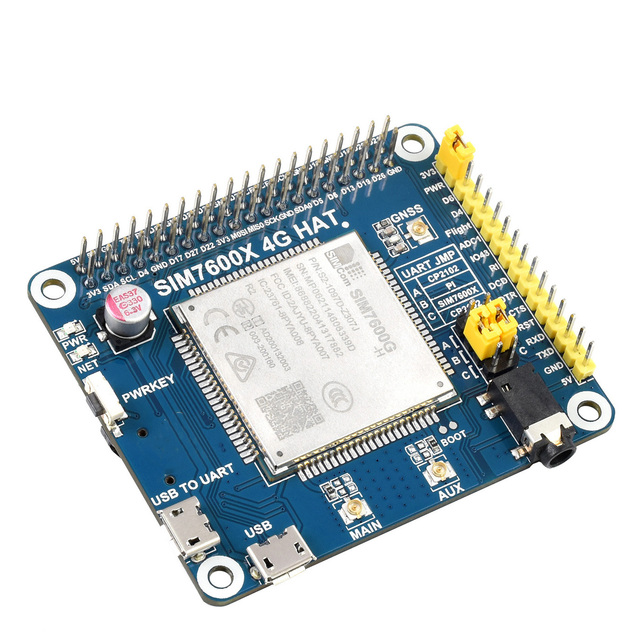
SIM7600G-H NB-IoT LTE CAT4 4G/3G/2G/GSM/GPRS/GNSS Communication Internet Phone SMS Module Raspberry Pi Zero SIM7600G-H Module
 Shenzhen Sy Chips Technology Co., Ltd.🇨🇳CN8 yrs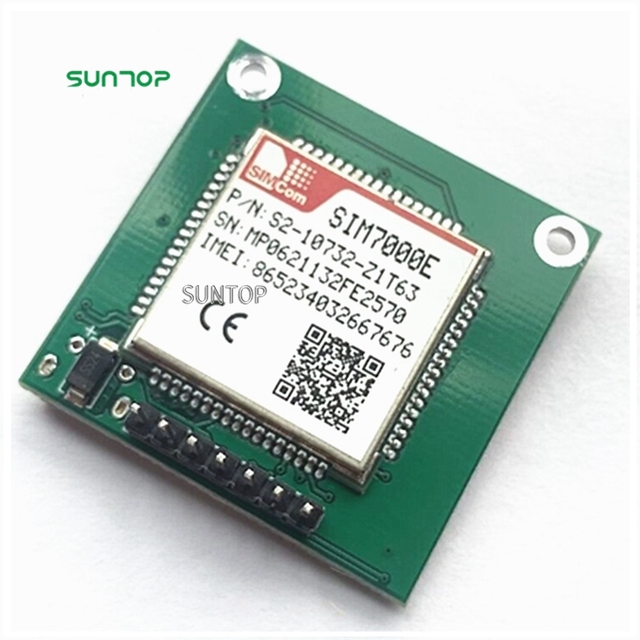
HAISEN original SIMCOM SIM7000 GPRS/EDG LTE CAT-M1 eMTC NB-IoT Module SIM7000E 4g module dtu wireless communication IoT module
 Shenzhen Shangtuo Semicon Co., Ltd.🇨🇳CN5 yrs
Raspberry Pi 3G/4G LTE Module NB-IOT/EMTC/GPRS
 Shenzhen Hooolink Technology Co., Limited🇨🇳CN10 yrs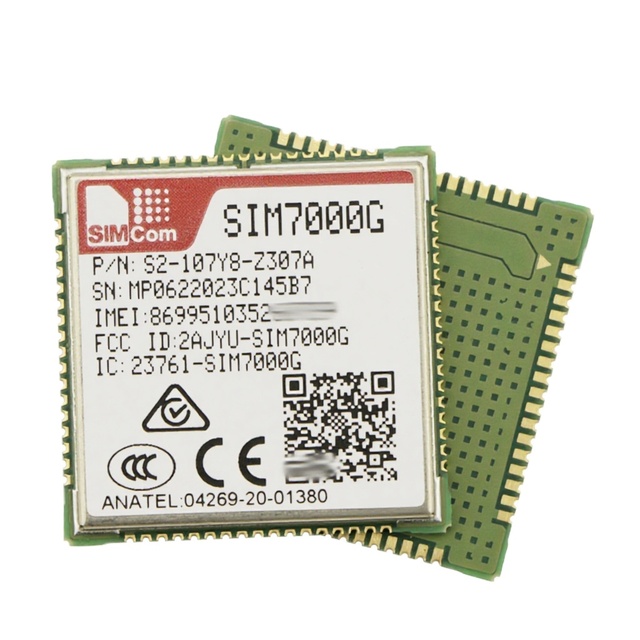
SIMCOM SIM7000G Wireless Communication GSM Module, Global-Band IoT NB-IoT 4G LTE Module SIM7000 GNSS GPS Module
 Shenzhen Kuanwei Technology Co., Ltd.🇨🇳CN1 yr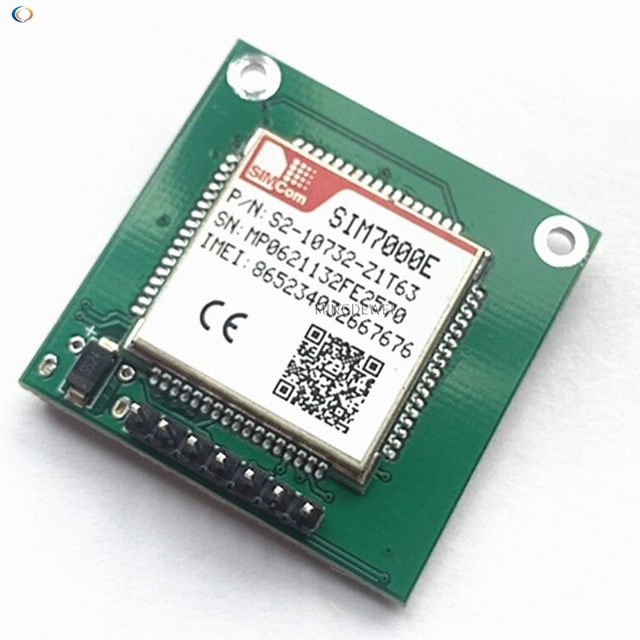
original SIMCOM SIM7000 GPRS/EDG LTE CAT-M1 eMTC NB-IoT Module SIM7000E 4g module dtu wireless communication IoT module
 Shenzhen Mingdewei Electronics Limitedverified🇨🇳CN10 yrs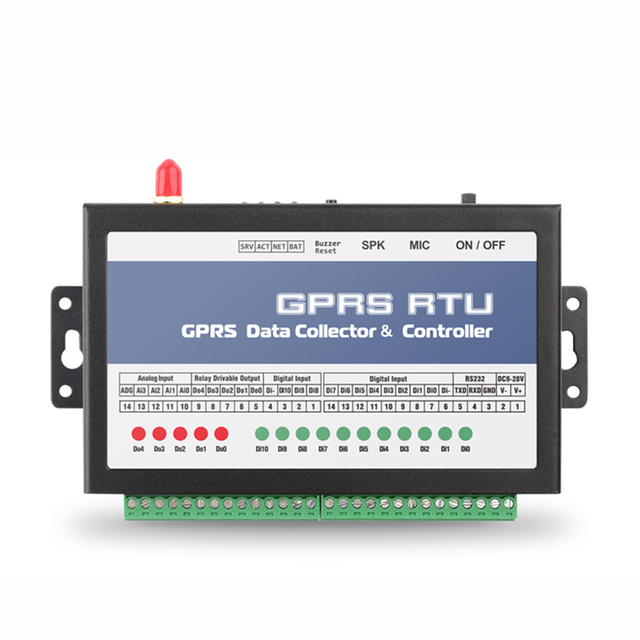
CWT5113-2 11DI 4AI 5DO Gsm Gprs 4g Wi-Fi Remote Data Acquisition Module Rtu Modem
 Cwt Co.,limited.🇨🇳CN17 yrs
New&Original SIMCOM SIM7000G NB-IoT 4G CatM/CAT-NB GPRS EDGE SIM7000G wireless 4g module SIM7000G core board
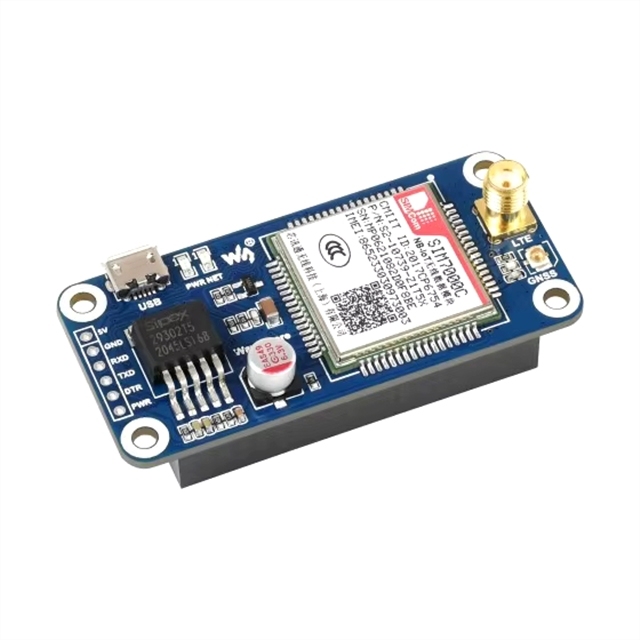
BSSY)SIMCOM SIM7000C 4G LTE NB-IoT Wifi Modem Iot Solutions GSM GPS GPRS GNSS Module HAT For Raspberry Pi 4
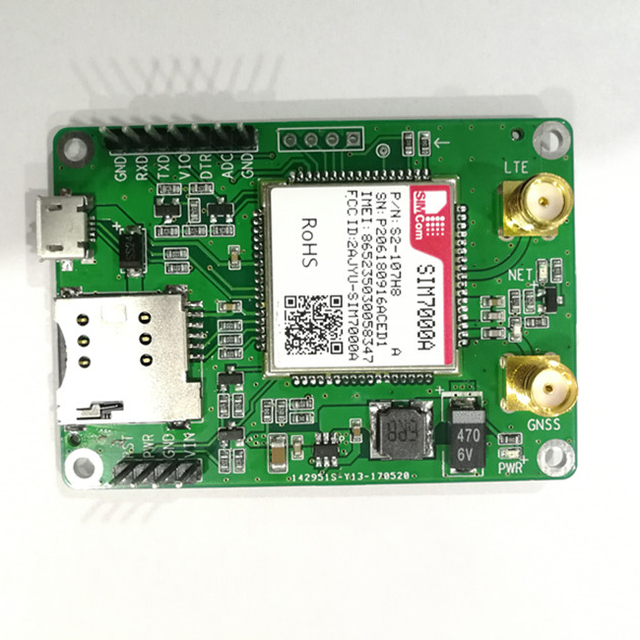
SIMCOM Wireless Module GPRS/EDGE Module Support LTE CAT-M1(eMTC) and NB-IoT Development Board Breakout Board SIM7000A SIM7000E
 Shenzhen Hapchuang Technology Co., Ltd.verified🇨🇳CN8 yrs
SIMCOM SIM7000C 4G LTE NB-IoT Wifi Modem iot solutions GSM GPS GPRS GNSS Module HAT for Raspberry Pi 4
 Shenzhen Maojiexin Electronics Co., Ltd.verified🇨🇳CN4 yrs
SIMCOM SIM7000C 4G LTE NB-IoT Wifi Modem iot solutions GSM GPS GPRS GNSS Module HAT for Raspberry Pi 4
 Shenzhen Sanhuang Technology Co., Ltd.🇨🇳CN1 yr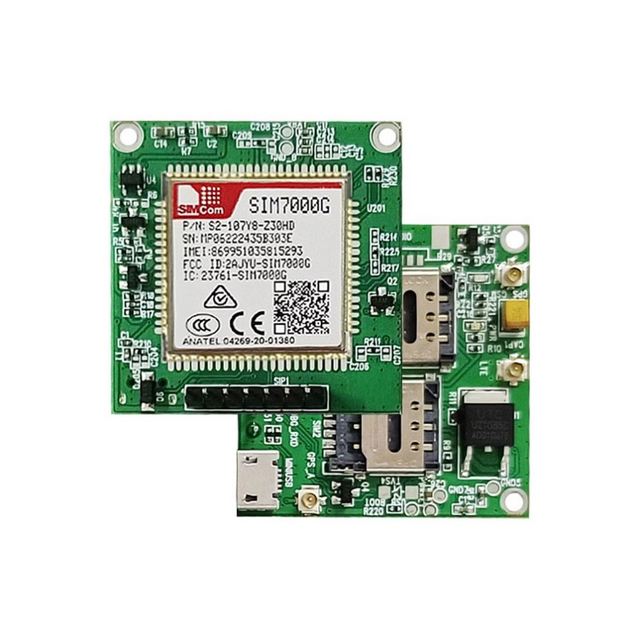
New&Original SIMCOM SIM7000G NB-IoT 4G CatM/CAT-NB GPRS EDGE SIM7000G Wireless 4g Module SIM7000G Core Board
 Shenzhen Tongze Electronic Technology Co., Ltd.🇨🇳CN3 yrs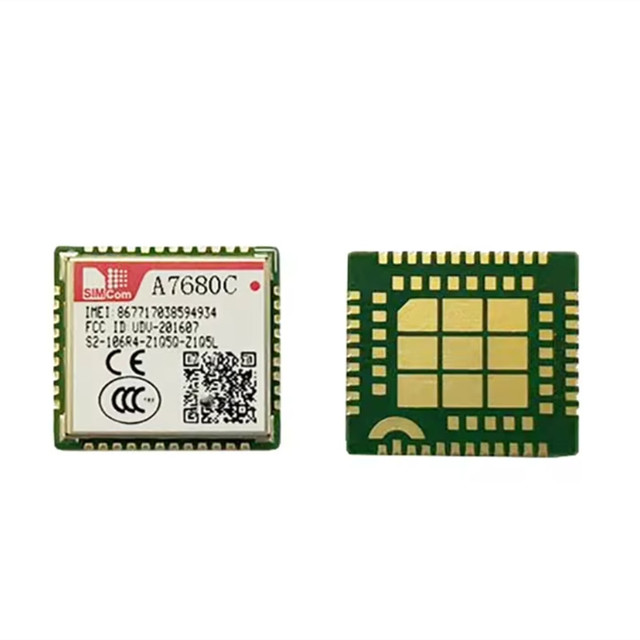
A7680C A7680C-LAAS SIMCOM 4G LTE NB-IoT Wireless Module 3G/4G/5G GNSS GSM GPRS Modules A7680C-LAAS A7680
 Shenzhen Xingyuan Microelectronics Co., Ltd.verified🇨🇳CN4 yrs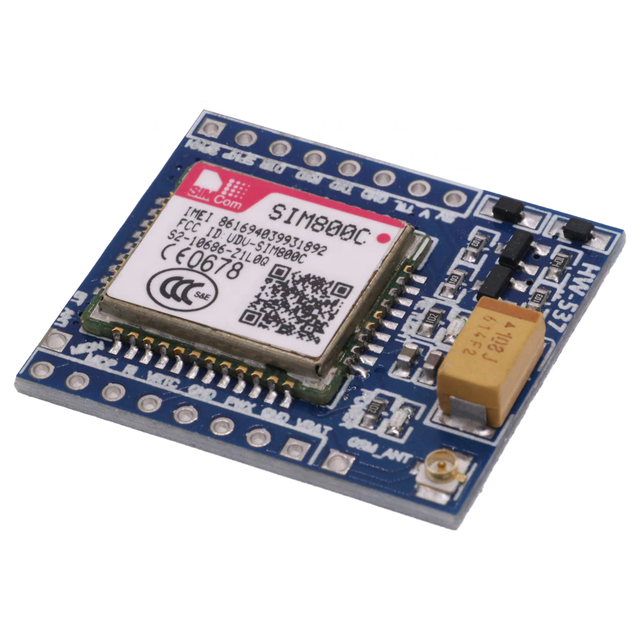
SIM800C GSM GPRS Module with IPEX Antenna LTE/4G/3G/2G/GSM/NB-I0T 3DBI
 Shenzhen Funkey Tech Co., Ltd.🇨🇳CN8 yrs
Remote Reading DIN Rail 230V RS485 to 4G LTE DTU Modem Modbus Gateway for RS485 Meter
 Ivy Metering Co., Ltd.🇨🇳CN10 yrs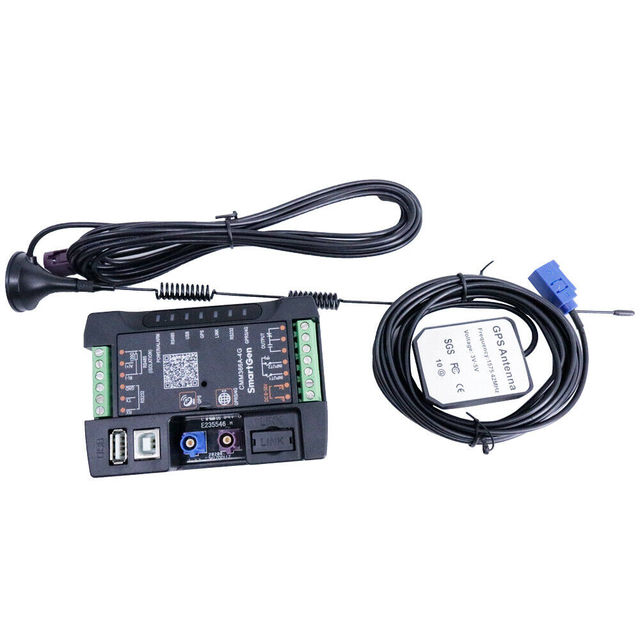
Smartgen CMM366A-4G Cloud Monitoring Communication Module 4G GPRS Wireless Network Communication Protocol Switch Module
 Leixing Technology (shenzhen) Co., Ltd.🇨🇳CN6 yrs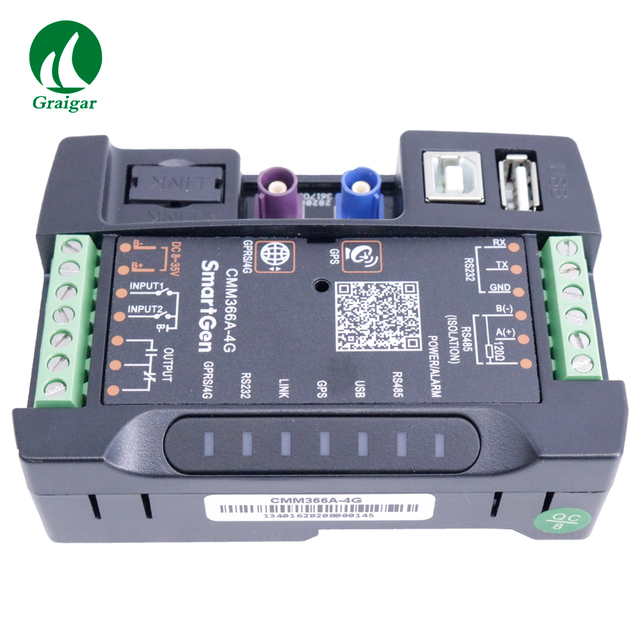
Smartgen CMM366A-4G Cloud Monitoring Communication Module 4G GPRS Wireless Network Communication Protocol Switch Module
 Shenzhen Graigar Technology Co., Ltd.🇨🇳CN15 yrs
SIM7100C Wireless 4G LTE Module GPS GPRS Development Board
 Shenzhen Merrillchip Electronics Co., Ltd.verified🇨🇳CN8 yrs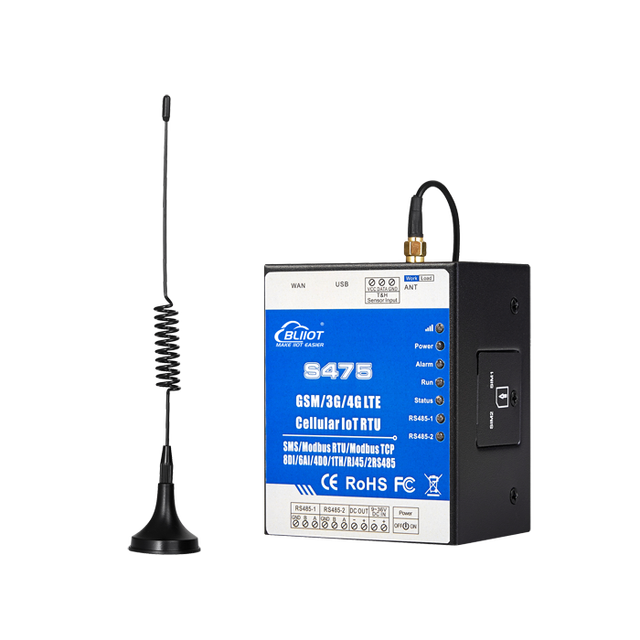
S475 GSM 3G 4G LTE Cellular IoT Modbus Gateway
 Shenzhen Beilai Technology Co., Ltd.🇨🇳CN4 yrs
Deep Dive · Full Report
Full Market Report
1 document · Live-fetched from source
Related Searches
Explore more sourcing topics & related categories
Sources & References
27 sources cited · Verified industry data & reports
AMI: fundamentals of Advanced Metering Infrastructure
www.eaton.com
The system also supports additional features and functionality related to system operation and customer service, e.g. outage management, connect/disconnect, etc." AMI requires requisite bandwidth to supply more than merely metering and power quality information. AMI typically provides a substantial payload of information. Usage information, tamper indication, and interval data is available for electric, water and gas meters, along with specific advanced capabilities for electric metering endpoints. Our solution is forward and backward compatible, giving you the capacity for future expansion. Implementing our innovative AMI metering and Demand Response solutions does not require across-the-board equipment replacement and configuration, saving you time and money. FERC defines AMI as “A metering system that records customer consumption hourly or more frequently and that provides for daily or more frequent transmittal of measurements over a communication network to a central collection point.”
Advanced Metering Infrastructure (AMI)
www.hitachienergy.com
As distribution utilities begin deployment of next generation Advanced Metering Infrastructure (AMI) plus systems, a robust communications network is a foundational part of a utility AMI architecture, delivering bidirectional connectivity between smart meters and head-end utility systems. A common initial application utilizing the AMI network is centralized meter reading. This single application provides the utility with many benefits that result in reduced operating costs, improved operational efficiencies, and greater customer satisfaction. Typically an AMI communications network is multi-tiered. Often an RF mesh is used for the tier 3 network, to connect smart meters to a metering collector. Hitachi Energy offers high-performance broadband, narrowband and cellular solutions that can work together to provide utilities with an optimal end-to-end communications network that enables a wide range of smart grid applications and a foundation for the future. Centralized meter reading reduces operational costs: It reduces truck rolls thereby reducing fuels and vehicle maintenance costs; increases meter reading accuracy; enables more timely identification of unaccounted for energy losses. In addition to reading meters, many utilities are embarking on AMI plus, leveraging their AMI communications network to aggregate communications for a variety of applications beyond meter reading. Examples of these applications including remote service connect/disconnect, prepay services, demand-response, time-of-use pricing, power quality monitoring, outage management and more. However, as AMI plus applications are deployed, they place incremental demands upon the tier 2 AMI backhaul network for bandwidth, latency and reliability.
What is advanced metering infrastructure (AMI)?
www.ibm.com
Advanced metering infrastructure (AMI) is an integrated, fixed-network system that enables two-way communication between utilities and customers. The system collects, stores, analyzes and presents energy usage data, providing utility companies the ability to monitor electricity, gas and water usage in real time. Given our growing need for efficient, cost-effective, environmentally sustainable energy—and the increase of smart technology—it’s no surprise that AMI has become a key technology in a broader evolution. Communication networks can transmit usage information to water, gas and electric utilities by using radio frequency signals, cellular networks or broadband connections, or by using power line communication (wherein AMI meters transmit data over power lines). The ability to remotely manage meters not only eliminates the need for manual meter readings, but it also enables faster response times in the event of a power outage. The data management system is the central repository where all meter data is collected, stored, processed and analyzed. Here, raw data from smart meters is converted into actionable insights. The AMI head-end system serves as a hub for incoming data from all installed smart meters. The head-end system verifies the data, performs preliminary processing and then forwards it to the meter data management system (MDMS). When the utility has all the necessary data insights, it relays those insights to the customer, who can then access detailed energy usage information on demand through customer portals and in-home displays. This transparency can sway customer decision-making, encouraging energy-saving behaviors and enabling customers to manage their energy costs more effectively. In the event of an impending outage, AMI systems come equipped with outage management features that can send affected smart meters a "last gasp" signal before power goes out.
Smart meter - Wikipedia
en.wikipedia.org
A smart meter is an electronic device that records information—such as consumption of electric energy, voltage levels, current, and power factor—and communicates the information to the consumer and electricity suppliers. Advanced metering infrastructure (AMI) differs from automatic meter reading (AMR) in that it enables two-way communication between the meter and the supplier. Advanced Metering Infrastructure (AMI) differs from Automated Meter Reading (AMR) in that it enables two-way communication between the meter and the supplier. Communications from the meter to the network may be wireless, or via fixed wired connections such as power-line communication (PLC). AMI extends automatic meter reading (AMR) technology by providing two-way meter communications, allowing commands to be sent toward the home for multiple purposes, including time-based pricing information, demand-response actions, or remote service disconnects. Wireless technologies are critical elements of the neighborhood network, aggregating a mesh configuration of up to thousands of meters for back haul to the utility's IT headquarters. Consumers can use the information provided by the system to change their normal consumption patterns to take advantage of lower prices. Pricing can be used to curb the growth of peak demand consumption. AMI differs from traditional automatic meter reading (AMR) in that it enables two-way communications with the meter. The electricity meter then aggregates this data and transmits it to the central utility network via Power Line Communication (PLC), which leverages existing electrical wiring for data transfer. Smart meter communication protocols are essential for enabling reliable, efficient, and secure data exchange between meters, utilities, and other components of advanced metering infrastructure (AMI).
Advanced Metering Infrastructure (AMI) - Knowledge Base
support.rfwel.com
See below other sample AMI equipment. TX PULSE 600-036 Connects to pulse meters with a dry contact interface or open collector inlet to convert them to a smart meter, pulses are converted and transmitted to gateways via LoRaWAN. AMI enables continuous two-way communications between the network and metering devices, to accurately measure and collect data that can be used for billing, send customer alerts and notifications, demand-response, and remote service-connections and disconnections. ... There is considerable use of Low-power WAN (LPWAN) networks in AMI systems, for example, LoRaWAN®. A key strength of LPWAN is its ability to support large number of devices per gateway. • Line of Sight (LOS) issues: Although 900 MHz has better penetration than higher unlicensed frequencies, it is more susceptible to signal fading or shadowing caused by hills, valleys, and radio-reflective or radio-absorbing obstructions. Possible solutions for wireless AMI network Issues ... Mesh networks can allow self-healing or self-routing providing multiple communication paths for metering interface units (MIU), in case one path fails. See example gateway below for AMI application.
AMI 2.0 - GridTechPedia - Idaho National Laboratory
gridtechpedia.inl.gov
Advanced Metering Infrastructure (AMI) enables two-way communication, improved grid visibility, and real-time energy data collection. Significant investments by utilities in smart metering technology have occurred, indicating readiness and commitment to the technology. Increasing consumer awareness and acceptance of AMI 2.0 and its benefits is leading to a more positive view of the transition. These resources clearly delineate roles across IT/OT teams, data engineering, and utility operations, helping to contain and predict execution risks. ... A diverse set of communication technologies—such as RF mesh, cellular, and power line communication—ensures that smart meter capabilities are broadly accessible across different utility environments. The widespread market penetration of AMI to date demonstrates that infrastructure constraints are not a critical barrier to deployment. National laboratory demonstrations have shown that integrating AMI data into operational systems—such as Advanced Distribution Management Systems (ADMS) and Outage Management Systems (OMS)—can be achieved using current utility structures, with clearly defined roles for IT/OT coordination and data workflows. ... The regulatory framework governing utility deployment of smart meters remains consistent with existing oversight structures.