Anamorphic Camera Lenses

Overview
Product sourcing insights & recommendations
The anamorphic camera lens market in 2026 is undergoing a major shift, moving from high-cost, specialized tools to a more accessible and technologically advanced category for filmmakers at all levels.
Market Trends & Growth Insights
* Sustained Growth: The market is projected to grow at a CAGR of 6–8% through 2035, driven by the intense demand for original cinematic content from streaming platforms like Netflix and Disney+ Indexbox.
* Democratization: The "indie" segment is booming as high-quality anamorphic glass becomes available for under $1,000 per lens, particularly through brands like SIRUI and Blazar BlockreeldaoRedsharknews.
* Regional Expansion: The Asia-Pacific region is emerging as the fastest-growing market, supported by expanding production hubs in China, India, and South Korea Indexbox.
Key Technological Innovations
* Autofocus (AF) Anamorphics: A major milestone for 2026 is the mainstream adoption of full-frame autofocus anamorphic lenses, such as the SIRUI ASTRA and Blazar Talon series, which simplify shooting for solo operators BlockreeldaoRedsharknews.
* Smart Lens Platforms: New releases like the ZEISS Horizon Anamorphic series feature internally motorized platforms, touch strips on the lens barrel, and electronic metadata support to eliminate the need for external rig motors ZeissContent-Technology.
* AI Integration: Emerging technologies include in-camera squeeze prediction and programmable flare intensity via firmware updates, reducing post-production complexity Blockreeldao.
Pricing Benchmarks
The 2026 pricing landscape offers clear tiers for different production needs:
* Budget/Indie: Full-frame AF lenses typically range from $799 to $999 BlockreeldaoComstock-Interactivedata.
* Smartphone Filmmaking: Anamorphic adapters and modular lens kits for mobile are priced between $30 and $99 Alibaba.
* Professional/High-End: Premium cine sets like the Atlas Orion cost $8,000–$12,000 per lens, while elite options like ZEISS Horizon or Cooke SP3 target high-budget productions BlockreeldaoZeiss.
I have compiled a selection of available products and pricing data in the files below, ranging from professional cine kits to affordable smartphone adapters.
Based on these market findings, you can continue with:
Anamorphic Lens Adapter For Smartphone Mirrorless Camera
Products · 3 lists
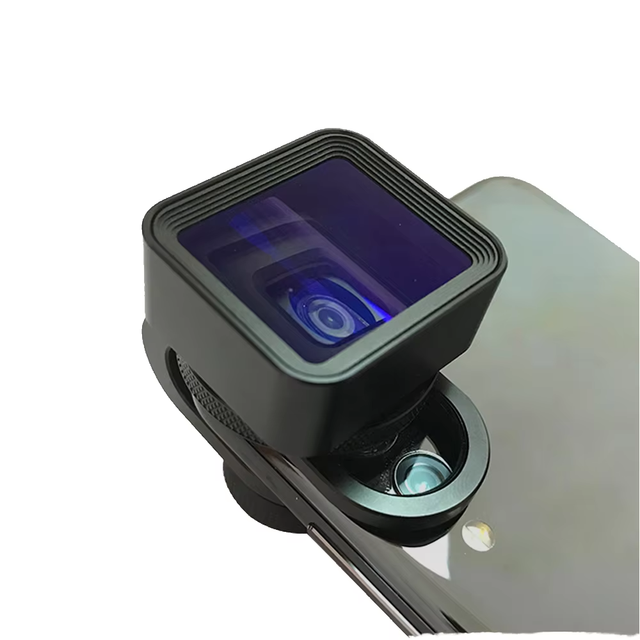
1.55X Anamorphic Phone Lens, 2.8:1 Widescreen Adapter, HD Coating & High Light Transmission, Lightweight Aluminum for Filmmakin
 Shenzhen Tongxin Youchuang Technology Co., Ltd.verified🇨🇳CN2 yrs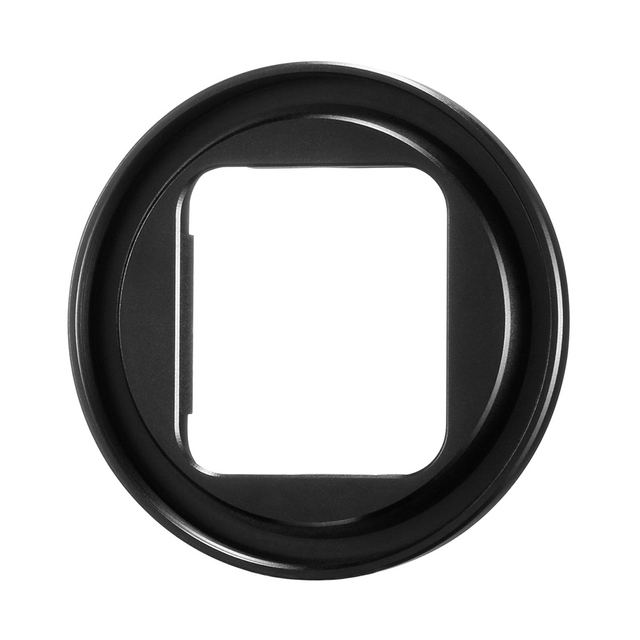
Ulanzi 52MM Filter Adapter Ring for Mobile Phone 1.33X Anamorphic Lens Wide Screen Movie Lens Videomaker Filmmaker Aluminum
 Shenzhen Lovefoto Technology Co., Ltd.verified🇨🇳CN16 yrs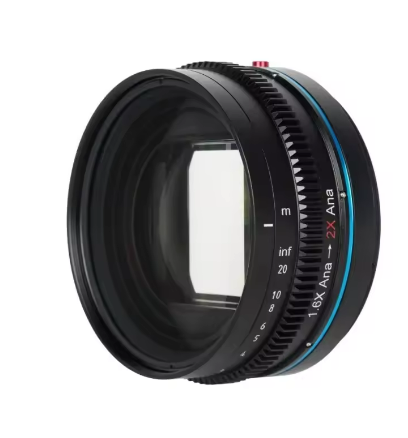
Sirui 1.25x Anamorphic Adapter
 Shenzhen Hongtu Zhanfei Technology Co., Ltd.🇨🇳CN7 yrs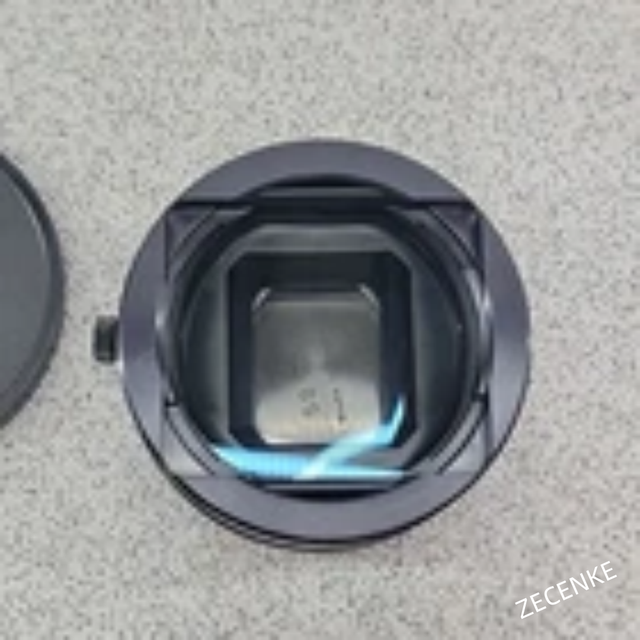
Optex England 16:9 Anamorphic Lens Adapter 58mm Screw Thread Used
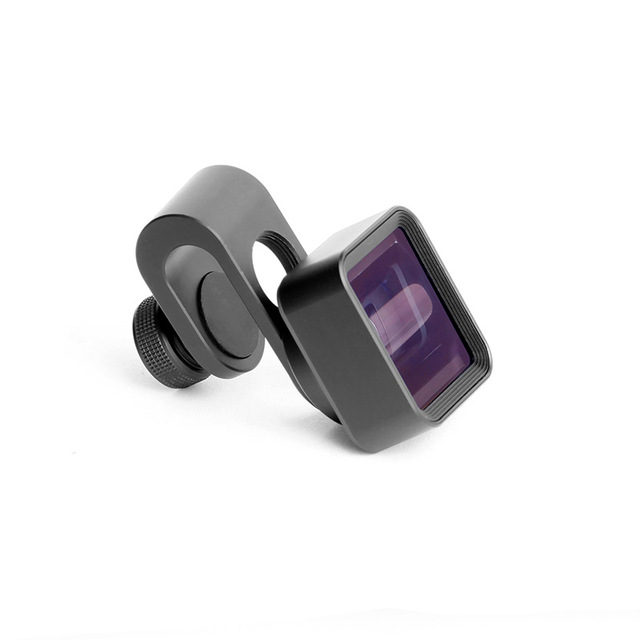
Mobile Phone Universal Anamorphic Lens 1.33X Wide Screen Video SLR Film Shooting Focus-Free
 Shenzhen Pholes Optoelectronics Co., Ltd.🇨🇳CN1 yr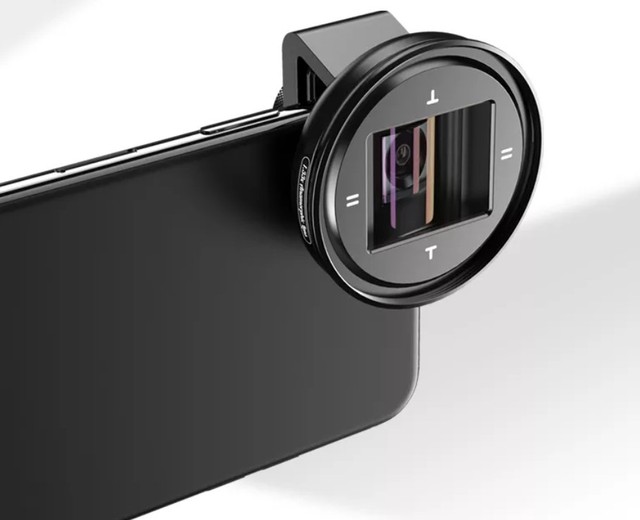
Factory Hot Sale High Quality Mobile Phone Camera Movie Lens 1.33X Widescreen Film Lens
 Chengdu Jingfeng Optical Technology Co., Ltd.🇨🇳CN7 yrs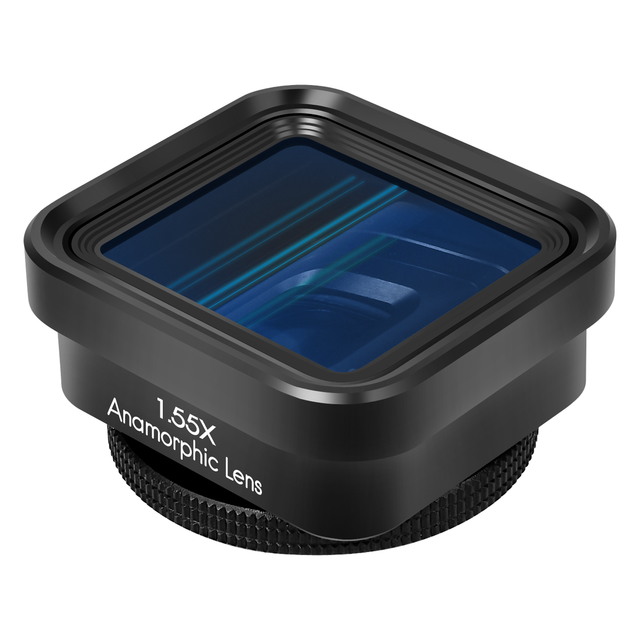
1.55x Anamorphic Lens for Smartphone 4K Cinematic Video Filmmaking Mobile Phone Lens
 Shenzhen Hongxingwei Technology Co., Ltd.🇨🇳CN7 yrs
Related Searches
Explore more sourcing topics & related categories
Sources & References
26 sources cited · Verified industry data & reports
Anamorphic Imaging Lenses Market Outlook to 2035 - News and ...
www.indexbox.io
This analysis is essential for manufacturers, distributors, investors, and strategy teams seeking a data-driven understanding of market trends, competitive dynamics, and future opportunities. The baseline scenario for the anamorphic imaging lenses market from 2026 to 2035 projects sustained growth, with a compound annual growth rate (CAGR) of approximately 6-8%. This outlook is underpinned by the robust demand from the entertainment industry, particularly as streaming services continue to invest heavily in original cinematic content that often employs anamorphic lenses for their distinctive aesthetic. The global anamorphic imaging lenses market is set to grow through 2035, driven by rising demand for cinematic content from streaming platforms and 4K/8K production. According to the latest IndexBox report on the global Anamorphic Imaging Lenses market, the market enters 2026 with broader demand fundamentals, more disciplined procurement behavior, and a more regionally diversified supply architecture. In the baseline scenario, IndexBox estimates a 7.0% compound annual growth rate for the global anamorphic imaging lenses market over 2026-2035, bringing the market index to roughly 180 by 2035 (2025=100).
Anamorphic Lenses 2026 Guide: Flares, Gear, W... | BlockReel
blockreeldao.com
For those operating on a tighter budget, the SIRUI ASTRA series is a strong recommendation, while high-end productions might opt for the Cooke SP3 Anamorphics, which can run $25K or more for a set. Ensuring lens mounts comply with camera safety standards, such as ISO 10368, is a critical, though often overlooked, safety consideration. Emerging trends include AI-assisted squeeze prediction capabilities in-camera, with prototypes from manufacturers like Sony expected by 2026, further streamlining the workflow and reducing potential post-production errors. Affordable options are democratizing access: The 2025-2026 market, spearheaded by lenses like the SIRUI ASTRA full-frame AF series, makes professional anamorphic aesthetics accessible for budgets under $1,000 per lens. IBIS requires careful management: While modern cameras feature IBIS, it can cause distortions with anamorphic lenses. Master anamorphic cinematography with insights from Oscar-nom DPs. Panavision C/E, Atlas Orion, Cooke SP3, flares, bokeh, IBIS, Resolve workflow. 2026 pro guide Deakins, for instance, used anamorphic lenses on Skyfall (2012) to achieve its distinctive widescreen look and often discusses the unique feel anamorphic lenses bring to a story in interviews with American Cinematographer. In the 2025-2026 landscape, there's a fascinating revival of vintage anamorphic glass, often digitized for modern sensors. This trend, exemplified by films like Damien Chazelle's La La Land (2016), which blended vintage anamorphic for nostalgic sequences with modern spherical for contemporary scenes, demonstrates a conscious effort to evoke the aesthetic palettes of the 1950s and 60s.
6 Best Anamorphic Lenses (September 2026) Complete Cinematic Guide
peccadille.net
The oval bokeh, horizontal flares, and widescreen aspect ratios that define cinematic imagery are within reach for anyone willing to invest in these specialized lenses. Choose based on your camera system, shooting style, and budget – authentic anamorphic imagery is now more achievable than ever before. 12 Best Espresso Machines with Steamer Models (September 2026) Top Picks These specialized lenses compress images horizontally, delivering that signature widescreen cinematic look with oval bokeh and horizontal lens flares. After spending 45 days testing various anamorphic lenses across different camera systems, I discovered the market has evolved dramatically. The best anamorphic lenses in 2026 offer unprecedented accessibility for filmmakers at every level. Our testing revealed that authentic anamorphic characteristics are no longer exclusive to high-budget productions. This lens targets Sony E, Canon RF, Nikon Z, and L-mount shooters who want full-frame anamorphic coverage. It pairs perfectly with cameras like the Sony FX3, Canon R5, or Nikon Z8. The 1.6x squeeze factor provides more dramatic widescreen effect than 1.33x options, making it ideal for filmmakers who want maximum cinematic impact.
12 Best Anamorphic Lenses (September 2026) Experts Guide
www.comstock-interactivedata.com
I organized this guide so you can jump straight to the lens that matches your camera and shooting style, then dig into the buying guide for the squeeze ratio and de-squeeze workflow basics if you are new to the format. ... As an Amazon Associate we earn from qualifying purchases. CERTAIN CONTENT THAT APPEARS ON THIS SITE COMES FROM AMAZON. THIS CONTENT IS PROVIDED 'AS IS' AND IS SUBJECT TO CHANGE OR REMOVAL AT ANY TIME. These three represent the spread of what anamorphic glass looks like in 2026: a serious full-frame cinema prime, an autofocus S35 option for hybrid shooters, and an action-cam mod that punches well above its price for run-and-gun footage. They also require careful monitoring because the squeezed image on your camera LCD does not look correct until de-squeezed. Yes, a small but growing number of anamorphic lenses now support autofocus. The Sirui S35 AF line (including the 20mm T1.8 and 40mm T1.8 1.33X) and the newer Sirui Astra full-frame AF line are the main autofocus anamorphic options available in 2026, designed for Sony E, Nikon Z, and other mirrorless mounts. The best anamorphic lenses in 2026 cover an enormous range of cameras, budgets, and shooting styles. For a serious full-frame cinema build, the Sirui 35mm T2.9 1.6X is my top pick. For autofocus run-and-gun on Sony or Nikon, the Sirui S35 AF line and the Astra full-frame AF line are changing what is possible for solo shooters. This is the lens that opened the anamorphic door for thousands of indie filmmakers, and it remains the cheapest way to get a real anamorphic lens on a real camera in 2026.
Global Anamorphic Lens Market 2024-2030
mobilityforesights.com
Special tools called anamorphic lenses change how images are projected onto the camera sensor. Average B-2-B Anamorphic Lens market price in all segments · Latest trends in Anamorphic Lens market, by every market segment Unless otherwise specified, spherical lenses are the more typical type. Images are projected onto the sensor by spherical lenses without changing their aspect ratio. On the other hand, anamorphic lenses project an image that has been compressed along the longer dimension (typically by a factor of two). For instance, when capturing 2.40:1 images on 35 mm film with a standard spherical lens, only 50% of each frame's area is utilized. When using anamorphic, the entire frame area is used to create the final image.
Why Anamorphic Lenses Feel More Cinematic | Fstoppers
fstoppers.com
March 7th, 2026 0 Comments · Watch Video · Facebook · X · Flipboard · 0 Comments · Anamorphic lenses have moved from niche cinema tools to real options you can mount on a mirrorless camera right now. If you shoot video and want a wider frame, stronger background blur, and a different kind of character, this is a choice that changes how your footage feels. Anamorphic lenses focus first on look, and that comes with weight, complexity, and sometimes manual focus. That said, newer options are shrinking in size, and even autofocus anamorphic lenses now exist. The market has expanded, and you no longer need a massive cinema rig to try this style. Coming to you from Christopher Frost, this practical video breaks down what sets anamorphic lenses apart, using the SIRUI 35mm T2.9 1.6x Anamorphic Lens as a working example. Frost shows how a 1.6x squeeze factor affects field of view, and the difference is not subtle. A 35mm anamorphic lens can give you a horizontal view close to what a 20mm spherical lens captures, while keeping the vertical field tighter. The video goes further into the traits people either chase or avoid. Anamorphic lenses often have softer corners and more distortion. With still images, that would be a flaw. In motion, it creates a subtle tunnel toward the center of the frame. Frost points out that you can stop down to f/11 to tighten up sharpness if needed, though low light will limit that choice.