Android Kitkat 4.4.4

Overview
Product sourcing insights & recommendations
The phrase 'Android KitKat 4.4.4' refers to a legacy version of the Android operating system (released June 2014) that significantly influenced the mobile market by introducing optimizations for low-end hardware. While its mainstream presence has nearly vanished, it maintains a critical niche in industrial and embedded sectors due to its lightweight architecture.
Product Highlights & Legacy Trends
* Project Svelte & Hardware Efficiency: KitKat was designed to run smoothly on just 512MB of RAM. This "slim" profile allowed it to dominate the early 2010s market and remain viable for low-power embedded applications long after newer versions required more resources AndroidGoogleblog.
* Market Share Shift: At its peak, Android 4.4 held nearly 40% of the market Cnet. As of mid-2026, it accounts for less than 0.06% of active global devices Wikipedia.
* End of Support: Google Play Services officially terminated support for Android 4.4 in August 2023, rendering many modern applications and cloud-based features unusable on native devices BetawikiTrendmicro.
Market Trends & Current Use Cases
Despite its official "End of Life," Android 4.4.4 persists in several high-value niche markets:
- 1Industrial Handhelds & POS: Ruggedized scanners and point-of-sale terminals often remain on KitKat because the hardware is specialized and the dedicated software doesn't require modern OS features Techtarget.
- 2Embedded Boards: Manufacturers still offer Android 4.4 Motherboards (e.g., Amlogic S802) for specific devices like TV boxes or smart vending machines that require a simple, stable UI with minimal overhead Alibaba.
- 3The "Android Afterlife" Community: Enthusiasts repurpose legacy 4.4.4 hardware for dedicated roles such as retro gaming consoles, smart home dashboards, or digital photo frames, leveraging its efficiency on aging processors Reddit.
- 4Automotive Head Units: Older car infotainment systems frequently use Android 4.4.4 as a base, with modding communities still providing support for local navigation and media playback.
Below are the currently available legacy-compatible hardware options found on B2B platforms:
Rugged Barcode Scanner Android 4.4.4
Products · 3 lists
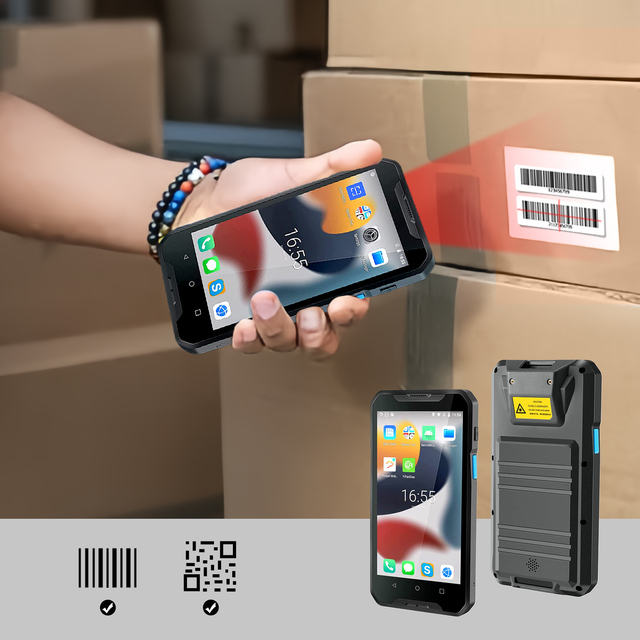
Android 9 4G Ruggedized Wireless Handheld PDA917 1D 2D Qr Barcode Scanner Stock Mobile Data Terminal
 Shenzhen Qianbao Technology Co., Ltd.🇨🇳CN4 yrs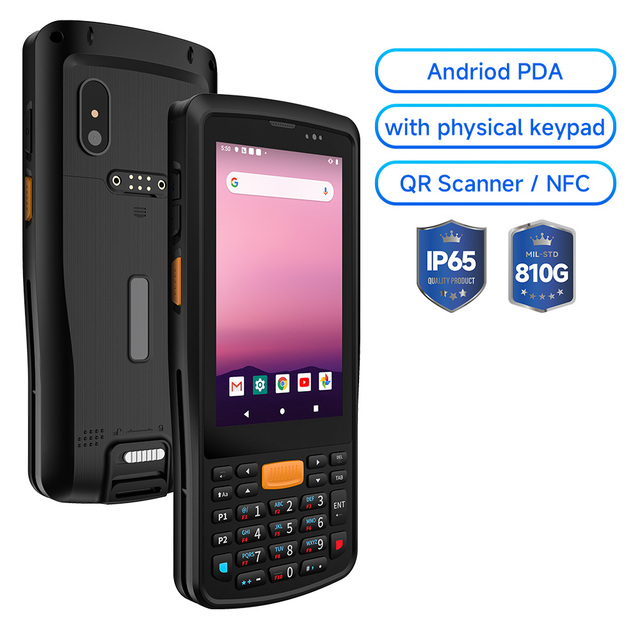
ODM OEM 4 Inch Industrial Rugged Android Handheld PDA Zebra Barcode Scanne 4G WiFi BT GPS NFC With Keyboard Inventory Logistic
 Shenzhen Emdoor Information Co., Ltd.verified🇨🇳CN9 yrs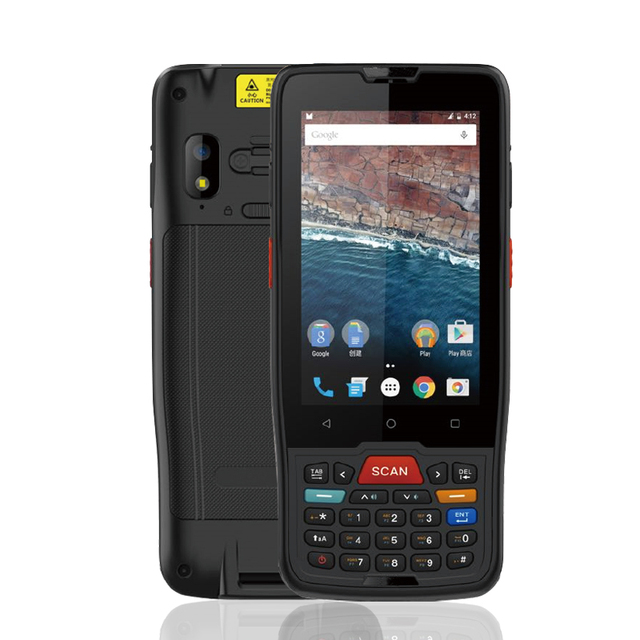
IP65 Rugged Android Mobile Handheld PDA Cheap Industrial Level 4 Inch Barcode Scanner with NFC RFID Reader for Data Collection
 Guangzhou Jiewen Information Technology Co., Ltd.verified🇨🇳CN3 yrs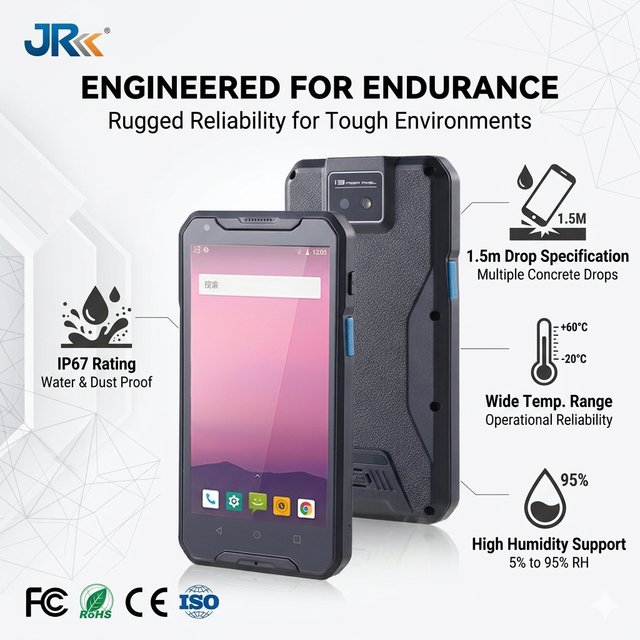
JR 927ML Android 13 4G Ruggedized Wireless Handheld Pda Scanner 1D 2D Qr Barcode Scanner Stock Mobile Data Terminal
 Shenzhen Jingrui Hengtong Electronics Co., Ltd.verified🇨🇳CN4 yrs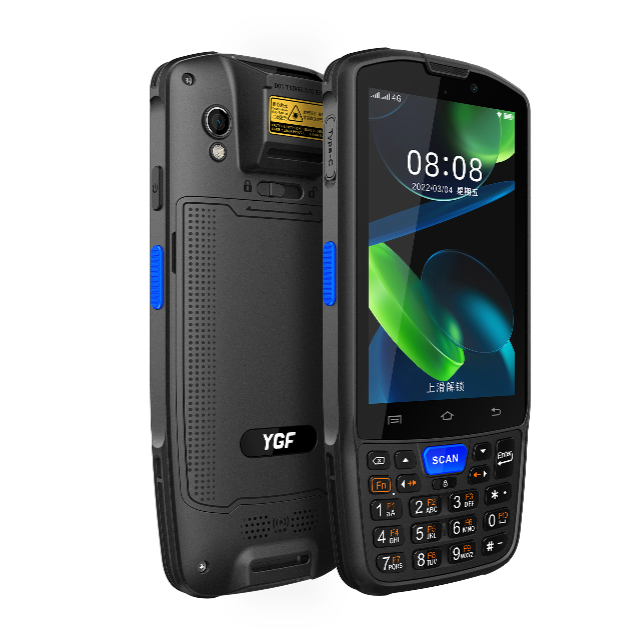
F7 for BEST Android Barcode Scanner Rugged Handheldl with 2D Scanner 4 InchTouch Screen Camera,Wireless 4G Wi-Fi GPS BT
 Shenzhen Yige Technology Co., Ltd.verified🇨🇳CN5 yrs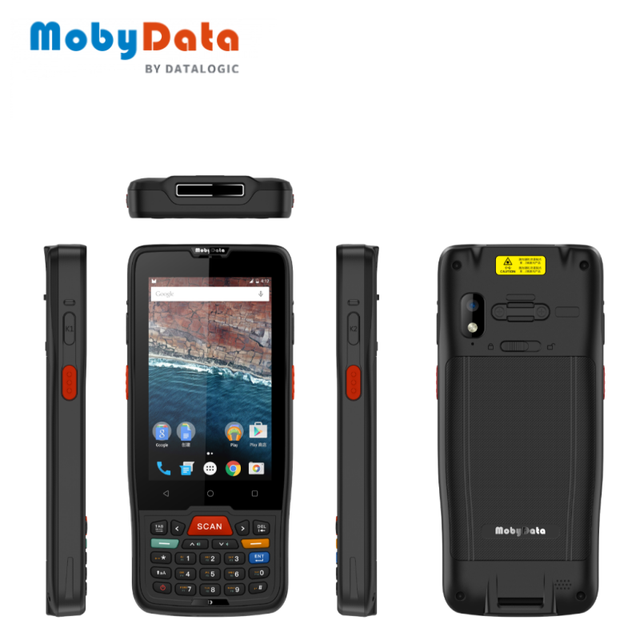
Mobydata SA70 4+64GB Rugged Android Barcode Scanner Handheld PDA for Data Collection
 Suzhou Mobydata Smart System Company Ltd.verified🇨🇳CN1 yr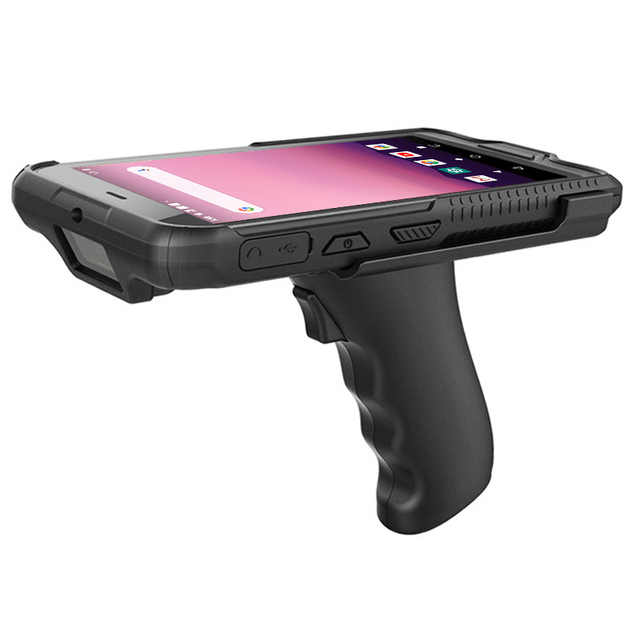
Handheld PDA NFC 6 inch 4G LTE Android 9.0 MSM8953 8core Rugged Tablet With 1D / 2D Honeywell Barcode Scanner
 Shenzhen Rugline Technology Co., Ltd.🇨🇳CN13 yrs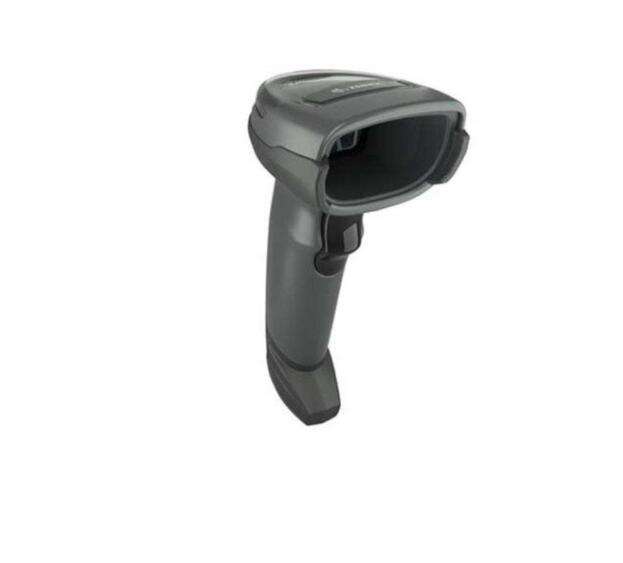
Rugged Barcode Scanner DS4608SR DS4608XD DS4608HD Barcode Scanner Android
 Ganzhou Xuanpin Trading Co., Ltd.🇨🇳CN1 yr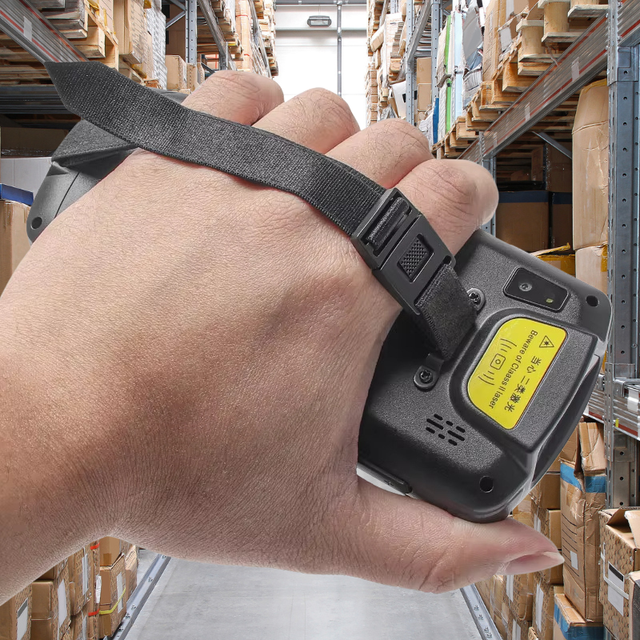
Industrial Rugged Android 12 PDA for 4 Inch Handheld Barcode Scanner 1D 2D NFC/QR Code Reader Data Terminal in Stock
 Shenzhen Xinlian Intelligent Identification Technology Co., Ltd.verified🇨🇳CN5 yrs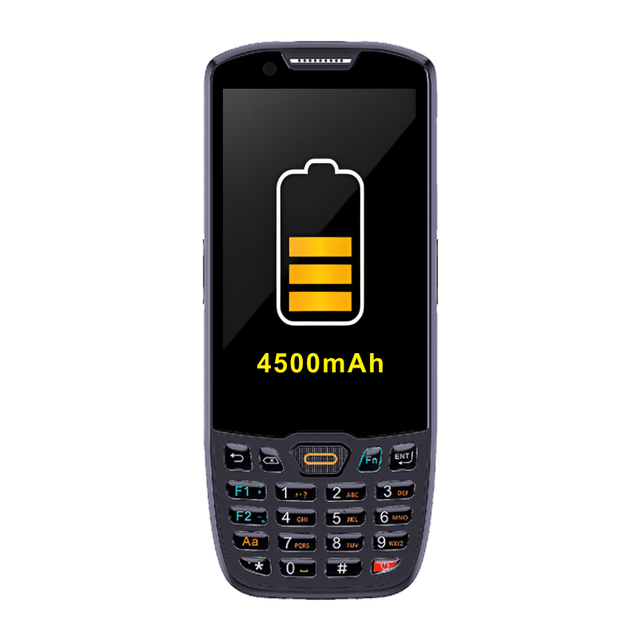
Cheap 4inch Android 13 Rugged Industrial 2D Barcode Scanner QR Code Scanner PDA with Quad-Core 2.0GHz 4GB+64GB Stock
 Svoton Technology Co., Ltd.🇨🇳CN7 yrs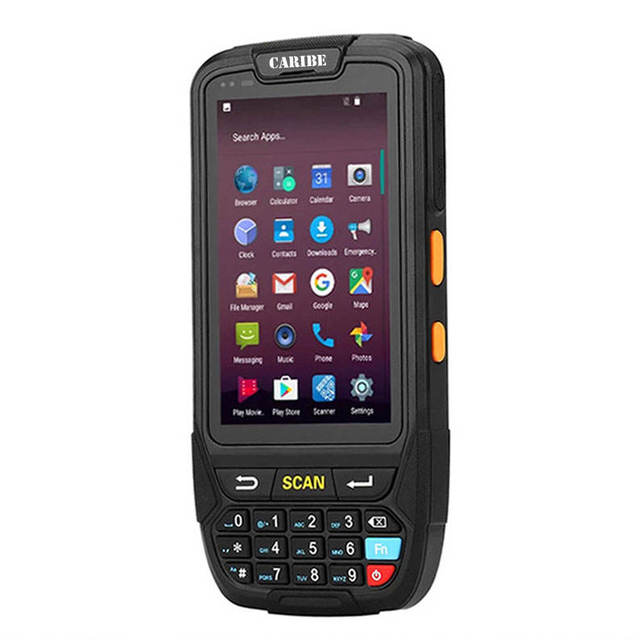
Caribe PL-40L Rugged Android PDA with Touch Screen Supports 1D Laser and 2D Barcode Scanner in Stock
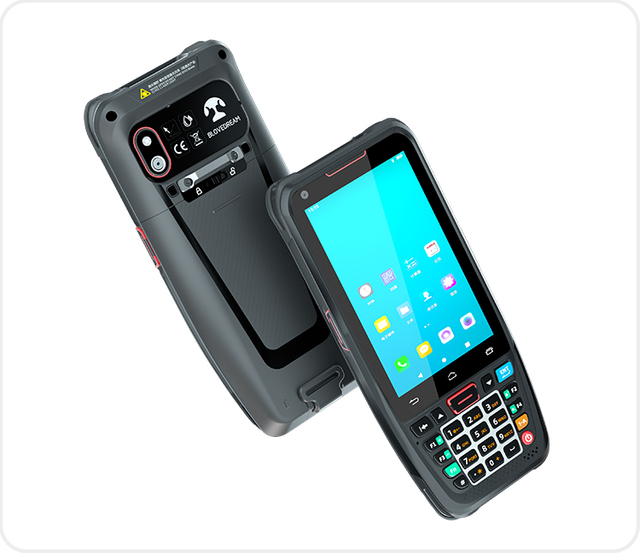
Industrial Rugged Android 9.0 4G Wifi 1D/2D Data Collector PDA Handheld Terminal Qr Barcode Scanner
 Shenzhen Blovedream Technology Co., Ltd.🇨🇳CN12 yrs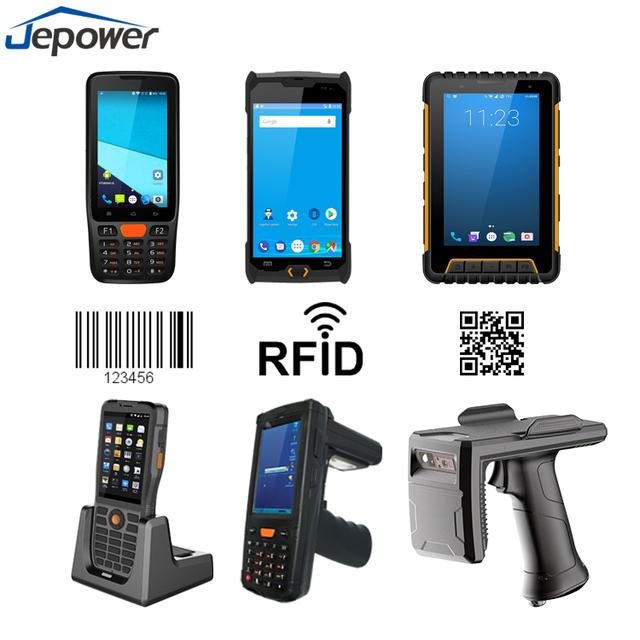
Handheld Industrial Rugged 4g Nfc 1d 2d Qr Code Laser Reader Barcode Scanner Android Pda
 Guangzhou Jiebao Technology Co., Ltd.verified🇨🇳CN14 yrs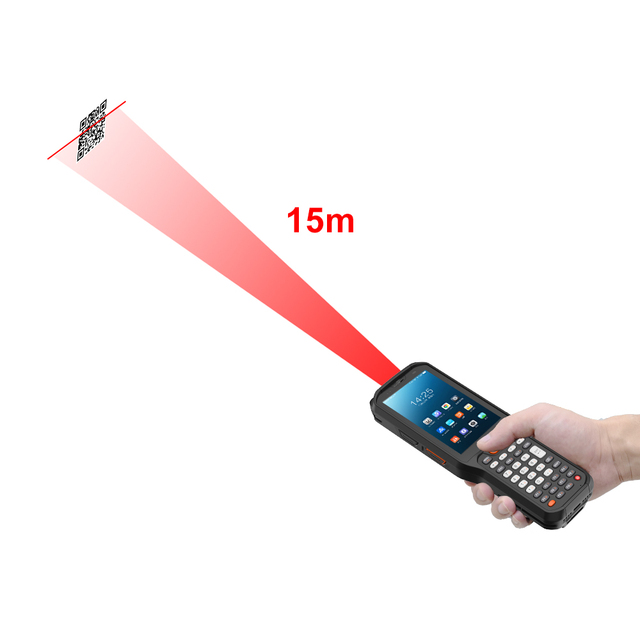
Android Q Rugged Long Scanning Distance Laser Handheld Barcode Scanner to Scan 1D/2D Code Use in Warehouse
 Shenzhen Wepoy Technology Co., Ltd.🇨🇳CN12 yrs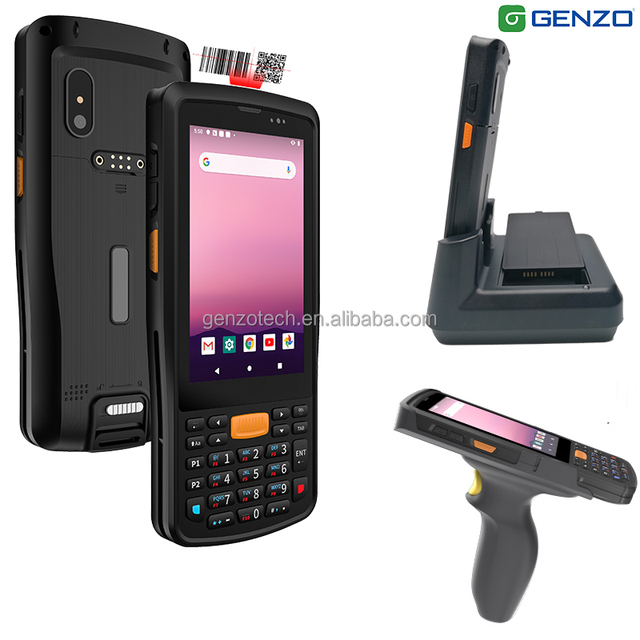
Cheapest 4 INCH Rugged Android PDA Handheld Barcode Scanner with Pistol Grip Medical Pdas Pda Scanner Pda with Qwerty Keyboard
 Shenzhen Genzo Technology Co., Ltd.🇨🇳CN5 yrs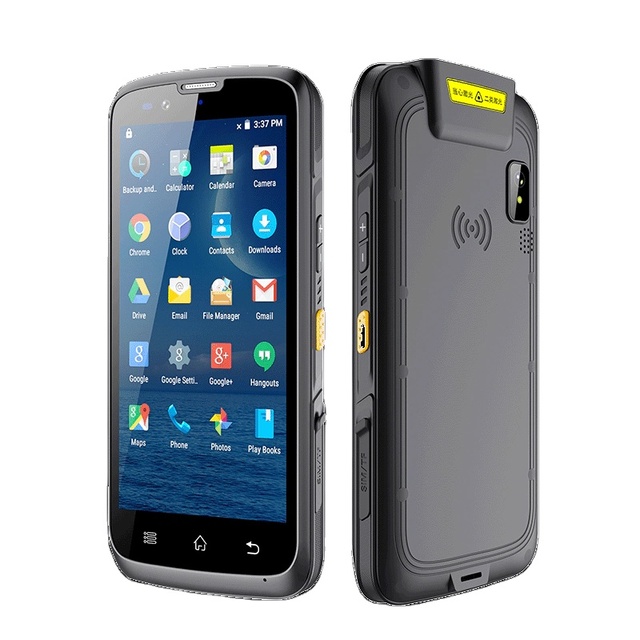
Power Android Barcode Scanner Rugged Handheld PDA 4G LTE Mobile Phone NFC PDAS
 XIAMEN GOODCOM TECHNOLOGY CO., LTD.🇨🇳CN20 yrs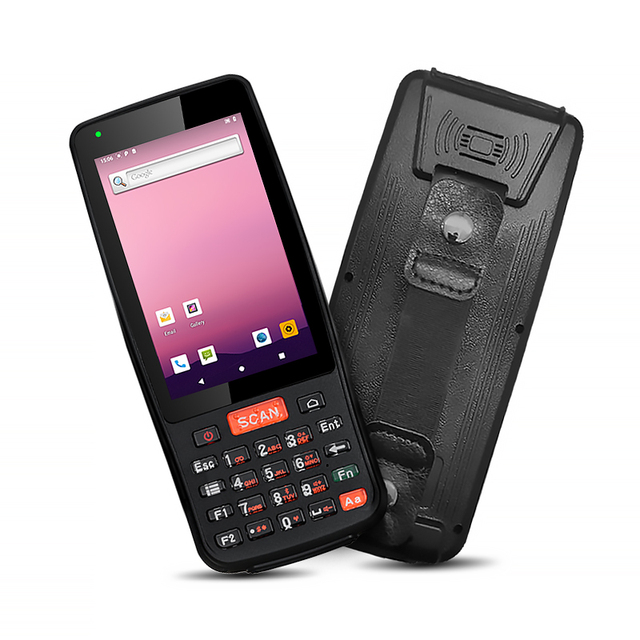
Cheap 4G LTE Industrial Handheld Rugged Barcod Scanner PDA Mobile Data Collection Terminal Rfid NFC Android Barcode Scanner
 Shenzhen Qunsuo Technology Co., Ltd.verified🇨🇳CN10 yrs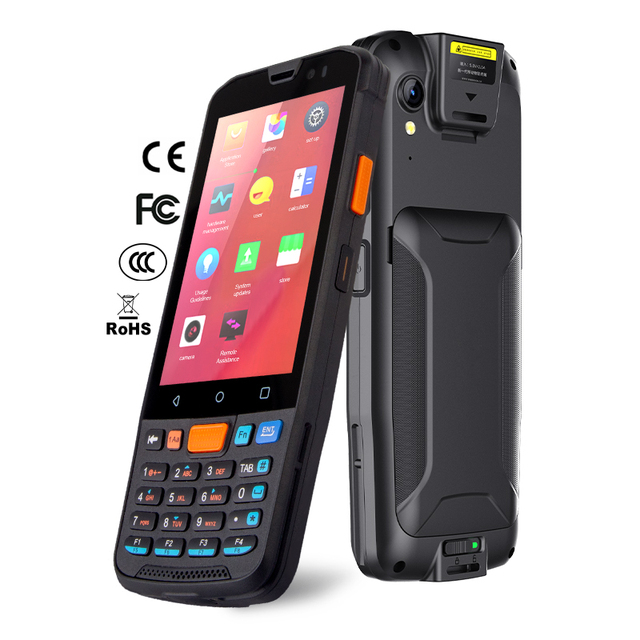
OEM Industrial 4G Rugged IP67 4-Inch PDA with Android 14 Keyboard 2D Barcode Scanner NFC for Warehouse
 Shenzhen Jintaiyi Electronics Co., Ltd.verified🇨🇳CN4 yrs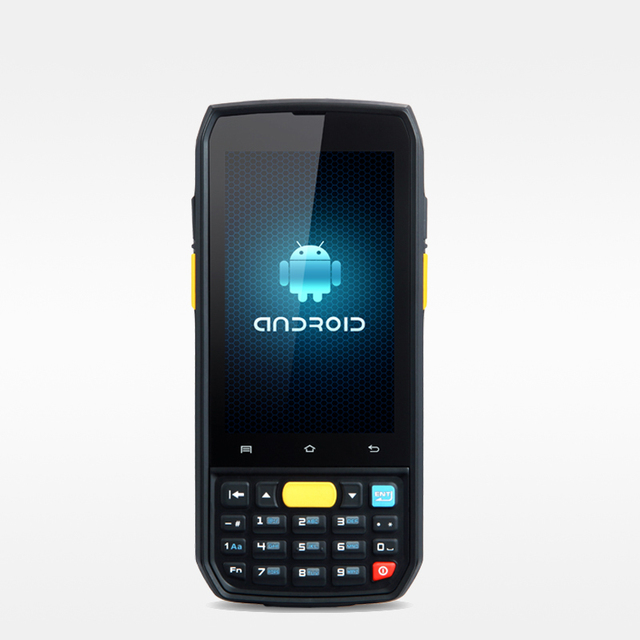
Rugged Pda 2d QR Handheld Pda Android 11 Data Collectors Industrial Pda Satellite Phone 1D 2D Barcode Scanner RFID UHF Pdas
 Guangzhou Winson Information Technology Co., Ltd.verified🇨🇳CN5 yrs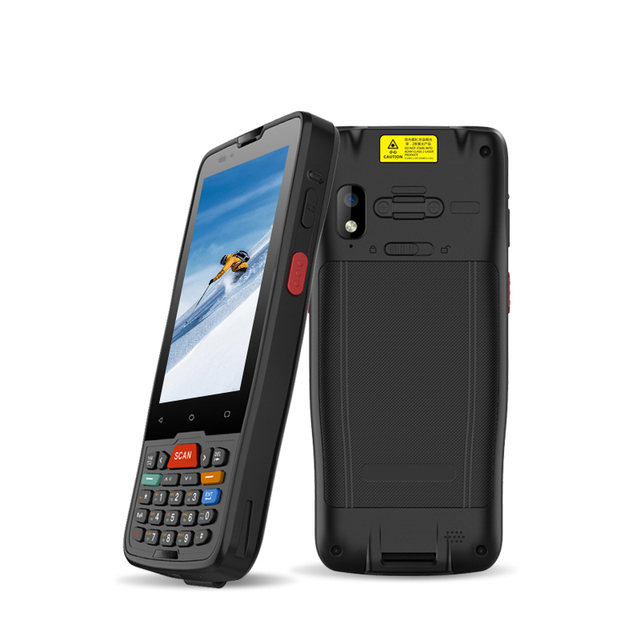
4 Inch Portable Pda Android 9 System 2gb 16gb Pdas Rugged Android Barcode Scanner
 Shenzhen Lianshi Intelligent Technology Co., Ltd.verified🇨🇳CN4 yrs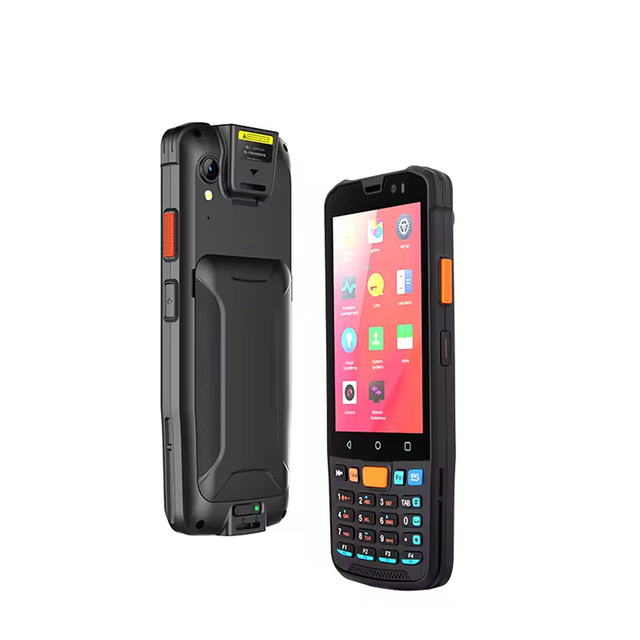
Low Cost Android 11 Mobile Barcode Scanner Terminal Rugged Handheld Pda 1D/2D Laser Qr Code Reader Logistic PDAs C4100
 Shenzhen Hosoton Technology Co., Ltd.🇨🇳CN4 yrs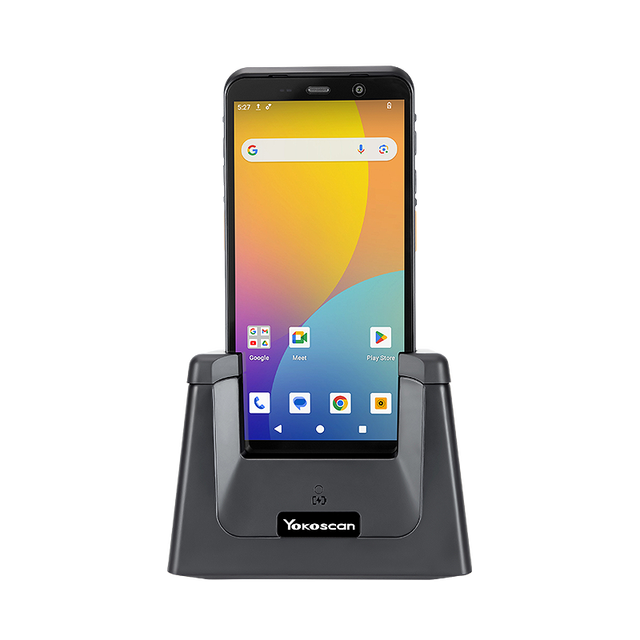
TC60-Lite 5.99 Inch PDA Rugged Android14 GMS Data Collector 2D Barcode Scanner 4G WIFI for MT6762 Octa-core 13.56MHz Stock
 Guangzhou Yoko Electronics Co., Ltd.verified🇨🇳CN11 yrs
Low Cost Android 11 Mobile Barcode Scanner Terminal Rugged Handheld Pda 1D/2D Laser Qr Code Reader Logistic PDAs C4100
TC60-Lite 5.99 Inch PDA Rugged Android 12 GMS Data Collector 2D Barcode Scanner 4G WIFI Bluetooth MT6762 Octa-core 2.0Ghz 4+64GB
Related Searches
Explore more sourcing topics & related categories
Sources & References
24 sources cited · Verified industry data & reports
Android KitKat - Wikipedia
en.wikipedia.org
The Nexus 5, developed by LG Electronics, was unveiled on September 30, 2013, as the launch device for KitKat. One of the bugs introduced in version 4.4 and solved in version 4.4.1 was the hairy heart: the yellow heart emoji ⟨💛⟩ would be shown as a hairy heart ⟨⟩. Additionally, 4.4 was designed to be more aggressive in managing memory, helping to guard against apps wasting too much memory. The overall interface of KitKat further downplays the "Holo" interface appearance introduced on 4.0, replacing remaining instances of blue accenting with greys and white (such as the status bar icons), and getting rid of the Wi-Fi upstream and downstream traffic indicators (triangles pointing up and down), though they can still be seen in the quick control center menu. Lagerling phoned a representative of Nestlé, who owns the KitKat brand and produces the confectionery (outside the United States, where it is made by The Hershey Company under license), and quickly reached a preliminary deal for a promotional collaboration between the two companies, later finalized in a meeting at Mobile World Congress in February 2013. A new runtime environment known as the Android Runtime (ART), intended to replace the Dalvik virtual machine, was introduced as a technology preview in KitKat. ART is a cross-platform runtime which supports the x86, ARM, and MIPS architectures in both 32-bit and 64-bit environments. Android KitKat is the codename for the eleventh version of the Android mobile operating system, representing release version 4.4. Unveiled on September 3, 2013, KitKat focused primarily on optimizing the operating system (running on as little as 512 MB of RAM; Project Svelte) for improved ...
Android KitKat - BetaWiki
betawiki.net
Google Play Services support for KitKat ended on 4 August 2023.[1] An open encyclopedia of software history Builds listed below are reconstructions based on a cross-reference of Key Lime Pie/KitKat source code commits that were made at the time of their tagging. Due to the sheer amount of builds available, only certain builds deemed "notable" are mentioned. For the version released for watches, see Android KitKat Wear.
Android version history - Wikipedia
en.wikipedia.org
Google announced Android 4.4 KitKat on September 3, 2013. Android 17 is the seventeenth major release of Android. The first public beta was released on February 13, 2026. It was released to the public on June 16, 2026. On June 24, 2014, a version of Android KitKat exclusive to Android Wear devices was released. The SDK for Android 4.0.1 (Ice Cream Sandwich), based on Linux kernel 3.0.1, was publicly released on October 19, 2011. Google's Gabe Cohen stated that Android 4.0 was "theoretically compatible" with any Android 2.3.x device in production at that time. The source code for Android 4.0 became available on November 14, 2011.
Android 4.4 KitKat | Android Wiki | Fandom
android.fandom.com
It was launched on October 31, 2013.[2] The first device it was shipped with was the Google Nexus 5, which was released the same day as KitKat 4.4.[3] A number of minor updates have come since that release, up to the 4.4.4 update, which was released on June 19, 2014.[4] There was also 4.4W and 4.4W2 (W meaning WearOS.) Android 4.4 was named KitKat. Google partnered with Nestle to co-brand Android 4.4, and Nestle promoted it on their KitKat packages as well. Printing in Android 4.4 KitKat. This is a collection of KitKat images.
Browse Android’s Latest Features
www.android.com
Android KitKat | Android Developers
developer.android.com
Find out more about KitKat for consumers at www.android.com. Android 4.4 is designed to run fast, smooth, and responsively on a much broader range of devices than ever before — including on millions of entry-level devices around the world that have as little as 512MB RAM. KitKat streamlines every major component to reduce memory use and introduces new APIs and tools to help you create innovative, responsive, memory-efficient applications. OEMs building the next generation of Android devices can take advantage of targeted recommendations and options to run Android 4.4 efficiently, even on low-memory devices. Android HCE emulates ISO/IEC 7816 based smart cards that use the contactless ISO/IEC 14443-4 (ISO-DEP) protocol for transmission. These cards are used by many systems today, including the existing EMVCO NFC payment infrastructure. Android HCE requires an NFC controller to be present in the device. Support for HCE is already widely available on most NFC controllers, which offer dynamic support for both HCE and SE transactions. Android 4.4 devices that support NFC will include Tap & Pay for easy payments using HCE.