Antique Smartwatch

Overview
Product sourcing insights & recommendations
I have identified 29 wholesale antique-style smartwatch options and analyzed global wearable trends for 2026 to help you optimize your sourcing strategy.
Alibaba.com Product & Price Benchmarks
The current wholesale market for vintage-style smartwatches on Alibaba.com is bifurcated into high-volume entry-level digital hybrids and mid-range retro-modern designs.
- Entry-Level / Hybrid: Prices range from $0.90 – $7.99 AlibabaAlibaba. These models often feature classic digital LCD or LED displays with basic smart functionalities like step counting and notifications.
- Mid-Range / Custom OEM: Manufacturers like Guangzhou Taihe Watch Co., Ltd. offer higher-quality vintage sets (e.g., tonneau-shaped, diamond-accented) with multi-functional capabilities Alibaba.
- Wholesale Dynamics: MOQs vary significantly, from 1 piece for ready-to-ship sports-style digital watches to 500 pieces for custom solar-powered retro designs AlibabaAlibaba.
2026 Global Wearable Trends & Design Specs
The "Antique-Style" niche is being driven by a broader "Neo-Retro" movement in wearables, blending heritage aesthetics with advanced 2026 technology.
- Vintage Proportions: There is a clear shift toward smaller, more wearable case sizes between 36-40mm, moving away from oversized silhouettes NaviforceRotatewatches.
- Hybrid Functionality: Consumers increasingly prefer "Smart-Hybrid" models that incorporate discreet notifications or health tracking within a traditional analog or retro-digital face WatcherikRotatewatches.
- Material Innovation: Luxury-leaning models are adopting titanium alloys, sapphire crystal, and bio-ceramic materials, often paired with vegan leather or recycled metal straps VertuWatchwarehouse.
- AI & Independence: 2026 trends emphasize Standalone Smartwatches (LTE/eSIM) and On-Device AI for predictive health monitoring, even in vintage-styled enclosures PersistencemarketresearchRisingtrends.
The detailed product list and supplier capabilities, including certifications (CE, BSCI, ISO), are available in the attached files. AlibabaAlibaba
Here are the top antique-style smartwatches and global trends. You can continue with:
Best Selling Wholesale Antique Style Smartwatch Vintage Design
Products · Top picks & verified manufacturers
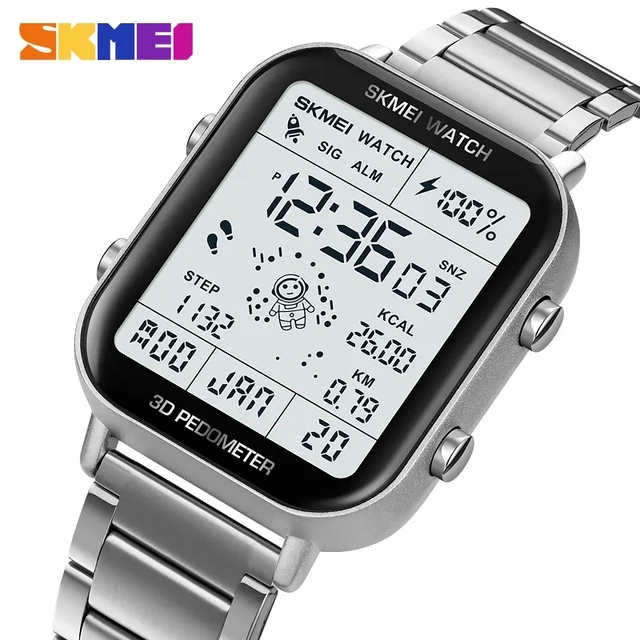
Skmei 1888 Fashion Male Electronic Watches Reloj Hombre Multifunction Digital Sports Watch Men 2 Time Count Down Men Wristwatch
 Guangzhou Shihe Trading Co., Ltd.verified🇨🇳CN10 yrs
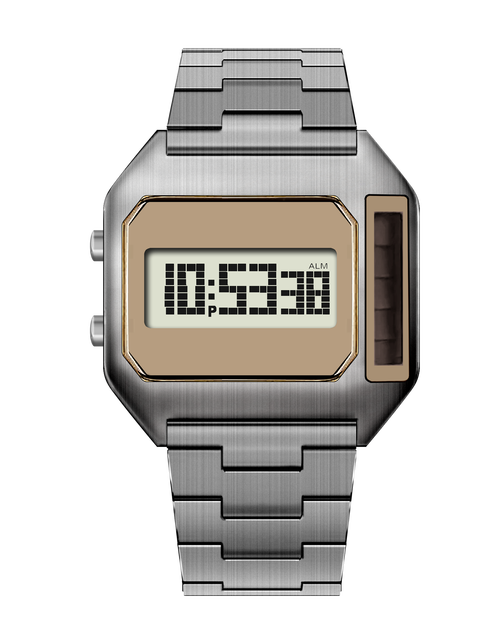
2026 Retro Solar LCD Digital Watch Solar Power Square Case Alarm Mens Wristwatch OEM Custom
 Shenzhen Nitrolube Technology Co., Ltd.🇨🇳CN20 yrs
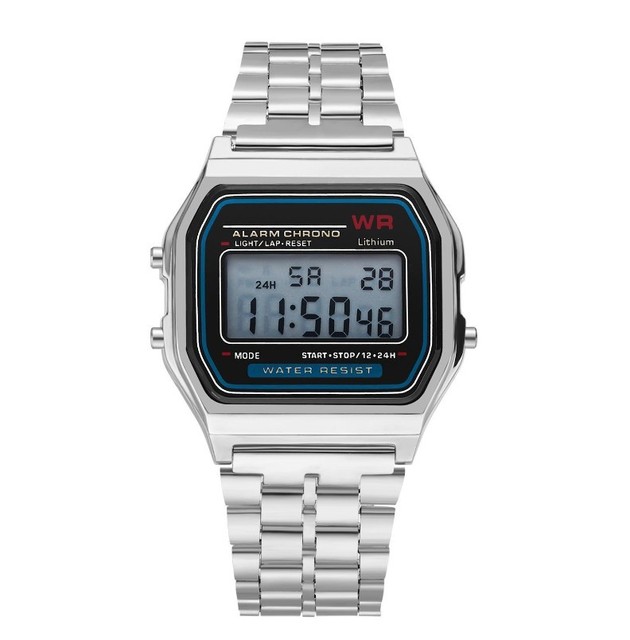
Smart Watch Good Quality Fashion Mens Gold Digital Watch From Factory Wholesale Cheaper
 MARKET UNION CO., LTD.🇨🇳CN3 yrs
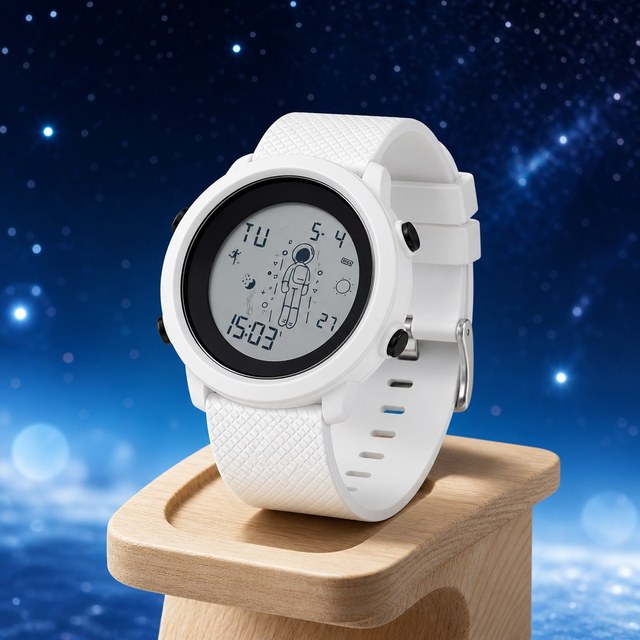
Wholesale Men's Waterproof Digital Watch Sports Watch with Chronograph Multi-Function Antique Design for School Gift
Deep Dive · Full Report
Full Market Report
1 document · Live-fetched from source
Related Searches
Explore more sourcing topics & related categories
Sources & References
28 sources cited · Verified industry data & reports
7 Wearable Technology Trends to Watch In 2026
www.risingtrends.co
For the broader platform shift behind spatial devices, see our VR and AR trends for 2026. Glasses are not the only way to get a camera off your hands. The ground-based answer went from zero to 8,100 monthly searches in three months, and we take it apart in the Beni camera robot. 2025 was the year consumer wearables started getting serious regulatory approval. Their subscription model ($30/month) bundles the hardware free, betting that ongoing data insights are more valuable than one-time device sales. (For more on how fitness tracking is reshaping training, see our fitness trends for 2026. And for how wearables are transforming healthcare for aging populations specifically, see our senior care trends for 2026.) The broader trend, according to academic research, is AI that can "predict the risk of heart attacks by analyzing trends in heart rate, blood pressure, and activity levels." 2026 is when AI wearables get genuinely predictive, not just reactive. The current generation tells you what happened — you slept poorly, your heart rate was elevated, your HRV dropped. The wearable that succeeds in 2026 isn't the one that collects the most data. It's the one that helps you make better decisions with the data it collects. If you're evaluating wearables this year, don't ask "what does it track?" Ask "what does it help me do?" Want to spot emerging technology trends before they hit mainstream?
6 Wearable Technology Trends for 2026 and Beyond + Examples
www.studiored.com
Materials: The materials you choose when developing a wearable device play a large role in shaping the user experience, including comfort and performance in strenuous real-world conditions. Design teams now work with materials such as flexible PCBs, medical-grade hypoallergenic silicones, sapphire glass, and titanium alloys that are lightweight, water-resistant, and durable. Example: At the time of writing, the Apple Watch Series 11 is widely considered the gold standard for consumer smartwatches in both form factor and functionality. According to Grand View Research, the global wearable technology market reached an estimated $92.9 billion in 2025 and is projected to grow at a CAGR of roughly 12.1% to reach $229.97 billion by 2033. This trajectory reflects how wearable technology is reshaping industries, from healthcare and cybersecurity to domotics and consumer electronics. As a full-service product design firm with extensive experience in wearable device design, we at StudioRed have a firsthand perspective on wearable technology trends. Example: Meta AI Glasses, designed in collaboration with Ray-Ban and Oakley, are at the forefront of smart glasses development, featuring AI assistants and integrated head-up displays. They have achieved widespread consumer success and are propelling smart glasses into the mainstream. Data from Counterpoint Research places Meta’s market share in smart glasses at 82% in H2 2025, while total global shipments of smart glasses grew 139% year over year. Wearable technology no longer operates in isolation — they are now designed to integrate into the broader ecosystem of devices, platforms, and services that make up a user’s physical and digital environment. Below, we’ll explore six of the most consequential wearable tech trends shaping the present and the future, with real-world examples of each in action. Whether you’re an experienced design professional or just wondering what wearable technology is, this article will give you a rundown on what the industry looks like today.
Wearable Technology Trends 2026: Consumer Adoption And Demographic ...
www.companieshistory.com
The global wearable technology market reached USD 92.90 billion in 2025 and is projected to hit USD 96.44 billion in 2026. Global shipments hit 537.9 million units in 2024, growing 6.1% year-over-year, with earwear accounting for 342.2 million units. India leads household wearable ownership at 57%, followed by Mainland China at 53% and the United Kingdom at 52%. There were 562.86 million smartwatch users worldwide in 2025, a 23.7% rise from 454.69 million in 2024. Approximately 400 million health and wellness wearable units shipped in 2024. North America held 38.80% of the global market in 2025, with the region’s market valued at USD 33.63 billion and forecast to reach USD 37.05 billion in 2026. Earwear, not smartwatches, is the largest wearable segment by volume. India accounted for 3.8% of global wearable revenue in 2024 and is the fastest-growing regional market in Asia Pacific, with its market projected to reach USD 9.55 billion by 2030. Asia Pacific as a whole generated USD 19.09 billion in 2025, representing 22% of the global market, and is expected to reach USD 21.75 billion in 2026. The smartwatch leaderboard shifted in 2025. The Cardiosense CardioTag, an FDA-cleared multimodal wearable combining ECG, PPG, and SCG cardiac signals, is one of several devices now positioned for reimbursable clinical pathways. Google’s continued investment in Fitbit’s AI Health Coach, which gained new features in March 2026, reflects the broader push toward predictive health monitoring. Global smartwatch penetration is climbing slowly but steadily, which suggests the category still has significant headroom outside India, China, and Western Europe.
Smartwatches - Worldwide | Statista Market Forecast
www.statista.com
In global comparison, most revenue will be generated United States (US$11.52bn in 2026). ... Definition:Smartwatches are wearable devices equipped with advanced functionalities beyond timekeeping. They integrate various sensors and technologies to provide features such as fitness tracking, notifications, app integration, and communication capabilities. The Smartwatches market is experiencing significant growth due to the increasing customer preferences for wearable technology. Customer preferences: Customers are increasingly looking for devices that can provide them with multiple functionalities, such as fitness tracking, notifications, and the ability to make phone calls. Smartwatches can offer these features in a compact and stylish design, making them a popular choice among consumers. Trends in the market: One of the key trends in the Smartwatches market is the integration of advanced health and fitness tracking features. In conclusion, the Smartwatches market is experiencing growth due to customer preferences for wearable technology that offers multiple functionalities. The integration of advanced health and fitness tracking features and cellular connectivity are key trends in the market. Revenue is expected to show an annual growth rate (CAGR 2026-2031) of 8.02%, resulting in a projected market volume of US$52.03bn by 2031.
Smart Watch Market Size and Forecast Report 2026-2030
www.thebusinessresearchcompany.com
Home>Reports Store>Electrical And Electronics>Global Smart Watch Market Report 2026 ... • Smart Watch market size has reached to $108.31 billion in 2025 • Expected to grow to $200.57 billion in 2030 at a compound annual growth rate (CAGR) of 13.2% • Growth Driver: Rise In The Cases Of Women Centric Diseases Drives Smart Watch Market • Market Trend: Innovations In Local Music Playback Enhance User Experience In Smartwatches • Asia-Pacific was the largest region in 2025 and North America is the fastest growing region. It will grow to $200.57 billion in 2030 at a compound annual growth rate (CAGR) of 13.2%. The growth in the forecast period can be attributed to growing adoption of AI in wearables, integration with telemedicine services, expansion in emerging markets, advancements in battery and display technologies, increasing focus on personalized digital experiences. Major trends in the forecast period include wearable health monitoring, fitness tracking enhancements, real-time notifications & connectivity, voice & gesture controls, personalized user experience. It will grow from $108.31 billion in 2025 to $121.99 billion in 2026 at a compound annual growth rate (CAGR) of 12.6%. The growth in the historic period can be attributed to rise in smartphone adoption, increasing health awareness, technological advancements in sensors, consumer preference for connected devices, early adoption of fitness wearables. The smartwatch also integrates the Amazon Alexa voice assistant with support for offline commands and runs on Zepp OS 2.0. This combination of fitness, connectivity, and entertainment features enhances overall user engagement and positions the product competitively in the wearable technology segment.
Wearable Technology Market Size, Share Report 2026-2033
www.grandviewresearch.com
The wearable technology industry in the U.S. is expected to grow significantly from 2026 to 2033. Some of the major trends supporting this growth include a rising preference for wearable devices such as smartwatches, smart shoes, and smart sunglasses that offer features such as long battery life and water resistance. Size, Share & Trends Analysis Report By Product (Wrist-Wear, Eyewear & Headwear, Footwear, Neckwear, Body-wear), By Application (Consumer Electronics, Healthcare), By Region, And Segment Forecasts ... The global wearable technology market size was valued at USD 92.9 billion in 2025 and is projected to grow from USD 103.1 billion in 2026 to USD 229.9 billion by 2033, at a CAGR of 12.1% from 2026 to 2033. This report forecasts revenue growth at global, regional, and country levels and provides an analysis of the latest industry trends in each of the sub-segments from 2021 to 2033. For this study, Grand View Research has segmented the global wearable technology market report based on product, application, and region. To learn more about this report, Download Free Sample Report · Product Outlook (Revenue, USD Billion, 2021 - 2033) ... The global wearable technology market is expected to grow at a CAGR of 12.1% from 2026 to 2033, reaching USD 230.0 billion. Garmin Ltd., founded in 1989, is an American multinational technology company that develops, designs, and sells GPS-enabled products and wearable devices globally. The company offers smartwatches, fitness trackers, cycling and outdoor wearables, and services focused on health, fitness, and navigation.