Ati Amd Radeon Hd

Overview
Product sourcing insights & recommendations
I have completed a comprehensive analysis of the 'ATI AMD Radeon HD' series, tracing its evolution from the 2000 launch of the Radeon brand through its 2011 architectural peak with GCN. The report below provides insights into key product milestones—such as the first use of GDDR5 in the HD 4870 and the introduction of Eyefinity in the HD 5000 series—and details the current market transition into a legacy and collector status as of 2026. While official driver support has ended, these cards remain significant for their lasting impact on both PC gaming and console architectures.
I have synthesized the history and trends of the Radeon HD series. You can now:
Ati Amd Radeon Hd Graphics Card Wholesale
Products · 2 lists
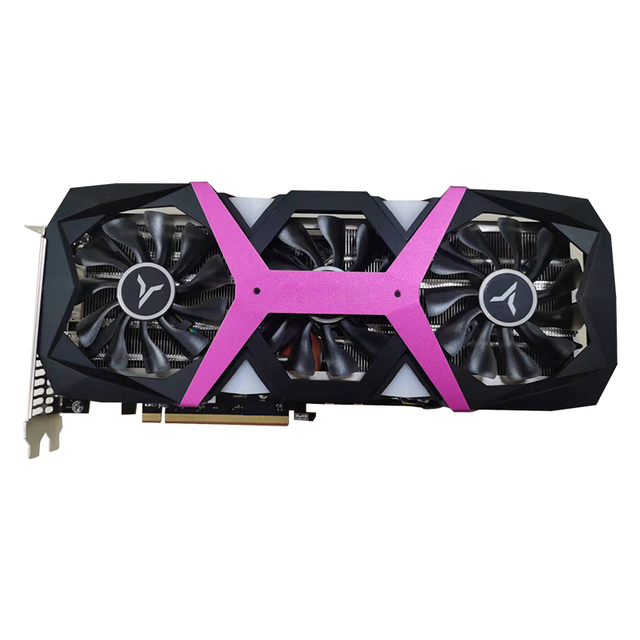
AMD Radeon RX6600XT Graphic Card Video Card for Sales
 Shenzhen Itzr Technology Co., Ltd.verified🇨🇳CN22 yrs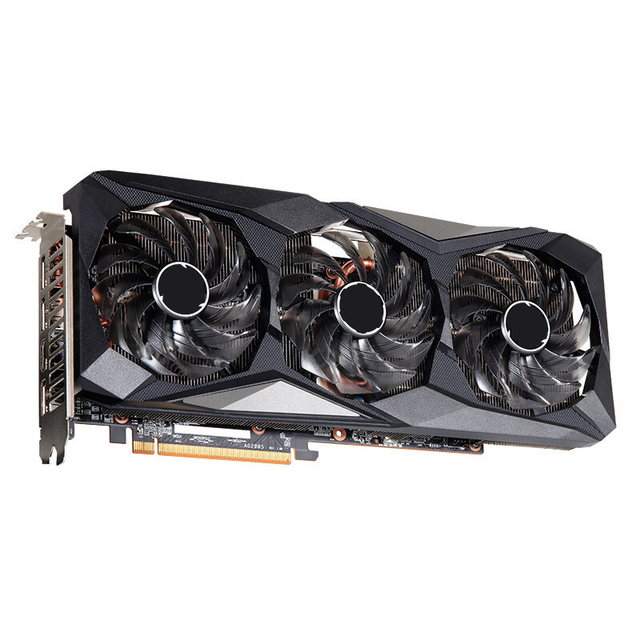
RADEON RX6700 XT Graphics Card 12GB GPU GDDR6 192Bit Computer VGA Gaming Graphic Video Cards for PC
 Dongguan Cooling Electronic Technology Co., Ltd.verified🇨🇳CN5 yrs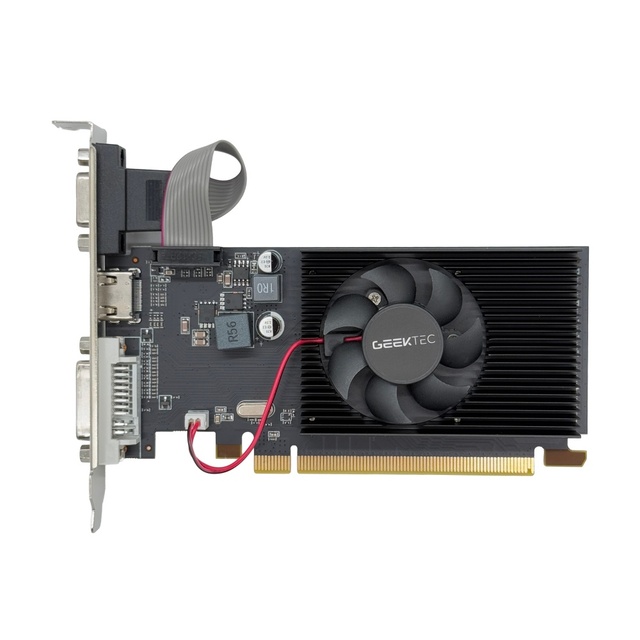
GEEKTEC Radeon R5 220 2GB DDR3 GPU 64bit R5220 PC Low Profile Stable High Performance Graphics Card with Cooling Fan
 Zhejiang Geektec Technology Co., Ltd.verified🇨🇳CN1 yr
Hot Selling New Radeon RX 580 8GB Graphics Card Elegant White Exterior with 256-Bit GDDR5 6Pin Desktop Gaming Video Card AMD GPU
 Boluo Xurong Electronics Co., Ltd.verified🇨🇳CN5 yrs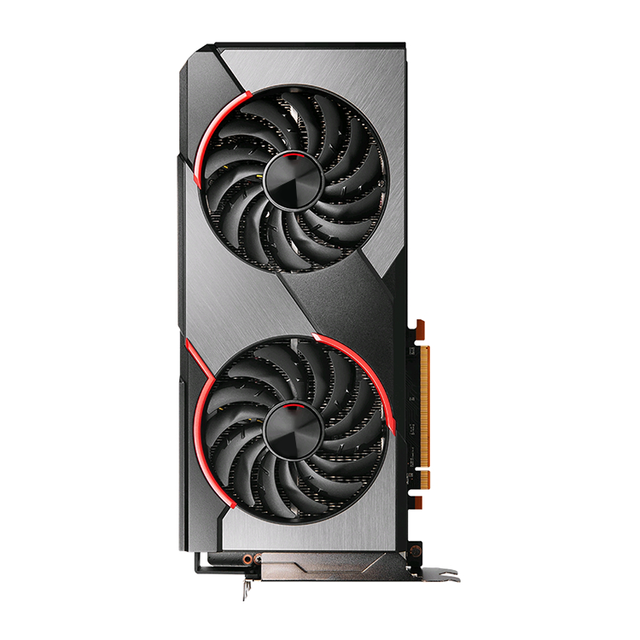
Hot Selling GPU Computer Game Screen VGA DVI Video Card Graphics Card RX 580 8GB RX580
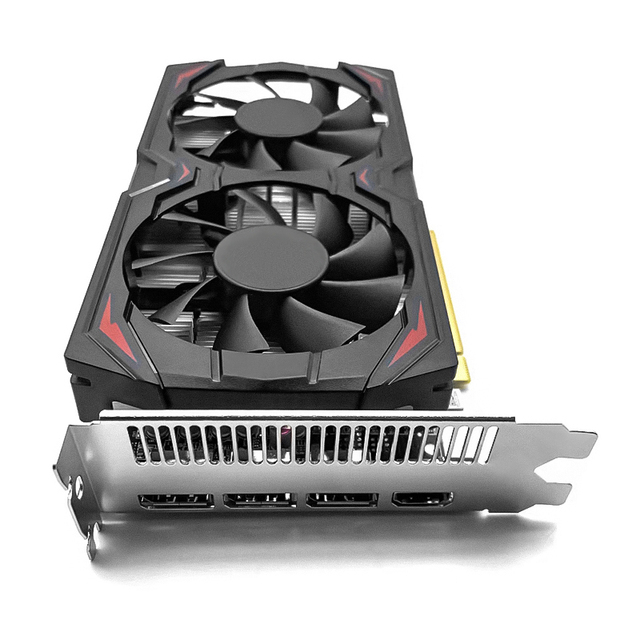
Rx 580 8Gb Amd Gpu Graphic Card for Desktop Gaming 2048Sp Gddr5 Vga Video Display Card 256Bit Rx580 Discrete Graphics Cards
 Dongguan Hongyi Hardware Electronic Technology Co., Ltd.verified🇨🇳CN6 yrs
Gaming GPU Video Cards RX 580 8GB Graphics Card
 Guangzhou Jinjie Network Technology Co., Ltd.verified🇨🇳CN4 yrs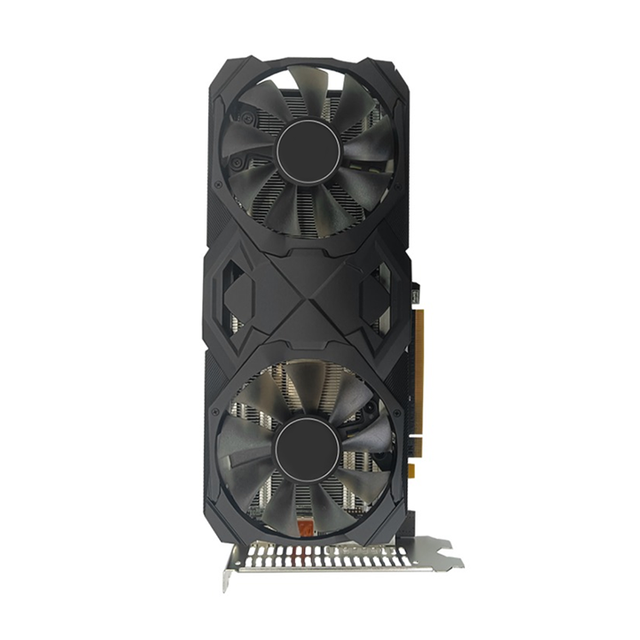
Low Price RX 580 8GB Graphics Cards RX580 4gb 8 GB Graphics Card for PC Gaming GPU
 Global Hightech Import & Export Company Limitedverified🇨🇳CN17 yrs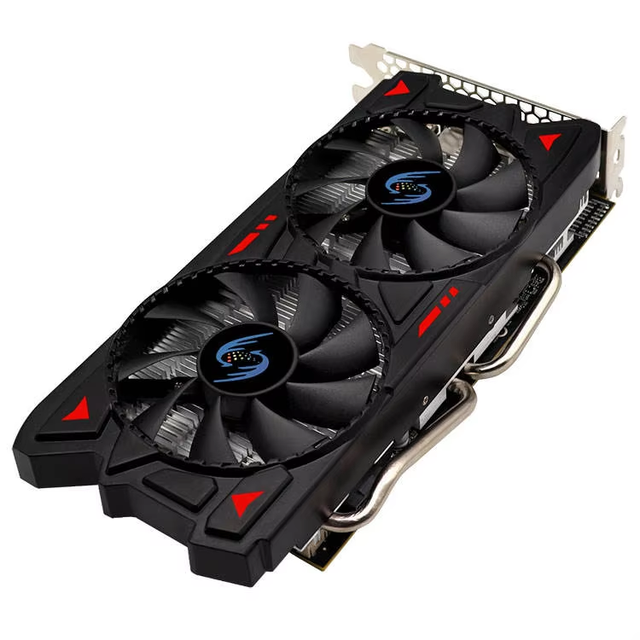
New Graphics Cards Gaming Video Card for Desktop Computer RX580 8GD5 Graphic Card
 Shenzhen Tianfeng International Technology Co., Ltd.verified🇨🇳CN6 yrs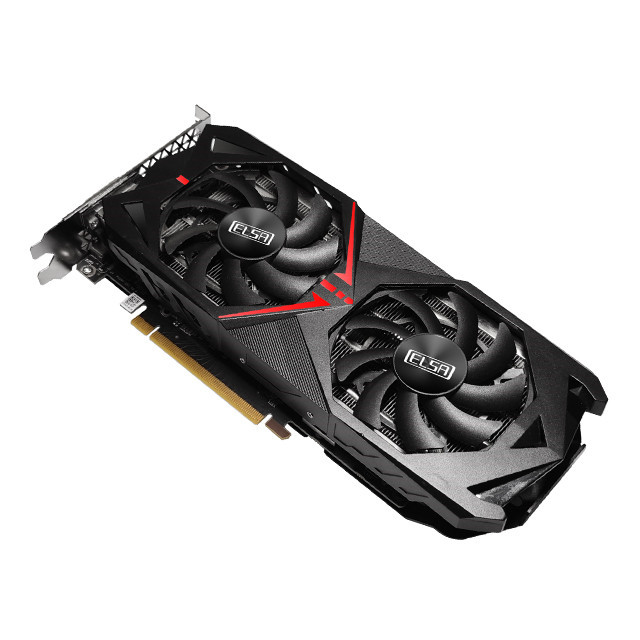
Good Quality Free Gaming Graphics Running Fast Capacity Optional Multifunction Graphic Card
 Shenzhen Itzr Technology Co., Ltd.verified🇨🇳CN7 yrs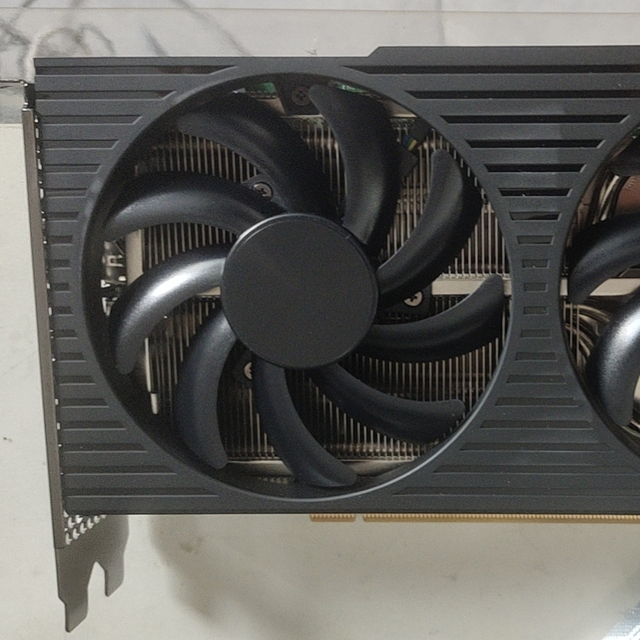
Original GPU Cards RTX 3060ti 12G Graphics Card
 Wuhan Xinqidian Technology Group Co., Ltd.verified🇨🇳CN4 yrs
Original GPU Cards RTX 3060ti 12G Graphics Card
Deep Dive · Full Report
Full Market Report
1 document · Live-fetched from source
Related Searches
Explore more sourcing topics & related categories
Sources & References
27 sources cited · Verified industry data & reports
Radeon - Wikipedia
en.wikipedia.org
Radeon (/ˈreɪdiɒn/) is a brand of computer products, including graphics processing units, random-access memory, RAM disk software, and solid-state drives, produced by Radeon Technologies Group, a division of AMD. The brand was launched in 2000 by ATI Technologies, which was acquired by AMD in 2006 for US$5.4 billion. ATI/AMD have developed different technologies, such as TruForm, HyperMemory, HyperZ, XGP, Eyefinity for multi-monitor setups, PowerPlay for power-saving, CrossFire (for multi-GPU) or Hybrid Graphics. A range of SIP blocks is also to be found on certain models in the Radeon products line: Unified Video Decoder, Video Coding Engine and TrueAudio. The following table shows the graphics and compute APIs support across ATI/AMD GPU microarchitectures. Note that this table include microarchitectures used in ATI products prior to Radeon, and a branding series might include older generation chips. AMD FirePro – brand for professional product line based on Radeon GPUs up to the AMD Radeon Rx 300 series · AMD Radeon Pro – successor to FirePro and launched alongside the AMD Radeon 400 series · AMD FireStream – brand for stream processing and GPGPU based on Radeon GPUs ... 1 2 "AMD creates graphics-focused Radeon Technologies Group, taps Raja Koduri for GPU czar". PC World. Archived from the original on 11 September 2015. Retrieved 11 September 2015. ↑ "ATI to be re-branded as AMD".
The 30 Year History of AMD Graphics, In Pictures | Tom's Hardware
www.tomshardware.com
In 2000, ATI switched to the Radeon branding still in use today. The first member of that family was simply called the Radeon DDR, and it was based on the R100 GPU. The R100 was an evolution of the Rage 128 Pro, but it featured a hardware Transform and Lighting (T&L) engine. My second was a Radeon 3850 AGP, while my brother went with a nVidia card. I sold the 3850 with the other parts, working, on eBay mid last year....my brothers nVidia card barely outlasted the warranty. Next came my 6870, which I got in 2010 and tried crossfire in 2015, but ended up upgrading to a R9 390 as the 6870's ran into memory issues. I know a lot of people complain about AMD/ATI drivers, but I've had more issues with nVidia driver (especially recently) than any AMD. ATI entered the graphics card market in 1986, and it continued to operate independently until 2006. Even after its acquisition by AMD, products were sold under the ATI brand for several more years. I still have a 5870 in production. Great card. And six miniDP ports on one card is great for the workstation it's in. I'm sad to see no current flagships with the same configuration, I may have to do two graphics cards or get an unneeded professional series card at upgrade time. Reply ... This sentence doesn't make a lot of sense "All-in-Wonder 8500 close to the performance of AMD's Radeon 8500, which was enough to compete against Nvidia's GeForce 3." Reply
25 Years of Radeon Graphics: From ATI to AMD
www.guru3d.com
Since its inception in 2000 by ATI Technologies, the Radeon brand has represented a significant milestone in the evolution of computer graphics. The roots of this technology can be traced back to ATI’s earlier innovations, such as the Wonder series (launched in 1986) and subsequent families like Mach and 3D Rage. Early products such as the Rage 128 and Rage Pro combined 2D and 3D acceleration, setting a technical foundation that would support more advanced graphics processing in the future. Following the acquisition of ATI by AMD in 2006, the Radeon brand continued to develop under the AMD banner, with the Radeon HD 6000 series marking the official transition in 2010. Over the years, the GPU market has experienced considerable flux, with numerous third-party manufacturers entering and exiting the field. Current indications suggest that after the Navi 4 series, AMD will transition to the UDNA architecture. Each change in the underlying architecture—from TeraScale to GCN and RDNA—reflects a deliberate strategy to meet escalating performance requirements, support newer memory technologies, and provide advanced features demanded by both gaming and data center applications. Market consolidation and strategic rebranding have also played a critical role in the Radeon narrative.
The History of AMD Graphics
www.geekom.co.uk
This strategic acquisition was a game-changer for AMD, as it allowed the company to diversify its product offerings to include high-performance GPUs. The integration of ATI’s technology enabled AMD to develop integrated graphics processing units (IGPUs) and central processing units (CPUs) with integrated graphics. This capability became a key differentiator for AMD, allowing it to compete more effectively in the market. Today, AMD’s Radeon brand stands as a formidable competitor to Nvidia’s GeForce, solidifying AMD’s position in the discrete GPU market. After the ATI acquisition, AMD introduced the Radeon HD 2000 and Radeon HD 3000 series. These added DirectX 10 and DirectX 10.1 support, as well as improved performance and power efficiency. This generation also added support for the latest API (Application Programming Interface). AMD’s entry into GPUs came with its acquisition of ATI in 2006. ATI developed the Rage series of embedded GPUs from 1996 through 2000. These provided an initial entry into 3D acceleration, enhanced 3D capabilities and Direct3D support. The Rage 128 (1998) improved 3D rendering. In 2000, ATI introduced the Radeon 7000 series, which further improved 3D performance and offered support for DirectX 7. As with PCs and CPUs, AMD’s GPUs have undergone an evolution over time. AMD was founded in 1969, and for most of the 70s, it focused on logic chips, RAM, and other microprocessors. By the 1980s, AMD was producing x86 CPUs for Intel, and in the early 90s, reverse-engineered a clone of the 8086. During the late 90s and early 2000s, AMD focused on its Athlon CPU. AMD’s significant entry into the graphics processing market began in the early 2000s with the acquisition of ATI Technologies, a renowned Canadian graphics processing unit (GPU) manufacturer.
AMD GPU: History of Computer Graphics
www.geekompc.com
After the ATI acquisition, AMD introduced the Radeon HD 2000 and Radeon HD 3000 series. These added DirectX 10 and DirectX 10.1 support as well as improving performance and power efficiency. This generation also added support for the latest API (Application Programming Interface). AMD’s entry into GPUs came with its acquisition of ATI in 2006. ATI had developed the Rage series of embedded GPUs, from 1996 through 2000. These provided an initial entry into 3D acceleration, enhanced 3D capabilities, and Direct3D support. The Rage 128 (1998) improved 3D rendering. In 2000, ATI introduced the Radeon 7000 series, which further improved 3D performance and offered support for DirectX 7. The Radeon HD 4000 and Radeon HD 5000 series (2008-2009) boosted performance to 1TFLOP (Trillions Of Operations Per Second), used GGGR5 memory which had a wider bandwidth, provided DirectX 11 support, introduced Eyefinity Technology which enabled support for multiple displays from a single GPU, and added Tessellation which improved the realism of 3D models. The next model in the Radeon line, the Radeon HD 7000 improved parallel processing. The Radeon RX 400 and RX 500 (2016-2018) enhanced support for VR (Virtual Reality) applications and offered higher clock speeds for improved performance. The RX Vega series (2017-2018) enhanced compute performance and capabilities necessary for the emerging AI and machine learning application being developed. In 2019, AMD introduced the RDNA and RDNA2 architecture in the Radeon RX 5000 and RX 6000 series.
The history of the Radeon brand: From ATI to AMD and the impact ...
gagadget.com
It's scary to say, but the Radeon brand first appeared in the headlines of the world's press exactly a quarter of a century ago. The R100 chip sold under this brand was released in April, but there was a legal ban on publishing reviews and tests until August, so the new brand appeared in the press in late summer. Explore the history of the Radeon brand, which first appeared 25 years ago, its evolution from ATI Technologies to the acquisition by AMD, and its impact on desktop and mobile graphics. Similarly to the main competitor, to emphasise the significance of the changes, the company abandoned the old name of the video cards and released a new product under the Radeon brand. At the time, no one could have imagined that this brand would outlive the company. In 2002, ATI launched the Imageon line of mobile graphics chips, which was in tune with Radeon. In 2005, the company's founder Kwok Yuen Ho resigned and in less than a year, it was bought by AMD for $5.4 billion. Imageon was bought by Qualcomm, an American manufacturer of ARM processors, which did not keep the brand but used the name Adreno, which is an anagram of the word Radeon. Despite the financial problems, AMD managed to maintain the production of video cards, which kept the entire company afloat in times of problems in the processor division. In 2011, the ATI brand and legal entity were closed, and AMD took over the business.