Barcode Scanner With Data Recorder

Overview
Product sourcing insights & recommendations
The phrase 'barcode scanner with data recorder' (often termed 'data collectors' or 'inventory terminals') refers to a rapidly evolving segment of the AIDC market. Driven by the global shift toward 2D barcodes and AI integration, the market is projected to reach approximately $9.1 billion by 2026 at a CAGR of 6.2% Futuremarketinsights360Iresearch.
Market Trends & Insights (2026 Forecast)
* The 2D Migration: A major driver is the global retail shift toward 2D barcodes (QR codes, DataMatrix), which carry significantly more data (batch, expiration) than 1D codes. This is forcing a hardware refresh for legacy laser-based systems Futuremarketinsights.
* AI-Enhanced Capture: Modern scanners now leverage AI and machine learning to decode damaged or low-contrast labels and flag inconsistent serialization data before it enters the workflow 360IresearchMarketresearchfuture.
* Regional Dominance: North America remains the market leader due to advanced retail and healthcare infrastructure, while the Asia-Pacific region (led by China and India) is the fastest-growing due to massive logistics digitization PersistencemarketresearchWorldwidemarketreports.
Product Analysis & Consumer Pain Points
* Consumer Pain Points: Integration challenges with legacy ERP/POS systems affect 35% of potential users, while connectivity "dead zones" in large warehouses remain a key technical hurdle Businessresearchinsights.
* B2B Product landscape: Current sourcing options emphasize wireless connectivity (Bluetooth 5.0+), offline data storage (typically 900K to 4G memory), and integrated displays for real-time validation AlibabaAlibabaAlibaba.
* Top Performance Tags: High-selling consumer models are primarily praised for easy setup (16.7%), long battery life (10.2%), and reliable performance AmazonAmazon.
Wireless Barcode Collector With Data Recording Function
Products · 3 lists
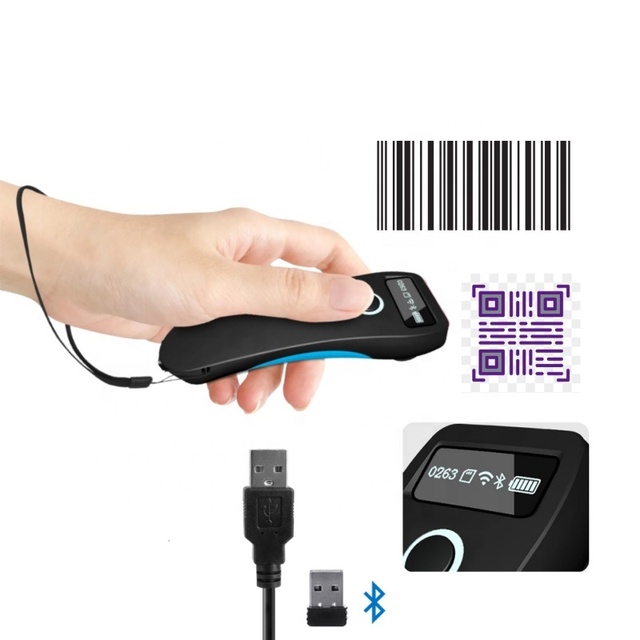
Portable Data Visible Wireless Pen Scanner Hospital Inventory Hands-free 1D 2D QR Code Barcode Scanner
 GJY SOLUTION LIMITED🇭🇰HK3 yrs
Industrial Handheld Mobile PDA Scanner 1D 2D Barcode 2.8 Inch Screen Wireless Data Collector
 Shenzhen Chixian Technology Co., Ltd🇨🇳CN7 yrs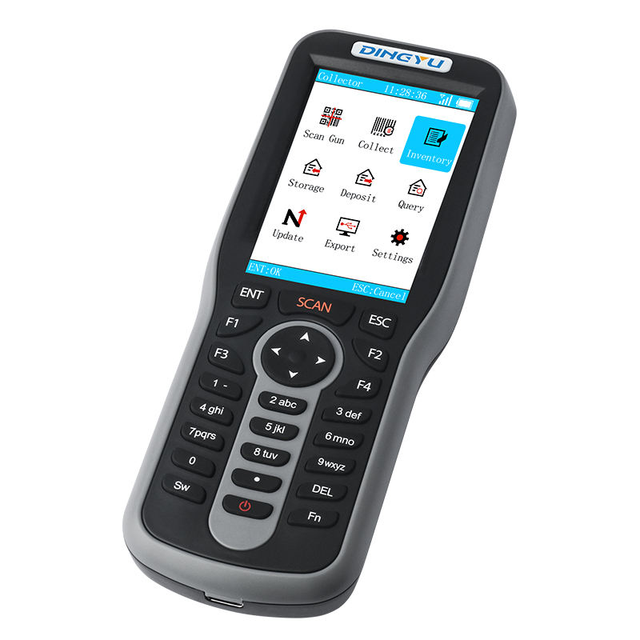
DI9202-2D Warehouse High Performance Wireless PDA CMOS 2D Barcode Scanner Data Collector
 Dongguan DYscan Technology Co., Ltd.verified🇨🇳CN10 yrs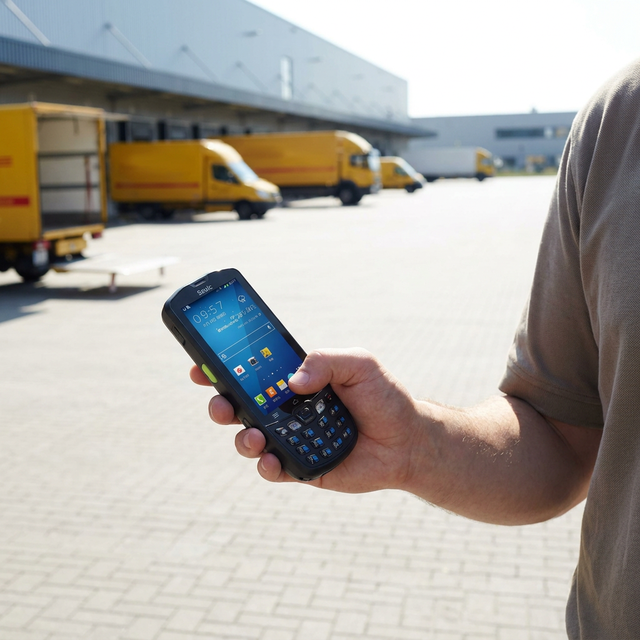
Barway Wireless Android PDA Scanner USB Interface Auto-Scan Flatbed Barcode Data Collector System Stock 1-Year Warranty for
 Nanjing Barway Technology Co., Ltd.🇨🇳CN7 yrs
M52 Android Barcode Scanner Reader Data Collector Wireless Mobile Data Collector Device
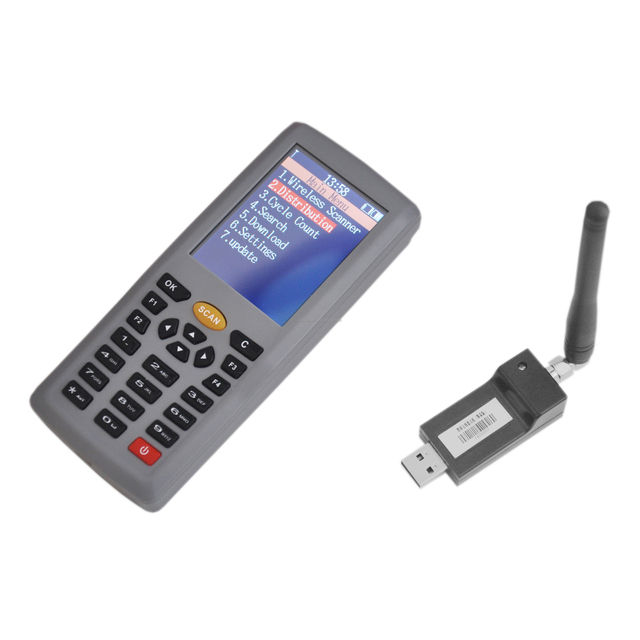
AK-9800 Data Collector for Inventory Color Screen Wireless Barcode Scanner POS Supermarket
 Shanghai Aokia Technology Co., Ltd.🇨🇳CN13 yrs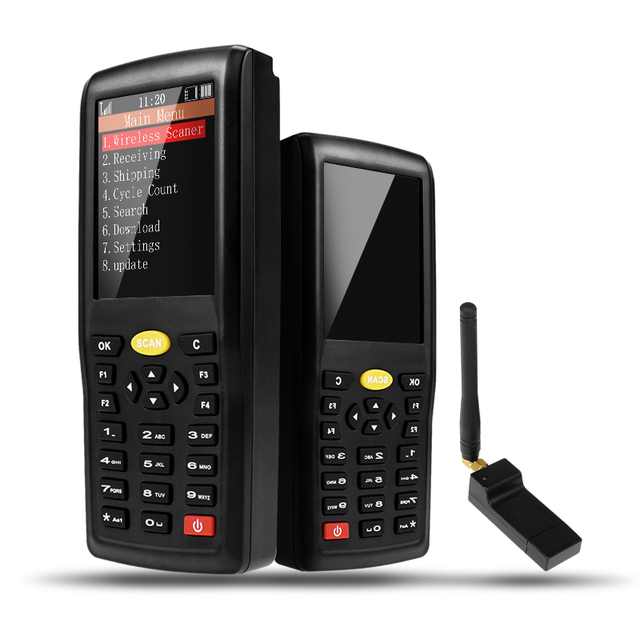
NT-C9 1D 2D Portable Wireless Laser Barcode Data Collector in PDAs
 Guangzhou Netum Electronic Technology Co., Ltd.verified🇨🇳CN15 yrs
JR RF6000-1D Wireless Barcode Data Collector Pda Data Collector 2.4G Long Transmission Distance Inventory Scanner
 Shenzhen Jingrui Hengtong Electronics Co., Ltd.verified🇨🇳CN5 yrs
Eyoyo 1D Wireless Barcode Scanner, Handheld Data Collector Inventory Counter Scanner with USB Receiver and 2.2 Inch TFT LCD
 Shenzhen Blueskysea Technology Co., Ltd.,🇨🇳CN16 yrs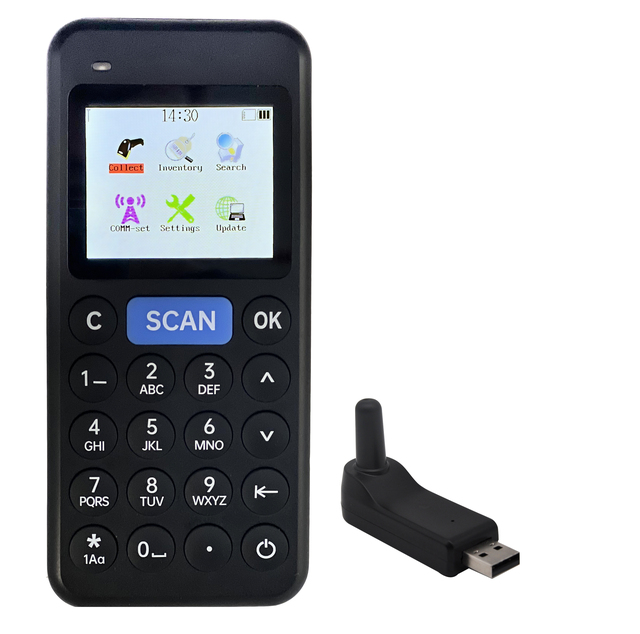
HENEX H9R Rugged Wireless Handheld Scanner BT 1D 2D Barcode Reader Data Collector for Warehouse Inventory in Stock
 HENEX (GUANGZHOU) TECHNOLOGY CO.,LTD🇨🇳CN8 yrs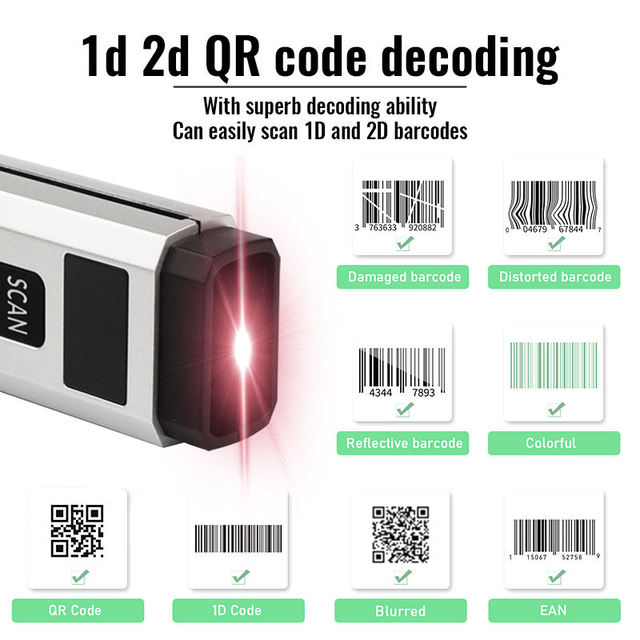
SHUNQI Mini Wireless 1D 2D Barcode Scanner Pocket CMOS Data Collector for Warehouse Inventory Stock Management
 Shenzhen Shunqi Electronic Equipment Co., Ltd.🇨🇳CN1 yr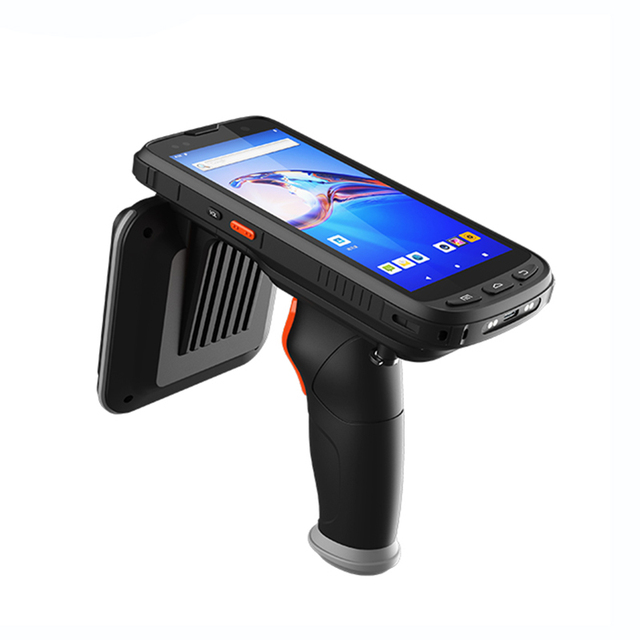
Portable Wireless Android UHF RFID Reader Handheld Barcode Scanner with Display for Inventory
 Shenzhen Fonkan Technology Co., Ltd.🇨🇳CN9 yrs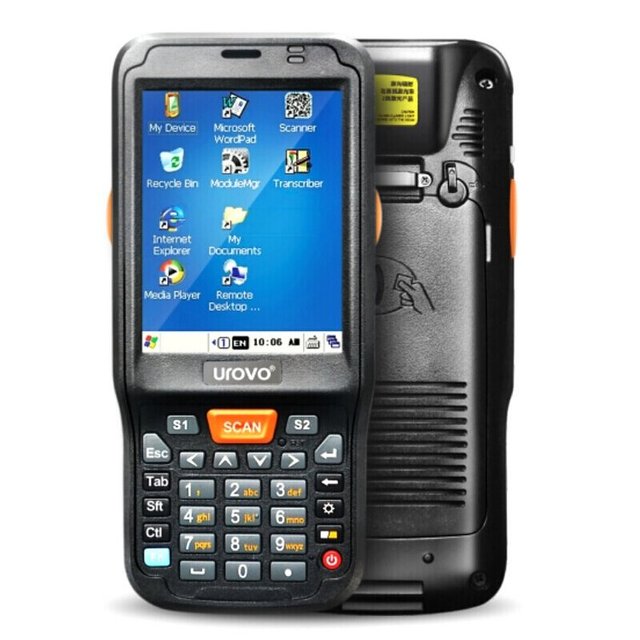
I6100S Rugged Phone Barcode Pda Win CE6.0 Scan Data Collector Handheld Computer Wireless Barcode Data Collector
 Suzhou Dellege Electronic Technology Co., Ltd.🇨🇳CN10 yrs
Portable Handheld PDA Scanner Laser Barcode 433MHz Wireless Data Collector HS-E7
 Shenzhen HCC Technology Co., Ltd.verified🇨🇳CN11 yrs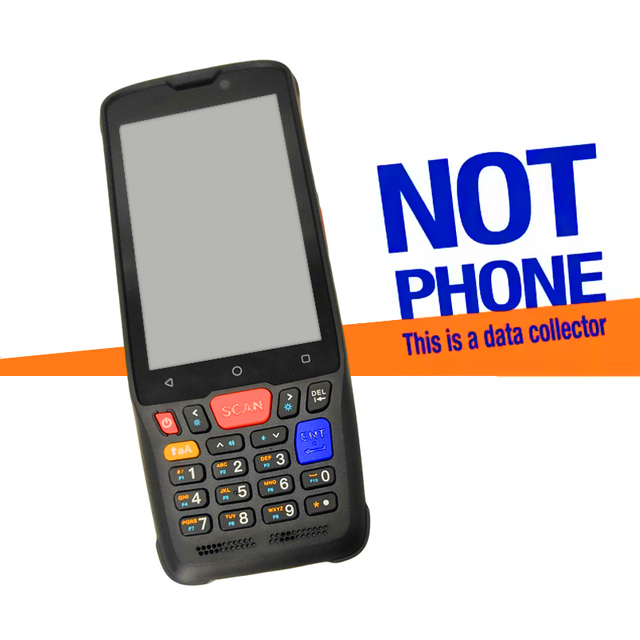
LONVILL Wireless Handheld Data Collector 2d Barcode PDA Mobile Terminal for Logistic
 Guangzhou Jingxin Technology Co., Ltd.verified🇨🇳CN6 yrs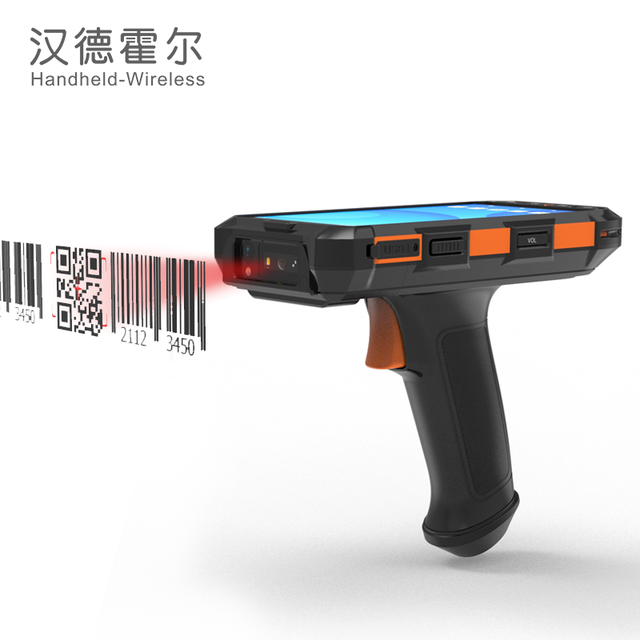
Android Barcode Scanner PDA Handheld Data Collector Terminal PDAS Wireless NFC Smart Card Reader for Access Control Inventory
 Shenzhen Handheld-Wireless Technology Co., Ltd.verified🇨🇳CN11 yrs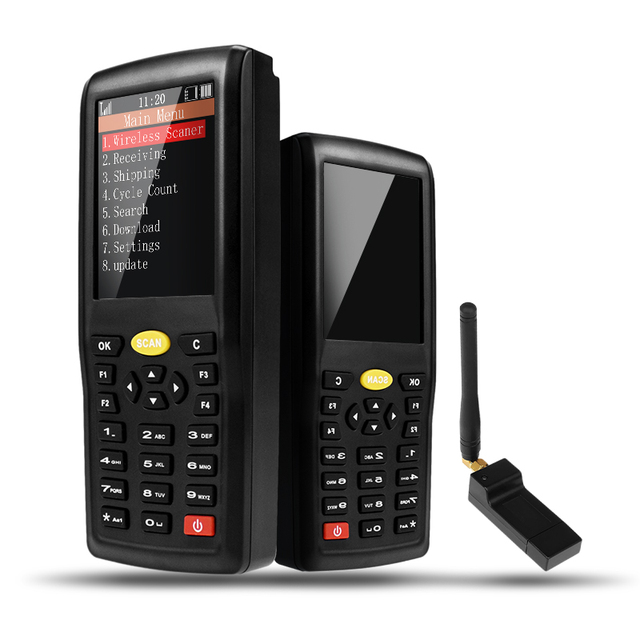
E7 1D 2D Portable Wireless Laser Barcode Data Collector Smartphone QR Scanner with T9 Keyboard Palm OS 2.4" 240x320 Stock
 Guangzhou Lanyou Electronic Technology Co., Ltd.🇨🇳CN6 yrs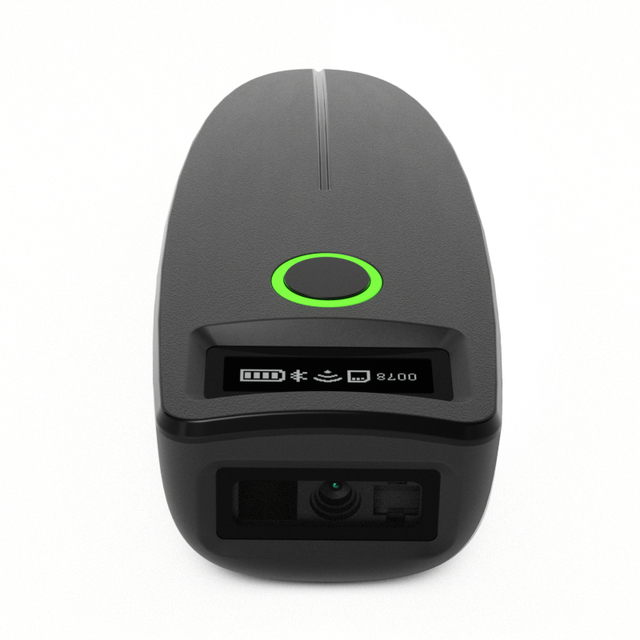
Cheap 2d Cmos Portable Online Toy Stock Counting Wireless Barcode Scanner Bar Code Reader
 Guangzhou Holyhah Intelligent Technology Co., Ltd.🇨🇳CN4 yrs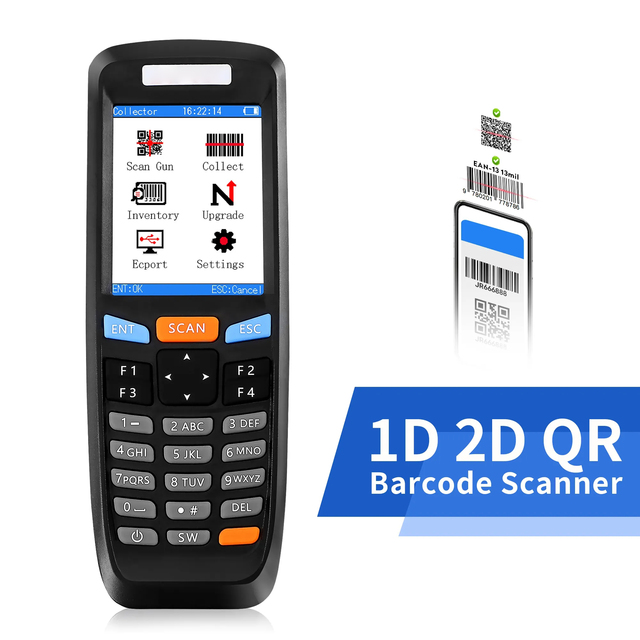
2D QR Wireless Barcode Scanner Data Collector 4G Memory Android WiFi Handheld PDAs for Warehouse Inventory Management in Stock
 Shenzhen Ayan Technology Co., Ltd.🇨🇳CN4 yrs
Wireless USB Barcode Scanner for Warehouse Inventory Data Collection POS Systems-in Stock
 Guangzhou Luckydoor Electronic & Equipment Co., Ltd.verified🇨🇳CN9 yrs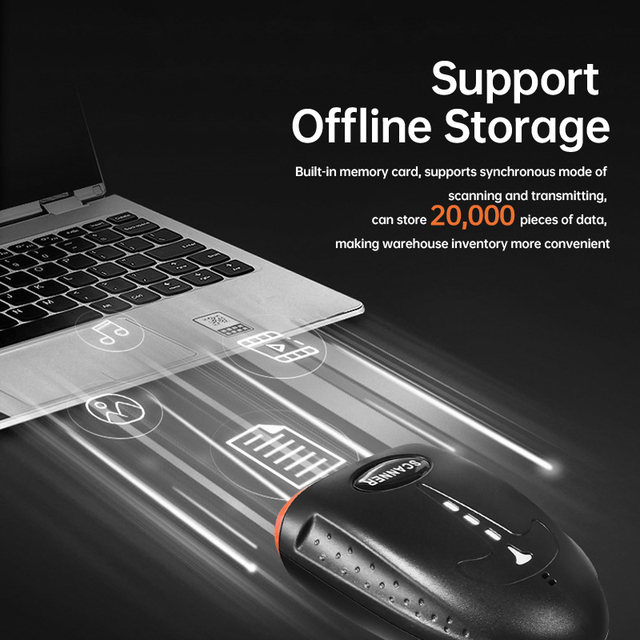
Wired Wireless Bluetooth Barcode Scanner 1D 2D Imager Readers Alphanumeric Special Character Mixed Codes
 Tianjin Wavecreating Micro Intelligent Technology Co., Ltd.verified🇨🇳CN5 yrs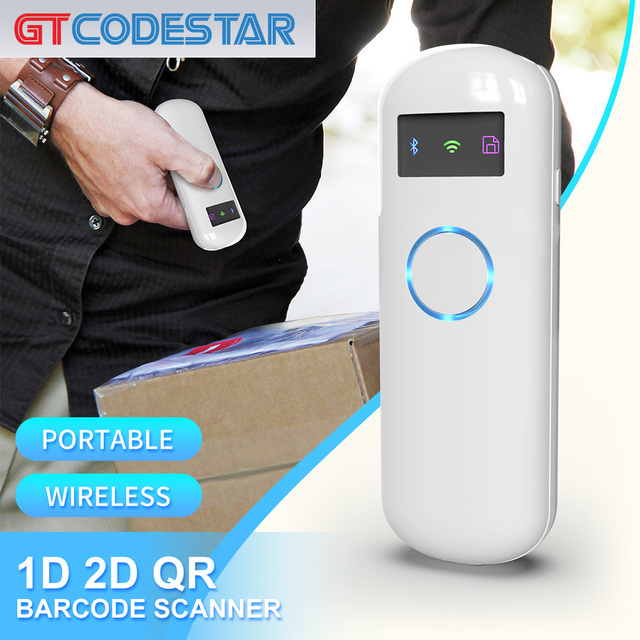
GTCODESTAR 1D 2D Mini Barcode Scanner Portable Wireless Barcode Reader QR Code Scanner Scanning Gun for Supermarket
 Foshan Xincode Electronics Technology Co., Ltd.verified🇨🇳CN10 yrs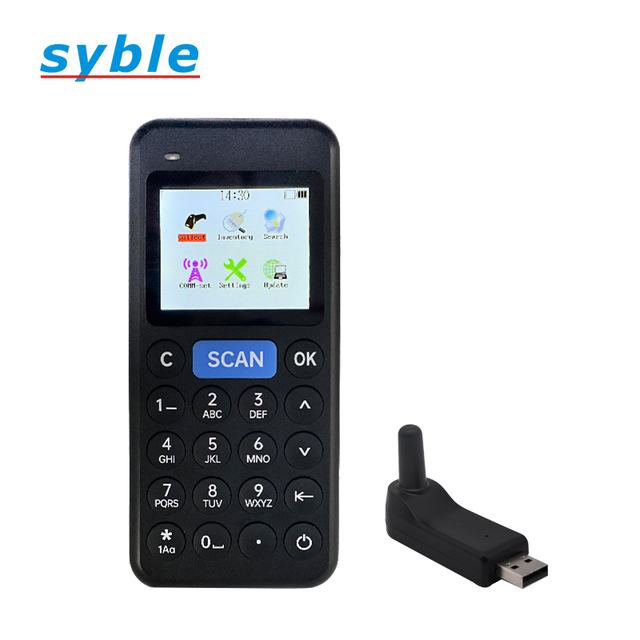
XB-A19 Syble Advance Decoding Handheld Inventory Checking Device 2D Wireless Barcode Scanner with Screen
 GUANGZHOU SYBLE CO., LTDverified🇨🇳CN11 yrs
Related Searches
Explore more sourcing topics & related categories
Sources & References
19 sources cited · Verified industry data & reports
Global Barcode Scanners Market - Analysis of Key Trends, Regional ...
www.futuremarketinsights.com
GS1 stated in its May 2026 retail scanner playbook that migration to 2D barcodes may require software updates and can require equipment upgrades when point-of-sale scanners are not already imager-based. That transition links scanner replacement to system readiness and code-processing capability instead of transaction growth alone. ... Barcode scanner demand expands where physical transactions must be connected reliably to enterprise records across retail and logistics, as well as regulated workflows. China: Demand for barcode scanners is forecast to grow at 6.2% CAGR from 2026 to 2036 as parcel and retail networks require repeated identification across sorting and dispatch points. China reported 216.5 billion postal delivery items in 2025, including 199 billion express parcels, which keeps scan throughput relevant across logistics nodes. India: Barcode-scanner demand is projected to rise at 6.0% CAGR through 2036 as logistics systems connect more physical events with digital records across transport networks. USD 9.1 billion in 2026 and USD 16.6 billion by 2036 at a 6.2% CAGR. Demand for barcode scanners is projected to expand at 6.2% CAGR between 2026 and 2036, increasing valuation from USD 9.1 billion in 2026 to USD 16.6 billion by 2036. Area Imager is estimated at 39.0% of Scanning Technology demand in 2026, while 2D accounts for 57.0% by Barcode Dimension as richer symbols require image-based capture. Wireless is forecast at 59.0% of Connectivity demand in 2026; Retail accounts for 36.0% by End Use.
Barcode scanner Worldwide Market Reports
www.worldwidemarketreports.com
The Barcode Scanner market is estimated to be valued at USD 5.8 billion in 2026 and is expected to reach USD 9.6 billion by 2033, growing at a compound annual growth rate (CAGR) of 7.8% from 2026 to 2033. This growth reflects the increasing adoption of barcode scanning technology across various industries, driven by advancements in automation, retail optimization, and supply chain management. The rising demand for efficient inventory tracking and real-time data analytics further propels market expansion during this period. Market trends indicate a significant shift toward integrating barcode scanners with IoT and mobile technologies, enhancing connectivity and data sharing capabilities. This report incorporates the analysis of factors that augments the market growth. Report presents competitive landscape of the global market. This also provides the scope of different segments and applications that can potentially influence the market in the future. The analysis is based on current market trends and historic growth data. Want us to send you latest updates of the current trends, insights, and more, signup to our newsletter (for alerts, special offers, and discounts). Linear barcode scanners, also known as 1D scanners, are highly favored across various industries due to their ability to quickly and accurately read traditional linear barcodes commonly used in retail, logistics, and inventory management.
Barcode scanner Market Analysis 2026–2035 | Strategic Insights
www.businessresearchinsights.com
This reflects a compound annual growth rate CAGR of 3.07% between 2026 to 2035. I need the full data tables, segment breakdown, and competitive landscape for detailed regional analysis and revenue estimates. Download Free Sample · The barcode scanner market is a crucial section of the worldwide automatic identification and records seize (AIDC) enterprise. Additionally, the rise of click-and-acquire services, self-checkout systems, and cellular fee answers has fueled the call for barcode scanners in each on line and offline retail environments. Retailers are integrating AI-powered barcode scanning era in mobile apps, permitting clients to scan and purchase products the usage of their smartphones. The growing emphasis on automation and real-time records tracking keeps to propel market call for. The barcode scanner market continues to grow step by step, driven by using technological improvements, growing automation, and the rising demand for green records tracking answers. Key Market Driver: Over 60% of retail and logistics industries adopt barcode scanners to enhance inventory management efficiency. Major Market Restraint: About 35% of potential users cite integration challenges with legacy systems as a market growth barrier. Emerging Trends: Wireless and mobile barcode scanners contribute to nearly 42% of recent market expansion due to portability demand.
Barcode Scanners Market - Share, Size and Industry Analysis
www.coherentmarketinsights.com
The global barcode scanners market is estimated to be valued at USD 9,206.5 Mn in 2026 and is expected to reach USD 16,192.0 Mn in 2033, exhibiting a compound annual growth rate (CAGR) of 8.4% from 2026 to 2033. Based on Product Type, the Portable/handheld segment is expected to hold 82.9% of the market share in 2026, due to their versatility, ease of use, and ability to improve operational efficiency across multiple industries. Based on End Use, the Retail & Commercial segment is projected to account for the largest share of the barcode scanners market in 2026, due to the critical need for speed, accuracy, and efficiency in daily operations. Based on Technology, the Laser Scanner segment is expected to capture the highest share of the barcode scanners market in 2026, due to their speed, accuracy, and reliability in reading barcodes across various environments. In terms of technology, the laser scanner segment is projected to hold the largest share of the barcode scanners market in 2026, due to their speed, accuracy, and reliability in reading barcodes across various environments. Unlike other types of scanners, laser scanners can quickly read long-range and high-density barcodes, making them ideal for high-volume applications in retail, logistics, and manufacturing.
2D Barcode Reader Market Size & Share Report, 2025-2030
www.grandviewresearch.com
Size, Share, & Trends Analysis Report By Product (Handheld, Fixed), By Application (Warehousing, Logistics, E-commerce & Retail, Factory Automation), By Region, And Segment Forecasts ... The global 2d barcode reader market size was valued at USD 8.1 billion in 2024 and is projected to grow from USD 9.3 billion in 2026 to USD 13.6 billion by 2030, at a CAGR of 9.4% from 2025 to 2030. This report forecasts revenue growth at global, regional, and country levels and provides an analysis of the latest industry trends in each of the sub-segments from 2018 to 2030. For this study, Grand View Research has segmented the global 2D barcode reader market report based on product, application, and region: Product Outlook (Revenue, USD Billion, 2018 - 2030) ... The global 2d barcode reader market size was valued at USD 8.1 billion in 2024 and is estimated at USD 9.3 billion for 2026. The 2D barcode reader industry in Europe is growing significantly at a CAGR of over 6% from 2025 to 2030. In Europe, the growing emphasis on Industry 4.0 and the adoption of smart manufacturing practices are key trends in the market. The region's focus on sustainable and efficient supply chain operations also fosters the adoption of advanced barcode scanning technologies. The following are the leading companies in the 2D barcode reader market. These companies collectively hold the largest market share and dictate industry trends.
Barcode Scanners Market Size & Share 2026-2032
www.360iresearch.com
Both 1D and 2D barcode scanning remain relevant, while QR codes, Data Matrix, GS1 standards, and direct part marking are gaining importance in regulated and asset-intensive environments. Organizations are prioritizing ruggedness, connectivity, decoding accuracy, battery life, ergonomics, cybersecurity, and integration with enterprise resource planning, warehouse management, point-of-sale, electronic health record, and transport management systems. The barcode scanners landscape is being reshaped by the shift from standalone hardware procurement to connected, software-enabled data capture ecosystems. The Barcode Scanners Market size was estimated at USD 8.04 billion in 2025 and expected to reach USD 8.53 billion in 2026, at a CAGR of 7.30% to reach USD 13.18 billion by 2032. Barcode scanners have evolved from simple point-of-sale peripherals into mission-critical data capture systems that connect physical assets, products, patients, parcels, and documents to digital workflows. In healthcare and manufacturing, AI can strengthen traceability by detecting label defects, verifying print quality, and flagging inconsistent serialization data before products move downstream. The impact is cumulative because AI does not replace core barcode standards; it expands scanner reliability, context awareness, predictive maintenance, and integration with analytics platforms. The European Union places strong emphasis on harmonized standards, product safety, pharmaceutical verification, medical device identification, and sustainability-related traceability, encouraging adoption of reliable 2D scanning and enterprise-integrated data capture. BRICS economies show broad use cases across manufacturing, infrastructure, healthcare, agriculture, mining, retail, and digital public systems, with adoption linked to domestic production ecosystems and large-scale supply chain modernization. G7 markets generally display advanced barcode scanner penetration across healthcare, retail, manufacturing, and transport, with strong attention to cybersecurity, interoperability, worker productivity, and automation readiness.