Blank Audio

Overview
Product sourcing insights & recommendations
I have completed an in-depth analysis of the 'blank audio' market and product trends for 2026. The research reveals a surprising "physical media renaissance" where Gen Z is driving a resurgence in cassette tapes due to a desire for tangible ownership and a "lo-fi" aesthetic. Meanwhile, vinyl records have solidified their position as the dominant premium physical format, surpassing $1 billion in revenue in 2025. Blank CD-Rs remain critical for legacy car playback and high-security archival needs, with "vinyl-look" designs emerging as a key aesthetic trend. The full report below provides detailed consumer demographics, market growth forecasts, and strategic B2B sourcing insights for wholesale products.
Based on these trends, you can continue with:
Blank Cd R For Premium Audio Wholesale
Products · 3 lists

Professional Customized Sale Top Music Quality Cd-r Disk with 700mb Blank Cd-r

Original A+ Grade Factory Printable CD-R Music 52X 700MB/80Min Wholesale CD-R Disk Digital Audio White Blank Recordable Disc CD
 Sino-Shanghai Hangzhou Manufacturing🇨🇳CN6 yrs
Wholesale Cheap Music Custom Packaging Compact Blank cd White Inkjet Printable Disk CD-R
 Greentea Shanghai Industries Co., Ltd.🇨🇳CN14 yrs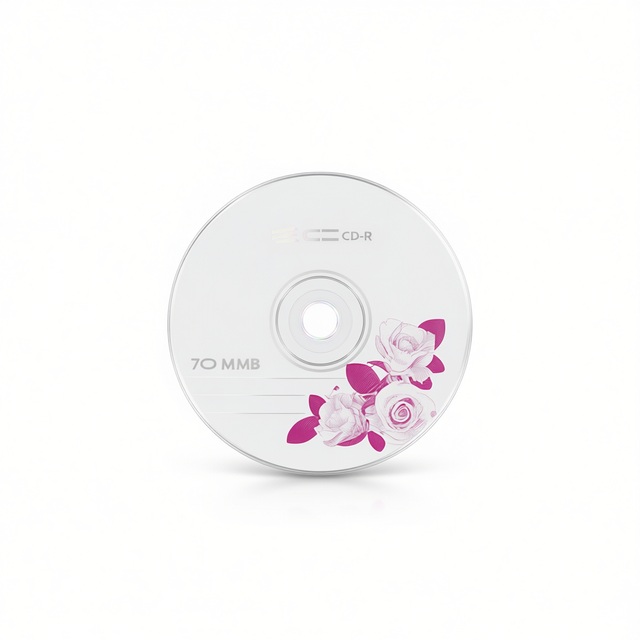
CD-R Discs 700 MB Capacity 52x Write Speed 50-Pack Blank Recordable Media for Personal Use Plastic Material EGTMA Brand
 Goldea Shanghai Industries Co., Ltd.🇨🇳CN1 yr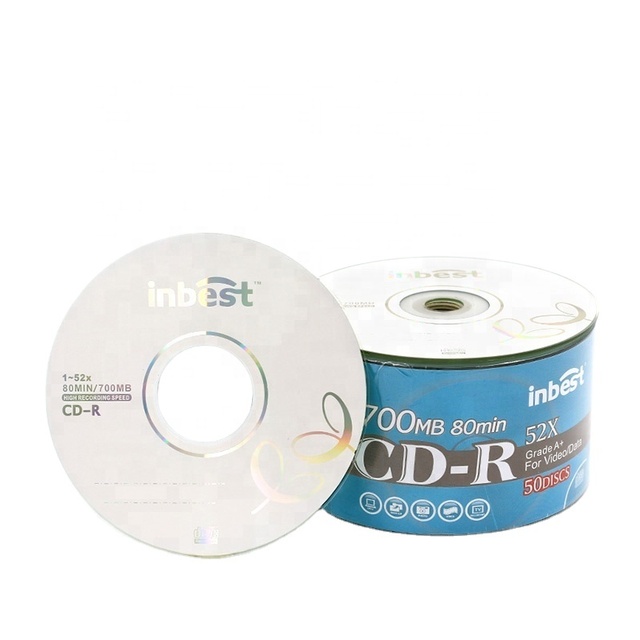
China CDs Audio Disk Blank Cds with Competitive Price CD-R
 Shanghai Goldea International Groupverified🇨🇳CN18 yrs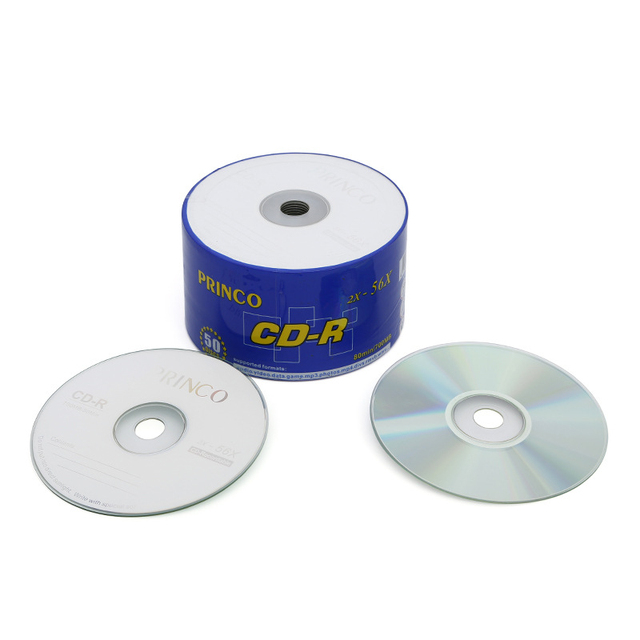
Hot Sale Grade a High Quality CD-R 700MB 52X CD Blank Disks
 Shanghai Oriental Import & Export Co., Ltd.🇨🇳CN6 yrs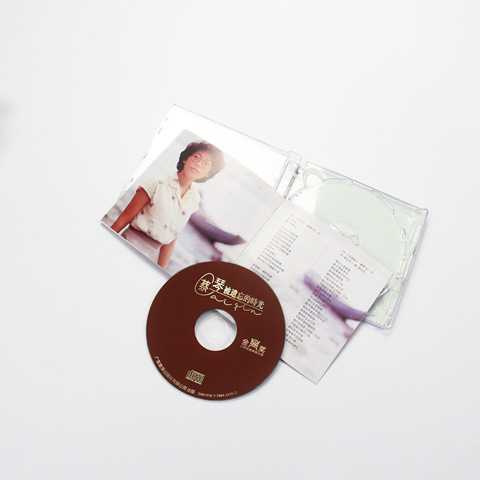
Blank Audio Pick #7 (914527)
Deep Dive · Full Report
Full Market Report
1 document · Live-fetched from source
Related Searches
Explore more sourcing topics & related categories
Sources & References
28 sources cited · Verified industry data & reports
Consumer Audio Market Size, Share & Forecast Report, 2026-2035
www.gminsights.com
Market Size by Product Type, Technology, Connectivity & End Use, Global Forecast. ... The global consumer audio market was valued at USD 58.9 billion in 2025. The market is expected to grow from USD 61.6 billion in 2026 to USD 110.8 billion in 2035, at a CAGR of 6.7% during the forecast period, according to the latest report published by Global Market Insights Inc. The consumer audio market size exceeded USD 58.9 billion in 2025 and is expected to grow at a CAGR of 6.7% from 2026 to 2035, driven by surge in wireless and TWS (True Wireless Stereo) adoption At GMI, our research methodology is built on a foundation of human expertise, rigorous validation, and complete transparency. Every insight, trend analysis, and forecast in our reports is developed by experienced analysts who understand the nuances of your market. These interactions provide strategic, operational, and technical perspectives, enabling well-rounded insights and reliable market forecasts. Data mining is a key part of our research process, contributing nearly 20% to the overall methodology. It involves analysing market structure, identifying industry trends, and assessing macroeconomic factors through revenue share analysis of major players.
Global Audio Equipment Market Report 2026
www.thebusinessresearchcompany.com
Retail And Wholesale Services Social Services Transport Transport Services Utilities Veterinary Healthcare Filter Reports by Trends ... Consultancies Corporate Planning & Strategy Academic Financial Services Legal Services Pricing Methodology Sources FAQ Press Coverage ... Find Customers Optimise Your Marketing Mix Evaluate Competitors Identify Market Opportunities Develop Products And Services
Audio Equipment Market Size & Share Outlook to 2031
www.mordorintelligence.com
Note: Market size and forecast figures in this report are generated using Mordor Intelligence’s proprietary estimation framework, updated with the latest available data and insights as of January 2026. Audio Equipment market size in 2026 is estimated at USD 17.45 billion, growing from 2025 value of USD 16.31 billion with 2031 projections showing USD 24.45 billion, growing at 6.97% CAGR over 2026-2031. Growth reflects a decisive pivot from hardware-centric to software-defined listening, where 5G-enabled low-latency transmission, AI-driven adaptive processing, and sustainable materials reshape value creation. Asia-Pacific holds early-mover advantage in manufacturing scale and 5G deployment, North America leads content production and premium adoption, while Europe drives eco-design compliance. By end user, home entertainment represented 42.30% of the audio equipment market share in 2025; automotive OEM and aftermarket is projected to grow at a 10.05% CAGR between 2026-2031. By distribution channel, online marketplaces captured 35.45% of 2025 revenues, yet direct-to-consumer sales hold the highest projected CAGR at 9.55% through 2031. By price range, mid-range products priced USD 100-499 held 39.55% share of the audio equipment market size in 2025, whereas the premium audiophile tier above USD 1,000 is set to rise at a 9.48% CAGR to 2031. The audio equipment market is segmented by product type (mixers, amplifiers, microphones, audio monitors, and other product types), end user (commercial, automotive, home entertainment, and other end users), and geography (North America, Europe, Asia-Pacific, Latin America, and Middle East and Africa). The report offers the market sizes and forecasts for all the above segments in value (USD) terms. ... It is valued at USD 17.45 billion in 2026.
Home Audio Equipment Market - Price, Size, Share & Growth
www.coherentmarketinsights.com
Countries like China and India are experiencing rapid adoption of smart home devices, with audio systems being integral to this trend. India’s digital maturity saw 71% of employees achieving advanced digital skills by 2026, positioning the region as a key contributor to global demand for home audio systems. ... Akai Electric Co. Ltd ... Dolby Laboratories Inc. Sanyo Electric Co. Ltd. ... JVC KENWOOD Holdings Inc. ... LG Electronics Inc. Interviews with product managers and R&D leaders to discuss AI-driven audio tuning and smart system adoption challenges. Insights from smart home tech providers and IoT experts on advancements in AI personalization and multi-device audio integration. Wireless audio innovations like devices that turn traditional speakers into wireless units signal a shift toward modular, flexible sound setups, meeting diverse home environments and usage patterns reported in 2026 product launches. Furthermore, in April, 2026, according to U.S. BLS data on consumer prices, audio equipment prices have increased ~15.0% year‑over‑year, reflecting strong consumer demand and willingness to invest in premium technologies. These trends show that connectivity, voice tech, and immersive formats (e.g., Dolby Atmos) are driving user expectations and stimulating ongoing industry innovation. Furthermore, Samsung’s 2026 audio ecosystem also expanded with new Wi‑Fi “Music Studio” speakers and enhanced Sound Tower models targeting Asia‑Pacific users, indicating ongoing innovation tailored to regional preferences. These product introductions, supported by broad adoption trends, reinforce Asia‑Pacific’s leadership in home audio equipment. Additionally, 2026 U.S. government figures show total disposable personal income at over USD 23.4 trillion in early 2026, underlining strong consumer spending capacity. These trends signal increased financial capacity to invest in quality speakers, soundbars, and smart audio devices.
The sound-on era: 3 trends shaping advertising in 2026
www.emarketer.com
Audio is no longer a nice-to-have background channel. It’s now the connective thread across media; a nutritious alternative to endless scrolling, steadying fragmented attention, enabling voice-driven interaction, and creating trusted environments in an increasingly synthetic digital world. Spotify and Bold Insight’s new global report, “ · The Sound-On Era,” outlines three shifts redefining how brands will connect with audiences in 2026—and why audio will lead the way. Audio has evolved into a foundational growth channel, driving attention, enabling interaction, and building trust. ... Spotify’s “The Sound-On Era” report to explore the data, expert insights, and strategic implications shaping advertising in 2026 and beyond. As audio evolves from broadcast to dialogue, voice is becoming the new click. The global voice agent market is projected to grow from $2.4 billion in 2024 to $47.5 billion by 2034, according to a Market.us forecast. It’s a trend that merits attention from marketers. Agentic AI is transforming audio into a conversational interface, reducing cognitive load and enabling frictionless paths from discovery to transaction. Growth will come from voice-first markets like India and Brazil, where AI-powered translation and culturally intelligent localization will help brands reach audiences in their preferred language without losing nuance.
Consumer Audio Market Size, Share, Industry Trends, Global Analysis, ...
www.marketresearchfuture.com
“I have been reading the first document or the study, ,the Global HVAC and FP market report 2021 till 2026. Must say, good info! I have not gone in depth at all parts, but got a good indication of the data inside!” · Rob Kooiker Group Product Manager HVAC & Fire Protection GMA This customer base seeks quality sound experiences, leading to the rapid introduction of innovative audio products. On the other hand, Businesses are emerging as a fast-growing segment, increasingly adopting advanced audio technologies for branding and engagement. This trend is fueled by the growing importance of customer experience and the effective use of audio tools in marketing strategies, indicating a shift in how audio solutions are perceived and utilized in various sectors. Get more detailed insights about Consumer Audio Market “We found the report very insightful! we found your research firm very helpful. The proliferation of wireless audio devices, such as headphones and speakers, has transformed how individuals engage with sound. This trend appears to be fueled by a growing demand for convenience and portability, as consumers increasingly seek products that seamlessly integrate into their lifestyles.