Bluetooth 4.0 Ti

Overview
Product sourcing insights & recommendations
The phrase "Bluetooth 4.0 TI" primarily refers to Texas Instruments' pioneering SimpleLink™ portfolio, notably the CC2540 and CC2541 system-on-chips (SoCs) PrnewswireTi. These chips were the first to commercialize Bluetooth Low Energy (BLE), branding them as "Bluetooth Smart" for sensors and "Smart Ready" for hubs Ti.
1. Product Insights: The "SimpleLink" Standard
* CC2540 vs. CC2541: The CC2540 includes a USB interface, while the CC2541 is an I2C-focused, pin-compatible alternative with 33% lower power consumption, optimized for coin-cell battery operation PrnewswireTi.
* Continued Availability: Despite the rise of Bluetooth 5.x and 6.0, these modules remain in active production in 2026 for legacy support and low-cost IoT applications, with typical unit prices between $1.19 and $1.56 .
* Core Utility: They are widely used in iBeacons, simple wearable sensors, and health monitors where basic connectivity is prioritized over high throughput BlueiotMokoblue.
2. Market Trends & Evolution (2026)
* Shift to Bluetooth 5.x/6.0: The market has largely migrated to the CC26xx family (e.g., CC2640, CC2650) for newer designs Argenox. Interest in Bluetooth 5 and 6 surged in early 2026, with Bluetooth 5 reaching its peak search volume (index of 9) due to its dominant role in current IoT deployments .
* Legacy Market Resilience: Bluetooth 4.0 remains a "cost-floor" technology. While it lacks the range and speed of Bluetooth 5.0+, it is favored for "good-enough" connectivity in price-sensitive markets like asset tracking and simple smart home triggers BlueiotMordorintelligence.
* Ecosystem Maturity: The global Bluetooth chipset market is projected to reach $7.85 billion by 2035, with TI remaining a key player alongside Qualcomm and Intel BusinesswireLinkedin.
3. Sourcing Opportunities
For current projects, TI-compatible modules (like the HM-10 or BT-09 based on CC2541) are readily available from manufacturers in Shenzhen, typically offering high compatibility with microcontrollers like Arduino AlibabaAlibaba.
Based on these Bluetooth 4.0 trends, you can continue with:
Bluetooth 4.0 Le Modules Compatible With Cc2541
Products · 2 lists
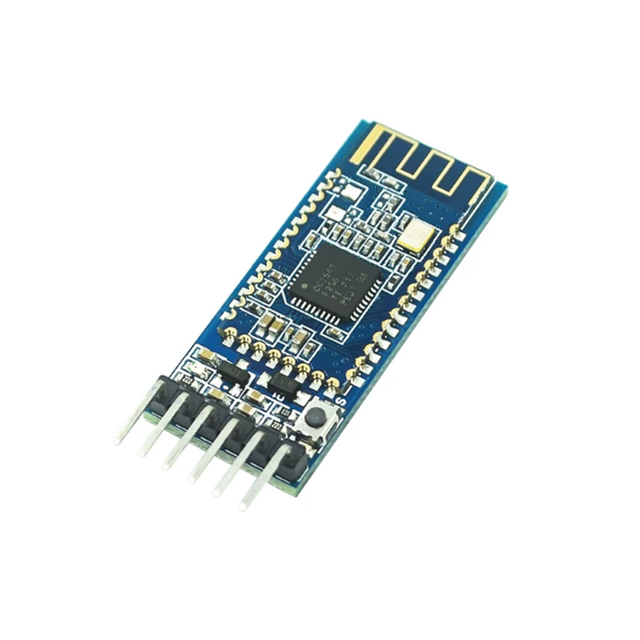
BT-09 Blue tooth 4.0BLE Module Serial Port Outlet CC2541 Compatible HM-10 Module Connected to Microcontroller BT-09Blue tooth4.0
 Shenzhen Liyang Technology Co., Ltd.🇨🇳CN1 yr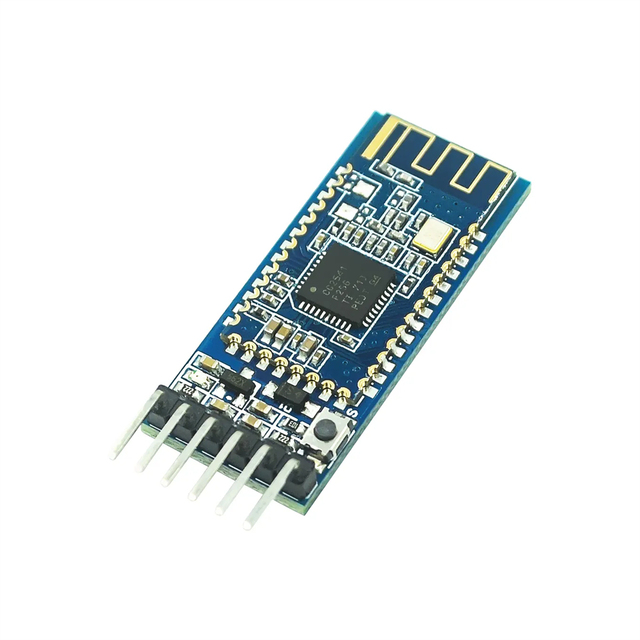
AT-09 IOS BLE 4.0 module CC2540 CC2541 Serial Wireless Module compatible HM-10
 Shenzhen Dongjiang Chuangfu Technology Co., Ltd.🇨🇳CN1 yr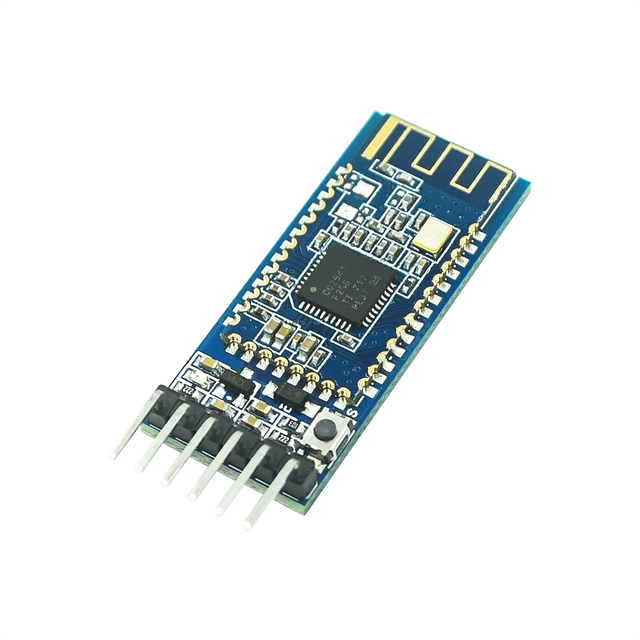
AT-09 IOS BLE 4.0 Bluetooth module CC2540 CC2541 Serial Wireless Module compatible HM-10
 Shenzhen Caihongsheng Technology Co., Ltd.🇨🇳CN6 yrs
AT-09 BLE 4.0 Blue Tooth Module for CC2540 CC2541 Serial Wireless Module Compatible HM-10
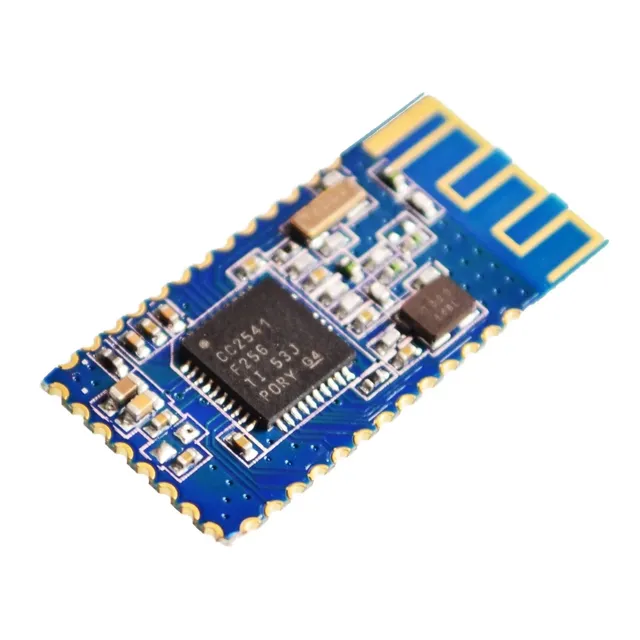
HM-10 cc2541 4.0 BLE for bluetooth to uart transceiver Module Central & Peripheral switching iBeacon AirLocate
 Shenzhen Kaisheng Century Electronics Co., Ltd.verified🇨🇳CN3 yrs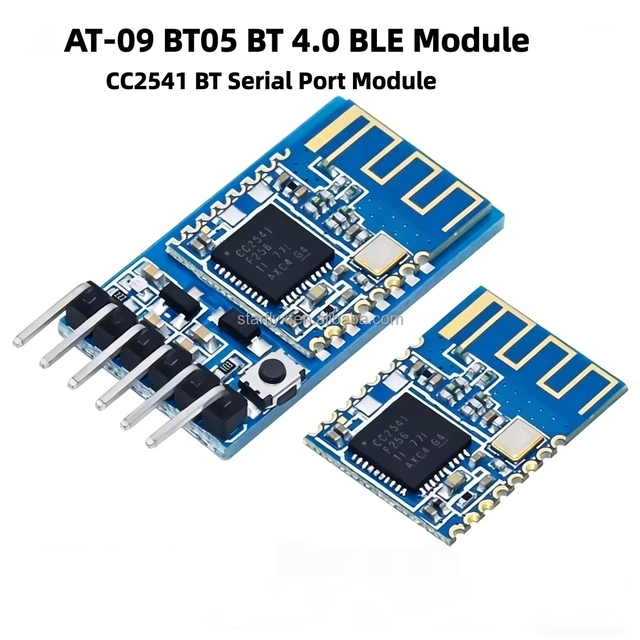
ZYSY BT05-A BLE 4.0 Serial Port Wireless Module CC2541 2540 Master Slave Integration IBeacon Anti Lost HM11 for MCU

AT-09 AT09 Andruid IOS BLE 4.0 Module CC2540 CC2541 Serial Wireless Module Compatible HM-10
 Shenzhen Chuangheying Electronic Technology Co., Ltd.🇨🇳CN5 yrs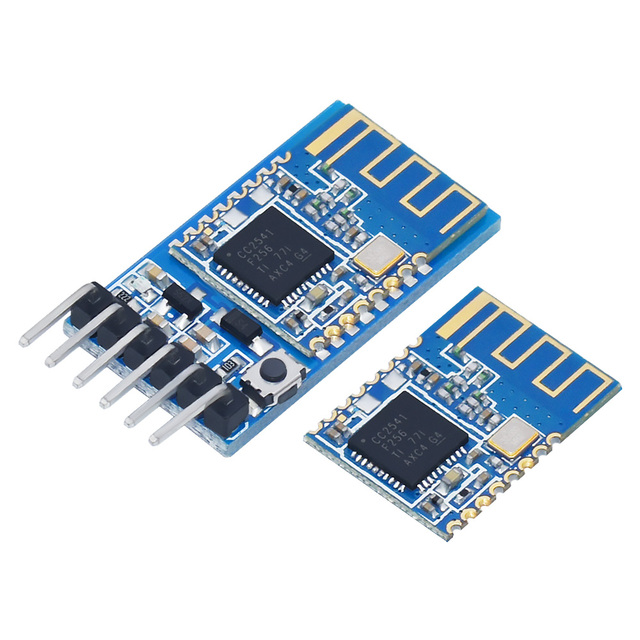
BT05-A BLE 4.0 serial port wireless module cc2541 cc2540 Master slave integration iBeacon Anti-lost HM-11
 Shenzhen Shengdingtong Technology Co., Ltd.verified🇨🇳CN1 yr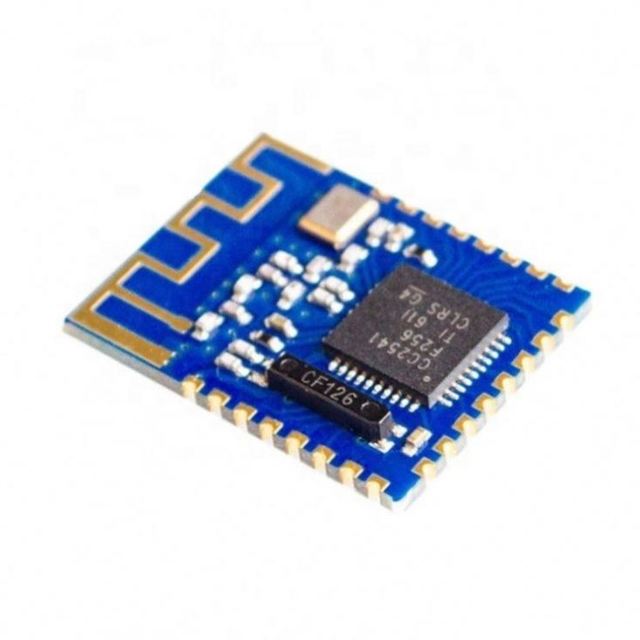
BLE 4.0 IBEACON BT Low Power 2.4G RF CC2541 Module
 Shenzhen Ruised Technology Co., Ltd.🇨🇳CN9 yrs
Bluetooth-compatible 4.0 BLE TI CC2540 CC2541 module low power HM-11 bluetooth serial port module fit for IOS 8
 Rtx Technology Co., Limited🇨🇳CN8 yrs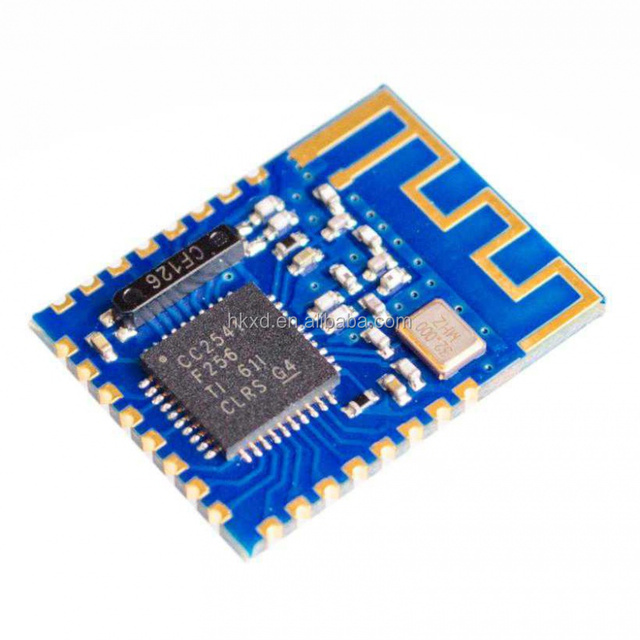
Module JDY-08 BLE4.0 Blue-tooth Uart Transceiver Module CC2541 Central Switching Wireless Module
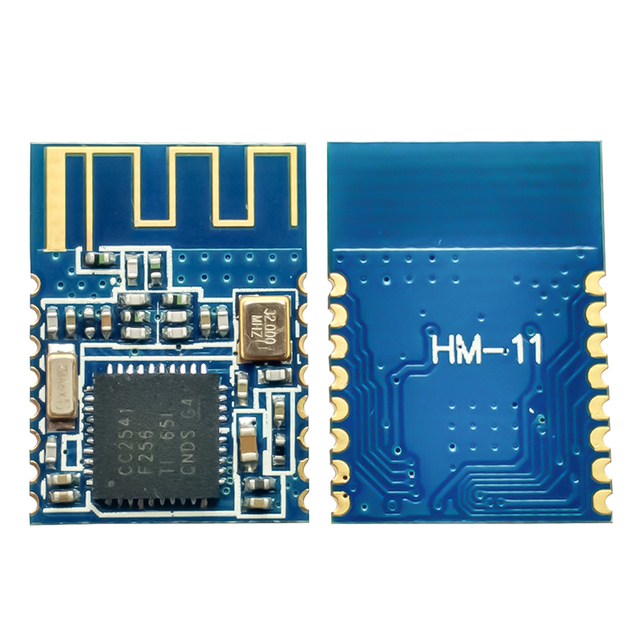
HM-11 BT4.0 BLE Module CC2540/CC2541/CC254x HM-11C HM-11S
 Shenzhen Hurryup Technology Co., Ltd.verified🇨🇳CN15 yrs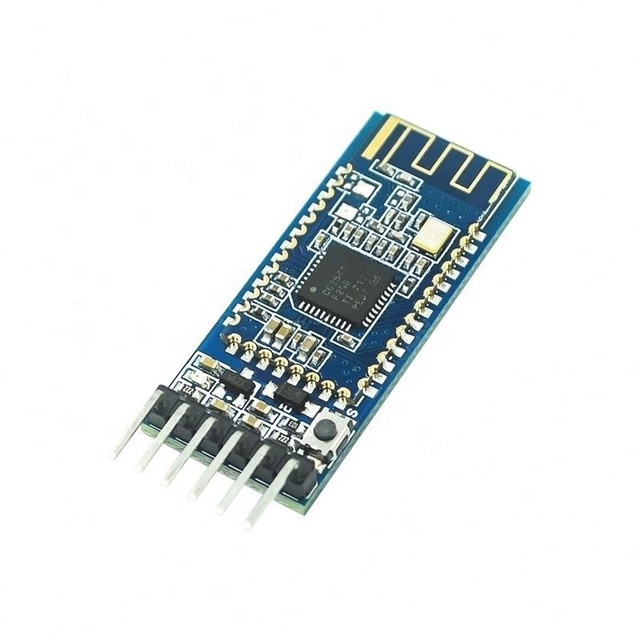
Shenzhen Qihuawei BT-09 Bluetooth 4.0 BLE Module Serial Port Lead CC2541 Compatible HM-10 Module Connected to Microcontroller
 Shenzhen Qihuawei Tech Co., Ltd.🇨🇳CN5 yrs
JDY10 Bluetooth 4.0 Serial Transmission Module BLE Compatible CC2541 Slave Bluetooth JDY 10 JDY10 JDY-10 Bluetooth Module
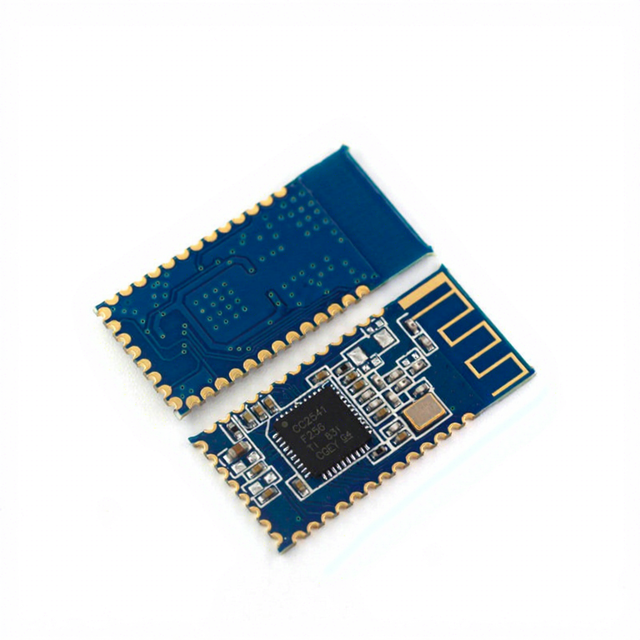
CC2540 CC2541 BLE 4.0 Low Power Wireless Serial Module UART Transparent Transmission Beacon Board
 Shenzhen RSW Technology Co., Ltd.🇨🇳CN5 yrs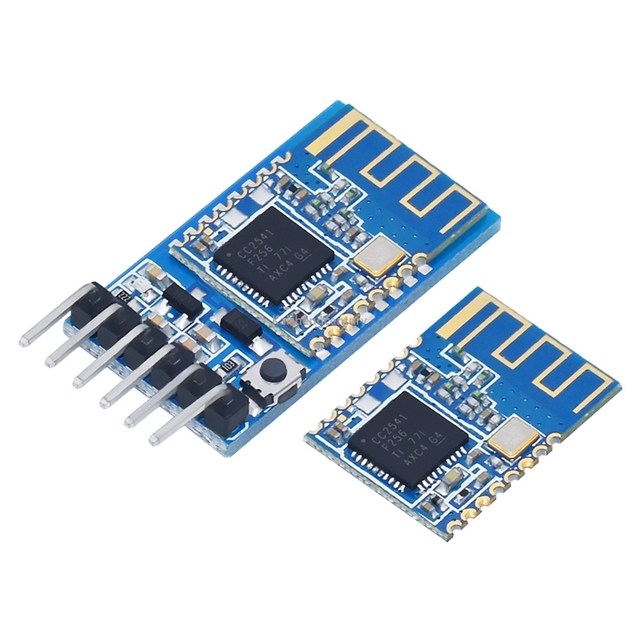
BT05-A BLE 4.0 serial port wireless module cc2541 cc2540 Master slave integration iBeacon Anti-lost HM-11
 Ali Kaisheng Century (shenzhen) Electronics Co., Ltd.🇨🇳CN1 yr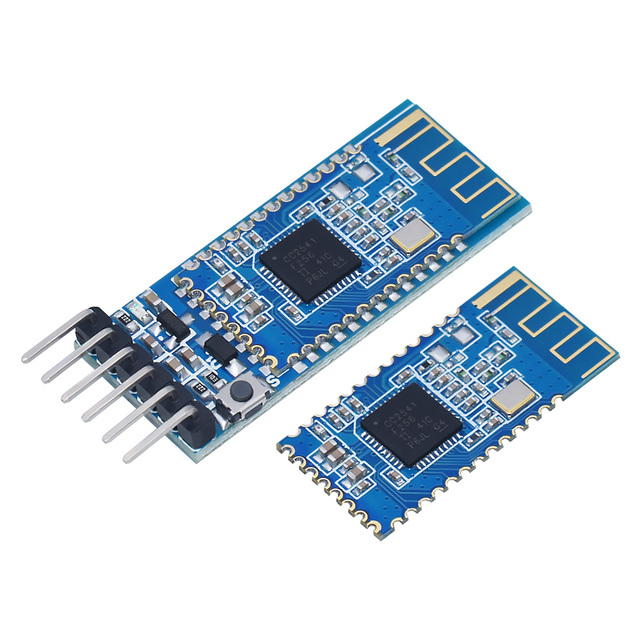
BT-05 Master-slave Integration 4.0 Serial Port Module Data Transparent Transmission CC2540 CC2541 AT-09 Compatible with HM-10
 Shenzhen Inventor Electronic Technology Co., Ltd.🇨🇳CN6 yrs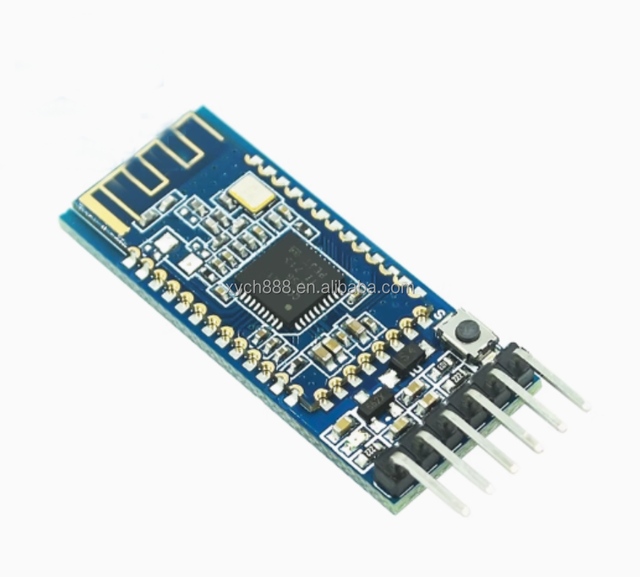
XYCH BT-09 Bluetooth 4.0 BLE Module Serial Port Lead CC2541 Compatible HM-10 Module Connected to Microcontroller

TZT AT-09 Android IOS BLE 4.0 Blue tooth module for arduino CC2540 CC2541 Serial Wireless Module compatible HM-10
 Shenzhen Tuozhanteng Electronic Components Co., Ltd.🇨🇳CN5 yrs
cc2541 4.0 Module Master-slave /ibeacon/airsync/app Transparent transmission
 Shenzhen Dongjingyu Electronic Technology Co., LTD.🇨🇳CN1 yr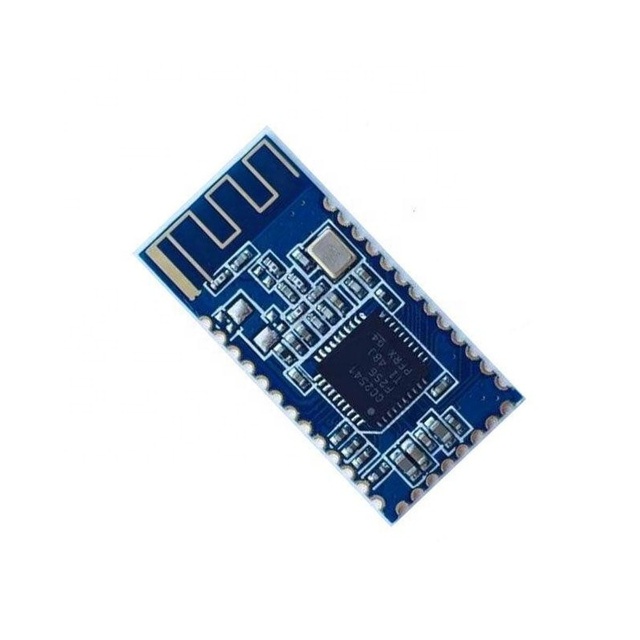
HM-10 CC2541 4.0 BLE Module 27 X 13 mm UART Interface HM-10
 JEO TECH Co., Ltd.🇨🇳CN3 yrs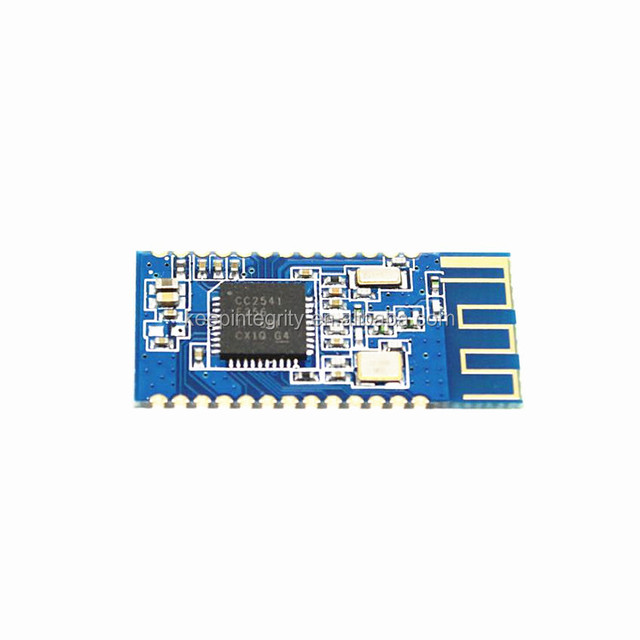
New Original IBeacon HM10 ANCS Chip AT-09 BLE 4.0 Master-slave Transceiver Module CC2540 CC2541 BT Wireless Module HM-10
 Shenzhen Jubaolai Electronics Co., Ltd.🇨🇳CN10 yrs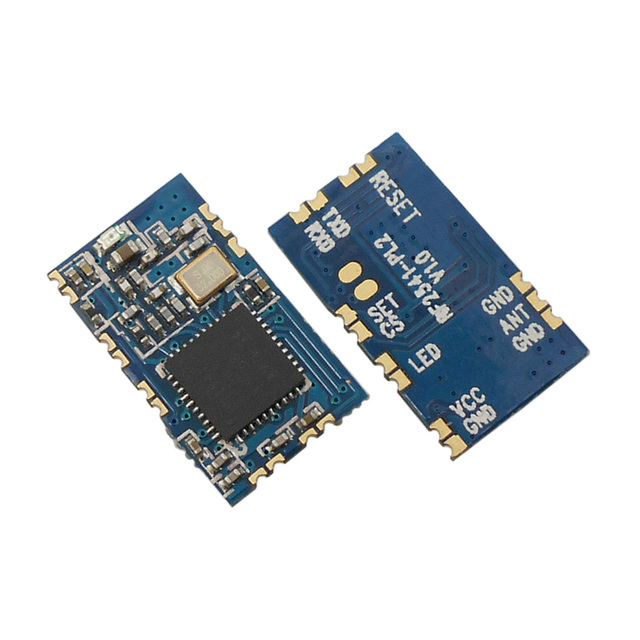
G-NiceRF RF2541-PL2 BLE 4.0 UART BLE Module With OTA Capability
 NiceRF Wireless Technology Co., Limited🇨🇳CN13 yrs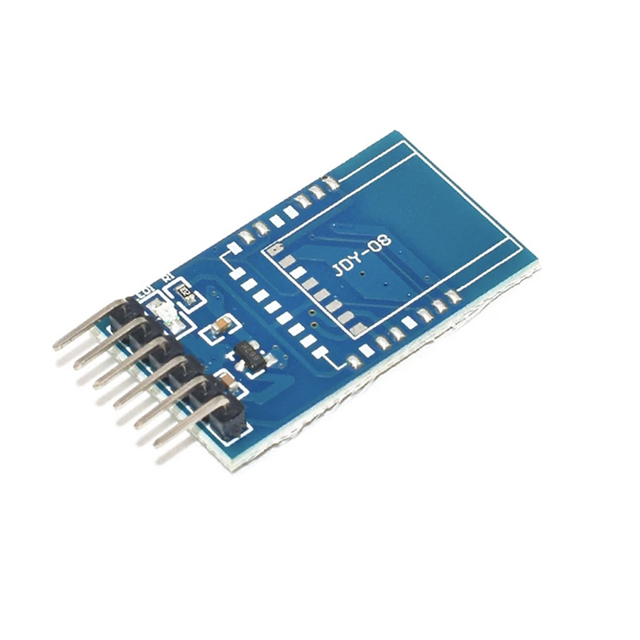
Wholesale Jdy-08 Baseboard Blue Tooth 4.0Ble Cc2541 Amplifier Board Module Blue-tooth
 Shenzhen Lorida Technology Co., Ltd.verified🇨🇳CN4 yrs
JDY-08 4.0 BLE Low Power Consumption CC2541 Master-Slave Integrated, Supporting Airsync IBeacon Module
 Shenzhen Youxinbang Technology Co., Ltd.🇨🇳CN2 yrs
JDY-08 BLE BT4.0 iBeacon Uart Transceiver Module CC2541 Central Switching Wireless Module
 Shenzhen Hanheng Technology Trading Co., Ltd.verified🇨🇳CN7 yrs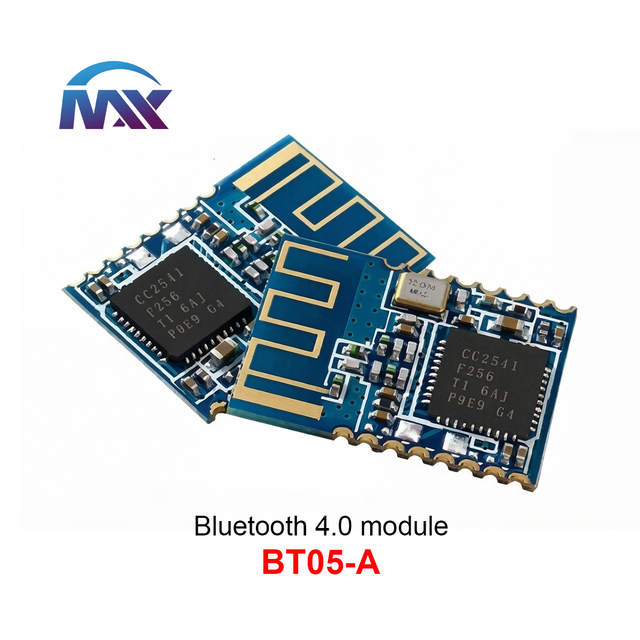
BT05-A BLE 4.0 Serial Port Wireless Module CC2541/2540 Master/Slave Integration IBeacon Anti-Lost HM-11 5V
 Shenzhen Mengxing Technology Co., Ltd.🇨🇳CN2 yrs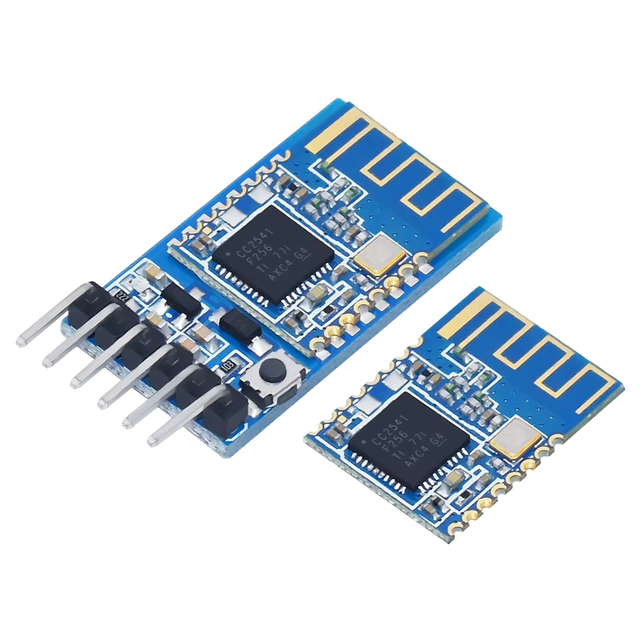
WAVGAT BT05-A BLE 4.0 Serial Port Wireless Module CC2541/2540 Master/Slave Integration IBeacon Anti-Lost HM-11 5V
BT05-A BLE 4.0 Serial Port Wireless Module CC2541/2540 Master/Slave Integration IBeacon Anti-Lost HM-11 5V
WAVGAT BT05-A BLE 4.0 Serial Port Wireless Module CC2541/2540 Master/Slave Integration IBeacon Anti-Lost HM-11 5V
Related Searches
Explore more sourcing topics & related categories
Sources & References
53 sources cited · Verified industry data & reports
Summary The Bluetooth® 4.0 specification brought
www.ti.com
Regardless of what flavor you chose, Bluetooth technology has something to offer and a · large install base of phones, tablets and PCs to connect to. ... Important Notice: The products and services of Texas Instruments Incorporated and its subsidiaries described herein are sold subject to TI’s standard terms and For a consumer audience, Bluetooth 4.0 is referred to as Bluetooth Smart · or Bluetooth Smart Ready, depending on which form it is presented in. ... There has been some confusion about what Bluetooth Smart really brings to the table. Some · people who are not familiar with the inner workings of the Bluetooth technology assume that · Bluetooth Smart lowers power consumption for all types of Bluetooth usage, and this is not Bluetooth low energy features, and only in certain use cases. More about that in a moment, let’s first examine how Bluetooth Smart is defined from a consumer-facing perspective. ... From a consumer perspective, Bluetooth devices incorporating Bluetooth low energy technology are branded became known as ultra-low power Bluetooth, and would eventually be re-christened Bluetooth · low energy. This technology was included in the Bluetooth 4.0 specification when that was
Bluetooth - Wikipedia
en.wikipedia.org
Marketing drops the point number; so that it is just "Bluetooth 5" (unlike Bluetooth 4.0); the change is for the sake of "Simplifying our marketing, communicating user benefits more effectively and making it easier to signal significant technology updates to the market." Bluetooth 5 provides, for BLE, options that can double the data rate (2 Mbit/s burst) at the expense of range, or provide up to four times the range at the expense of data rate. The data rate of EDR is 3 Mbit/s, although the maximum data transfer rate (allowing for inter-packet time and acknowledgements) is 2.1 Mbit/s. EDR uses a combination of GFSK and phase-shift keying modulation (PSK) with two variants, π/4-DQPSK and 8-DPSK. EDR can provide a lower power consumption through a reduced duty cycle. The specification is published as Bluetooth v2.0 + EDR, which implies that EDR is an optional feature. Aside from EDR, the v2.0 specification contains other minor improvements, and products may claim compliance to "Bluetooth v2.0" without supporting the higher data rate. Later, Motorola implemented Bluetooth in its own devices, which initiated significant propagation of Bluetooth in the public market, due to Motorola's larger market share vs Ericsson at the time. In 2012, Jaap Haartsen was nominated by the European Patent Office for the European Inventor Award. Bluetooth operates at frequencies between 2.402 and 2.480 GHz, or 2.400 and 2.4835 GHz, including guard bands 2 MHz wide at the bottom end and 3.5 MHz wide at the top. This is in the globally unlicensed (but not unregulated) industrial, scientific and medical (ISM) 2.4 GHz short-range radio frequency band. Bluetooth uses a radio technology called frequency-hopping spread spectrum. The above excludes Bluetooth Low Energy, introduced in the 4.0 specification, which uses the same spectrum but somewhat differently. A master BR/EDR Bluetooth device can communicate with a maximum of seven devices in a piconet (an ad hoc computer network using Bluetooth technology), though not all devices reach this maximum. Older Bluetooth hardware may receive 4.2 features such as Data Packet Length Extension and improved privacy via firmware updates. The Bluetooth SIG released Bluetooth 5 on 6 December 2016. Its new features are mainly focused on new Internet of Things technology. Sony was the first to announce Bluetooth 5.0 support with its Xperia XZ Premium in Feb 2017 during the Mobile World Congress 2017.
What is Bluetooth 4.0? Bluetooth Smart and Smart Ready Explained ...
www.laptopmag.com
Using that analogy, the drone ships are Bluetooth Smart devices. These peripherals connect to Bluetooth Smart Ready smartphones, tablets, and notebooks. Bluetooth Smart gadgets can also remain paired with Smart Ready devices even when they’re not used for hours or days at a time. So if you want to take advantage of Bluetooth 4.0’s new low-power capabilities, get ready to go shopping—you’ll need a new Bluetooth Smart Ready phone, computer, or tablet in addition to a Bluetooth Smart accessory or peripheral. ... As of press time, the Apple MacBook Air and the Mac Mini desktop were the only Bluetooth Smart Ready computers. Bluetooth is a technology people know but don’t necessarily love. That’s because Bluetooth gadgets can be tough to pair, and they tend to run out of juice too quickly. Bluetooth 4.0—or Bluetooth Smart—gives the standard a brain transplant. The new specification uses improved technology that helps everyday gadgets stay paired longer while using less power. Does Bluetooth 4.0 Make Existing Bluetooth Products Obsolete?
Summary The Bluetooth® 4.0 specification brought
docs.ampnuts.ru
Regardless of what flavor you chose, Bluetooth technology has something to offer and a · large install base of phones, tablets and PCs to connect to. ... Important Notice: The products and services of Texas Instruments Incorporated and its subsidiaries described herein are sold subject to TI’s standard terms and Customers are advised to obtain the most current and complete information about TI products and services before placing orders. TI assumes no · liability for applications assistance, customer’s applications or product designs, software performance, or infringement of patents. TI warrants performance of its components to the specifications applicable at the time of sale, in accordance with the warranty in TI’s terms · and conditions of sale of semiconductor products. Buyers are responsible for their products and · applications using TI components.
Bluetooth 4.0: What is it, and does it matter? - CNET
www.cnet.com
It’s still early days for Bluetooth 4.0. As we mentioned, the iPhone 4S is currently the only phone to have this specification, and there aren’t that many Bluetooth 4.0 devices yet to make use of the technology. Still, we should see more Bluetooth 4.0-compatible products before the end of the year, with more phones adopting the standard as well. According to Mike Foley, executive director of the Bluetooth SIG (Special Interest Group), the key new feature of Bluetooth 4.0 is its low-energy technology. This lets device manufacturers replace proprietary sensor technology with Bluetooth, which is a more widely adopted standard. Our expert, award-winning staff selects the products we cover and rigorously researches and tests our top picks. If you buy through our links, we may earn a commission. The recently announced iPhone 4S comes with Bluetooth 4.0, which is a first for mobile phones. One of the lesser-known facts to emerge about the iPhone 4S yesterday is that it is the first phone to launch with Bluetooth 4.0, the latest version of Bluetooth. Not many products are available with Bluetooth 4.0 just yet–in fact, two of the most recent products to ship with Bluetooth 4.0 are also from Apple: the MacBook Air and the Mac Mini.
Bluetooth 4.0: An introduction to Bluetooth Low Energy-Part II ...
www.eetimes.com
The lower part of the stack, a controller, handles time consuming functionality and it’s often combined together with a physical radio. HCI provides a standardized interface between the Bluetooth LE controller and an arbitrary MCU which is hosting the application and the upper part of the stack. If both parts of the stack are collocated on the same MCU, e.g. sensor SoC, HCI is not used. Since Bluetooth as a technology has been around for a while, a number of publications describing stack functionality are available [4]. Therefore, discussion of the stack will be limited to the Bluetooth LE portion of the stack. This article intentionally omits a discussion of BLE applications for two reasons: first, it is a subject worthy of an article itself since BLE brings the possibility to connect new types of devices that can be smaller, cheaper and do not require rechargeable batteries, to virtually every cell phone; second, it was demonstrated that a good amount of new application ideas are generated while people explore new technology. From a development point of view, few Bluetooth LE chips are available now. TI introduced the CC2540 which is a complete SoC with a Bluetooth LE compatible radio and 8051 processor architecture. One of the main benefits of Bluetooth technology is device interoperability. A Bluetooth logo on a device guaranties that products from different suppliers having the same profile will understand each other. To assure this, it’s not enough to use a standardized wireless protocol to transfer bytes of information, but data representation levels must be shared as well. While Bluetooth 2.0 EDR or Bluetooth 3.0 HS introduced a higher data rate functionality, Bluetooth 4.0 targets effective communication with devices that do not need streaming data or high data throughput. Low-energy requirements stipulate noticeable differences in Bluetooth and Bluetooth LE protocols, but at the same time take great advantage in reuse of the RF part, leaving most of the changes to the protocol stack.