Bluetooth V1 1

Overview
Product sourcing insights & recommendations


The phrase 'Bluetooth v1.1' refers to a legacy wireless communication standard that served as the industry's first "stabilization" version. Ratified as IEEE 802.15.1–2002, it was designed to fix critical interoperability flaws in the original v1.0, enabling the first wave of successful wireless headsets and computer peripherals WikipediaMokosmart.
Market Status & Trends
* Legacy Technology: Bluetooth v1.1 is no longer used in new product development. It has been entirely superseded by newer standards like Bluetooth 5.4 and the recently released v6.0, which offer up to 400x the data throughput and centimeter-level tracking accuracy WikipediaLansitec.
* Niche Persistence: While obsolete, v1.1 remains relevant for backward compatibility. Modern smartphones and adapters are designed to remain compatible with these early standards, allowing vintage electronics to technically still connect to new hardware WikipediaMokosmart.
* Shift to BLE: The market has moved toward Bluetooth Low Energy (BLE) for IoT and wearables, prioritizing power efficiency (up to 90% less than v1.1) over the "Classic" Bluetooth protocol that v1.1 established MokosmartLansitec.
Product Findings
B2B searches for products explicitly using v1.1 yielded zero modern matches, confirming its status as a legacy specification. Current "Retro" or "Vintage" style products, while aesthetically mimicking early 2000s designs, actually utilize the latest Bluetooth 5.1 to 5.4 chipsets for modern reliability.
* Retro Style Headsets: Available in "Maillard" or "Retro" aesthetics but equipped with modern Bluetooth 5.4 chips for long battery life and stable connections .
* Bluetooth Adapters: Modern USB dongles and transmitters now standardly feature Bluetooth 5.1+, offering HiFi audio and compatibility with current Windows/Mac OS versions that no longer natively support raw v1.1 drivers .
For industrial or restoration needs, any remaining v1.1 hardware would typically be sourced from second-hand vintage markets or specialized electronic component liquidators rather than new wholesale channels.
Based on these findings, you might be interested in:
Vintage Bluetooth 1.1 Headset
Products · 2 lists
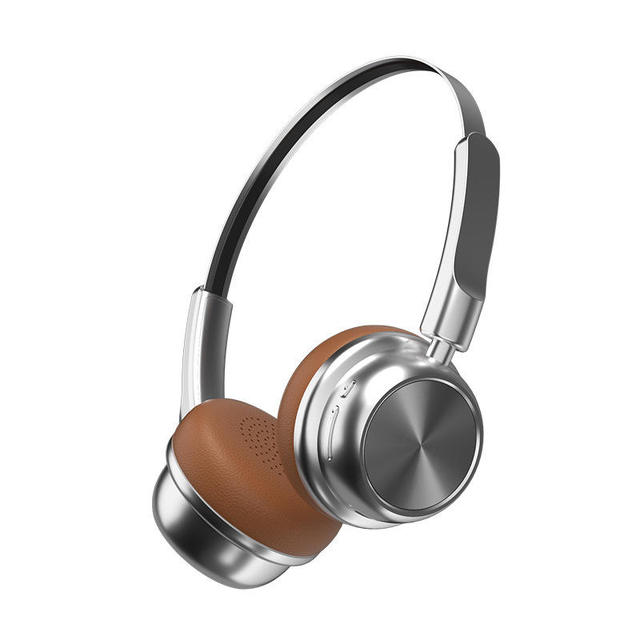
New Retro Fashion CR-20 On-Ear & Over-Ear Gaming Headset with Long Battery Life Maillard Metal 5.4 Chipset for Travel JL
 Shenzhen Chaoke Zhixuan Technology Co., Ltd.🇨🇳CN1 yr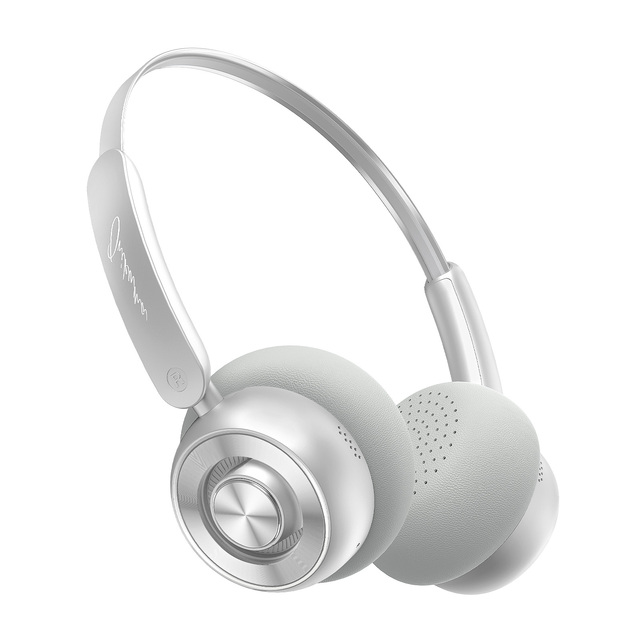
Onikuma GT820 Wireless Headphones Retro Bluetooth On Ear Headset HiFi Sound Built-in Mic For girls
 Shenzhen Ouni Technology Co., Ltd.verified🇨🇳CN10 yrs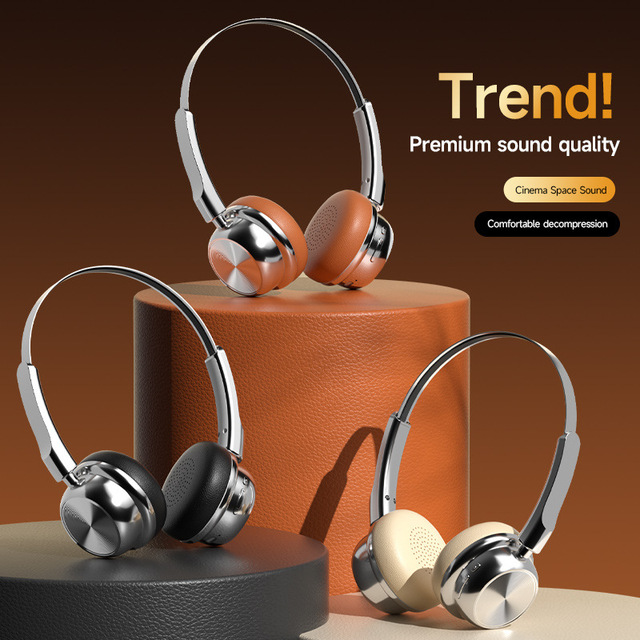
Retro Over Ear Headphones with Small Headrest Wireless 5.4 Bluetooth Connection
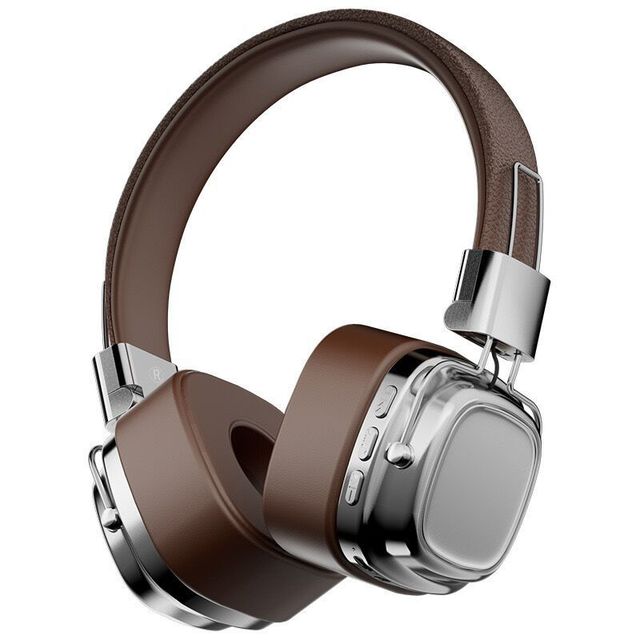
Retro Headphones Wireless Headsets Stereo Sounds Foldable Headset for Mobile Laptop
 Shenzhen Xuderong Technology Co., Ltd.🇨🇳CN8 yrs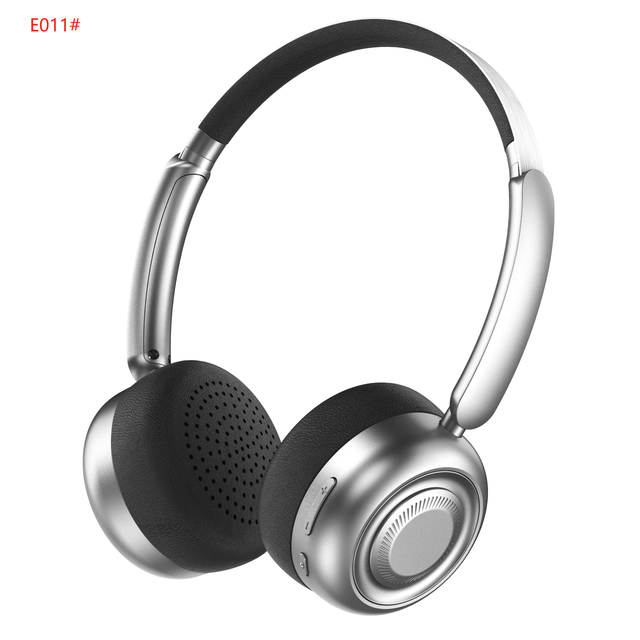
Best Sound Quality With Metal Design Light Weight Headphones Wireless With Different Earcup Surface for Fashion Young Man
 Shenzhen Groove Industries Co., Ltd.🇨🇳CN15 yrs
Best Sound Quality With Metal Design Light Weight Headphones Wireless With Different Earcup Surface for Fashion Young Man
Related Searches
Explore more sourcing topics & related categories
Sources & References
24 sources cited · Verified industry data & reports
Bluetooth
Wikipedia
Bluetooth 1.1 · Ratified as IEEE Standard 802.15.1–2002 · Many errors found in the v1.0B specifications were fixed. · Added possibility of non-encrypted channels.
Complete Bluetooth Versions Guide: From 1.0 to 6.3
MOKO Smart
The official 1.1 specification was subsequently released in March 2001. To ensure secure communication, Bluetooth employs encryption where devices exchange keys ...

Device Information Service
Bluetooth® Technology Website

The History of Bluetooth: A Comprehensive Development
Minew
Bluetooth data throughput has increased by over 40x since its first iteration. While Version 1.2 offered a basic rate of 721 kbps, Version 3.0 + ...
Specification of the Bluetooth system
ETH Zürich
Covered Core Package version: 1.2. Current Master TOC issued: 05 November 2003. Specification Volume 0. Page 2. 2. 05 November 2003. BLUETOOTH ...

Bluetooth Specification v1.1 volume 1, CORE - Bilkent CS
Bilkent University Computer Engineering Department
... BLUETOOTH SPECIFICATION Version 1.1 page 2 of 1084. Revision History. The Revision History is shown in Appendix I on page 886. Contributors. The ...