Burning Laser

Overview
Product sourcing insights & recommendations
I have completed a comprehensive B2B sourcing guide for best-selling wholesale burning lasers on Alibaba.com for 2024. The guide details the market's shift toward 450nm blue and 520nm green technologies, provides power benchmarks for tactical and industrial units, and analyzes safety compliance hurdles for the US and EU markets. Key pricing trends indicate entry-level units start at $150, while professional-grade models range between $300 and $600+.
Please review the full report below for specific product recommendations, regulatory labeling differences (FDA/CDRH vs. IEC/CE), and strategic sourcing advice.
I've prepared a detailed sourcing guide for burning lasers. You can continue with:
Wholesale Burning Laser High Power High Search Volume Best Selling Alibaba.com
Products · 2 lists
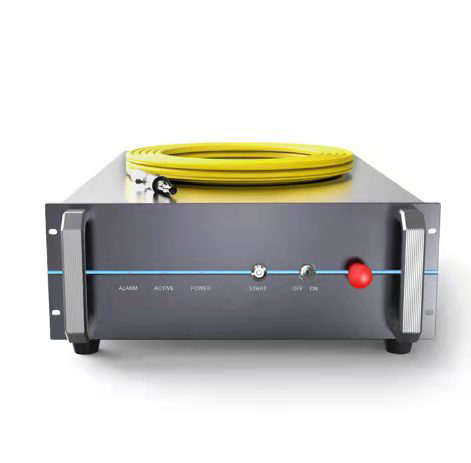
High-Power 1KW 1.5KW 2KW 2000W 3000W Max Fiber Laser Equipment Power Supply Generator for Cutting Machine Source
 Wuhan Questt Asia Technology Co., Ltd.verified🇨🇳CN12 yrs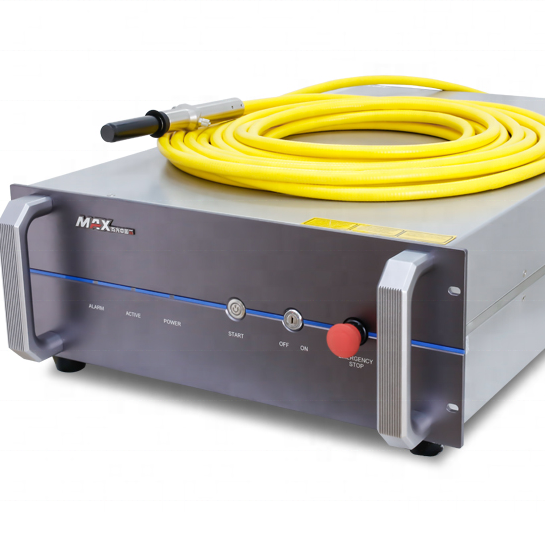
High Quality Chinese MAX Laser Source 1000W 1500W 2000W 3000W 4000W
 Shandong Leapion Machinery Co., Ltd.verified🇨🇳CN8 yrs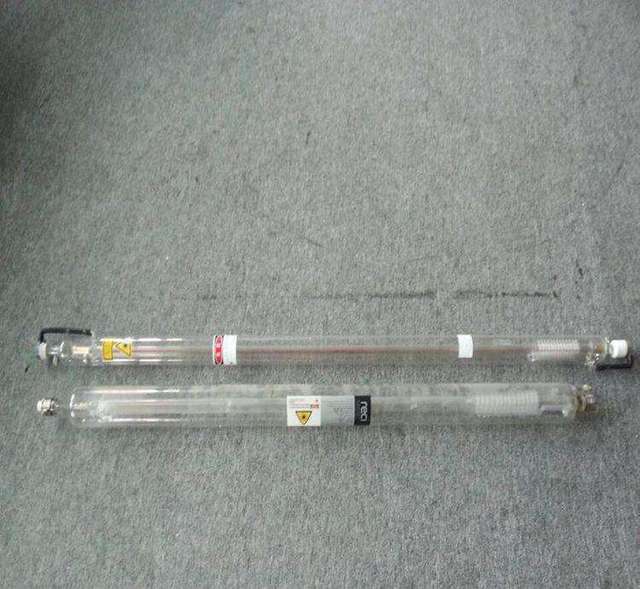
High Quality 12 Month Warranty 500w Co2 Laser Tube
 Shanghai Promega Trading Co., Ltd.verified🇨🇳CN19 yrs
Deep Dive · Full Report
Full Market Report
1 document · Live-fetched from source
Related Searches
Explore more sourcing topics & related categories
Sources & References
28 sources cited · Verified industry data & reports
Laser Safety Standards | Eurofins E&E
www.eurofinsus.com
Typical laser products include CD players, laser pointers, fiber optic telecommunications equipment and the like. Federal law requires that laser products comply with the laser safety requirements of the Center for Devices and Radiological Health (CDRH), a division of the Food and Drug Administration (FDA). In addition to this report filing, manufacturers are also required to maintain certain records and may be required to submit periodic reports to the CDRH. Currently U.S. requirements only apply to laser diode sources and not to LEDs. For further information, refer to http://www.fda.gov/Radiation-EmittingProducts/. Laser Safety Standards
Laser Device Regulations in the United States: An Overview
www.compliancegate.com
You can visit the CDRH’s Laser Notice No.50 to read the detailed guidance. The FDA requires that importers and manufacturers of radiation-emitting electronic products, including laser products, submit Form 2877 – Declaration for Imported Electronic Products Subject to Radiation Control Standards. Lab testing, for instance against relevant IEC or other standards, is the only to make sure that your product complies with the CDRH’s laser device requirements. To confirm the compliance of the laser device, importers or manufacturers should test their laser device at a reliable testing agency, such as Eurofins, UL, and TÜV SÜD. Relevant authorities, retailers, Amazon, or consumers might require a copy of the test report, or other compliance documents, at any time. The FDA’s CDRH requires to register medical devices that include a laser beam and provide the following information: The FDA’s CDRH (Center for Devices and Radiological Health) regulates radiation-emitting electronic products and medical devices placed in the United States. The FDA’s CDRH requires laser products placed on the US market to comply with the technical and labeling requirements specified in CFR 21 Part 1040.10 and Part 1040.11.
FDA Issues Notice: Transition to Laser Notice No. 56 by Dec 31, 2024
www.nemko.com
On June 7, 2023, the U.S. Food and Drug Administration (FDA) Center for Devices and Radiological Health (CDRH) issued a significant notice regarding the forthcoming withdrawal of Laser Notice No. 50 by the conclusion of 2024—precisely on December 31, 2024. Laser Notice No. 50 had been a regulatory guideline or standard that manufacturers of laser products were required to adhere to. This notice provided specific requirements and safety guidelines related to laser products in order to ensure consumer safety and product quality. Over thirty years experience in leading edge new product development, primarily in Regulatory Compliance for telecommunications - Sales Executive for EMC, Safety, Wireless, Laser and Market Access services - In-depth cross-functional knowledge of EMC, Signal Integrity,Laser Safety, Product Safety, Network Attachment,... Manufacturers are strongly advised to undertake necessary measures to align their laser products with these updated regulations, ensuring both consumer safety and adherence to quality standards.
Radiological Health Regulations; Amendments to Records ...
www.fda.gov
Rockville, MD 20850, 240-276-3332. Laser Notices to Industry are issued · periodically whenever it is determined that an issue needs further · clarification, or when CDRH establishes a new policy regarding certain Products Containing Lasers," and a "Reporting Guide for Laser Light Shows and · Displays." The appropriate Guide must be used and the report format must follow ... Reports when the criteria requiring submission of Supplemental Reports are met. Annual Reports (1002.13) summarize the records the manufacturer is required to · maintain (1002.30). Annual Reports must be submitted by September 1 of each · year for the year ending the preceding June 30. Each year, CDRH provides commerce. CDRH has issued a "Guide for Preparing Product Reports for Lasers and CDRH (1003.10).
The Differences between U.S. and E.U. Laser Standards
www.mddionline.com
Since the first European standard for laser products (IEC-825) was published in 1984, there have been significant differences between it and the U.S. standard published by FDA's Center for Devices and Radiological Health (CDRH). Although the standard does not require LED sources that are inherently Class 1 to be tested, market pressure is often put on the manufacturer to carry out third-party testing, according to CDRH. The IEC standard already includes LEDs but exempts inherently Class 1 LED products. For consistency, IEC has extended this exemption to inherently Class 1 laser products. Many experts think that if FDA allows this exemption, underclassified products could be placed on the market, since it is unclear how unlabeled and untested products could be accepted as inherently Class 1. Both standards have been revised in the past and are now being simultaneously reworked, so harmonizing them is analogous to shooting a moving target from a moving vehicle. Nevertheless, it's been tried. In the most recent effort (Spring 1996), CDRH informally distributed proposed changes to its standard to laser manufacturers and various other interested parties for their input. One change that would affect manufacturers is CDRH's adoption of the International Electrotechnical Commission (IEC) definition for laser classes, including the historically troublesome Class 3A. Although it is hoped there would be only a small number of products affected, there are products in the United States currently defined as Class 3A that would become 3B.
FDA and CDRH Submissions - Lasermet Laser Safety
www.lasermet.com
The Center for Devices and Radiological Health (CDRH) is the agency responsible for ensuring the safety and effectiveness of medical devices and regulating radiation-emitting electronic products, both medical and non-medical. Broadly there are three main types of submissions to the FDA / CDRH.