Carding Mat

Overview
Product sourcing insights & recommendations


The 'carding mat' (also known as carding cloth or flexible card clothing) is a critical component in both industrial fiber processing and manual fiber arts. The market for carding equipment is projected to grow from $1.4 billion in 2026 to $2.25 billion by 2035, with a CAGR of ~5% PersistencemarketresearchSphericalinsights.
Key Market Trends
* Industrial Automation: Demand is shifting toward high-speed carding machines with AI-based monitoring and predictive maintenance to reduce labor and downtime PersistencemarketresearchMarketintelo.
* Sustainability & Recycling: A major trend is the adaptation of carding mats to process recycled fibers and the development of energy-efficient machinery that reduces power consumption by up to 30% PersistencemarketresearchDataintelo.
* Specialization in Fiber Arts: In the artisanal market, spinners are increasingly seeking specialized carding cloths with higher teeth-per-inch (TPI) densities (112–200 TPI) to handle fine fibers like cashmere and silk SpinoffmagazineClemes.
Consumer & Product Insights
* Material Preferences: Professional users prefer carding mats with bamboo or lightweight wood bases and ergonomic handle designs to reduce wrist strain during manual carding AmazonSpinoffmagazine.
* Industrial Applications: The fastest-growing segment is nonwoven fabric manufacturing, driven by demand for hygiene products and medical textiles, which requires specialized roller carding solutions PersistencemarketresearchOpenpr.
* Popular Features: Buyers prioritize durability, non-slip rubber backings, and the ability to handle multi-material fiber blending DatainteloMarketresearch.
Data from retail and B2B platforms highlight the diverse applications of carding mats, ranging from traditional wool processing to modern textile recycling.
Based on these insights, you can continue with:
Carding Cloth For Hand Carders
Products · 2 lists
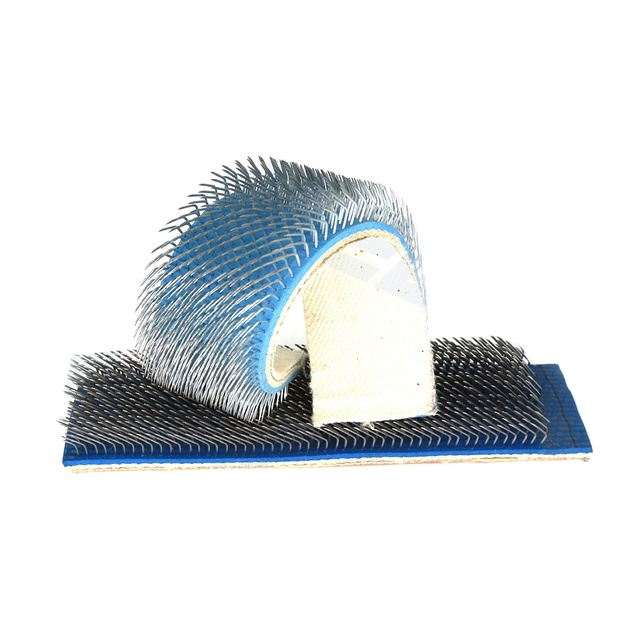
Textile Flexible Card Clothing Used for Raising Machine Zgl With Best Cost
 Qingdao Wel Industry And Trade Co., Ltd.🇨🇳CN7 yrs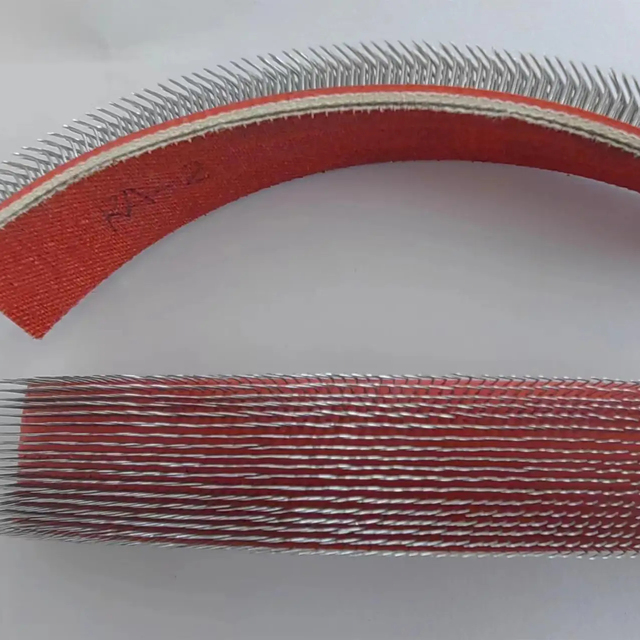
Popular Automatic Carding Machine Metallic Wire for Cotton
 Qingdao Hurui Textile Machinery Manufacturing Co., Ltd.🇨🇳CN4 yrs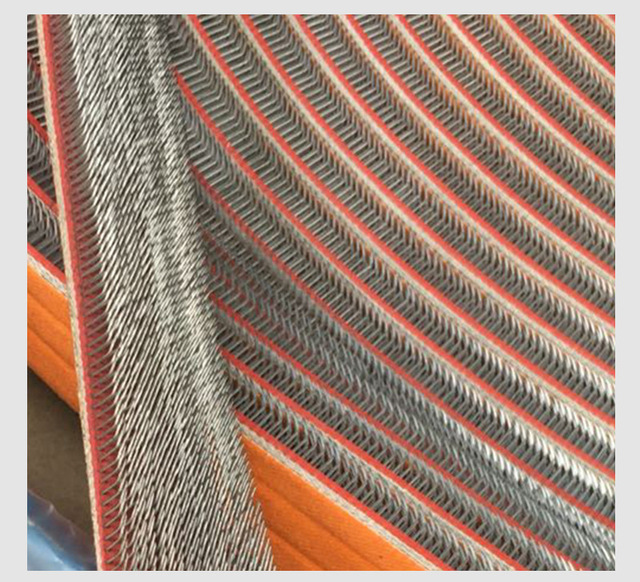
Carding Cloth For Cotton Carding Machine Spinning Mill
 Shanghai Xieneng Spring Co., Ltd.🇨🇳CN20 yrs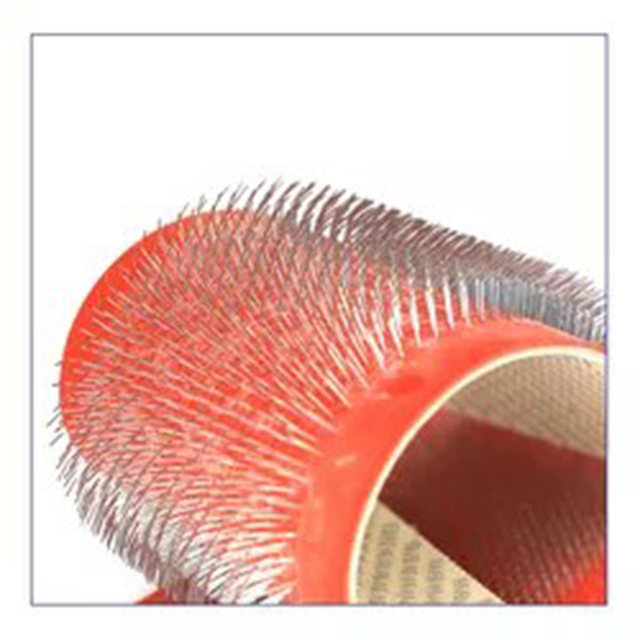
Cylinder Size Flexible Card Clothing for Wool Carding
 Jiaozuo Newest Machinery Co., Ltd.🇨🇳CN11 yrs
Cylinder Size Flexible Card Clothing for Wool Carding
Deep Dive · Full Report
Full Market Report
1 document · Live-fetched from source
Related Searches
Explore more sourcing topics & related categories
Sources & References
25 sources cited · Verified industry data & reports
Carding | Carding Wool and How Rugs Are Woven by ...
Nazmiyal Antique Rugs
The purpose of carding is to align the fibers, remove any tangles, and create a consistent web of fibers that can be easily spun. It helps improve the quality ...
Guide to Hand Carders - Star Magnolias
starmagnolias.com
Blending boards aren't really good for carding raw fiber and a bit more in a league of their own - they're best used for already carded wool ( ...

Carding
Wikipedia
Carding is a mechanical process that disentangles, cleans and intermixes fibres to produce a continuous web or sliver suitable for subsequent processing.

2pcs Wool Carders, Wool Carding Comb, Hand ...
Amazon.com
Specification · Material: bamboo wood(handle), steel(needle), rubber(pad) · Color:wood · Size:15 x 10.4cm/5.91 x 4.09inch.

Widest Selection of Hand Carders & Wool Carders
The Woolery
Carding is used to take non-aligned fibers and prepare them for spinning or to produce webs of fiber to go into non-woven products such as needle felting.

5. Principles of Wool Carding
Woolwise
It separates the entangled clumps of fibres into a web of individual fibres by working them between a series of closely spaced, moving roller surfaces which are ...