China Tv Body

Overview
Product sourcing insights & recommendations
The phrase "China TV Body" refers to a dynamic intersection of hardware manufacturing, regulatory oversight, and cultural media exports. The Chinese smart TV market is on a trajectory to reach $128.1 billion by 2035, driven by high-resolution 4K/8K technologies and smart AI integration. Simultaneously, the media sector is witnessing a massive surge in micro-dramas (up 267% in revenue) and a strategic shift toward high-quality cultural exports like the "Three-Body" series.
I have compiled a comprehensive report detailing the hardware technological shifts, regulatory guidelines from the NRTA, and the competitive landscape of both component manufacturers and streaming platforms. The report below includes specific product data for TV housing shells, frames, and key market insights for the 2024-2026 period.
Here is the detailed market report on 'China TV Body' trends. You can continue with:
Tv Body Housing Shell
Products · 2 lists
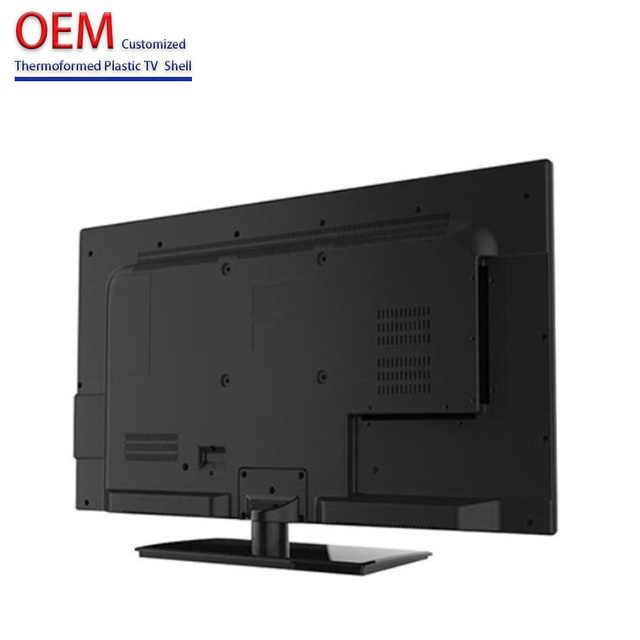
OEM Custom Vacuum Forming LCD TV Back Cover ABS Thermoforming Plastic Led Tv Housing
 Guangdong Hongwei New Material Co., Ltd.verified🇨🇳CN12 yrs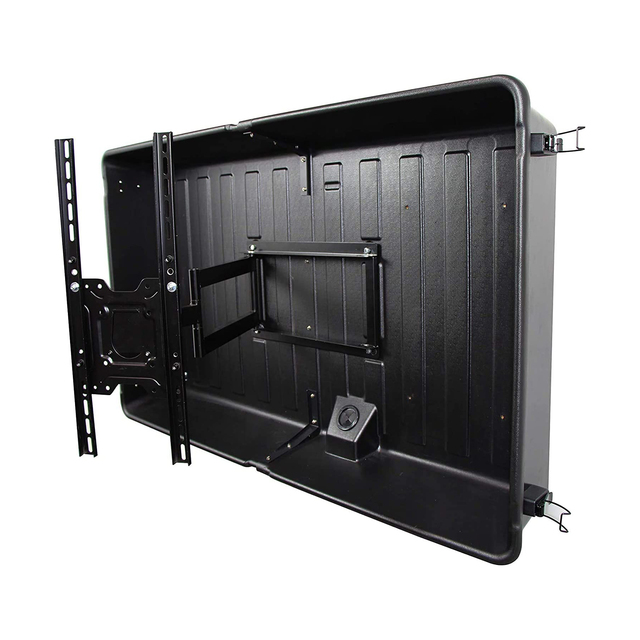
Outdoor TV Enclosure Wall Mounting TV Hard Cover Weatherproof Protection Shell
 Yantai Dayuan Mechanical Equipment Co., Ltd.verified🇨🇳CN10 yrs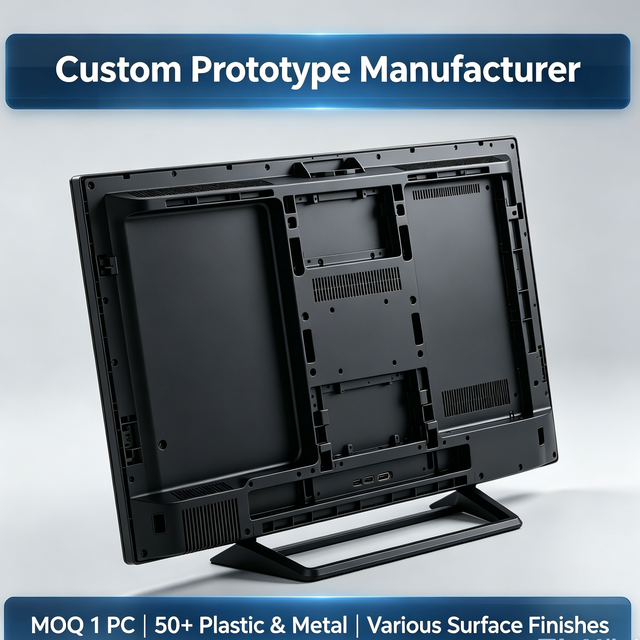
Custom TV Plastic Housing Prototype Manufacturer CNC Machining ABS Shell Model, MOQ 1 PC for Product Design and Development
 Shenzhen Jingxin Precision Technology Co., Ltd.verified🇨🇳CN1 yr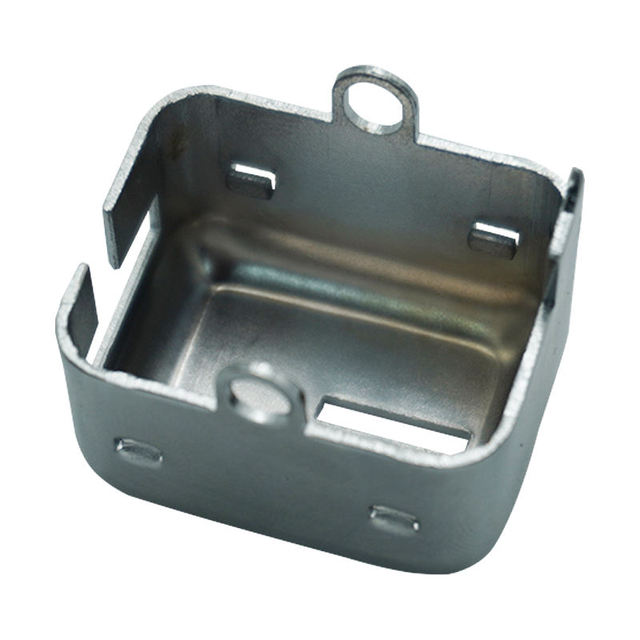
OEM Customized Aluminium Extrusion Electronic Enclosure TV Set Top Box Housing PC Aluminium Housing
 Beijing Jiacheng Technology Co., Ltd.verified🇨🇳CN10 yrs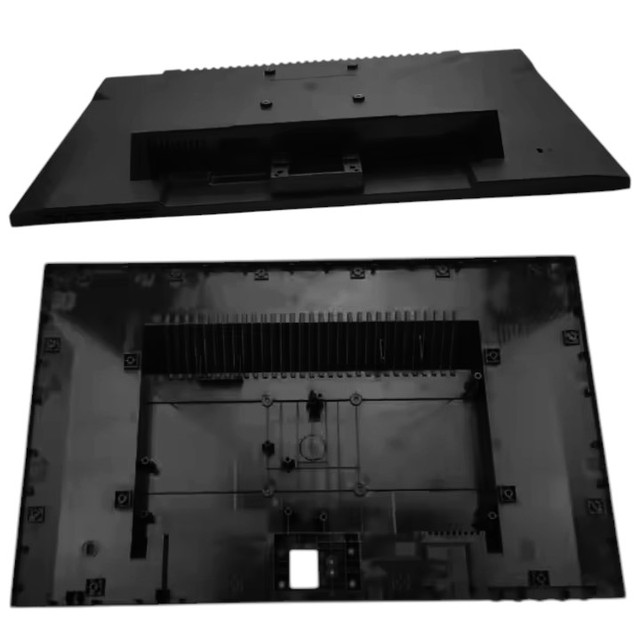
LONGNEW OEM LCD TV Rear Cover Plastic Housing with Black Color PP/PC/ABS Materials Taiwan Origin
 LONG NEW PLASTIC STEEL MOLD CO., LTD.verified🇹🇼TW16 yrs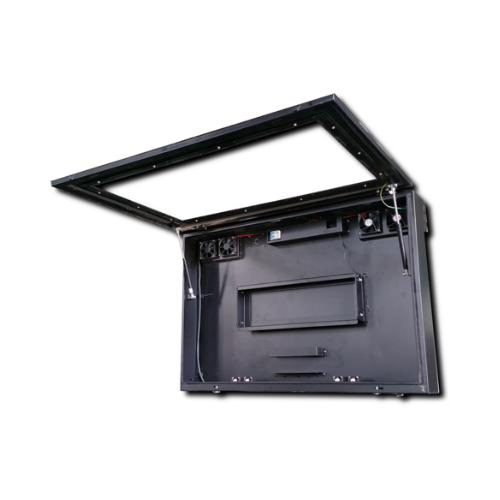
Hot Selling Outdoor Metal TV Case Steel Housing Electronics & Instrument Enclosure with Sealed Design
 Yantai Gao Sheng Da Precision Machinery Co., Ltd.🇨🇳CN9 yrs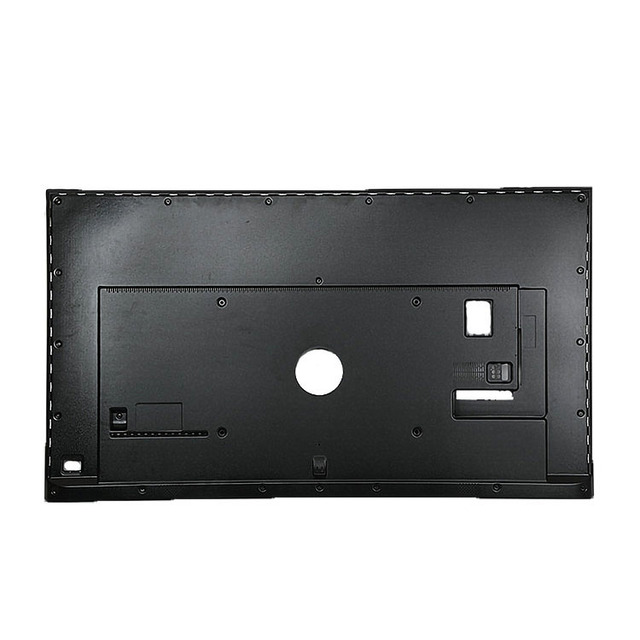
Factory Direct Thick Plastic Blister TV Back Cover Thermoformed ABS Housing for Smart TV Equipment
 Dongguan Bst Ideal Industry Co., Ltd.🇨🇳CN6 yrs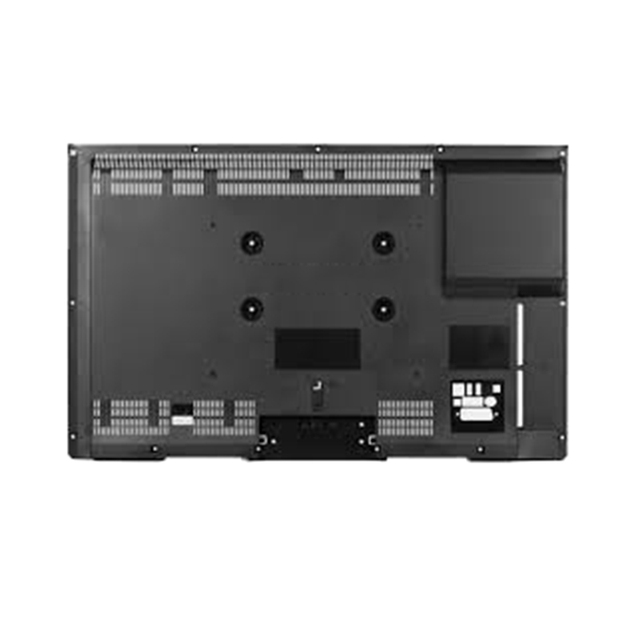
Factory Price Plastic TV Frame Housing Television Back Cover Injection Mold
 Chongqing Xingbang Hengxiang Mold Co., Ltd.🇨🇳CN9 yrs
Deep Dive · Full Report
Full Market Report
1 document · Live-fetched from source
Related Searches
Explore more sourcing topics & related categories
Sources & References
28 sources cited · Verified industry data & reports
>Symbolic Consumption in China: the Color Television As a Life ...
www.acrwebsite.org
ABSTRACT - The Peoples Republic of China is just emerging as a consumer market. As consumption opportunities develop for the Chinese, certain products are taking on enormous symbolic meaning within the Chinese culture. Consumer electronics is one of the product categories in which symbolism has become very important, especially color television sets. This research describes and analyzes the decision process used by consumers for buying color TVs, how the product is used within the home and its importance in modern Chinese life as a symbol of economic and political freedom. Visits to individuals homes were also undertaken to document the use of products within the home, as well as to assess general living circumstances. Data was gathered during four trips to China over a period of about one and a half years. Since so little is known about the decision processes of Chinese consumers, or even what influences them, this type of descriptive research is important in building a body of research on which to base additional studies of both a qualitative and quantitative nature. Finally, Chinas rapid growth rate, averaging about 12% annually in GDP over the past few years, is an indicator that consumption of items like televisions will continue to grow. ... There is a significant body of research into the symbolic meaning of consumption (e.g. The Peoples Republic of China is just emerging as a consumer market. As consumption opportunities develop for the Chinese, certain products are being imbued with symbolic meaning within the Chinese culture. Consumer electronics is one of the product categories in which symbolism has become very important, especially for color television sets. The purpose of the study was to develop a deep description and analysis of symbolic consumption of electronics in the Peoples Republic of China.
China Tv Product, Tv Product Wholesale, Manufacturers, Price | ...
www.made-in-china.com
Our Tv Product offers exceptional quality within the LCD TV category.Yes, many of our LCD TVs come with energy-saving features, making them environmentally friendly without compromising performance. These models are some of the best choices when comparing price and functionality. Enhance your LCD TV setup with our premium Tv Product.We provide a range of LCD TVs from popular brands known for their reliability and performance. Whether you are looking for budget options or premium models, our selections match current trends and include custom designs for your needs. Meet China Tv Product manufacturers, wholesalers, exporters featured in the Consumer Electronics industry from China. China Tv Product factory with growing trade capacity and capacity for innovation have the greatest potential for growth in retail sales of consumer electronics and appliances. Whether you need the best deals or the best customized products, we can recommend you suitable experienced exporters of this industry. Even you can book a factory tour online for inspection before making your deals. Tv Product for sale in particular are seen as one of the categories with the greatest potential in consumer electronics.
Ownership and control of Chinese media | Safeguard Defenders
safeguarddefenders.com
This investigation was carried out in 2020, for the purpose of producing a brief report showing TV-regulators that China Global Television Network (CGTN), CCTV-4, the international Chinese language broadcaster, and CCTV, the parent company of both, are in fact, since 2018, now directly controlled by the Chinese Communist Party (CCP) and not the Chinese State. All information herein presented is drawn from official documentation from either the TV broadcasters themselves (CGTN, for example, publicly states on its website, repeatedly, that it is controlled by a political body), regulations and announcements from the Chinese State, and official documentation from the Chinese Communist Party (CCP). “Its principal responsibilities will be to propagate the theories, political line and policies of the Party; to plan and manage major propaganda reports; to organize the production of radio and television; to produce and broadcast premium radio and television products; to channel hot social topics; to strengthen and improve supervision by public opinion, to promote the integrated development of multimedia; to strengthen the building of international broadcasting capacity; to tell China’s story well.”[5] [2] Program for the Deepening Reform of Party and Government Organs http://chinamediaproject.org/2018/03/22/when-reform-means-tighter-controls/
China Central Television - Wikipedia
en.wikipedia.org
The CCTV-4 channel split into three separate channels on 1 April 2007—each serving different time zones: China Standard Time (CST), Greenwich Mean Time (GMT), and Eastern Standard Time (EST)—in order to improve service for audiences around the world. On 25 July 2009, CCTV launched its Arabic-language international channel, stating that it aims to maintain stronger links with Arab nations. In 2015 and 2018, CCTV signed cooperation agreements with Russian state media outlet RT. In December 2016, CCTV's foreign language services were spun off into China Global Television Network (CGTN). Freedom House and The Guardian commented that CCTV's reporting about topics sensitive to the Chinese government and the Chinese Communist Party (CCP) is distorted and often used as a weapon against the party's perceived enemies. In 1954, Mao Zedong put forward that China should establish its own TV station. On 5 February 1955, the central broadcasting bureau reported to the State Council and proposed the program of establishing a medium-sized television station, later on premier Zhou Enlai included in China's first five-year plan the planned introduction of television broadcasts. In December 1957, the central broadcasting bureau sent Luo Donghe and Meng Qiyu to the Soviet Union and the German Democratic Republic for the inspection of their TV stations, such as Television in the Soviet Union and Deutscher Fernsehfunk, then the duo returned to Beijing to prepare for the establishment of the TV station. Journalists working for the network's English-language international channel, CGTN, as well as of the other non-Chinese language TV channels under the CGTN banner, are under constant pressure to present a positive account of China, according to Anne-Marie Brady's study published in 2008. China Central Television (CCTV) is the national television broadcaster of the People's Republic of China. Established in 1958 as Peking Television, it was renamed as CCTV in 1978 and is a key player in Chinese state media. It is operated by China Media Group, supervised by National Radio and ...
Opinion | From Story of Yanxi Palace to Three Body, China’s TV ...
www.scmp.com
According to Australian think tank Lowy Institute’s 2023 Asia Power Index, China lags far behind the United States in cultural influence, measured in terms of cultural exports and the regional appeal of its media outlets, among other metrics. Last July, the Chinese Ministry of Commerce and 27 other government departments jointly released a policy road map on establishing China as a global cultural power. Against this backdrop, how does China draw on its past and present to tell its story well? According to the Global Times, official data showed a 118 per cent year-on-year increase in the export value of Chinese television series in 2021, and that China had exported 714 television dramas with a total value of US$56.83 million that year. China scored 47.4, the US 80.9.
Chinese television drama - Wikipedia
en.wikipedia.org
A series of escalating protectionist measures were issued by the regulatory body in the mid-2010s. In 2014, the Chinese government announced that imported foreign films and TV series required publication licenses in order to be aired within China. Korean dramas, then one of the most popular drama genres in China, as well as Korean-Chinese co-productions, were banned from both broadcast and streaming services in 2016, following the THAAD missile deployment disagreement between China and South Korea. Television actors such as Huang Haibo and Gao Hu's productions were immediately dropped from broadcast. Celebrities that were blacklisted by the China Association of Performing Arts and other government bodies due to scandals involving tax evasion, sexual assault and unpatriotic behavior may have their scenes cut, obfuscated, their faces swapped digitally by AI, or have their entire filmography pulled from syndication and streaming services. In February 2020, regulators have imposed a maximum limit of 40 episodes for show length, with a recommendation for producers to aim for no more than 30 episodes to maintain production quality. Mini-series in China such as crime drama The Bad Kids (2020) and The Long Season (2023) tell a more concise story over 10 to 24 episodes and usually conclude within a season. Duanju, also known as micro-dramas, are serialized dramas minutes in length per episode. These shows are meant to be watched on mobile devices on Douyin and WeChat. Period drama My Fair Princess (1998), a collaboration between Chiung's production company and Hunan Broadcasting System, was a success in both regions and widely sold in other Asian markets. The 1990s also marked the start of satellite broadcast of Chinese television networks and the rapid commercialization of television programming in the form of advertising. China Central Television and other provincial channels like Zhejiang Television, Anhui Television, Jiangsu Television, Dragon TV and Hunan Television began expanding their satellite network coverage and diversifying programming offerings. Investment groups like Hengdian Group expanded into movie and television production in the mid-1990s, building large filming sets for different dynastic (and Republic) periods. Hengdian's large film set in eastern Zhejiang was said to have accommodated at least 70% of China's films and TV shows at one point.