Clear Television

Overview
Product sourcing insights & recommendations
The phrase "clear television" encompasses two highly distinct product categories with divergent market trends: Transparent OLED TVs (luxury/commercial display) and Clear-Cased Prison Televisions (security/institutional).
1. Transparent OLED TVs (Luxury & Retail)
This segment is a rapidly growing frontier in display technology, focusing on aesthetic integration and premium commercial applications.
* Key Trends: The trend toward "disappearing" technology has led to the development of transparent panels that blend into home decor when off Lg. Shipments are projected to grow significantly as manufacturing costs decline Accio.
* Market Drivers: High-end retail is a major adopter, using transparent displays for interactive storefront windows Linkedin. Luxury residential demand is also rising for ultra-thin "Wallpaper" OLEDs that mount flush against walls Lg.
* Pricing: Consumer-ready models like the LG Signature OLED T are priced as luxury items (up to $60,000), while B2B display modules typically range from $1,900 to $4,500 depending on size and touch functionality Www.
2. Clear-Cased Prison Televisions (Security & Safety)
Driven by strict institutional requirements, these televisions utilize transparent housing for functional security rather than luxury.
* Key Trends: Modern units are integrating smart features such as touchscreens and built-in cameras to support inmate education and virtual legal consultations Kontechdisplay.
* Security Standards: Clear cabinets are mandatory to prevent the concealment of contraband Kontechgroup. Manufacturers are increasingly using flame-retardant plastics (UL 94v-0) and anti-reflective acrylic screen protectors for durability Kontechdisplay.
* Pricing & Logistics: Wholesale prices for prison TVs range from $90 to $180 per unit, with MOQs typically starting at 1 unit for samples or 500+ for large facility contracts .
B2B Sourcing Overview
We have identified specialized suppliers for both categories, primarily concentrated in Chinese manufacturing hubs like Shenzhen and Guangdong.
* Transparent OLED Suppliers: Companies like Aikeshi Technology and Guangzhou Ruicai lead in high-end transparent signage .
* Prison TV Manufacturers: Kontech Electronics is a prominent factory providing specialized clear-cased models with global safety certifications (CE, FCC) .
I have compiled detailed lists of products and suppliers for both categories in the files below to assist your market analysis.
Based on these distinct market paths, you can continue by:
Clear Case Prison Tv Jail Television
Products · 2 lists
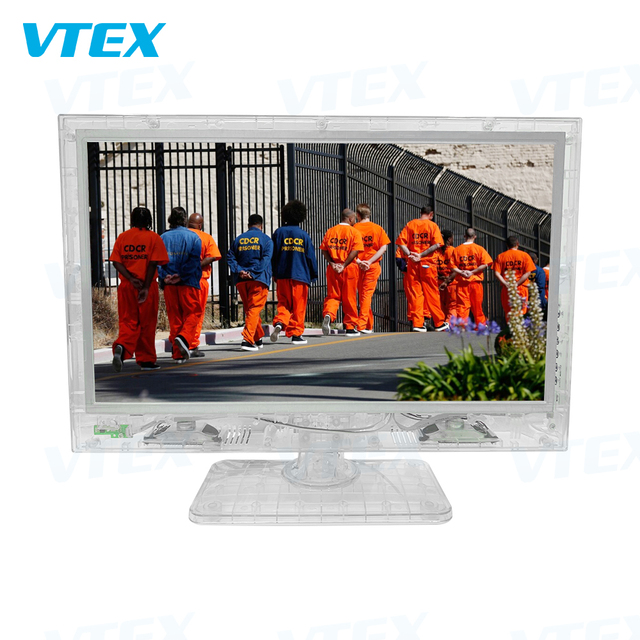
High Security Government Prison Jail Use Transparent Case Cover TV 13 15 19 22 Inch Jail Prison TV Set
 Shenzhen Vitek Electronics Co., Ltd.verified🇨🇳CN16 yrs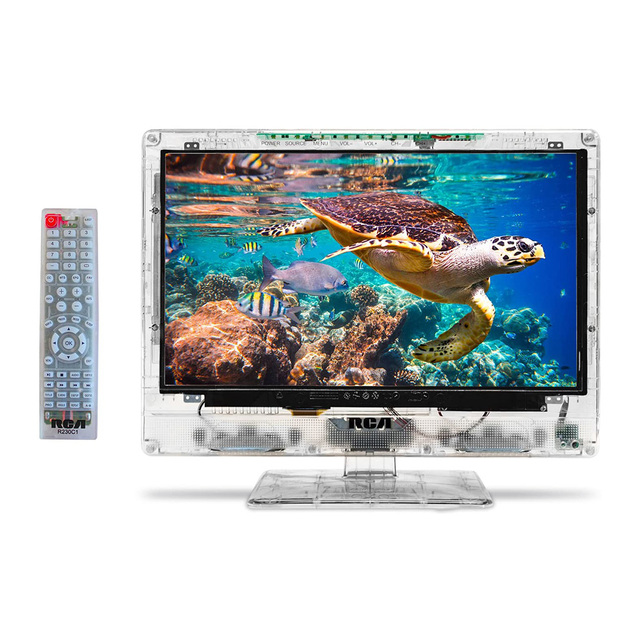
13 Inch Incarceration Television Transparent Cover Security Inmate Products Jail Supply Clear Case TV Prison
 Kontech Electronics Co., Ltd.verified🇨🇳CN6 yrs
Durable Transparent ABS Prison TV for Household Use 1366* 768 HD/ 1920*1080 FHD Electric Power Source 1-Year Warranty
 Ningbo Kadern Commodity Co. Ltd🇨🇳CN14 yrs
Related Searches
Explore more sourcing topics & related categories
Sources & References
25 sources cited · Verified industry data & reports
U.S. Television Market - Brand Share Landscape
www.grandviewresearch.com
The U.S. television market is increasingly shaped by the convergence of traditional viewing and streaming-driven consumption. Despite the prevalence of mobile devices, Americans continue to invest in large-screen TVs for living rooms and home theaters, with LED and LCD models remaining dominant due to their affordability and reliability Samsung is the clear market leader, present in roughly one-third of households, followed by LG and Vizio with strong but smaller penetration. Sony, Hisense, and TCL maintain solid shares but remain secondary choices, reflecting both long-standing brand loyalty and the influence of newer, value-focused entrants. Samsung’s growing lead is fueled by product innovation, aggressive marketing, and extensive retail partnerships. Chinese brands, particularly TCL, have achieved noticeable gains recently due to their competitive pricing and evolving product lineup. Hisense has also grown, though more modestly, and Sony’s position has stayed relatively unchanged. This dynamic reflects how shifting consumer interests, especially for advanced technology and larger screens, have influenced brand momentum. In the U.S. television market, brands are shifting strategies to respond to a streaming-first audience, price-sensitive households, and rising demand for connected home entertainment. Current trends also reflect a growing interest in energy-efficient and smart TVs. Voice control, AI-based picture optimization, and built-in streaming apps are becoming standard expectations. At the same time, the resale and upgrade cycle has shortened slightly, as younger buyers replace older models every 3–4 years to stay current with streaming and gaming technology, creating a dynamic mix of budget and premium demand across the U.S. market.
Trending As Seen on TV Products 2025
www.accio.com
Wireless Earbuds: Search interest for "wireless earbuds" shows a clear upward trend, peaking significantly in November 2025 and February 2026 with a normalized value of 71 1. This suggests strong seasonal demand, likely tied to holiday shopping or new product releases. Smart Fitness Tracker: "Smart fitness tracker" consistently maintains very low search interest, rarely exceeding a normalized value of 1 or 2 throughout the period 1. This indicates a niche market or a lack of widespread consumer attention. Steady Demand for Power Banks: Portable power banks have a consistent, albeit low, demand. Focus on product differentiation and competitive pricing to capture market share 1. Amazon Trends data highlights varying market potential and consumer preferences for "Bluetooth Bookshelf Speakers," "Smartwatches," and "Portable Pedometers" 357. Product Innovation: Consumer demand for products like wireless earbuds, smartwatches, and portable pedometers highlights opportunities for B2B buyers to source and offer enhanced products that address common pain points such as battery life, connectivity, and tracking accuracy 1357. Continued Digital Growth: The trend towards digital entertainment and retail media is expected to continue, with social platforms becoming increasingly influential in purchasing decisions 810. B2B e-commerce must integrate these channels into their sourcing and marketing strategies. Streaming Dominance: Streaming now accounts for 41.9% of television viewing hours in the US, and streaming services are increasingly competing in the $163 billion global television ad market 8.
Global TV Sales by Brand Trend 2026: Samsung, TCL & Hisense
www.accio.com
Seasonal Peaks: Google and Amazon trends both show a clear surge in interest and sales during the Q4 holiday season (November-December), highlighting a critical period for sales and marketing efforts 135. Consumer Priorities: While picture quality is a consistent positive across all segments, specific pain points like sound quality, Wi-Fi connectivity, and remote control issues emerge from Amazon reviews, indicating areas for product improvement 35. Sustained Growth in Value: The global television market is projected to grow steadily, with a CAGR of 4.9-5.23% through 2032-2033, reaching over $550 billion 26. The smart TV segment will be a primary driver of this growth 9. Technological Innovation: Continued advancements in display technologies (OLED, QLED, Micro LED) and smart features will fuel consumer upgrades, especially in developed markets 246. Market Segmentation: The clear differentiation between premium brands (Samsung, LG, Sony) focusing on innovation and value brands (TCL, Hisense, Xiaomi) offering competitive pricing will continue to shape the competitive landscape 6. Regional Market Adaptation: Tailor product offerings and marketing strategies to regional preferences, such as the upgrade-driven North American market and the value-driven emerging markets in Asia-Pacific. The global television market is poised for continued growth, driven by consumer demand for advanced smart features, higher resolutions, and larger screen sizes, despite some recent declines in overall unit shipments. Given the ongoing demand for televisions, a smart LED television offers a popular and versatile option for consumers, aligning with general market trends.
Global Television Market: Analysis Of Emerging Technologies, Consumer ...
store.millasur.com
However, as production capacities in regions like China and Southeast Asia have expanded, the price-per-inch for large-format displays has plummeted. This has led to a "size-migration" trend where 65-inch and 75-inch models are becoming the standard for average households, replacing the 55-inch models that dominated the previous decade. This shift represents a fundamental change in the "television market" as both a consumer category and a logistical challenge for retailers. While some premium sets have innovative "acoustic surface" technology, most mid-range and budget TVs benefit significantly from even an entry-level soundbar to provide clear dialogue and better bass. The television market is no longer a static industry of hardware sales. Privacy Issues: The prevalence of data tracking and ACR means that "privacy" is often a trade-off for smart features. Planned Obsolescence: Software updates for smart platforms often stop after a few years, potentially rendering the "smart" features of the TV useless even if the panel still works. Complex Choice: The sheer number of acronyms (HDR10+, Dolby Vision, HLG, QLED, OLED) makes it difficult for the average consumer to make an informed decision. Buying a television in today's market requires more than just looking at the price tag. Manufacturers are no longer just selling screens; they are selling portals to vast digital libraries, necessitating a deeper understanding of both the physical product and the digital infrastructure supporting it. Market dynamics have also been heavily influenced by global economic shifts and supply chain fluctuations.
Smart TV Market Size, Trends & Leading Players, 2033
www.persistencemarketresearch.com
This trend is accompanied by the emergence of startups introducing their unique smart television offerings, resulting in a highly diverse and competitive market landscape. To stay ahead of evolving market trends, companies are making substantial investments to expand production capabilities and enhance their technological features. Their goal is to develop innovative features and integrate technologies into smart televisions that can be effectively introduced and embraced by the market. ... June 2024, Samsung, a leading TV manufacturer, is focusing on incorporating artificial intelligence into its latest Neo QLED and OLED TVs. These smart televisions offer a transformative viewing experience with double the computational power, delivering precise content display in both 4K and 8K resolutions. The innovative NQ8 AI Gen3 processor enhances image quality, while the AI Motion Enhancement PRO feature ensures sharp and clear visuals even during fast-moving scenes. Nevertheless, online channels are the fastest-growing segment, propelled by rising e-commerce penetration globally, promotional events such as Amazon Prime Day and Singles' Day driving massive volume spikes, and the growing maturity of online return logistics that reduce perceived purchase risk for large-screen products. The residential segment commands the dominant share of approximately 78% of smart TV end-use demand in 2025, driven by household-level upgrades, multi-TV households in developed economies, and rising first-time smart TV penetration in developing markets. Households in the U.S. own an average of 2.3 television sets, highlighting the depth of residential demand. According to the International Telecommunication Union (ITU), global internet users surpassed 5.4 billion in 2023, up from 4.9 billion in 2021, with a significant share accessing streaming content via connected televisions. Netflix alone reported 301.6 million paid subscribers globally as of Q4 2024, underscoring the scale of demand for smart, streaming-capable displays. This OTT-TV convergence compels device makers to deepen integrations with content platforms, creating lock-in effects and intensifying competition around operating system quality. For stakeholders, this means smart TVs are evolving from commoditized hardware into ecosystem-anchored platforms, rewarding brands that control both the content discovery layer and the hardware experience.
Smart TV Market Size, Share, Trends | Industry Forecast [2034]
www.fortunebusinessinsights.com
Data Privacy and Cybersecurity Concerns to Limit Market Growth · Many consumers hesitate to fully embrace smart televisions due to concerns about unauthorized data collection and potential spying through built-in cameras and microphones. Smart and advanced TVs frequently collect and transmit user data, including viewing habits, to third parties without clear consent, undermining consumer trust and reducing purchase intent. Furthermore, online sales channels enable manufacturers and retailers to offer competitive prices, discounts, and flexible financing options, such as zero-cost EMIs, making smart televisions more affordable, especially in price-sensitive markets. For instance, in June 2020, Samsung launched ‘The Frame 2020’ and 10 new smart television models on e-commerce platforms Flipkart, Amazon, and its official Samsung Shop in India. These included advanced features such as voice assistants, including Google Assistant, Amazon Alexa, and Bixby, as well as personalized content and productivity features. The Germany market reached a value of approximately USD 11.69 billion in 2025, equivalent to around 4.53% of global product sales. The South America and the Middle East & Africa markets are expected to grow at a moderate rate over 2026 to 2034. The South America market reached a valuation of USD 15.90 billion in 2025. The rising demand for affordable smart televisions in mid-income segments within these regions significantly contributes to volume sales and market dominance, thereby fostering market growth. Asia Pacific dominated the smart tv market with a market share of 35.51% in 2025. A smart TV is a television with built-in internet connectivity and an operating system, allowing users to access streaming services, apps, web browsing, and smart home device integration without additional hardware.