Computers Textil

Overview
Product sourcing insights & recommendations
The "computers textil" market in 2026 is defined by the rapid transition of Artificial Intelligence (AI) from a competitive advantage to an essential industry baseline Ifactoryapp. The industry is shifting away from high-volume basic apparel toward high-value technical textiles, which are projected to grow at a 7.7% CAGR AtradiusTextilevaluechain.
Key Market Trends & Insights for 2026
* AI-Driven Productivity: Smart factories are expected to boost output per worker by 50–70%, with labor costs projected to be 18–35% lower than traditional facilities Textilevaluechain.
* Computerized Quality Control: AI-vision systems now achieve 95–99.3% accuracy in defect detection, significantly outperforming manual inspection and reducing defect rates from 8–12% to just 2–4% IfactoryappTextilevaluechain.
* Predictive Operations: AI enables predictive maintenance that can forecast machine failures 2–6 weeks in advance, cutting downtime by up to 40% Ifactoryapp.
* Sustainability & Traceability: Computerized systems are now vital for meeting EU 2030 recyclability mandates by tracking energy and water usage per meter IfactoryappSvegea.
Trending Product Categories
* Computerized Machinery: High-precision automated embroidery and sewing machines are leading the shift toward intelligent garment processing AlibabaAlibaba.
* Smart E-Textiles: Consumer demand is surging for App-controlled smart heated socks and wearables with integrated sensors for temperature regulation AlibabaAlibaba.
I have compiled detailed lists of trending computerized machinery and smart textile products, including their specifications, pricing, and supplier locations, in the files below.
You can explore more 'computers textil' opportunities by:
Computerized Textile Machinery Automated Knitting Machine Embroidery Machine 2026
Products · 2 lists
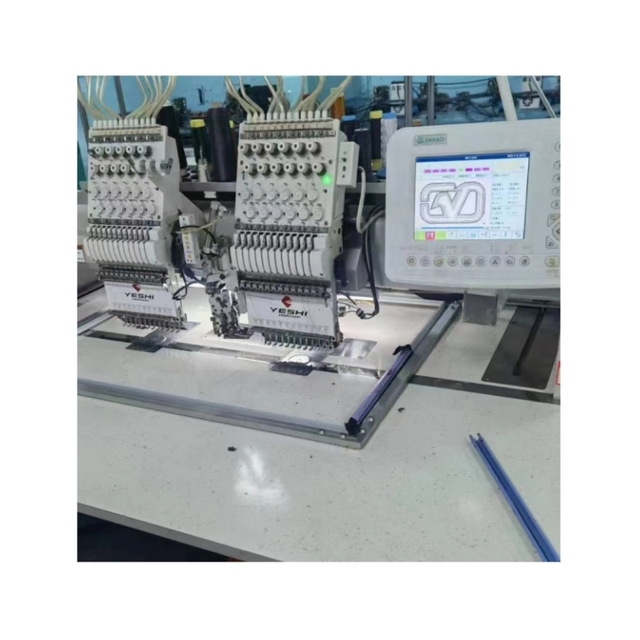
High Quality 12 Needle Embroidery Machine Computerized Embroidery Machine Clothes Double/Two Head Embroidery Machine
 Shenzhen Shengmingfa Technology Co., Ltd.🇨🇳CN7 yrs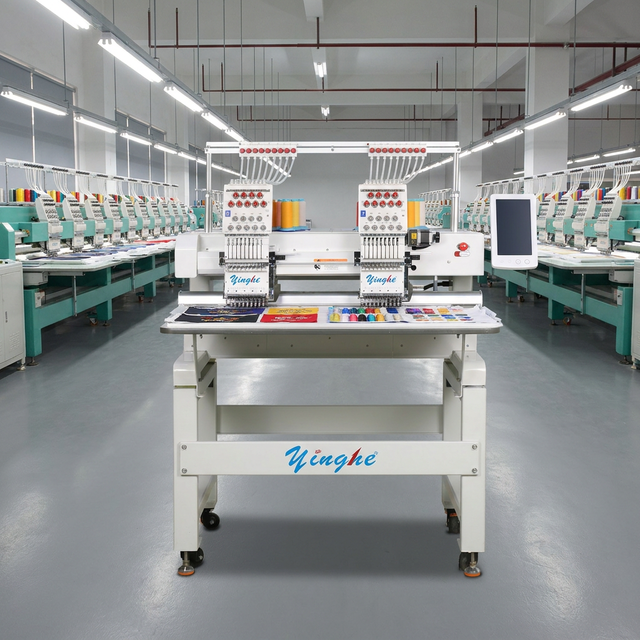
Automatic Sewing Embroidery Machine Intelligent All-in-one Type for One Stop Processing of School Uniform Garment Embroidery
 Guangzhou Yinghe Electronic Instruments Co., Ltd.verified🇨🇳CN12 yrs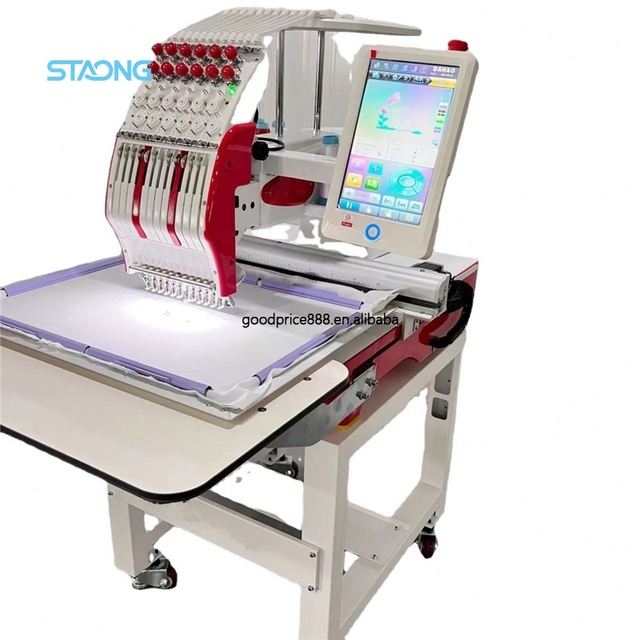
Hot Sale Computerized Embroidery Machine High Speed Sewing Machine for Home Industrial Clothing Textile
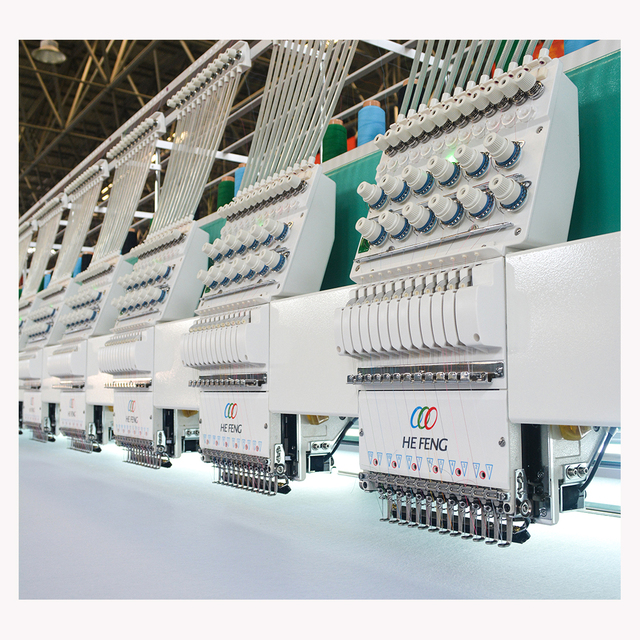
Custom Industrial Multi Heads Computerized Textile Sewing Embroidery Machine
 HEFENG COMPUTERIZED EMBROIDERY MACHINES LIMITED🇭🇰HK13 yrs
Yuanheng 20-Head Flat & Sequin Industrial Computerized Embroidery Machine With Customized Sequin Cover Supporting 6/9/12 Needles
 Zhuji Yuanheng Sewing Equipment Co., Ltd.🇨🇳CN1 yr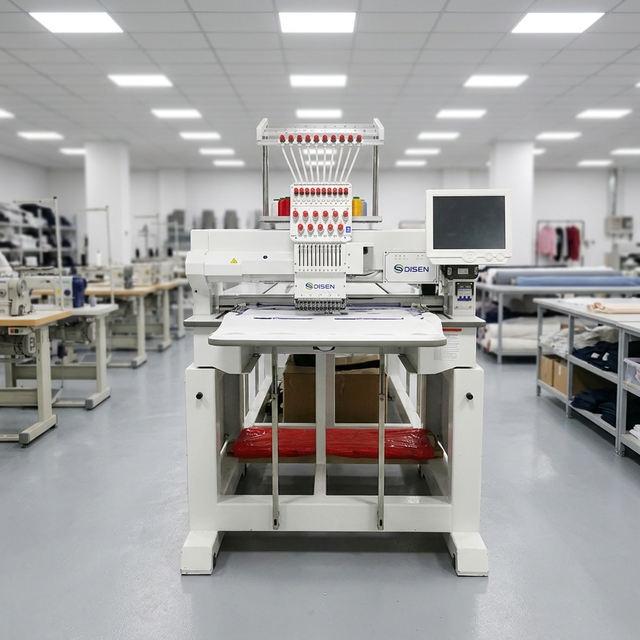
6 Head Computerized Embroidery Machine Multi Needle Automatic for Commercial Production
 Guangzhou Disen Electromechanical Equipment Co., Ltdverified🇨🇳CN14 yrs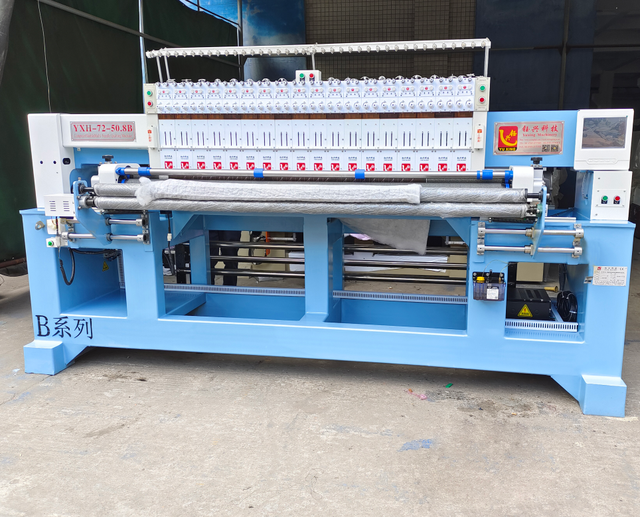
180CM Width 1000RPM Automatic Computerized Quilting Embroidery Machine with Motor 4KW Power ISO/CE Certified for Garments
 Dongguan Yuxing Machinery Equipment Technology Co., Ltd.🇨🇳CN18 yrs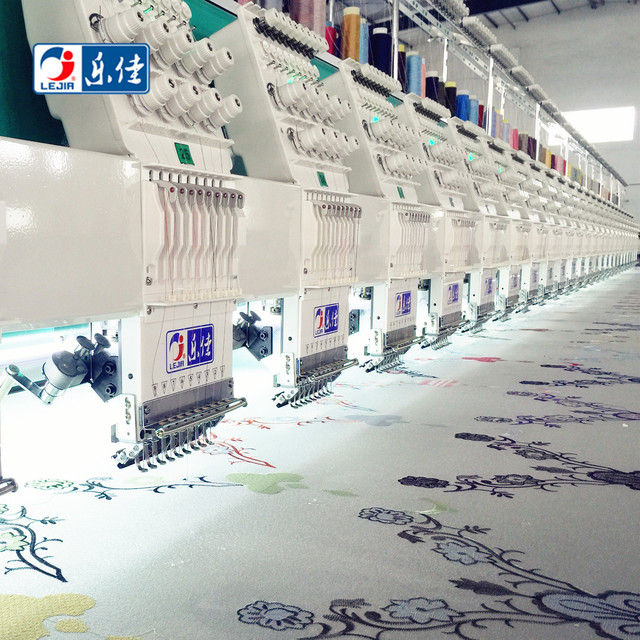
China Factory 12 Head 12 Needles High Speed Computerized Flat Embroidery Machine for Clothes T-shirt Satin
 Zhejiang Lejia Electrical Machinery Co., Ltd.verified🇨🇳CN20 yrs
Sewing Machine with High Precision Embroidery Design
 Ningbo Shangxi Automation Technology Co., Ltd.🇨🇳CN3 yrs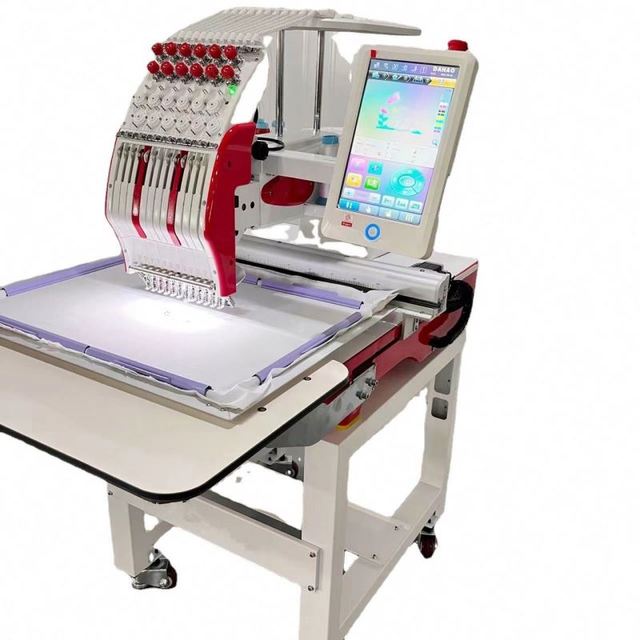
Sewing Machines Industry Machinery Best Selling Embroidery Machine Computerized Industrial Sewing Machines Industry Machinery
Related Searches
Explore more sourcing topics & related categories
Sources & References
10 sources cited · Verified industry data & reports
The Future of AI in Textile Industry: Trends and Predictions for 2026
ifactoryapp.com
Computer vision systems scanning fabric at full production speed have moved from pilot programs to mainstream deployment. These systems achieve 95–99.3% defect detection accuracy — catching holes, broken yarns, weave inconsistencies, and shade deviations that manual inspection at line speed physically cannot match. By 2026, mills running manual QC at end-of-line are paying defect-related rework and rejection costs that competitors using AI inspection have eliminated entirely. A practical self-assessment across the five areas where the 2026 AI-enabled mill differs most sharply from the reactive mill of today. Our support team can walk you through a live assessment of your current machine register and show you exactly which of these five areas would deliver the fastest ROI at your facility — in a free 30-minute session. No commitment, no setup cost to find out. Book a Demo ... Deepest AI integration globally. Those who wait will find themselves competing against factories that produce more, waste less, and break down less often — using the same raw materials and a fraction of the manual intervention. 2026 is the year AI moves from pilot project to production standard across textile manufacturing. From predictive maintenance and vision-based quality control to digital twins and autonomous scheduling — 2026 marks the year AI transitions from competitive advantage to industry baseline in textile manufacturing. Here is what is happening, what is coming, and what it means for your factory floor.
Textile Automation Trends 2026: Market Size, ROI & 30–70% ...
textilevaluechain.in
The global textile industry is undergoing a measurable transformation driven by automation, with companies like Dataintelo highlighting strong growth trends backed by hard data. As of 2026, automation is no longer optional—it is a competitive necessity, with manufacturers leveraging robotics, AI, and IoT to improve efficiency, reduce costs, and increase output consistency. This article explores automation in textiles using quantified insights, recent statistics (2021– 2026), and measurable performance benchmarks to provide a clear, data-backed understanding of its impact. The next phase of automation will be driven by AI and sustainability: • AI adoption in textile manufacturing expected to grow by 18–22% CAGR • Fully autonomous factories projected to increase from 5% (2025) to 18% (2030) • Sustainable automation (water/energy-saving tech) adoption to rise by 30–45% • Global textile automation market projected to reach $22–25 billion by 2030 · Conclusion: Automation Is a Numbers-Driven Advantage · Automation in the textile industry is no longer theoretical—it delivers measurable, proven results: ... As highlighted in recent insights, companies adopting automation between 2023 and 2026 are outperforming competitors in both efficiency and profitability. Automation in textiles has seen consistent year-on-year growth: Between 2021 and 2026, the industry is expected to grow by 111%, more than doubling in size. With the potential to double output, cut costs by one-third, and reduce waste significantly, automation is set to define the textile industry’s trajectory through 2030 and beyond. Businesses that invest today are not just optimizing operations—they are positioning themselves for quantifiable long-term growth in a data-driven manufacturing era. Read A Full Report: https://dataintelo.com/report/automation-in-textile-market-report
Key Insights into the Global Textile Industry Today
www.globaltextiletimes.com
Modern textile manufacturing facilities utilize automated systems to control complex machinery, reducing human involvement while increasing accuracy and efficiency. The advent of computerized looms has facilitated the production of intricate patterns with minimal human oversight, while automated cutting systems help minimize fabric waste. Integrated quality control systems utilize computer vision technology to identify defects imperceptible to the human eye. However, the modernization of textile manufacturing has created both opportunities and challenges. While developing nations benefit from low labor costs, established textile centers have increasingly focused on high-tech applications and automated production methods. The textile industry has seen revolutionary changes over the past few decades, especially with the introduction of computerized manufacturing systems, automation technologies, and digital design tools. The cotton market trends in Brazil witnessed a significant... ... The USDA’s newly unveiled Great American Cotton Plan may look, at... ... For years, the textile industry viewed sustainability primarily as...
Textile Trends and Transformation, 2026 Outlook - Atradius Blogs
resources.atradius.us
Despite near term challenges, the long-term outlook remains constructive. The industry is projected to grow at a 2.7 percent compound annual rate beginning in 2026, reaching approximately $158.7 million by 2033. U.S. textile and apparel shipments totaled $60.9 billion in 2025. The US also remains a global leader. Access our online business intelligence platform designed to help you manage your portfolio.Logininto Atradius Insights · Access our debt collection management system for Collections-only customers.Logininto Collect@Net · Choose another country or region to see content specific to your location. ... Hi readers, we are back with another industry update, and textiles are in the spotlight. High interest rates and sluggish economic growth continued to weigh on consumer spending. Consumers pulled back, and the industry felt it. Growth in 2026 is coming from a different fabric. Technical textiles are outperforming traditional apparel, driven by demand in automotive, construction, and medical applications. It is the second largest exporter of textile related products and supplies more than 8,000 textile items to the US military, proving its strength across both commercial and critical applications. Overall, the industry is evolving away from volume driven apparel toward higher value, specialized, and performance focused products. That shift is helping stabilize results and stitch together new opportunities for growth. Policy and regulation are playing a much bigger role in industry risk for 2026.
Garment Industry News & Trends 2026: Key Insights for Textile ...
www.chaotengfabric.com
The application of garment tech across the manufacturing spectrum is accelerating at an unprecedented rate, reshaping how apparel is designed, sampled, cut, sewn, and finished in 2026. Three-dimensional digital design software has become the industry standard, allowing designers to create photorealistic virtual prototypes that eliminate the need for multiple physical samples and dramatically shorten development lead times. Artificial intelligence is being deployed on production lines to perform real-time quality inspection using computer vision systems that can detect stitching defects, color inconsistencies, and fabric flaws at speeds far beyond human capability. The global garment industry is undergoing a seismic transformation as we move through 2026, driven by shifting consumer expectations, tightened regulatory frameworks, and rapid technological adoption across the supply chain. Textile professionals today face a marketplace where speed, transparency, and sustainability are no longer optional but essential for survival. For the latest developments and case studies in high-performance textiles, the News section of Ascend Textile's platform offers ongoing insights into fabric technology advancements and market applications that are relevant to forward-thinking apparel brands. In conclusion, the garment industry in 2026 presents a landscape rich with both challenges and opportunities for textile professionals who are prepared to embrace change. 广州超腾纺织有限公司, operating as Ascend Textile, exemplifies how a focused R&D studio can capitalize on these market trends by delivering high-performance fabric solutions that combine scientific rigor with practical application for global apparel brands.
Textile Trends in 2026: Key Insights for Garment Manufacturers
svegea.se
Eco-friendly fabrics top textile trends in 2026. Recycled polyester and nylon grow fast, pushed by EU rules for recyclable clothes by 2030. Lyocell markets double to $3.4 billion by 2032 from closed-loop processes. Blends of hemp or recycled cotton appear in activewear. For that reason, factories upgrade to meet global standards. Smart fabrics with sensors and energy-harvesting tech lead textile trends in 2026. AI detects defects early, cuts waste. Nano-engineered materials boost performance in autos and medical gear. Demand from construction drives growth. In the USA and India, wearable tech integrates into apparel. Phase-change fabrics regulate temperature. Portugal firms innovate with full value chains nearby. As a result, production speeds up. Global fiber output nears 160 million tonnes by 2030, but recycled shares must climb. Textures return strong. Ruffles and bubble hems trend +20%. Purple hues from lilac to plum add vibrancy. Creamy yellows like vanilla become neutrals. Textile trends in 2026 mix these with sustainability. Manufacturers layer them into versatile lines. India faces US tariffs, so exporters cut prices and shift to the EU’s $137 billion trade. Facilities upgrade for ethical sourcing. USA buyers push recycled content amid consumer surveys showing 60% prioritize green. Portugal excels in quality home textiles at events like Intertex 2026.