Cpu Fibers

Overview
Product sourcing insights & recommendations
The phrase "CPU fibers" primarily refers to two distinct technological domains: High-Performance Computing (Optical Interconnects) and Industrial Biotechnology (Biocomposite Fibers).
In computing, it represents the shift toward optical I/O, where optical fibers are connected directly to the CPU/GPU package via silicon photonics chiplets to overcome traditional copper bandwidth limits in AI data centers. In biotechnology, "CPU" stands for Chitosan/PVA/Alginate, a hybrid biocomposite fiber used for microbial cell immobilization in wastewater treatment and fermentation.
The detailed report below covers the market trends, definitions, and product availability for both sectors.
Here is the comprehensive report on CPU fibers. You can continue by:
Optical Fiber Chiplet Interconnect For Cpu High Bandwidth Ai Data Center
Products · Top picks & verified manufacturers
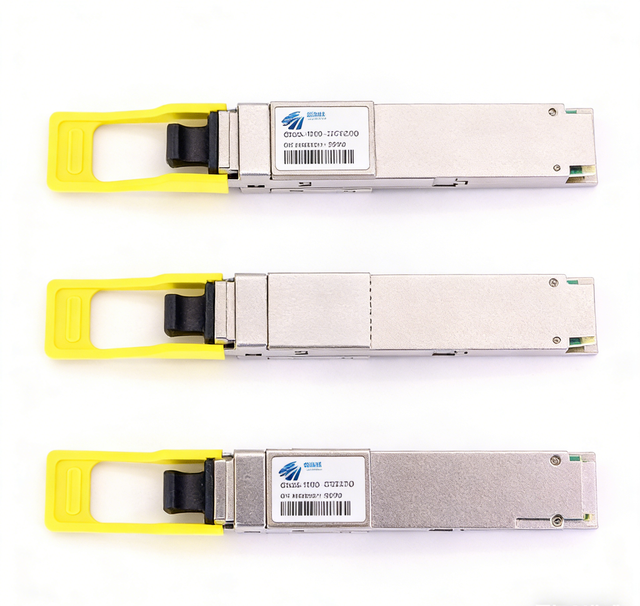
YYGL 400G QSFP112 DR4 PAM4 1310nm 500m DOM MPO-12/APC Fiber Optic Transceivers Data Center Interconnect (DCI) AI Computing
 Wuhan Yi Yuan Guanglian Information Technology Co., Ltd.🇨🇳CN1 yr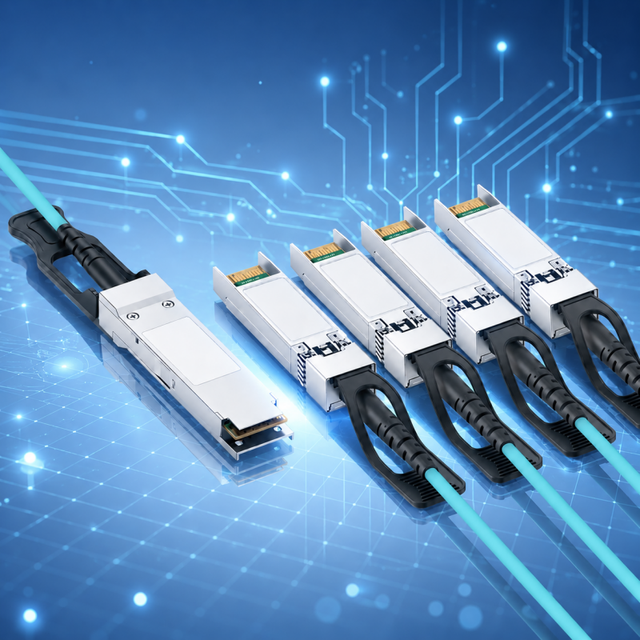
Enterprise Data Center 5G Cloud Computing 40GBASE SR4 QSFP+ to 4x10G SFP+ MPO AOC Active Optical Cable
 Hongguang Communication (Kunshan) Co., Ltd.🇨🇳CN1 yr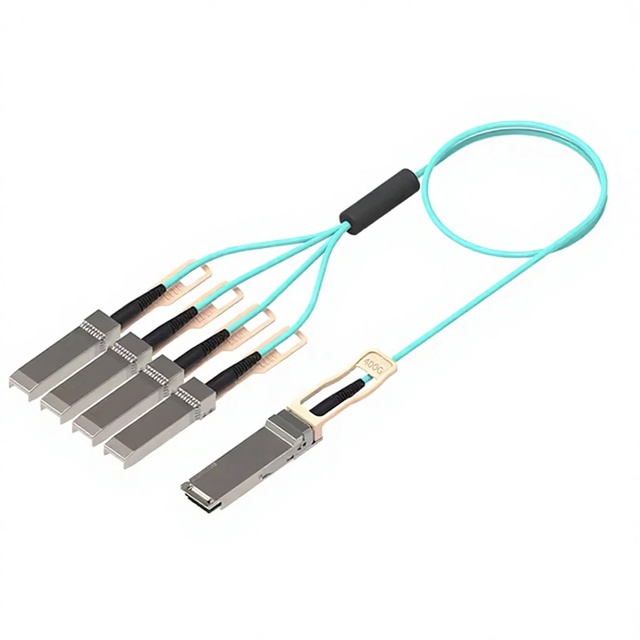
YTOPTO QSFP56 400G 4*100G AOC Compatible Nvidia/Mellanox/ 1m-100m AI HPC Data Center Interconnect CE/ROHS/FCC/ISO9001
 Shenzhen Ytopto Technology Co., Ltd.🇨🇳CN2 yrs
10G SFP+ Module Gigabit Optical Transceiver 1.25G SFP Fiber for AI Data Center High Bandwidth Single Mode/Multi-Mode Long
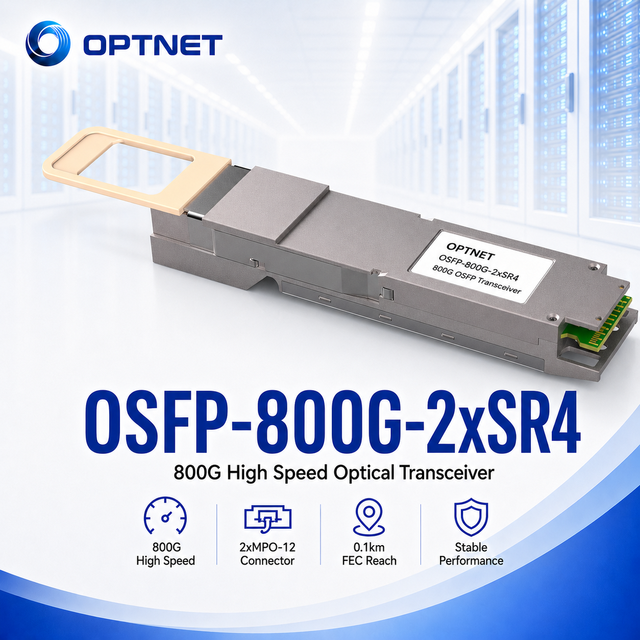
For AI Data Center High Speed Interconnect Applications with 850nm 2xMPO-12 MMF 100m Reach 800G OSFP 2xSR4 Optical Transceiver
 Beijing Chujiweiye Technology Co., Ltd.verified🇨🇳CN1 yr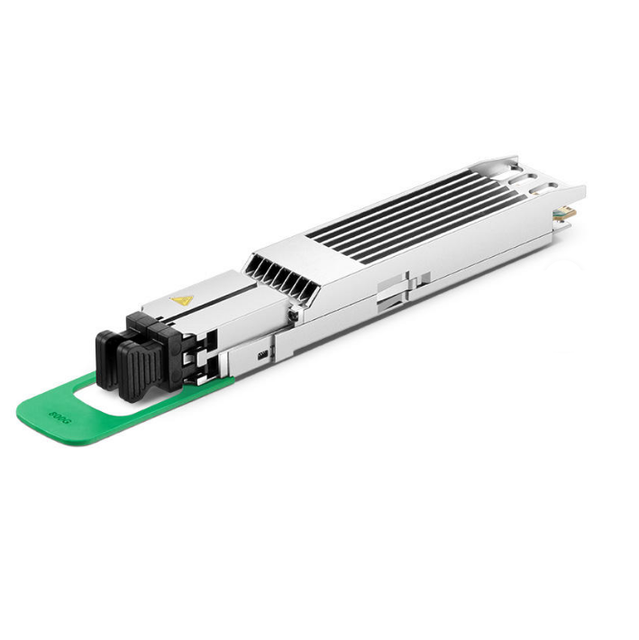
400G OSFP to QSFP-DD Active Fiber Optic Cable Direct Connection AOC 425G Data Center AI Cluster Short Distance 1-100m
 Wuhan Huaxin Xintong Technology Co., Ltd.🇨🇳CN3 yrs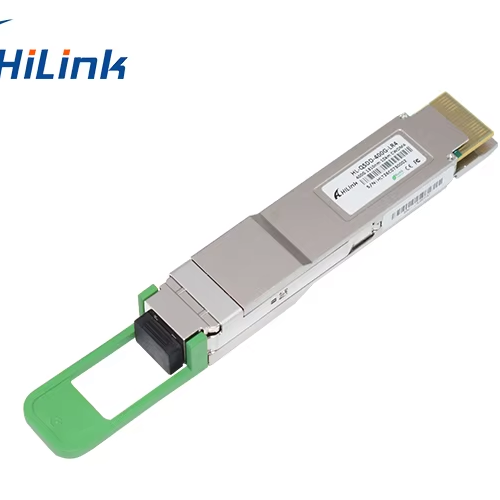
QSFP-DD 400G CWDM4 LR4 10km Duplex LC Connector Optical Transceiver Low Power Consumption for Data Centers AI Application
 Shenzhen Hilink Technology Co., Ltd.🇨🇳CN13 yrs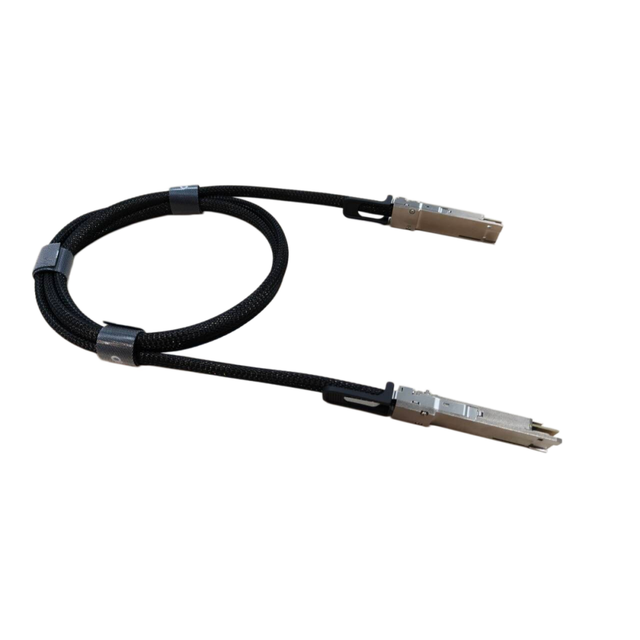
QSFP 400G AOC Active Optical Cable 400Gbps High Rate Interconnect Cable Stable Signal for Cloud Data Center Application
 Zhangjiagang Rich Opto International Trading Co., Ltd.verified🇨🇳CN1 yr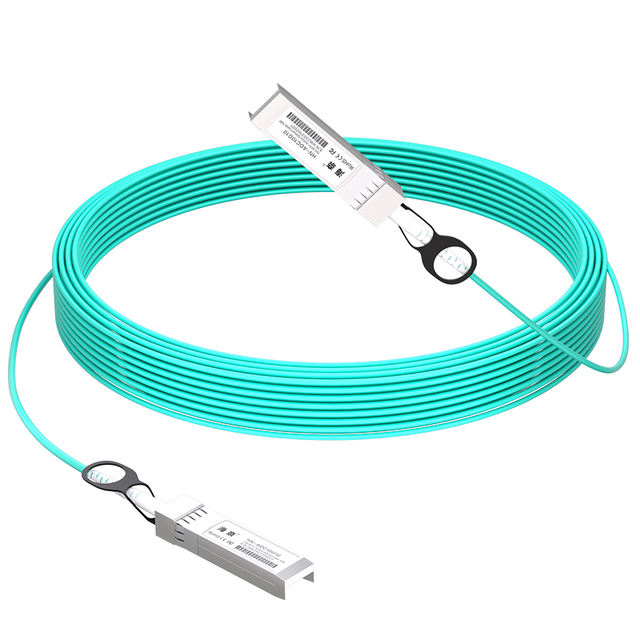
SFP28 25Gbps Direct Attach AOC Stacking Cable OM3 Multimode Fiber Optic Cable for Data Center Switch Interconnect CE ROHS
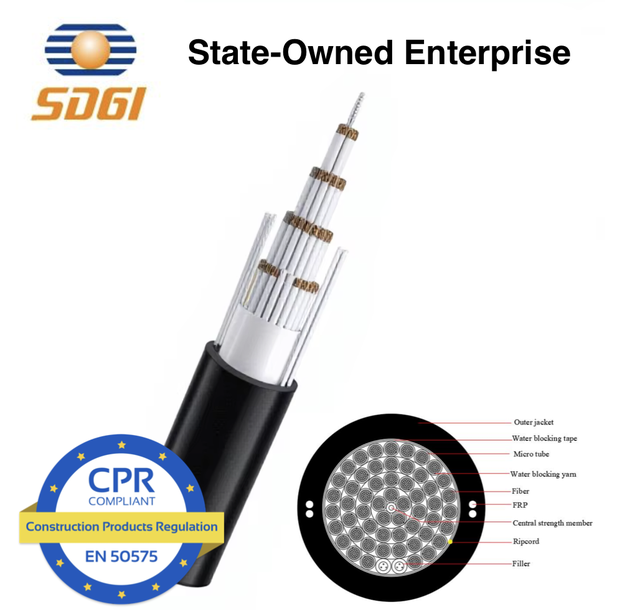
SDGI CPR Certificated G652D Ultra High Density Stranded Fiber Optic Cable Model G657A1 for AI Data Centers Backbone Interconnect
 Shenzhen Sdgi Photoelectricity Technologies Co., Ltd.🇨🇳CN9 yrs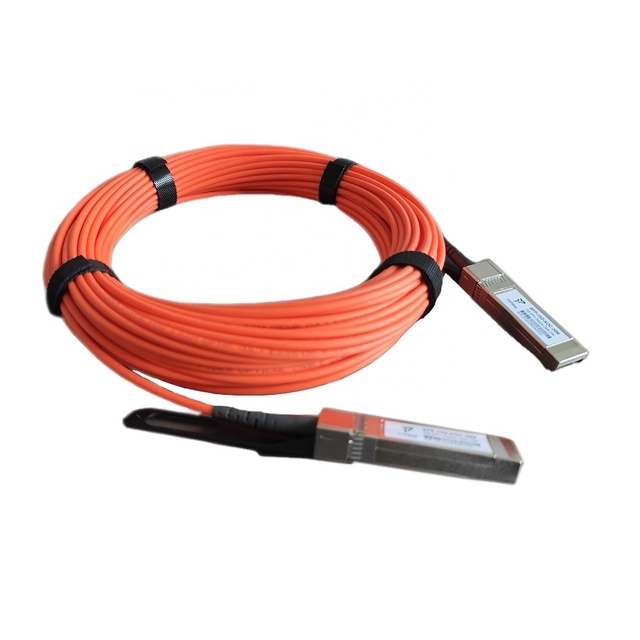
10G SFP+ AOC Cable Active Optical Cable 1M 2M 3M 5M 7M 10M High Speed Interconnect for Data Center Network Server
 Wuhan Yongxinfeng Science & Technology Co., Ltd.verified🇨🇳CN9 yrs
Data Center High Speed Optical Connectivity OM3 10G SFP28 Active Optical Cable 1 to 150 Meter
 Ningbo Dowell Tech Co., Ltd.🇨🇳CN7 yrs
Wanbao OEM/ODM 10G SFP+ FTTH Active Optical Cable (AOC) for High-Density Data Center Connectivity
 Shanghai Wanbao Optical Technologies Co., Ltd.🇨🇳CN9 yrs
400GBASE DCI Optical Transport Platform 2*200G CFP2 to 4*100G QSFP28 Muxponder DWDM OTN Equipment System
 Shenzhen Fb-Link Technology Co., Ltd.🇨🇳CN3 yrs
400g Qsfp-dd Aoc Active Optical Cable Optical Link High-speed Data Center Infrastructure Mexico
 Guangxi Nuoxin Technology Co., Ltd.🇨🇳CN1 yr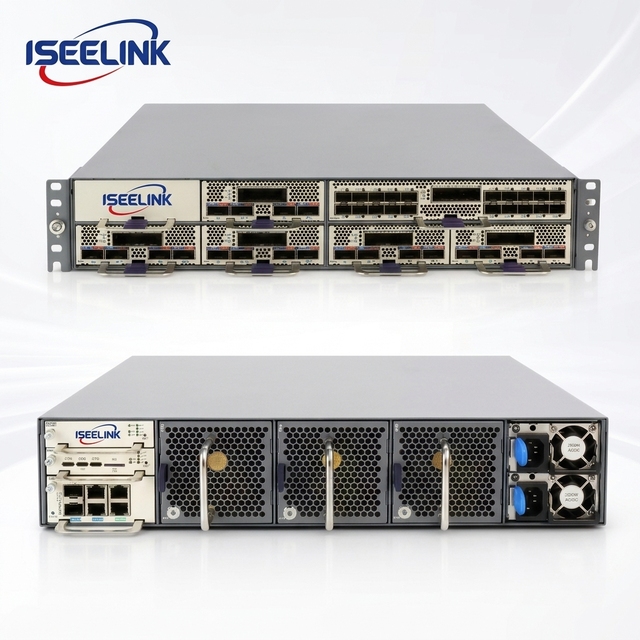
Customizable 200G/400G/800G Data Center Interconnect DCI-BOX DCI5800-2U Coherent WDM Ultra-High-Capacity Optical Equipment
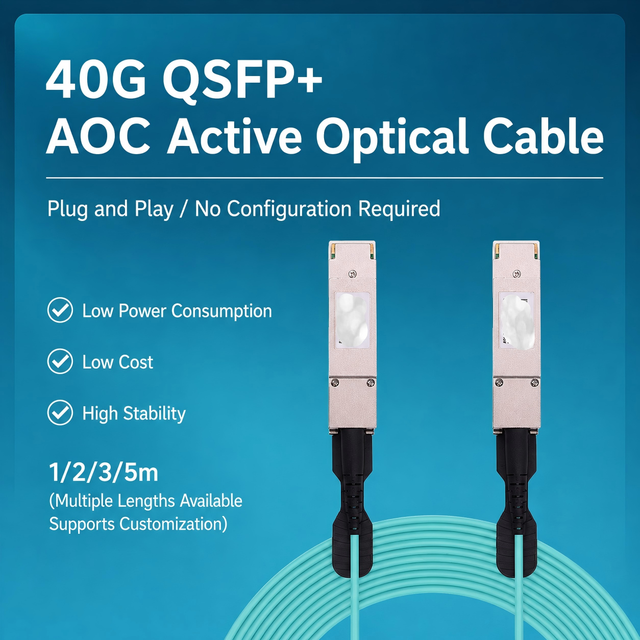
40G QSFP+ to QSFP+ AOC Active Optical Cable 850nm MMF Data Center Switch Interconnect Multi-Vendor Compatible 5G Ready
 III-V TECHNOLOGY (SHENZHEN) CO., LTD.🇨🇳CN2 yrs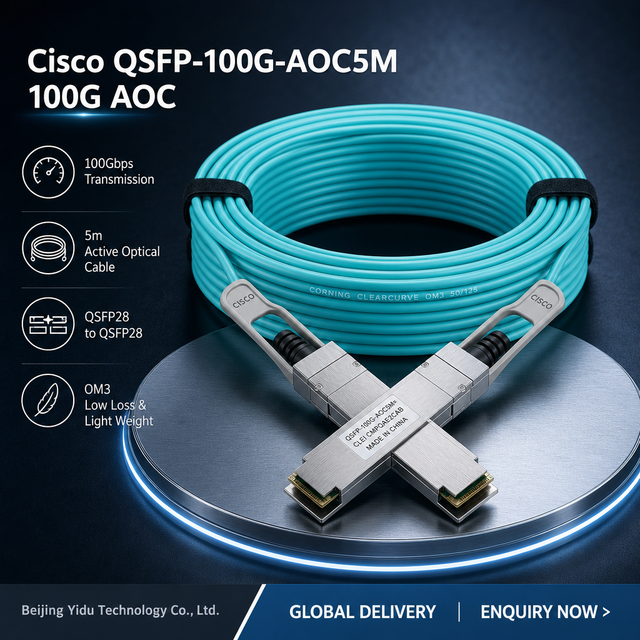
Original Ciscos QSFP28 100G AOC5M 5m High Speed Short Reach High-Density ToR Data Center Interconnect Fiber Optic Transceiver
 Beijing Yidu Technology Co., Ltd.🇨🇳CN2 yrs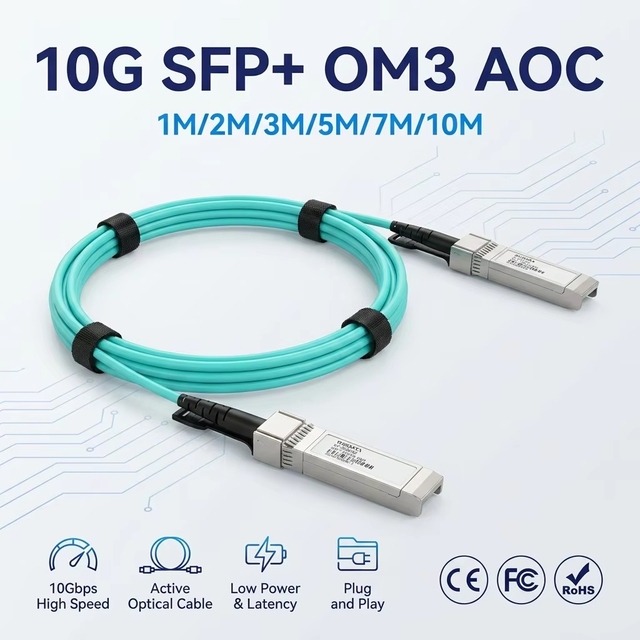
10G AOC SFP+ Active Optical Cable 1m 3m 5m 7m 10m High Speed Direct Attach Fiber Cable for Data Center Interconnect
 SHENZHEN WOLCK NETWORK PRODUCT CO.,LIMITEDverified🇨🇳CN13 yrs
Customizable 200G/400G/800G Data Center Interconnect DCI Transport Platform OEM/ODM Supported Flexible Configuration
 Sino-Tech Technologies Co., Ltd.verified🇨🇳CN1 yr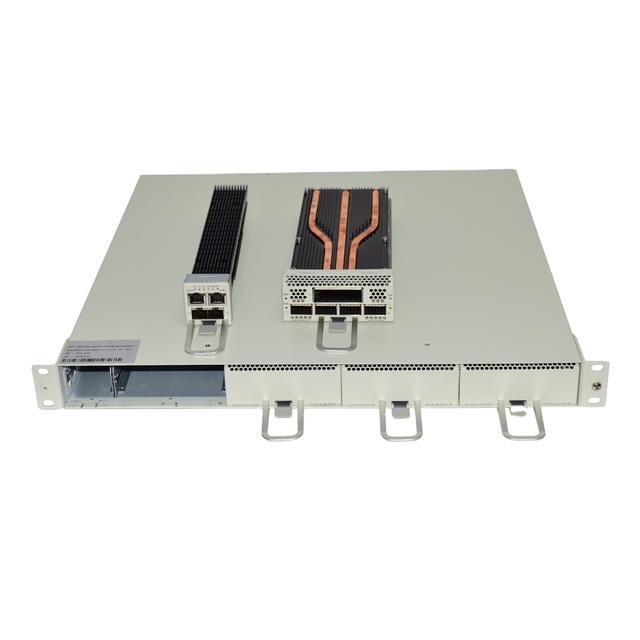
Data Center Interconnection DCI Solution 1U Rack 16*100Gbps to 1.6T Optical Service Conversion System 100G to CFP2-DCI Muxponder
 Shenzhen Hilink Technology Co., Ltd.🇨🇳CN15 yrs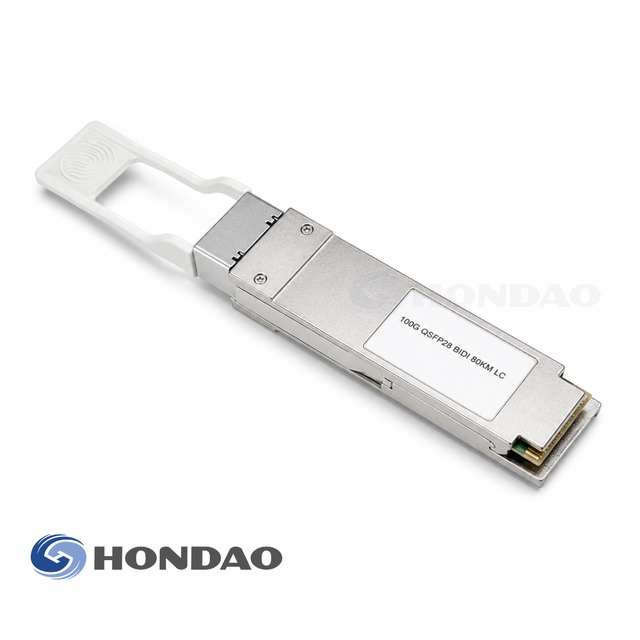
QSFP-DD 400G SR4 Multimode Optical Module for High Density Ethernet Data Center Applications
 Hangzhou Hondao Optic Co., Ltd.verified🇨🇳CN2 yrs
25G SFP28+ AOC Active Optical Cable 1m LC Duplex Direct Attach High-Speed Fiber Interconnect for Fiber Optic Transceivers
 Dongguan Pintong Optoelectronic Technology Co., Ltd.🇨🇳CN4 yrs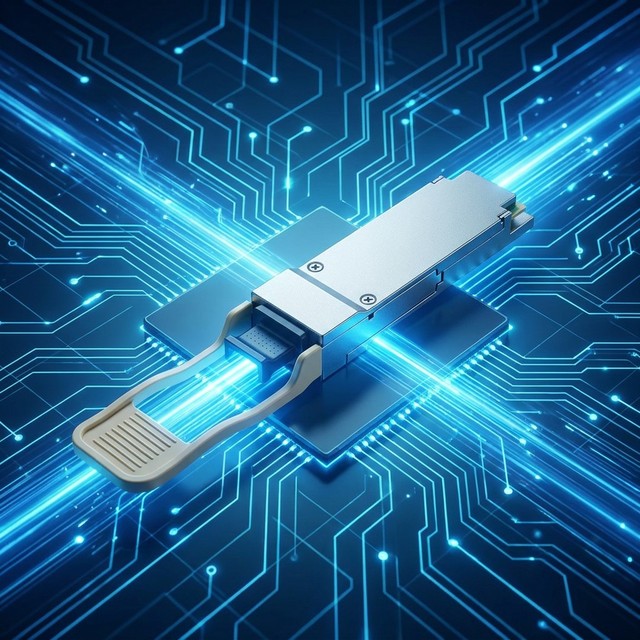
Wholesale High Speed 850nm OM4 MMF MPO Connector QSFP28 100G SR4 FTTH Optical Transceiver SFP Module
 Shenzhen Skylynn Communication Co., Ltd.verified🇨🇳CN9 yrs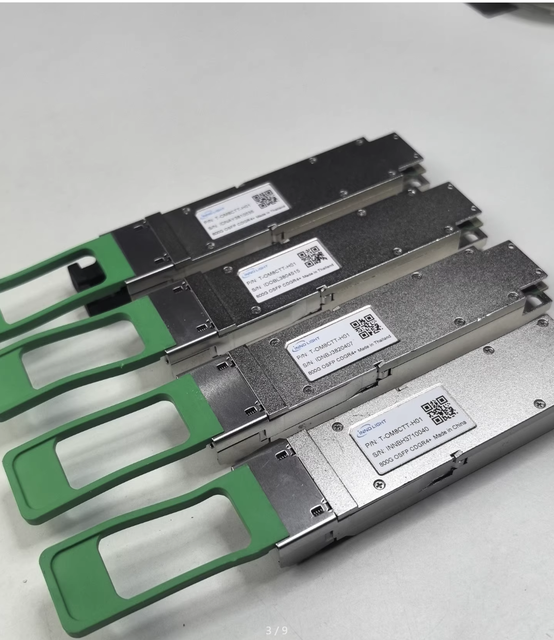
Innolight 800G OSFP CDGR4 MPO Fiber Optic Module T-OM8CTT-HO INNBH3710040 Data Center Interconnect
 Shenzhen Danxingdao Decoration Engineering Design Co., Ltd.🇨🇳CN2 yrs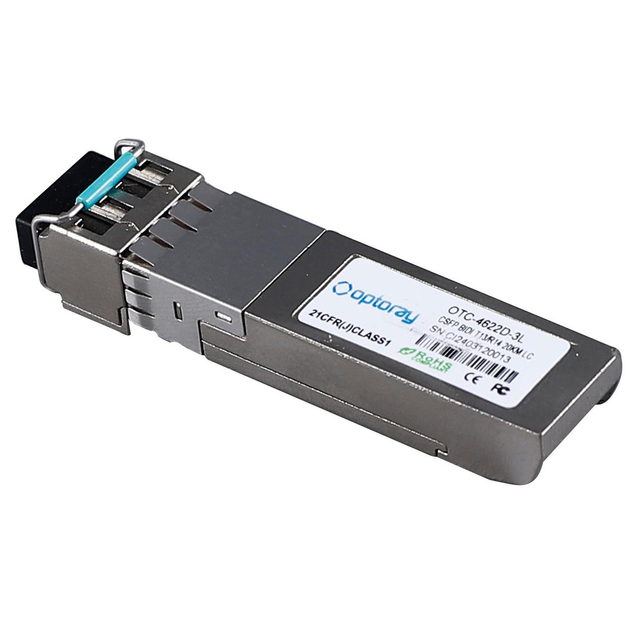
High Quality 1.25Gb/s CSFP 1310nm/1490nm Transceiver Module 20km LC Connector DDM SM Fiber Optic WiFi POE 4G Optoray
 HUANGSHAN OPTORAY COMMUNICATION CORP., LTD.🇨🇳CN5 yrs
Deep Dive · Full Report
Full Market Report
1 document · Live-fetched from source
Related Searches
Explore more sourcing topics & related categories
Sources & References
26 sources cited · Verified industry data & reports
Fiber (computer science) - Wikipedia
en.wikipedia.org
Because fibers multitask cooperatively, thread safety is less of an issue than with preemptively scheduled threads, and synchronization constructs including spinlocks and atomic operations are unnecessary when writing fibered code, as they are implicitly synchronized. However, many libraries yield a fiber implicitly as a method of conducting non-blocking I/O; as such, some caution and documentation reading is advised. A disadvantage is that fibers cannot utilize multiprocessor machines without also using preemptive threads; however, an M:N threading model with no more preemptive threads than CPU cores can be more efficient than either pure fibers or pure preemptive threading. In some server programs, fibers are used to soft block themselves to allow their single-threaded parent programs to continue working. In this design, fibers are used mostly for I/O access which does not need CPU processing. This allows the main program to continue with what it is doing. On Microsoft Windows, fibers are created using the ConvertThreadToFiber and CreateFiber calls; a fiber that is currently suspended may be resumed in any thread. Fibers (sometimes called stackful coroutines or user mode cooperatively scheduled threads) and stackless coroutines (compiler synthesized state machines) represent two distinct programming facilities with vast performance and functionality differences. Less support from the operating system is needed for fibers than for threads. They can be implemented in modern Unix systems using the library functions getcontext, setcontext and swapcontext in , as in GNU Portable Threads, or in assembler as boost::fibers.
Wisp Wiki: Fibers
teamwisp.github.io
Fibers in combination with a task-manager is extremely powerful yet simpler to use than normal threading. CPU’s are currently in a transition phase where high core count cpu’s become available to mainstream consumers. Thinking how to parallelize now will give you an edge in the coming years and allow your project to scale more efficiently. At the moment of writing this the exact product vision for the Wisp project is still being defined. In a fiber context the task scheduler manages allocations, frees resources and maintains the fiber pool. The fibers provide stack space but the task scheduler manages the stack & registers. A thread is created for each cpu core and acts as the execution unit, Fibers are the context. Fibers describe essentially the same concept as coroutines. The distinction, if there is any, is that coroutines are a language-level construct, a form of control flow, while fibers are a systems-level construct, viewed as threads that happen to not run in parallel. The atomic counter assigned to each fiber can be decremented, allowing you to yield fibers until your conditions/dependencies are met e.g. waiting for another Fiber to finish execution. This allows for yielding in the middle of an execution (Including deep call stacks) then waiting for another Fiber to finish before gracefully continuing execution from where you have left off.
Two Startups Are Bringing Fiber to the Processor - IEEE Spectrum
spectrum.ieee.org
Both companies are developing fiber-connected chiplets, small chips meant to share a high-bandwidth connection with CPUs and other data-hungry silicon in a shared package. They are each ramping up production in 2023, though it may be a couple of years before we see a computer on the market with either product. Avicena’s blue microLEDs are the dark horse in a race with Ayar Labs’ laser-based system Two Silicon Valley startups, Avicena and Ayar Labs, are doing something about that longstanding limit. If they succeed in their attempts to finally bring optical fiber all the way to the processor, it might not just accelerate computing—it might also remake it. The combination of imaging fiber, blue microLEDs, and silicon photodetectors leads to a system that in prototypes transmits “many” terabits per second, says Pezeshki. Equally important as the data rate is the low energy needed to move a bit. “If you look at silicon-photonics target values, they are a few picojoules per bit, and these are from companies that are way ahead of us” in terms of commercialization, says Pezeshki.
multithreading - What is the difference between a thread and a fiber?
stackoverflow.com
This also means that the operating system can take advantage of multiple CPUs and CPU cores by running more than one thread at the same time and leaving it up to the developer to guard data access. With fibers: the current execution path is only interrupted when the fiber yields execution (same note as above). This means that fibers always start and stop in well-defined places, so data integrity is much less of an issue. Also, because fibers are often managed in the user space, expensive context switches and CPU state changes need not be made, making changing from one fiber to the next extremely efficient. What is the difference between a thread and a fiber? I've heard of fibers from ruby and I've read heard they're available in other languages, could somebody explain to me in simple terms what is the On the other hand, since no two fibers can run at exactly the same time, just using fibers alone will not take advantage of multiple CPUs or multiple CPU cores. ... Is there any way to use multiple threads to execute fibers in parallel? 2015-04-07T09:57:11.17Z+00:00 ... @Jason, When you state ~"with fibers the current execution path is only interrupted when the fiber yields execution" and "fibers always start and stop in well-defined places so data integrity is much less of an issue", Do you mean that when sharing variables, we do not need to use "locking mechanisms" and volatile variables? I've heard of fibers from ruby and I've read heard they're available in other languages, could somebody explain to me in simple terms what is the difference between a thread and a fiber. ... In the most simple terms, threads are generally considered to be preemptive (although this may not always be true, depending on the operating system) while fibers are considered to be light-weight, cooperative threads.
Fibers vs. Threads — Carbonite SDK
docs.omniverse.nvidia.com
We can simply start the same number N of worker threads as we have CPUs. Our job now becomes trying to keep those worker threads as busy as possible. Each thread can look at a global list of co-routines (fibers) that are ready to be executed, take the highest priority one and run it until it either suspends or completes. To promote lower contention and greater throughput on machines with large numbers of CPUs, the worker threads are partitioned into smaller thread groups. When a new task is given to carb.tasking it is given to one of these thread groups randomly. When other task groups run out of work to do, they can steal tasks from other task groups. ... Unlike threads as co-routines, a fiber can be reused indefinitely. The fiber context switch time is recorded above and is very fast (~40 ns on Windows, ~16 ns on Linux), much faster than entering the Operating System scheduler and switching threads. How will this mix with standard threads, or another model like TBB? It depends completely on how many CPU resources are available, how much work carb.tasking is given to do, how many worker threads carb.tasking has, etc. Instead, the carb.tasking worker threads run fibers as they become available. In this document, we will use the following terminology: Thread - The smallest sequence of programmed instructions that can be managed independently by the Operating System scheduler. A thread represents memory for an execution stack, the set of CPU registers required to execute instructions, and any associated kernel structures to manage the thread.
PersonalWorkplace-CPU-Fiber(S)
www.gdsys.com