Dish Antenna 80cm

Overview
Product sourcing insights & recommendations
The 80cm dish antenna is currently the global residential standard for satellite TV and rural internet, driven by a 5.6%–7.2% CAGR through 2030. While emerging technologies like flat-panels (e.g., Starlink) are rising, the 80cm parabolic dish remains dominant due to its cost-efficiency ($22–$38/unit wholesale) and superior rain fade resilience, offering 78% more signal area than 60cm models.
Key Market & Product Insights
* Material Shift: Galvanized steel (min. 0.6mm thickness) with powder coating is the benchmark for a 10–15 year service life, largely replacing aluminum for permanent residential setups. FortunebusinessinsightsAlibaba
* Design Trends: Offset geometry is the consumer favorite, as the LNB position below the reflector prevents snow/ice buildup, ensuring stable 4K/8K broadcasting signals. MarketsandmarketsAlibaba
* Strategic Opportunity: In the U.S., the 80cm size is legally protected under FCC OTARD rules, making it the highest-performance option for homeowners under a 1-meter size limit. Alibaba
Sourcing Analysis
I have identified several specialized B2B suppliers and high-gain product options currently available for sourcing. The market is concentrated in Asia-Pacific, where rapid urbanization is fueling the highest growth rates. MarketsandmarketsAlibaba
80cm Satellite Dish Antenna Ku Band Galvanized Steel Offset
Products · Top picks & verified manufacturers
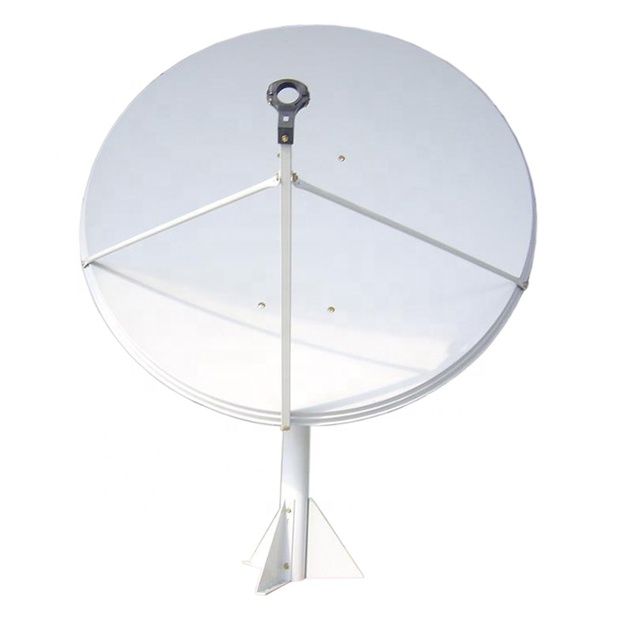
New Selling Long Range HDTV Clear Satellite Dish Antenna Ku Band 75*80CM HD Parabolic Solid Offset Dish Antenna
 Anhui Bowei Electronics Technology Co., Ltd.🇨🇳CN18 yrs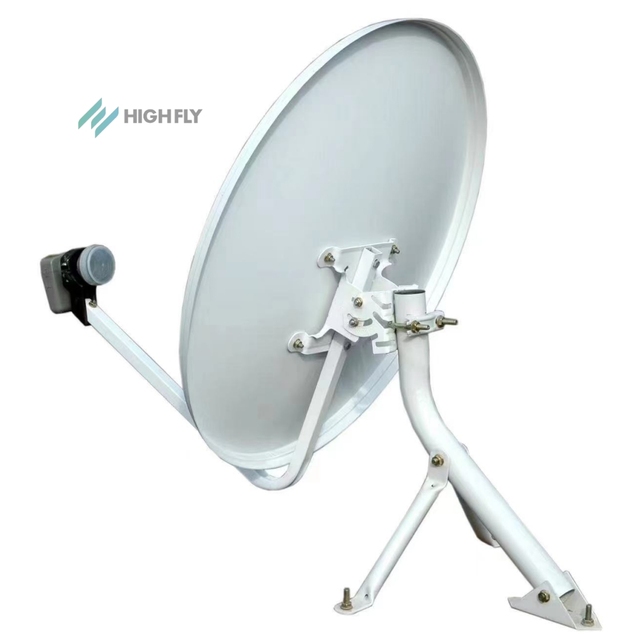
Highfly 80-90cm 0.6mm Ku Band Outdoor Satellite Dish with Steel Board Construction and Wall/Ground Mount
 ZHUHAI HOLDYN TECHNOLOGY CO., LTD.🇨🇳CN6 yrs
Ku Band 45cm/60cm/75cm/80cm/90cm with Cheap Price High Quality Outdoor Satellite Dish Antenna
 Renqiu Xinhua Communication Equipment Co., Ltd.🇨🇳CN9 yrs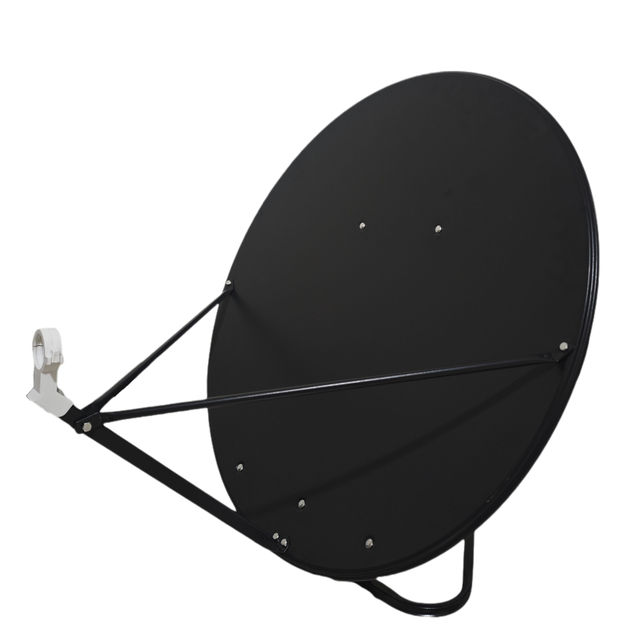
Factory Direct Sales Ku Band 75cm Offset China Satellite Dish Factory Price High Quality Satellite Antenna
 Renqiu Zhongda Communication Equipment Co., Ltd.🇨🇳CN3 yrs
Outdoor C-band 100/120/135/150/180/210/240cm and KU-band Offset 35/45/55/ 60/75/80/90/93/120/150/180cm Satellite Dish Antenna
 Hebei Linuo Communication Technology Co., Ltd.🇨🇳CN18 yrs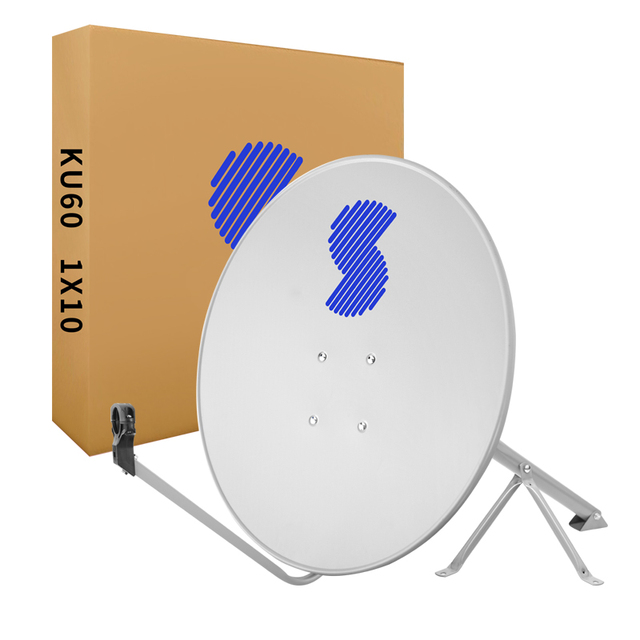
Hot Sale New Satellite Dish Antenna 240cm 80cm Satellite Dish Tv Satellite Dish
 Guangzhou Tengo Electronic Technology Co., Ltd.verified🇨🇳CN8 yrs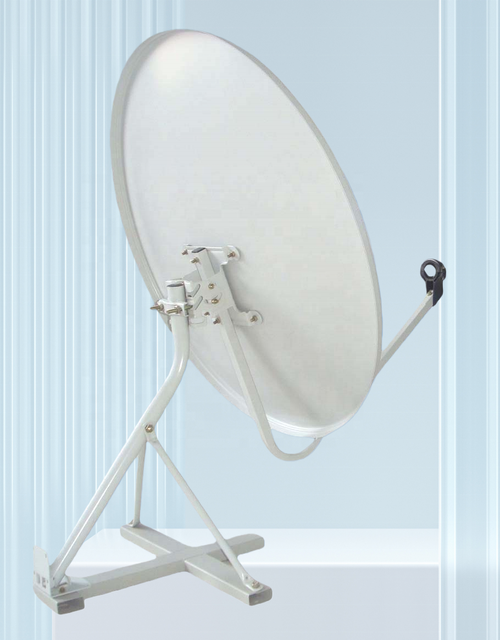
Strong Structure Long Life Outdoor Steel Ku Band 80cm Offset Satellite Dish Antenna with Wall/Ground Mount Price
 Sanwei Communication Equipment Co., Ltd.🇨🇳CN18 yrs
High-Gain 60cm Ku Band Offset Antenna Galvanized Steel Satellite Dish Receiver Finder Outdoor Digital High Feature Satellites
 Qingtian Yoohon Technology Co., Ltd.verified🇨🇳CN2 yrs
BOTE High-Gain 120cm Ku Band Flat Offset Antenna SMC Fiberglass Satellite Dish Receiver Finder Outdoor Digital
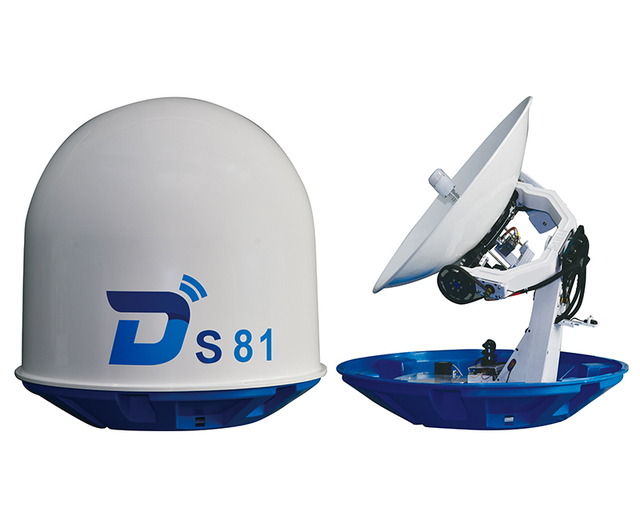
Ditel S81 83cm Dish Antenna Starlink Internet Satellite Ku-band Tvro Digital Auto Tracking Boat TV Satellite Antenna System
 Ningbo Ditel Technology CO., Ltd.🇨🇳CN12 yrs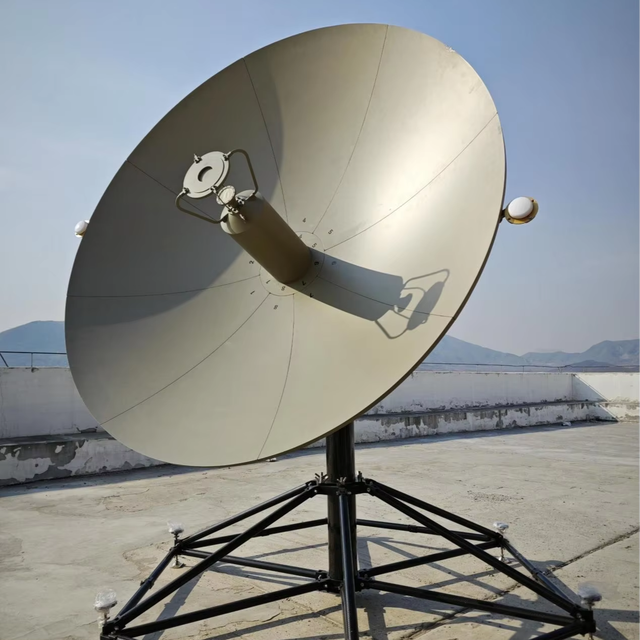
High Gain Band 0.6M Satellite Antenna Dish Hot Sale TV ANTENNA DISH
 Beijing Jinpeng Xinlei Electric Co., Ltd.verified🇨🇳CN2 yrs
Related Searches
Explore more sourcing topics & related categories
Sources & References
19 sources cited · Verified industry data & reports
Satellite Antenna Market Size, Share, Trends and Growth ...
www.marketsandmarkets.com
The Satellite Antenna Market was valued at $4.1 billion in 2021 and is estimated to grow from $5.8 billion in 2023 to $10.5 billion by 2026 growing at a CAGR (Compound Annual Growth Rate) of 20.6%, during the forecast period. The market in Asia Pacific is projected to grow at the highest CAGR of from 2021 to 2026, showcasing strong demand from satellite antenna equipment in the region. Land fixed satellite antenna segment of the satellite antenna market is projected to witness the highest CAGR due to increasing use of C2 (command and control) centers and increasing need of the fastest, most secure, and the widest coverage international and intercontinental data network for enterprise systems in between 2021 to 2026. Note: An analysis of technological, military funding, year-on-year launches, and operational cost were carried out to arrive at the CAGR and understand the market dynamics of all countries in the report. The market share for all solutions, antenna type, technology, component type, frequency and platform was arrived at based on the current and upcoming launches of satellite antenna products and services in every country from 2018 to 2026.
Satellite Antenna Market Size, Share | Growth Analysis [2034]
www.fortunebusinessinsights.com
Access 74+ Detailed Reports Featuring Market Insights, Trends, Forecasts, & Competitive Analysis Across Sectors: The global satellite antenna market size was valued at $5.37 billion in 2025 & is projected to grow from $6 billion in 2026 to $13.97 billion by 2034 The Japan market is projected to reach USD 0.37 billion by 2026. ... The satellite antenna market is increasingly driven by the shift towards smaller, more compact, and versatile antennas, such as flat-panel and phased array antennas. Antennas developed by companies, such as Kymeta and Starlink offer significant advantages over traditional parabolic dishes. Limited investment in satellite technology and slower adoption of advanced services contribute to this trend. For instance, initiatives such as the Brazilian Amazon satellite project aim to improve connectivity, but economic constraints, and lower market penetration of high-speed satellite services result in slower growth than other regions. In 2025, the Latin America market stood at USD 0.35 billion, representing 6.44% of global demand, and is projected to grow to USD 0.38 billion in 2026. The global satellite antenna market size was valued at USD 5.37 billion in 2025 and is projected to grow from USD 6 billion in 2026 to USD 113.97 billion by 2034, exhibiting a CAGR of 11.14% during the forecast period.
Satellite Antenna Market Size, Growth, Trends, Report 2035
www.marketresearchfuture.com
As businesses and consumers increasingly rely on satellite communication for internet access, broadcasting, and data transmission, the need for efficient satellite antennas has become paramount. The rise of remote work and the expansion of IoT devices further amplify this demand. Recent statistics indicate that the number of satellite internet subscribers is expected to reach over 10 million by 2026, highlighting the growing reliance on satellite technology. Satellite Antenna Market Size, Share & Growth Analysis Report By Frequency Band (C-Band, Ku-Band, Ka-Band, Q-Band, V-Band), By Antenna Type (Parabolic Dish, Flat Panel, Horn Antenna, Phased Array), By Polarization (Linear Polarization, Circular Polarization), By Coverage (Fixed Satellite Service (FSS), Very Small Aperture Terminal (VSAT), Global Mobile Personal Communication by Satellite (GMPCS)), By Application (Television Broadcasting, Telecommunications, Internet Access, Navigation, Earth Observation) and By Regional (North America, Europe, South America, Asia Pacific, Middle East and Africa) - Forecast to 2035 The Satellite Antenna Market is widely categorized by different antenna types, with the Parabolic Dish segment commanding the largest share. This traditional design continues to be favored for its effective performance in satellite communication across consumer, commercial, and governmental sectors. The Parabolic Dish antennas have long been the dominant choice in the Satellite Antenna Market due to their efficiency in capturing signals, ease of installation, and cost-effectiveness. They are particularly suited for established applications like residential broadcasting and internet services.
Satellite Antenna Market Size, Growth Report 2026-2030
www.thebusinessresearchcompany.com
Satellite Antenna Market Size & Share 2026-2032
www.360iresearch.com
The satellite antenna landscape is shifting from large fixed parabolic dishes toward hybrid portfolios that include phased-array antennas, compact very small aperture terminals, multi-orbit gateways, and user terminals capable of switching between geostationary, medium Earth orbit, and low Earth orbit networks. Satellite antennas are entering a new growth phase as connectivity, mobility, resilience, and digital inclusion converge. The market is moving beyond conventional dish hardware toward intelligent, software-managed, multi-orbit antenna systems that can serve enterprises, governments, carriers, mobility platforms, and underserved communities. The Satellite Antenna Market size was estimated at USD 4.84 billion in 2025 and expected to reach USD 5.40 billion in 2026, at a CAGR of 11.93% to reach USD 10.67 billion by 2032. The executive summary is developed using a secondary-research methodology grounded in publicly available and verifiable sources, including ITU connectivity indicators, space economy reporting, 3GPP standards activity, spectrum and regulatory developments, government connectivity programs, company disclosures, and industry adoption trends. The analysis emphasizes confirmed structural drivers rather than speculative forecasts. Insights were synthesized across demand segments, regions, technology shifts, and procurement patterns. Particular attention was given to LEO and multi-orbit adoption, 3GPP non-terrestrial network standardization, rural broadband demand, mobility connectivity, defense resilience, and antenna design evolution.
Satellite Antenna Market Size, Share & Trends Report, 2030
www.grandviewresearch.com
Satellite antennas are crucial in providing internet services to remote and underserved areas where traditional broadband infrastructure is lacking. As a result, the demand for advanced satellite antenna systems capable of delivering high-speed connectivity is expected to fuel market growth in the coming years. Airlines are equipping their aircraft with satellite antenna systems to provide in-flight Wi-Fi for passengers, while the maritime industry is adopting compact satellite antennas for onboard communications and operations. Sectors such as coaches, trains, emergency services, and logistics present valuable opportunities for mobile satellite antennas. Innovations such as high-throughput satellites (HTS), low earth orbit (LEO) constellations, and reusable launch vehicles have enhanced the efficiency and cost-effectiveness of satellite communications have led to improved data transmission rates, lower latency and increased coverage areas, driving the adoption of satellite antennas for various applications, including telecommunications, broadcasting, and defense. Moreover, the development of ultra-compact satellite antennas designed to operate with high-throughput satellites is creating opportunities for market expansion. These antennas support advanced ground combat vehicles with high-speed data transmission capabilities, enabling beyond-line-of-sight applications for voice, video, and data communications.