Diy Hifi Player

Overview
Product sourcing insights & recommendations


The phrase "DIY Hi-Fi Player" represents a growing niche within the broader audio electronics market, valued at approximately $1.2 billion and projected to reach $2.3 billion by 2033 Linkedin. This segment is currently driven by a shift toward "Digital Minimalism" and a rejection of standard smartphone audio quality Lifehacker.
🚀 Key Product Trends
* Neo-Retro Revival: There is significant momentum in modding legacy devices (like the iPod Classic) or building new players with Neo-Retro aesthetics, including translucent shells and tactile physical controls Accio-Ai.
* The "Offline" Premium: A major trend is the "Airplane Mode" player—devices designed to be completely offline to eliminate network jitter and electromagnetic interference (EMI). High-end DIYers are prioritizing local storage (SD/USB) over streaming LifehackerVolumio.
* Modular "Towers": Modern DIY builds are moving away from single-board solutions toward modular component stacks. Enthusiasts often pair a core processor (like a Raspberry Pi 4) with high-precision I2S transport hats and dedicated ultracapacitor power supplies for ultra-low noise LifehackerJosephcrowe.
🛠️ Component Insights
* DAC Chips: ESS Sabre (ES9023/ES9038) remains the dominant choice for clarity, while ROHM and AKM (AK4388AET) are gaining favor for their "musical" sound signature BusinessresearchinsightsLifehacker.
* Microcontrollers: The Raspberry Pi 4 is the gold standard for software compatibility with platforms like Volumio or Moode, though developers are now exploring Qualcomm Snapdragon units for portable Android-based DIY builds.
* Clocking & Power: Upgrading stock oscillators to high-precision clocks and using Linear Regulators are the top internal modifications for improving soundstage and realism.
📊 Consumer & Market Insights
* Ownership vs. Rental: Buyers are increasingly moving toward a "collection" model, building massive FLAC/DSD libraries they own rather than relying on streaming subscriptions Lifehacker.
* Repairability & Longevity: There is a strong preference for open-source firmware (Rockbox) and hardware designs that allow for easy battery replacement and component upgrades Accio-Ai.
* Tactile Satisfaction: Consumer behavior shows a clear preference for physical knurled volume knobs and mechanical switches over touchscreens, which are often perceived as distracting Accio-Ai.
Based on these insights, you may want to explore:
Audiophile Dac Chip Ess Sabre Rohm Cirrus Logic
Products · 2 lists
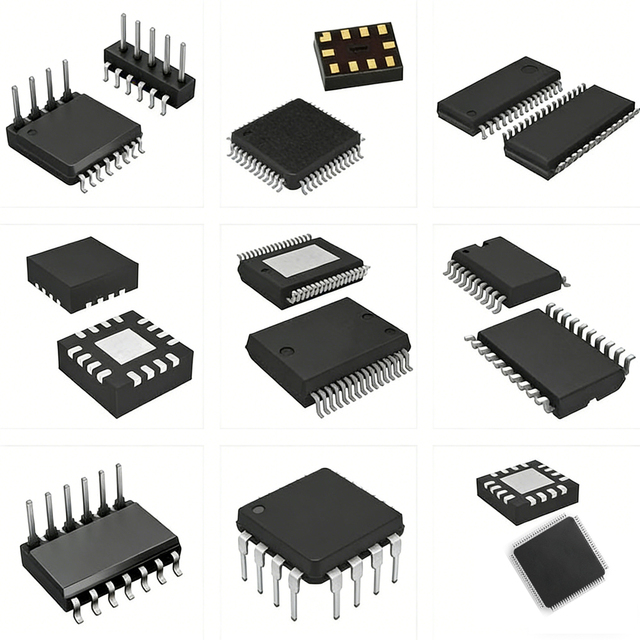
High-Resolution Audio DAC IC 24-Bit 192kHz for Hi-Fi Systems AK4388AET
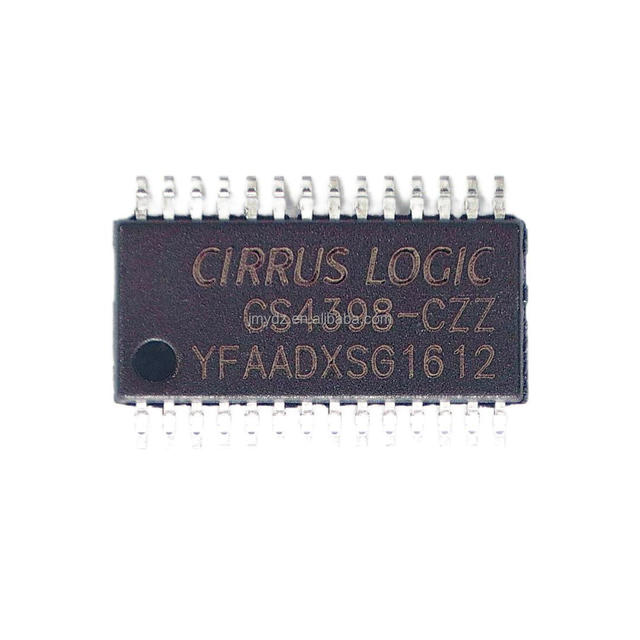
Jingmaoyuan CS4398-CZZ CS4398 S4398 4398 New Arrive Original TSSOP-28 Audio DAC Chip
 Shenzhen Jingmaoyuan Electronics Co., Ltd.🇨🇳CN3 yrs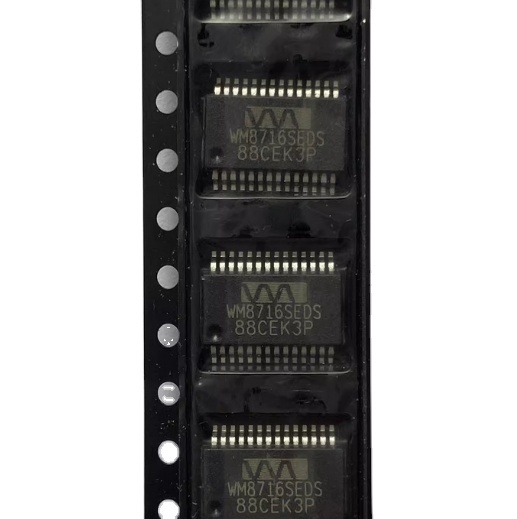
WM8716SEDS SSOP-28 Original New Audio DACs Converter IC Chip Good Price Electronic Components PCB Supply
 Shenzhen Sinosky Electronics Co., Ltd.verified🇨🇳CN9 yrs
Related Searches
Explore more sourcing topics & related categories
Sources & References
24 sources cited · Verified industry data & reports
Portable Media Player Market Size, Industry Share
Fortune Business Insights
The market is projected to grow from USD 29.2 billion in 2026 to USD 38.6 billion by 2034, exhibiting a CAGR of 3.55% during the forecast period ...
Why You Need an MP3 Player in 2026 (and What to Buy)
Lifehacker
Why You Need an MP3 Player in 2026 (and What to Buy). Make listening to music phone-free by buying or modding yourself a dedicated mp3 player.
Hi-fi Player Market Size, Trends, 2026-2033 Forecast
Hi-fi Player Market size was valued at USD 1.2 Billion in 2024 and is poised to grow from USD 1.4 Billion in 2025 to USD 2.3 Billion by 2033 ...

What are the current top 3 budget options in 2026?
Reddit · r/DigitalAudioPlayer
hi I'm new here I recently was thinking of getting into getting into mp3 audio players in 2026 (daps) which one is good for decent sound quality ...

HIFI Electronics Market | Global Market Analysis Report
Future Market Insights
HIFI Electronics Market was valued at USD 17.24 billion in 2025. Sales are expected to reach USD 18.62 billion in 2026 and USD 40.21 billion ...

Best MP3 Player 2026: Top Picks for Every Budget
HIFI WALKER
Here's how the broader HIFI WALKER lineup fills different roles in the 2026 digital audio player market — from entry-level to premium.