Ec Tablet

Overview
Product sourcing insights & recommendations
I have analyzed the "EC tablet" market, confirming that the term primarily refers to Enteric-Coated pharmaceuticals and supplements rather than electronic devices.
The enteric-coated market is currently valued at $1.1 billion and is expected to more than double by 2033, driven by high demand in the Asia-Pacific region and a growing shift toward nutraceutical applications like odor-masked fish oil and acid-resistant probiotics. Key technical shifts include the move toward Titanium Dioxide-free (TiO2-free) coatings to meet new regulatory standards.
The report below provides detailed insights into market sizing, consumer drivers (such as the 27% of users seeking gastric protection), and B2B sourcing opportunities for these products.
Here is the report on EC tablet trends. You can continue with:
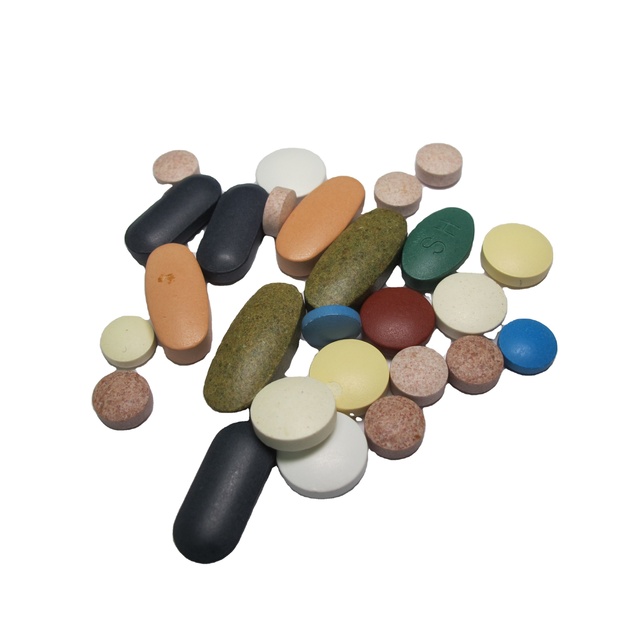
Enteric Coated Ec Tablets Pharmaceuticals
Products · 3 lists

Deep Dive · Full Report
Full Market Report
1 document · Live-fetched from source
Related Searches
Explore more sourcing topics & related categories
Sources & References
28 sources cited · Verified industry data & reports
Enteric-Coated (EC) | NIH
clinicalinfo.hiv.gov
The https:// ensures that you are connecting to the official website and that any information you provide is encrypted and transmitted securely. ... When a tablet or capsule is coated with a substance that prevents the medication from being released until it reaches the small intestine, where it can then be absorbed.
What are Enteric Coated Tablets?
www.colorcon.com
Beyond protection and release control, enteric coatings also offer taste and odor masking - reducing issues like “fishy burps” from certain supplements. Learn Top Tips for formulators and manufacturers of enteric products. Enteric coatings are polymer-based films applied to the surface of a tablet, soft gel or multiparticulate. Sugar coatings (this statement isn’t true since there are some OTC products (like diclofenac) that are enteric coated and sugar coated), and their lengthy, multi‑layered processing results in bulkier tablets. Film coatings are chosen when the priority is to improve swallowability, taste, or visual appeal, and when only basic protection from moisture or light is needed without the necessity for gastric protection, making them ideal for immediate‑release products. Sugar coatings are preferred when strong taste masking is essential, or when a distinctive, visually appealing appearance supports brand identity, provided that the increased tablet size and longer processing time are acceptable trade‑offs. Sugar coatings are the most labor‑intensive and time‑consuming, making them the costliest in terms of processing time; although automation can help reduce labor demands, the multi‑stage nature of sugar coating still significantly prolongs production. Enteric coatings are most suitable when the API is acid‑labile or loses potency in gastric acid, when the drug—such as NSAIDs or certain enzymes—may irritate the stomach, or when targeted intestinal release is required, as in the case of antibiotics or probiotics.
What are enteric-coated tablets?
www.drugs.com
Enteric-coated products should not be dissolved, cut in half, chewed or crushed prior to consumption. Damaging the coating allows the medicine to be dissolved by acid in the stomach. ... U.S. Food and Drug Administration (FDA). Naprosyn (naproxen) tablets, EC-Naprosyn (naproxen delayed-release tablets), Anaprox DS (naproxen sodium tablets), for oral use. Official answer: Enteric coated tablets are tablets that are coated with an enteric coating. Enteric coatings are polymers that are put... Enteric coated tablets are tablets that are coated with an enteric coating. Enteric coatings are polymers that are put on certain tablets to prevent them from dissolving in acid. Your stomach is very acidic, and some drugs need to be protected from the acid in your stomach in order to work properly in your body. For reference, water has a pH of 7 and is considered to be neutral (neither acidic nor basic). The stomach is very acidic and has a pH around 1. The small intestine has a pH around 6.6, which is more basic, or alkaline, than the stomach. An enteric coating allows tablets to survive intact as they pass through the acidic stomach.
How Enteric-Coating Medication Prevents Side Effects Common in NSAIDs
www.verywellhealth.com
Enteric-coated tablets typically have the letters EN or EC at the end of the medication name. When you take NSAIDs, an enteric coating helps protect your stomach from irritation. Examples of NSAIDs include: ... NSAIDs are helpful for treating pain and conditions like musculoskeletal disorders and arthritis, but this class of medication is also associated with ulcers and other upper GI tract injuries.4 Along with these gastrointestinal problems, complications including hemorrhage and perforation often occur. Enteric-coated tablets are medications with a polymer coating that protects them from stomach acid. This allows them to dissolve in the small intestine, where they are more effectively absorbed. This coating is especially useful for non-steroidal anti-inflammatory drugs (NSAIDs) because it reduces the risk of stomach irritation and ulcers. One way the pharmaceutical industry addresses this potential complication is by coating the pills. Enteric-coated pain medication is coated with special ingredients that prevent irritation of the stomach lining. These pills usually come in tablet or capsule form. Some tablets are film-coated with a substance that makes the pill easier to swallow, prevents you from tasting the medication, or simply improves its appearance.6 This type of coating differs from an enteric coating, which is there to help ensure that the medication isn't damaged by stomach acid and/or doesn't cause stomach irritation.
Buy EC 75mg Tablet Online: View Uses, Side Effects, Price, ...
www.1mg.com
EC 75mg Tablet belongs to a group of medicines called nonsteroidal anti-inflammatory drugs (NSAIDs). It is used for short-term relief of pain, inflammation, and swelling in conditions that affect joints and muscles. It works by blocking chemical messengers in the brain that tell us we have pain. EC 75mg Tablet should be used with caution in patients with kidney disease. Dose adjustment may be needed. Regular monitoring of kidney function test and potassium levels is advised while you are taking this medicine. Dear doctor my wife is 4 month pregnant since afternoon she is suffering from head ache , can you please suggest me what should be done · Dr. Sonu Balhara Ahlawat ... Tablet Crocin pain relief can. E given ... No, EC 75mg Tablet is neither an antibiotic nor a steroid. It belongs to non-steroidal anti-inflammatory drugs (NSAIDs) group of medicines. It is used to relieve moderate to severe pain and inflammation. EC 75mg Tablet is effective in relieving pain and inflammation. It is used to provide relief from various sorts of pain, such as sprains, strains and other injuries.
Aspirin (Bayer, Vazalore, and others): Uses, Side Effects, ...
www.webmd.com
Tell your health care provider right away if you have stomach pain that will not go away, vomit blood, or notice blood in your poop. Aspirin is available in many forms, including tablets that are chewed, swallowed, or dissolved in water to drink. Some aspirin products also contain antacids to be gentler on the stomach. Aspirin is commonly used for the following. Treat minor aches and pains, such as headaches, menstrual cramps, arthritis, and muscle pain ... Aspirin may also be used for other conditions as determined by your health care provider. Aspirin works by blocking certain substances in the body that cause pain, inflammation, and fever. ... Tablets and Capsules. Aspirin tablets and capsules should be stored at room temperature. Some products may also have directions on them to avoid exposing them to excessive heat, such as temperatures over 104 F (40 C). If your child or teenager is taking aspirin and shows signs like changes in their behavior, nausea, and vomiting, contact your health care provider. Behavior changes, nausea, or vomiting could be early signs of Reye’s Syndrome. Allergies to Ingredients. People who are allergic to any of the following should not use aspirin. ... Your pharmacist can tell you all of the ingredients in the specific aspirin products they stock. Tell your health care provider about all of your health conditions and any prescription or over-the-counter (OTC) medicines, vitamins/minerals, herbal products, and other supplements you are using. This will help them know if aspirin is right for you.