Electric Gen Mobile

Overview
Product sourcing insights & recommendations
The phrase 'electric gen mobile' refers to the rapidly evolving market of mobile electric generators, which includes both traditional fuel-powered trailer units and modern lithium-battery portable power stations. The market is currently undergoing a structural shift driven by the need for reliable backup power in data centers, construction sites, and off-grid residential applications. MordorintelligenceGminsightsThebusinessresearchcompany
Core Product Categories
The market is divided into two primary technical segments based on the "mobile" requirement:
- Mobile Trailer Generators: High-capacity (25kW to 300kW+) units mounted on wheels or trailers for industrial, construction, and emergency utility use. These are dominated by diesel engines but are increasingly moving toward Tier 4 Final emission compliance and dual-fuel options. AlibabaAlibaba
- Portable Power Stations: Compact, lithium-battery-powered "silent generators" (300W to 3000W) used for outdoor activities, home backup, and professional mobile field work. Many are now "solar generators" that integrate solar panel charging. AlibabaAlibaba
Market Trends & Insights for 2026
- Explosive Growth in Data Centers: The hyperscale construction boom is the single largest driver for high-capacity mobile units, as unplanned downtime costs can exceed millions per hour. Mordorintelligence
- Hybrid & Clean Energy Shift: There is a significant trend toward hybrid generators that pair traditional engines with battery storage, reducing fuel consumption and emissions by 20–40%. MordorintelligenceGminsights
- Digital Connectivity: "Smart" features like IoT-enabled remote monitoring (telematics), satellite-enabled tracking for off-grid units, and eSIM global connectivity for rental fleets are becoming baseline expectations for 2026. GminsightsAbiresearch
- Regulatory Pressure: Stricter EPA and CARB regulations are forcing manufacturers to adopt advanced after-treatment systems (DPFs/SCRs) and hydrogen-ready engine designs. MordorintelligenceAbiresearch
Market Valuation (2025–2026)
- The Global Generator Sets Market is valued at approximately $35.63 billion (2025), with a projected CAGR of 6.55% through 2031. Mordorintelligence
- The U.S. Mobile Generators Market reached $7.3 billion in 2025, showing strong resilience due to infrastructure investment and hurricane exposure. Gminsights
I can provide a more detailed market analysis or a supplier comparison report. Which would you prefer?
Mobile Electric Generator
Products · 3 lists
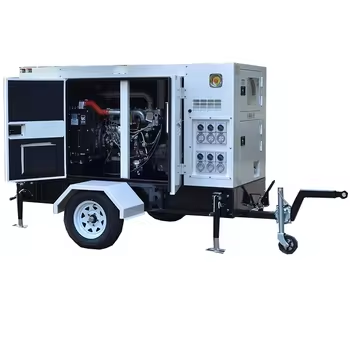
50HZ Mobile Economical 75kw diesel Generator 93.75kva Portable Generator Good Quality with Cummin Engine
 Taizhou Wetech Power Technology Co., Ltd.🇨🇳CN6 yrs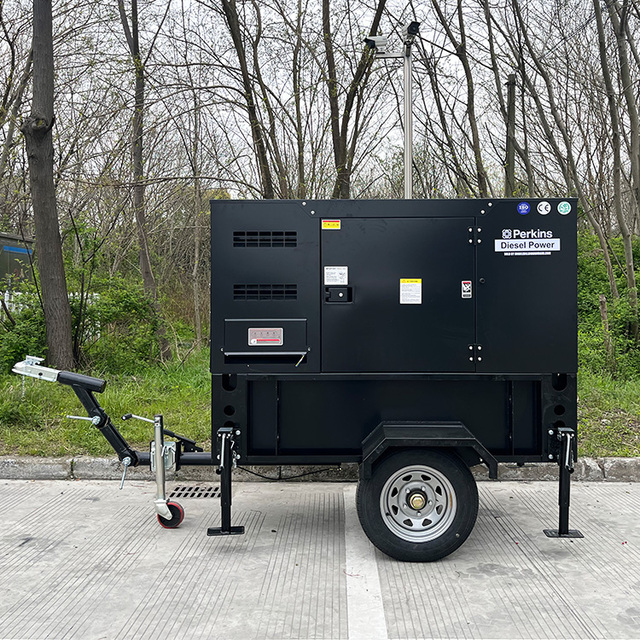
Powered by Perkin 404D-22G 25Kva Generadores Electrico Silent Diesel Generator 20Kw Mobile Trailer
 Jiangsu Wellpower Generator Co., Ltd.🇨🇳CN6 yrs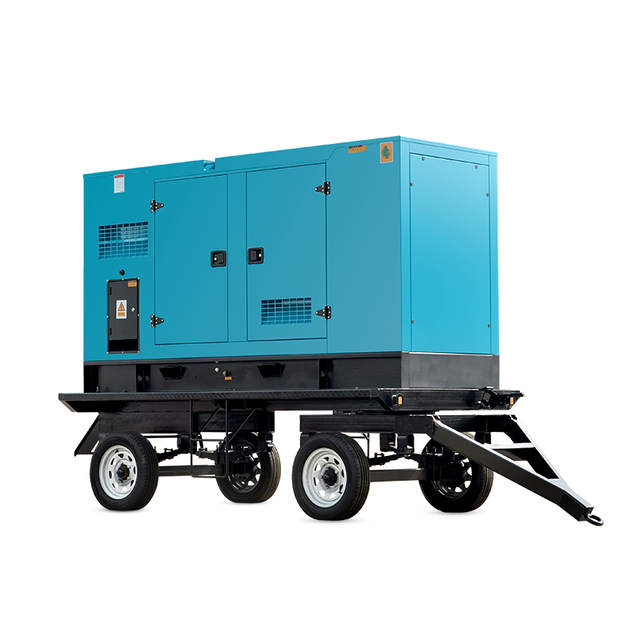
100kw Trailer Mobile diesel Electric Generator 125kva Generator Set with Cummins Portable Generator for Best Quality
 Jiangsu Jianghao Generator Co., Ltd.verified🇨🇳CN9 yrs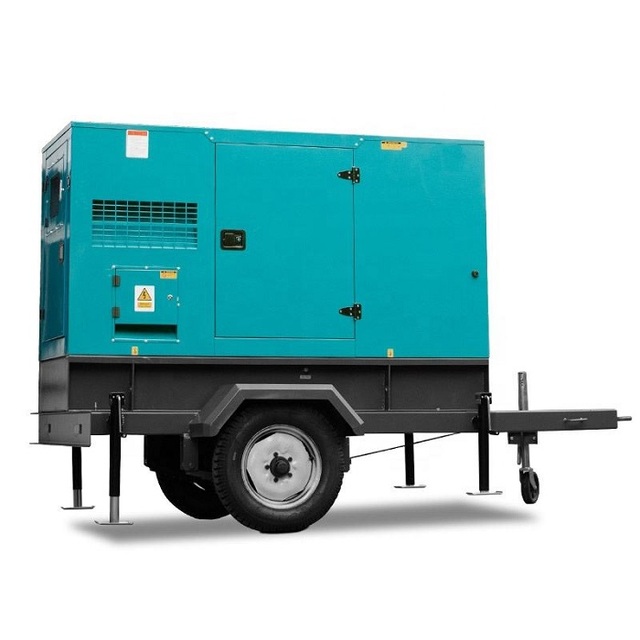
Trailer Type Mobile Diesel Generator with Cummins/Volvo Engine High Efficiency Electric Generator
 Jiangsu Meao Power Technology Co., Ltd.🇨🇳CN4 yrs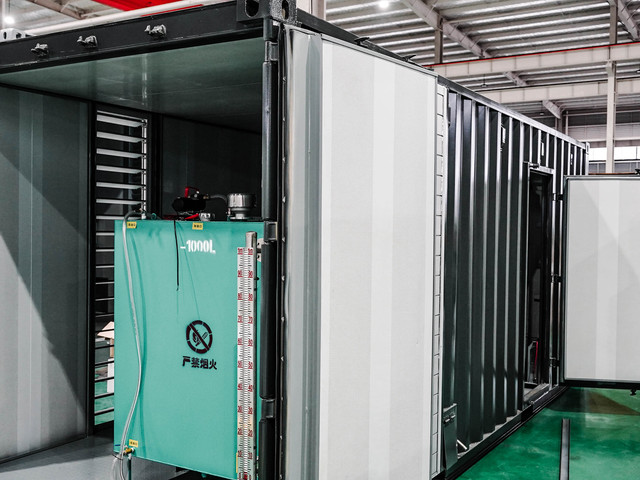
Stable Output Diesel Generator 600KVA 700KVA 800KVA Diesel Generator with Automatic Transfer Switch for Mining Project
 Shandong Zhongyu Torchpower Electric Technology Co., Ltd.verified🇨🇳CN1 yr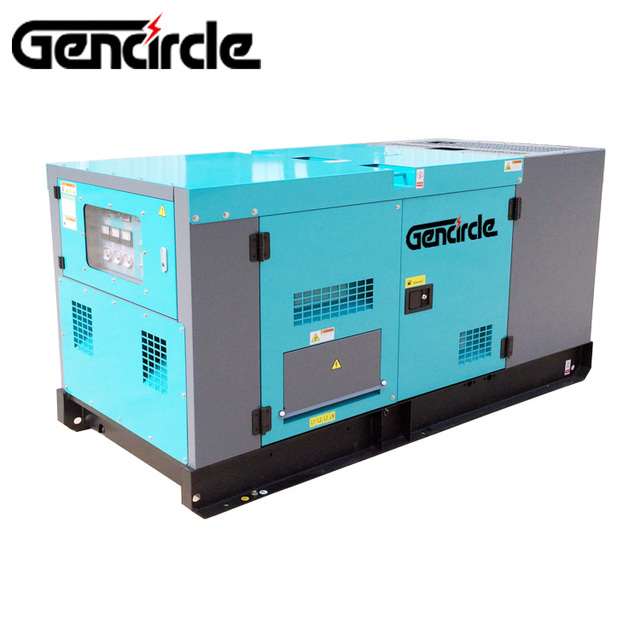
100 Kva Portable Electric Power Plant 80kw 100kva Mobile Trailer Generator
 Fuan Westin Jet Electric Machinery Co., Ltd.🇨🇳CN9 yrs
Related Searches
Explore more sourcing topics & related categories
Sources & References
23 sources cited · Verified industry data & reports
Top 8 Electric Mobility Trends in 2025 | StartUs Insights
www.startus-insights.com
It also offers a removable battery box to facilitate charging from any location based on user convenience. By turning bicycles into e-bicycles, the startup reduces road congestion while providing a means of fast personal transport to consumers. Electric vehicles, charging infrastructure, power grids, and other connected devices generate massive volumes of data. Moreover, it improves energy utilization by depicting energy usage under braking and waste heat generation, aiding energy-efficient electric engine designs. The analytics derived from big data also offer navigational aids for autonomous driving and parking. Slovak startup Mobilyze provides a location intelligence platform to identify EV charging hotspots. Italian startup XEV 3D prints electric car parts. The use of 3D printing eliminates the need for large and complex manufacturing tools, resulting in faster and cost-efficient part production. Once printed, these parts undergo an automated robotic milling process for quality enhancement. The startup’s technology thus enables EV personalization and ensures sustainable vehicle manufacturing. US-based startup Sakuu makes Swift Print, battery cells for e-mobility. Its AI performs quality checks on the printed batteries, enabling faster production and lower associated costs. Moreover, the startup ensures sustainability by utilizing recycled materials as feedstock. Novel battery technologies, AI, and V2X are set to radically alter the current landscape of the sector. The shift towards fully autonomous electric vehicles is poised to influence passenger transportation, shared electric mobility, and on-demand transportation.
Trends in electric cars – Global EV Outlook 2026 – Analysis - IEA
www.iea.org
In addition, in 2025 the city of Buenos Aires introduced incentives such as exemptions from licence plate fees and road tolls for electric and hybrid vehicles, applicable until mid‑2026, helping to gradually improve the attractiveness of electric mobility. Eurasian and Middle East regions show continued growth · Electric car sales only began to pick up in the Eurasian region from 2023 onwards, rising from just a few hundred sales in 2022 to more than 60 000 in 2025. Uzbekistan accounted for nearly half of the region’s electric car sales in 2025, with electric cars reaching 8% of total car sales. Uzbekistan is also the main car assembler in the region and hosts an EV production plant owned by a joint venture between BYD and UzAuto Motors. BEV = battery electric vehicle; PHEV = plug-in hybrid electric vehicle. The retention rate is a metric used in second-hand technology markets that represents the value of the vehicle when being resold in relation to the value when originally purchased. A retention rate of 70% means that a product purchased new will lose 30% of its original value, on average, and sell at such a discount relative to the original price. Only central government (national) purchase support policies for electric cars are taken into account. Spending on charging is not included. Excludes incentives for company cars and vehicle ownership taxes. Values and trends may have changed slightly relative to previous publications following methodology improvements and better coverage of government support schemes. IEA analysis based on EV Volumes, S&P Global Mobility and national policy documents. There is a clear relationship between battery electric car price and driving range. Lower-priced models generally have smaller batteries and thus offer shorter ranges, while longer-range vehicles tend to sit at the higher end of the price spectrum. Nevertheless, cost is not purely range-driven, as other features increasingly shape model positioning.
5 Mobile Technology Trends That Device Vendors Should Know
abiresearch.com
For example, on-device AI can help users manage their smart home appliances to save money on energy usage. It can also automate the tedious process of filing taxes. Gen AI is also used for advanced voice assistants and smart photo use cases. These productivity applications and user experiences powered by Gen AI will help reduce mobile device replacement cycles. ABI Research’s Emergent Mobile Device Technology Tracker Market Data Overview: 3Q 2024 reviewed these five market-defining mobile trends in 2024 and beyond. This post will summarize our findings from the report, providing a data-supported outlook for these promising mobile technologies. ... Gen AI is a key driver for restimulating the mobile market. This is due to high costs and smartphone manufacturers' inability to create a compelling reason to actually purchase a foldable product. Companies must demonstrate key use cases, noticeable benefits, and added functionalities of a foldable device. Concurrently, they must also drive down price points if the sector is to improve market share. The next mobile trend our analysts identified is the integration of satellite connectivity into devices. China is rumored to support the technology in 2025, significantly expanding the addressable market for eSIM in mobile products. By 2032, ABI Research forecasts eSIM shipments to eclipse the 1 billion mark. A trend worth watching is the use of 3-in-1 converged eSIM solutions—combining eSIM with Near Field Communication (NFC) and Secure Element (SE) functionality.
Generator Sets Market Size, Share & Industry Reseach Report, 2031
www.mordorintelligence.com
Recent momentum stems from data-center construction, industrial electrification, and persistent grid instability in emerging economies. The generator sets market benefits from a strong aftermarket because fleets run longer hours under volatile weather and volatile grids, raising service revenue. Dual-fuel, hydrogen-ready, and digitally connected models are capturing incremental spend as enterprises align backup strategies with decarbonization targets. Meanwhile, suppliers invest in large-engine production, advanced alternators, and remote analytics to defend share against battery-only solutions that threaten the lower-kVA range. Vendors such as Generac introduced purpose-built, hydrogen-capable gensets for these campuses in early 2025. The trend accelerates procurement cycles, lifting high-capacity unit volume and spurring fresh investment in emissions-aftertreatment to satisfy sustainability scorecards. Rapid industrialisation and construction activities · New semiconductor fabs, electric-vehicle battery plants, and rail corridors have pushed megaproject spending in the United States 156% above 2019 levels, a trajectory mirrored in India and parts of ASEAN[3]“US Construction Megaprojects Report 2025,” Conexpo-Con/Agg, conexpoconagg.com. Construction sites demand rental and mobile gensets in the 375–750 kVA bracket to energize cranes, welding sets, and temporary offices. Once operational, factories install larger units for process-critical standby functions. Emission rules in urban zones are reshaping purchase preferences toward Tier 4F-compliant diesel packages, yet the price differential relative to Tier 2 machines remains manageable given rising unplanned downtime penalties. Manufacturers thus align product roadmaps with mid-range growth, offering quick-ship containerized formats and remote diagnostics as standard features. 6.4 Company Profiles (includes Global level Overview, Market level overview, Core Segments, Financials as available, Strategic Information, Products & Services, and Recent Developments) ... Typically, a generator set consists of an engine and a generator that are mounted as a single piece. The main purpose of the set is to use the electrical generator to transform mechanical energy into electrical energy.
New twists in the electric-vehicle transition: A consumer perspective
www.mckinsey.com
For best results, incumbents should rethink their costs at the product level, as well as their overall cost structures. They can achieve improvements through radical design-to-value/design-to-cost programs, optimization of supply chains (especially for battery system components), and structure cost optimization. OEMs can also address customer concerns about battery range by considering the addition of EREVs to their portfolio. These vehicles combine a small ICE-powered generator with an electric powertrain, which extends the electric-only driving range to 100 to 200 miles (160 to 320 kilometers) versus a comparable PHEV’s range of 20 to 40 miles (30 to 60 kilometers). This article is a collaborative effort by Patrick Hertzke, Patrick Schaufuss, Philipp Kampshoff, and Timo Möller, with Anna-Sophie Smith and Felix Rupalla, representing views from McKinsey’s Automotive & Assembly Practice and the McKinsey Center for Future Mobility. Along with regulation, infrastructure buildup, technology evolution, and model supply, consumers are a central piece of the EV puzzle, and their behavior helps explain the global adoption curve. Consequently, OEMs and other industry stakeholders should stay close to the current consumer pulse on EVs to understand demand patterns, including region-specific trends. In a departure from current sales trends, customer intent to purchase a PHEV is higher than intent to buy a BEV in the United States and Europe, and it is almost as high as BEV intent in China. These findings highlight the continued relevance of hybrids in the EV transition (Exhibit 1).3Stated intent in a survey cannot be directly translated to actual sales because of stated-intent bias, meaning survey respondents typically overestimate their purchase behavior because they do not have to spend real money in a survey. Instead, they should thoroughly understand customer preferences in each region and customer group, including the vehicle features that generate the most excitement, and then adapt their offerings to suit these needs within the technological and production constraints of their model lineup.
5 Mobile Technology Trends That Device Vendors Should Know
www.abiresearch.com
For example, on-device AI can help users manage their smart home appliances to save money on energy usage. It can also automate the tedious process of filing taxes. Gen AI is also used for advanced voice assistants and smart photo use cases. These productivity applications and user experiences powered by Gen AI will help reduce mobile device replacement cycles. ABI Research’s Emergent Mobile Device Technology Tracker Market Data Overview: 3Q 2024 reviewed these five market-defining mobile trends in 2024 and beyond. This post will summarize our findings from the report, providing a data-supported outlook for these promising mobile technologies. ... Gen AI is a key driver for restimulating the mobile market. This is due to high costs and smartphone manufacturers' inability to create a compelling reason to actually purchase a foldable product. Companies must demonstrate key use cases, noticeable benefits, and added functionalities of a foldable device. Concurrently, they must also drive down price points if the sector is to improve market share. The next mobile trend our analysts identified is the integration of satellite connectivity into devices. China is rumored to support the technology in 2025, significantly expanding the addressable market for eSIM in mobile products. By 2032, ABI Research forecasts eSIM shipments to eclipse the 1 billion mark. A trend worth watching is the use of 3-in-1 converged eSIM solutions—combining eSIM with Near Field Communication (NFC) and Secure Element (SE) functionality.