Fitness Tracker Api

Overview
Product sourcing insights & recommendations
The market for fitness tracker APIs is undergoing a fundamental transformation from basic activity tracking to medical-grade health ecosystems. By 2026, the industry is projected to reach $77.7 billion, with a significant shift toward devices capable of predictive AI-driven health insights and clinical monitoring TowardshealthcareJointcorp.
Market Trends & Insights (2024–2030)
* Predictive Health Evolution: Next-generation trackers are moving toward "Level 3" integration—predicting illness 1–5 days before symptoms appear using high-fidelity biometric sensors FeedJointcorp.
* Medicalization of Consumer Tech: Devices are increasingly seeking FDA/medical-grade clearance for ECG, blood pressure, and sleep apnea monitoring, blurring the line between fitness and healthcare InsightaceanalyticJointcorp.
* Form Factor Shifts: Smart rings are the fastest-growing niche (+32.5% YoY), preferred for their comfort and superior PPG signal stability compared to wrist-based devices Jointcorp.
* Market Dynamics: Global shipments are expected to grow from 280 million units in 2024 to over 645 million units by 2028, with "health monitoring" officially overtaking "fitness" as the primary user motivation by 2026 MarketPrecedenceresearch.
Developer & Product Landscape
The ecosystem is dominated by a few key platforms, each offering distinct advantages for API integration TryrookTryterra:
* Fitbit API: Best for general wellness apps due to its massive 128M user base.
* Apple HealthKit / Google Health Connect: Essential for deep OS-level integration on iOS and Android respectively.
* Garmin Health API: The gold standard for high-performance athlete data (VO2 max, training load).
* Aggregation Layers (e.g., ROOK, Terra): Increasingly popular for developers seeking a single endpoint to access data from hundreds of different wearable brands.
Product Integration Examples
I have identified several hardware options that explicitly support API/SDK integration for custom development:
These products range from high-end 4G GPS trackers with full server integration to cost-effective health bands featuring open SDKs for remote monitoring applications AlibabaAlibaba. Detailed specifications, pricing, and supplier information can be found in the attached files.
I can help you deep dive into these findings. You could choose to:
Smart Watch Heart Rate Blood Pressure Monitor Api Support
Products · 3 lists
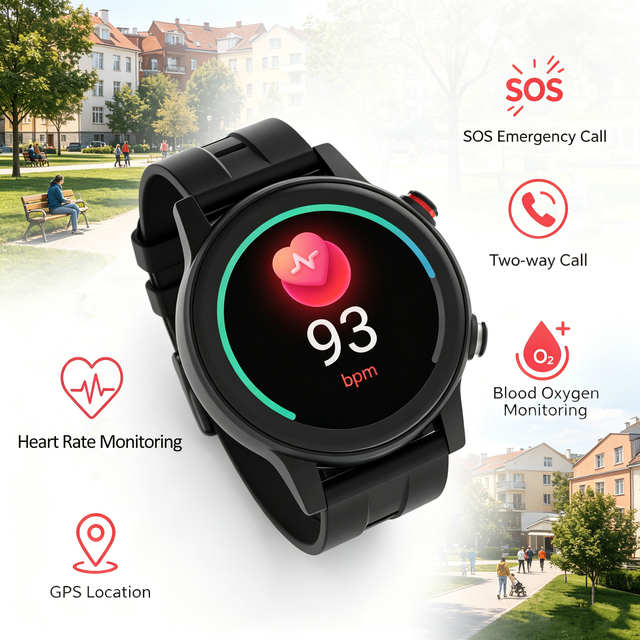
4G SOS Alarm Personal GPS Tracker L23 Watch Bracelets with Android 9.0 System Support API, Server, APP Integration for Elderly
 Dongguan Hongfeng Smart Tech Co., Ltd.verified🇨🇳CN7 yrs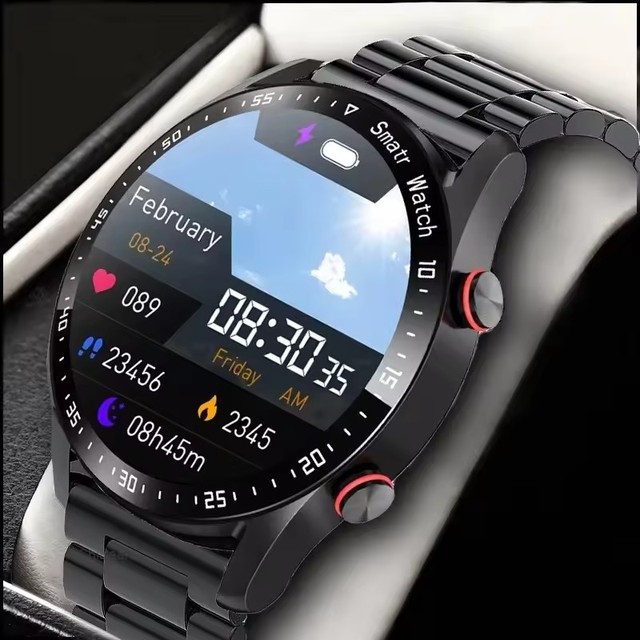
Hw20 Smart Watches Ecg+PPG Answer Call Heart Rate Blood Pressure Monitoring Message Reminder Waterproof Touch Screen Smartwatch
 Guangzhou Shihe Trading Co., Ltd.verified🇨🇳CN10 yrs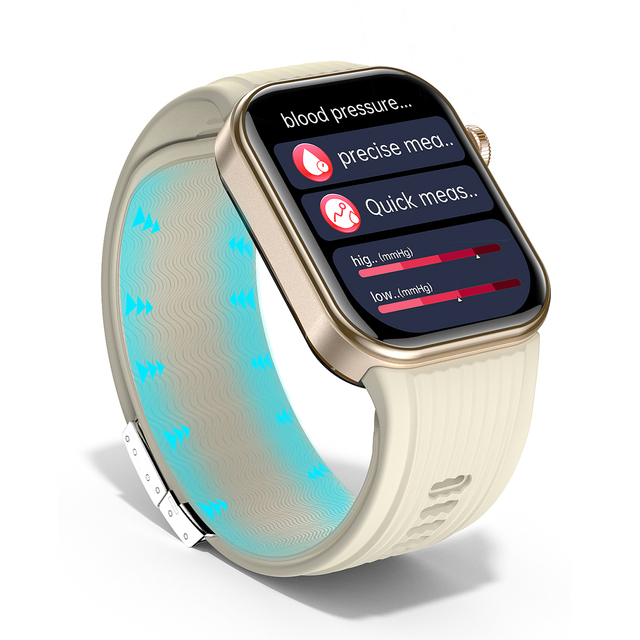
S191 Air Pump Smart Watch with ECG Blood Pressure Monitoring BT Calls SpO2 Temperature SOS Alert Fitness Tracker for Health Care
 Shenzhen Azhuo Digital Technology Limited🇨🇳CN15 yrs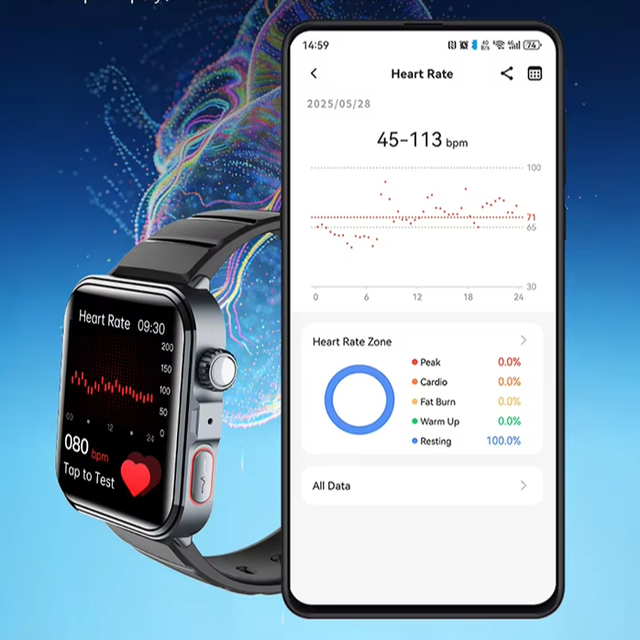
F330 Smart Watch 1.9" IPS Square Screen ECG Sleep Heart Rate Stree Fall Deteciton Health Monitor Multi Sport With SOS Bracelet
 Shenzhen Simple Fun Technology Co., Ltd.verified🇨🇳CN8 yrs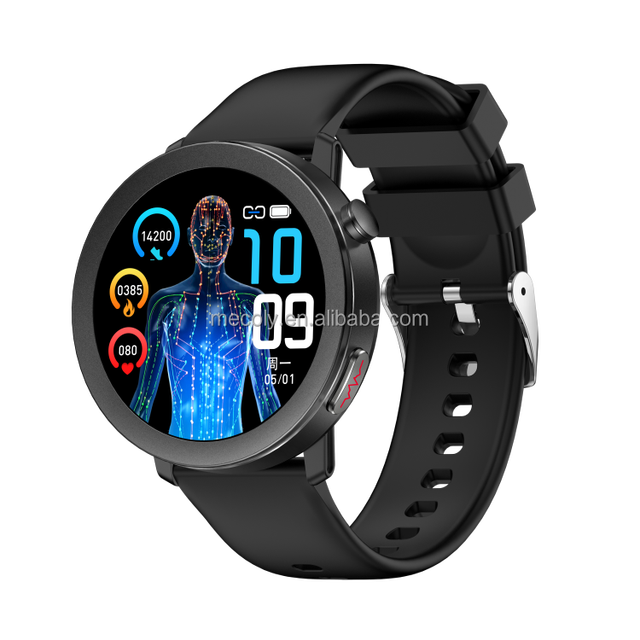
E200 ECG PPG Smartwatch BT Call Heart Rate Blood Pressure Monitoring IOS Android Smart Health Watch Bands for Men Women Couples
 Shenzhen Maikodi Technology Co., Ltd.🇨🇳CN1 yr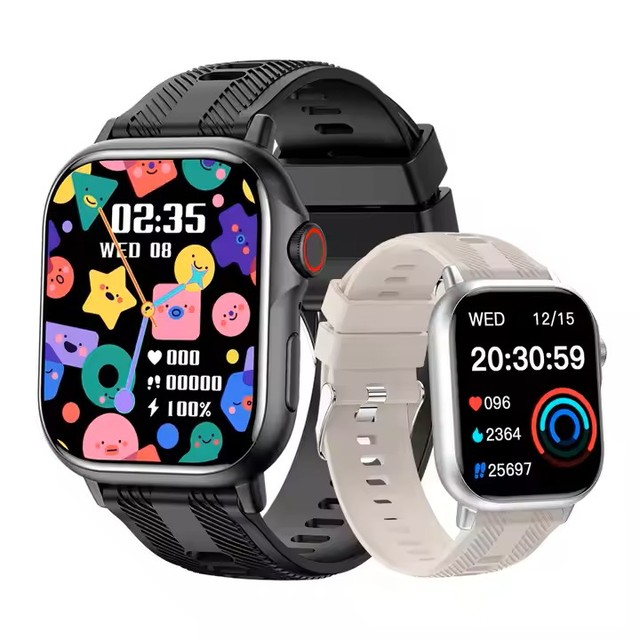
OEM Brand Guangdong Multifunctional Smart Watch Model B05 Step Counting Heart Rate Blood Pressure Blood Oxygen Monitor ABS
 Shenzhen Rui Yisheng Technology Co., Ltd.🇨🇳CN3 yrs
Related Searches
Explore more sourcing topics & related categories
Sources & References
27 sources cited · Verified industry data & reports
Fitness Tracker Market Trends 2026: What's Next in Wearable Health ...
www.jointcorp.com
This comprehensive analysis examines the forces reshaping the fitness tracker landscape in 2026, from breakthrough sensor technologies and AI-driven health insights to regulatory shifts and emerging business models. Whether you're a consumer navigating purchase decisions, a healthcare provider evaluating remote monitoring solutions, or an industry stakeholder planning strategy, understanding these trends is essential for anticipating what's next. Sustainability Question: Can market support dozens of $5-15/month subscriptions (fitness tracker + music + video streaming + news + productivity tools + ...)? 2026 Reality: Subscription fatigue is real. The fitness tracker revolution is not coming—it's here. The question is not whether these devices will reshape health and society, but how. That "how" is up to all of us. ... Note: This article synthesizes industry reports, peer-reviewed research, market analysis, and regulatory documents current as of early 2026. For the most up-to-date information on specific products, regulations, and market data, consult: Trend Analysis: Market maturation sees older demographics adopting fitness trackers for health management rather than pure fitness. Medical applications (AFib detection, fall detection, medication reminders) drive senior adoption. ... Shift from 2020: "Health monitoring" has overtaken "fitness tracking" as primary use case—signaling industry transformation from fitness accessory to health necessity. ... 2026 Landscape: Medical device designations for consumer wearables now commonplace rather than exceptional.
The 2026 digital fitness ecosystem report | Feed.fm
www.feed.fm
The best apps in 2026 don't silo fitness, nutrition, and mental health. They weave them together. MyFitnessPal, Noom, and Supersapiens are leading here, offering dashboards that track everything from glucose levels to mood. Emerging trends worth watching: Apps are beginning to add sustainability features like carbon footprint tracking, outdoor workout challenges, and eco-conscious exercise recommendations, connecting personal wellness with planetary health. They've figured out that users don't want a workout tracker or a wellness app or a health monitor. They want one intelligent system that understands their complete picture. The ones falling behind? They're still treating digital fitness like it's 2019: isolated features, manual logging, and one-size-fits-all programming. Let's break down what's actually happening now, and what it means for digital fitness in 2026. Research has revealed that some top fitness apps still suffer from vulnerabilities like hardcoded API keys, excessive permissions, and insecure encryption. These issues will sink you faster than bad UX. Community and engagement aren't one thing. They're a spectrum, and the fitness apps winning in 2026 know exactly where they belong on this matrix. Legally compliant: Music licensing, health data regulations, and API security aren't problems you can solve later. Pick a winning combo: With over a hundred competitors and only a handful hitting all four pillars, your opportunity is to own a unique combination of capabilities that satisfies user demand. The fitness app ecosystem in 2026 is shifting from specialization to integration.
Fitness Tracker Statistics By Health, Activities (2026)
www.news.market.us
The trend is expected to recover slightly to 506.6 million in 2023, with projections indicating a continued rise to 559.7 million in 2024, 590.7 million in 2025, 614.1 million in 2026, 632.3 million in 2027, and finally reaching 645.7 million by 2028. This data reflects a robust and dynamic market for wearables over the last fifteen years. ... Global shipments of wearable devices from 2021 to 2028 across various product categories have demonstrated varied growth trajectories. Continued increases are evident in subsequent years, with the rate climbing to 7.20% in 2025, 8.13% in 2026, and further to 8.70% in 2027. The growth slightly tapered off, reaching 9.02% in 2028 and 9.19% in 2029. This pattern highlights a steadily increasing global acceptance and integration of smartwatches as a mainstream technology product over the decade. ... The penetration rate of adult wearable users in the United States has exhibited a consistent upward trend from 2016 to 2022. The upward trend is expected to persist, with user numbers reaching 15.69 million in 2025, 17.45 million in 2026, 18.78 million in 2027, 19.79 million in 2028, and culminating at 20.48 million by 2029. This steady growth underscores the increasing adoption of digital health technologies focused on fitness and well-being in the U.K. The trend persisted, with the penetration rate growing to 5.14% by 2024. Incremental increases were observed in the following years, reaching 5.55% in 2025, 5.87% in 2026, 6.14% in 2027, 6.36% in 2028, and finally peaking at 6.51% by 2029. This steady increase over the decade indicates a gradually widening acceptance and integration of fitness/activity-tracking wristwear in global markets.
Fitness Tracker Market Size and Companies (2026-2035)
www.towardshealthcare.com
Last Updated : 11 February 2026 Category: Medical Devices Insight Code: 5562 Format: PDF / PPT / Excel · Download Sample Table of Content Report Description Report Dashboard New · Fitness Tracker Market Trends for 2026 Key Takeaways Fitness Tracker Market: Data-Driven Fitness Fitness Tracker Market Trends Strategic Initiatives What is the Role of AI in the Fitness Tracker Market? The market is expanding at a CAGR of 18.04% between 2026 and 2035. Fitness tracker market to crossed USD 84.91 billion by 2026. CAGR of 18.04% expected in between 2026 to 2035. North America dominated the global fitness tracker market in 2025. The global fitness tracker market size is calculated at USD 71.93 billion in 2025, grew to USD 84.91 billion in 2026, and is projected to reach around USD 377.77 billion by 2035.
Fitness Tracker App Development in 2026 – Trends, Features & Costs
topflightapps.com
Curious about how to make a fitness tracker app iOS-first? Start with SwiftUI + HealthKit hooks and iterate weekly. Wondering how to make fitness app in Android? Pair Kotlin with Google Fit APIs and lean on Jetpack Compose for lightning-fast UI tweaks. Let’s talk and see which option works best for your fitness tracker app. ... Depending on its feature set, it can be either. If you’re budget-conscious, we would recommend taking a closer look at a cross-platform variant (e.g. React Native) You will need a robust external API that would integrate with all sorts of third-party APIs by tracking devices and services. Before we go into the nitty-gritty of developing a near-perfect fitness tracker app, let’s just stop for a second and assess what these applications mean in our life. You’ve probably tried some of the popular fitness apps: Strava, Jefit, MyFitnessPal, Runtastic. They all help you train and track your data, just like Peloton. ... But why did Peloton become the world’s most valuable fitness start-up? We think the reason is not the company’s luxury bike and treadmill products, but the content Peloton streams via its fitness tracker app. Wrap all of these must-haves into a single, coherent roadmap and you’ll move beyond “yet another step-counter” to a sticky product that keeps users sweating—and paying—long after the download. That’s the real litmus test of fitness application development done right. There’s a lot to consider when you start to build a fitness tracker application: from tracking and visualizing activities to streaming and managing video workouts.
Fitness App Development in 2026: Costs, Features & Process
appinventiv.com
A robust backend can be built with Node.js, .NET, or Python. Incorporating fitness API integrations, such as Google Fit, Apple HealthKit, or Fitbit, adds functionality for tracking activities, syncing devices, and improving the overall user experience. Q. What are the top trends in fitness app development in 2026? What matters is building a product that users return to and systems that scale without friction. ... The fitness app market isn’t new anymore. Most people have already tried a few apps, deleted most of them, and stuck with whatever felt easiest to use. That reality has changed how these trends are shaping up. A. Here are some of the proven strategies to choose the right category for fitness and health app development: First, businesses must consider vital factors such as target audience demographics, market trends, user needs, and product objectives. The Economic Times Names Appinventiv “The Leader in AI Product Engineering & Digital Transformation” · Featured Insight Appinventiv Wins Big: Consecutive Deloitte Tech Fast 50 Awards in 2023 & 2024 Read Full Article ... Didn't find what you're looking for? Let us know your needs, and we'll tailor a solution just for you. ... Fitness app development in 2026 succeeds when you start with a clear app type, solve one core problem first, and expand only after real user validation.