Free Java Games Touch Screen Mobile

Overview
Product sourcing insights & recommendations
The phrase "free java games touch screen mobile" represents a niche but resilient "retro-revival" market in 2026. While native support ended over a decade ago, the market has shifted from mass-market entertainment to a specialized "digital detox" and nostalgia-driven sector.
Market Trends & Consumer Insights
* The "Digital Detox" Movement: A significant trend is the rise of "sidephone" culture. Users are increasingly purchasing secondary devices like the CAT S22 Flip or Qin F25 to escape the addictive loops of modern social media AlibabaReddit. Java games, which are offline-first and lack in-app purchases (IAPs), have become the "intentional artifacts" of this movement Alibaba.
* Regional Resurgence: Markets in India, Nigeria, and Indonesia are seeing a resurgence in localized Java development. This is driven by the millions of active Android 4.4–8.1 devices that remain in use and require ultra-lightweight entertainment (<500KB) AlibabaAlibaba.
* Nostalgia-Driven Growth: Enthusiast communities like *r/J2MEgaming* saw a 40% increase in activity between 2023 and 2025, focused on preserving mobile heritage and playing classic ports of franchises like *Asphalt* or *Mortal Kombat* Alibaba.
Product & Technical Insights
* Hardware "Gold Standards":
- Qin F25: Regarded as the best modern device for Java gaming due to its hybrid touch + button mode and Android 14 foundation RedditAlibaba.
- CAT S22 Flip: A rugged favorite that combines a physical T9 keypad with a touch screen, ideal for running classic J2ME titles via emulation Alibaba.
* The Role of Emulators: Native installation is now limited to legacy Android (8.1 or earlier). For modern phones, the J2ME Loader (open-source) is the primary gateway, offering sophisticated touch-mapping that converts physical keypad inputs into on-screen touch controls AlibabaAlibaba.
* Free Platforms: Traditional sites like GetJar and Mobiles24 remain active archives, while J2ME Loader on Google Play is the primary modern distribution point for emulator users AlibabaWapreview.
Market Performance Data
Google Search interest for "Java games" peaked in January 2010 at a value of 45 and has since stabilized at lower levels (~7). However, "free Java games" experienced a localized search spike in August 2025, indicating periodic bursts of interest driven by retro-gaming trends .
Based on these market insights, would you like to:
Cheap Touch Screen Mobile Phone With Java Games
Products · 4 lists
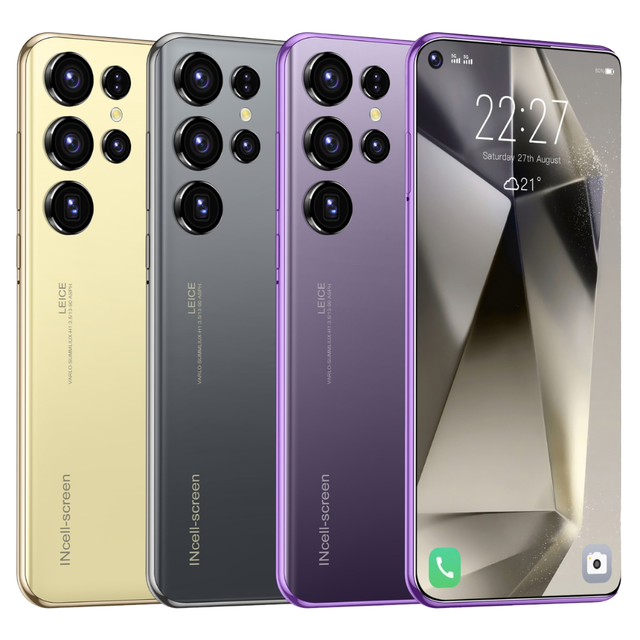
Hot Selling Big Display Touch Smartphone 128GB Gaming Android 5G Mobile Phone
 Shenzhen Titanium Control Technology Co., Ltd.🇨🇳CN2 yrs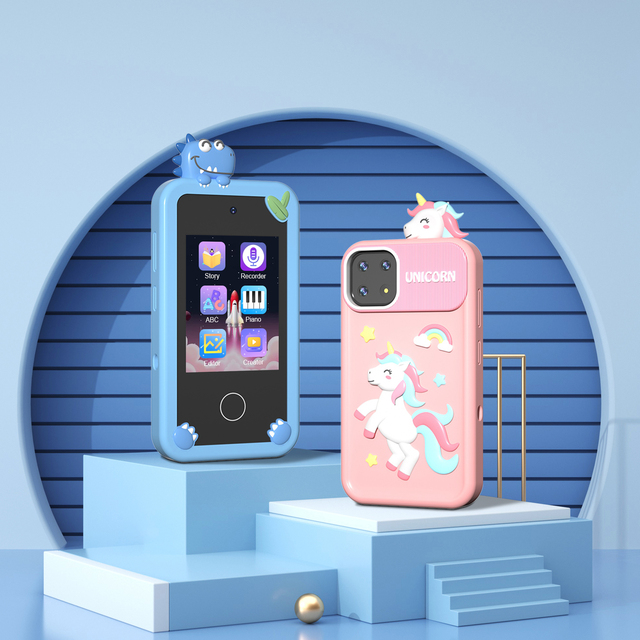
2.8-inch IPS Touch Screen Mini Children's Mobile Phone 22 Major Function 10Xzoom Kids Toy Smart Phone with Games and Camera
 Shenzhen COC-Technology Co.,Ltdverified🇨🇳CN6 yrs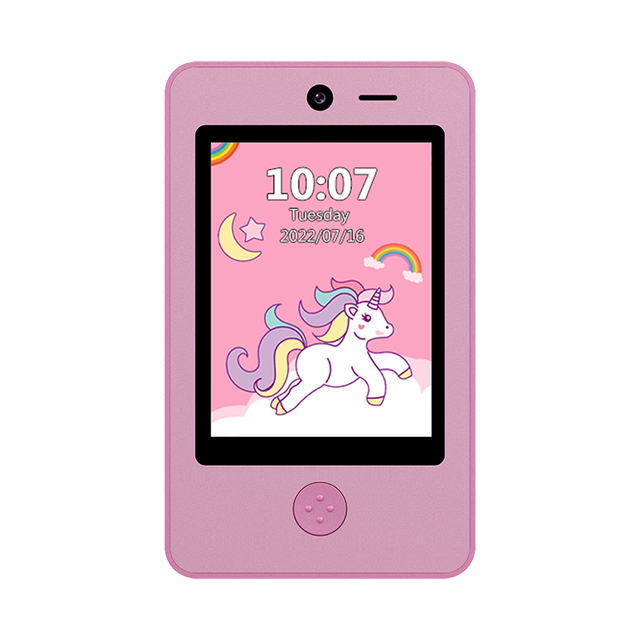
Educational Fun Games Mobile Phones Children's Toys Touch Screen Cell Phone with Multiple Languages
 Shenzhen Lemons Slmm Technology Co., Ltd.verified🇨🇳CN11 yrs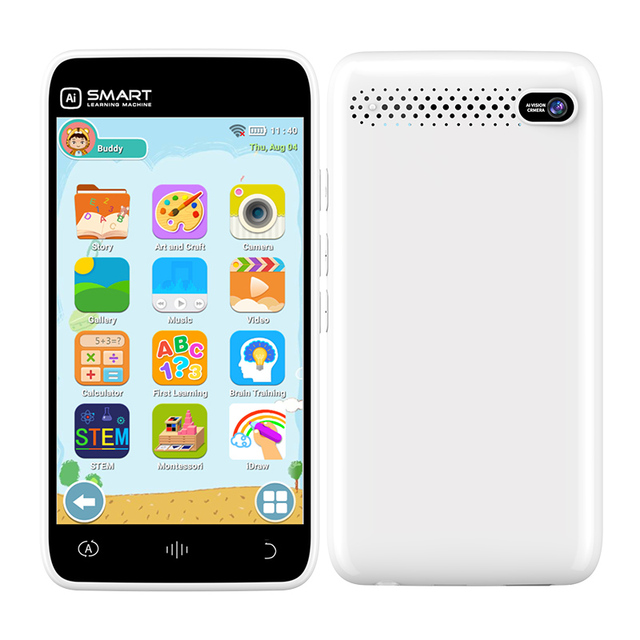
Android 8.1 Large Battery 1500 MAH Kids Educational Toy Smartphone 1+16GB Memory for App Storage Battery-Powered
 Zhengzhou Passion Electronic Technology Co., Ltd.🇨🇳CN1 yr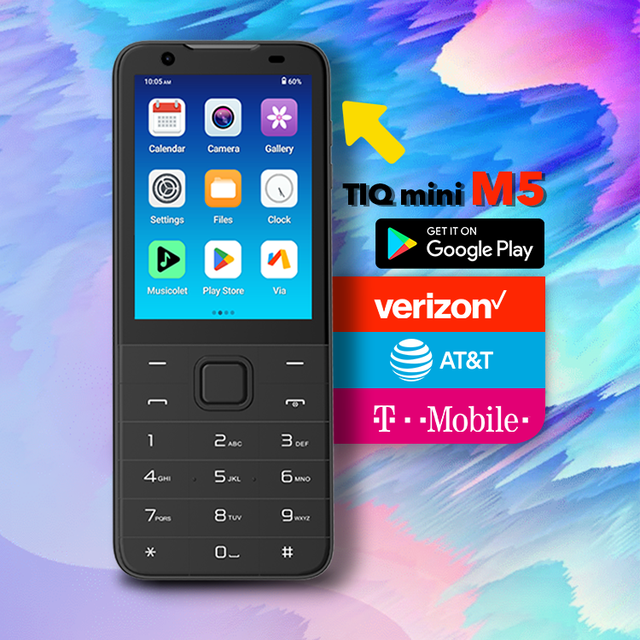
Android 13 TIQ MINI M5 Only Use in US Dual SIM Card Touch Screen Keyboard Phone 3+32GB Google Play Mobile Phone
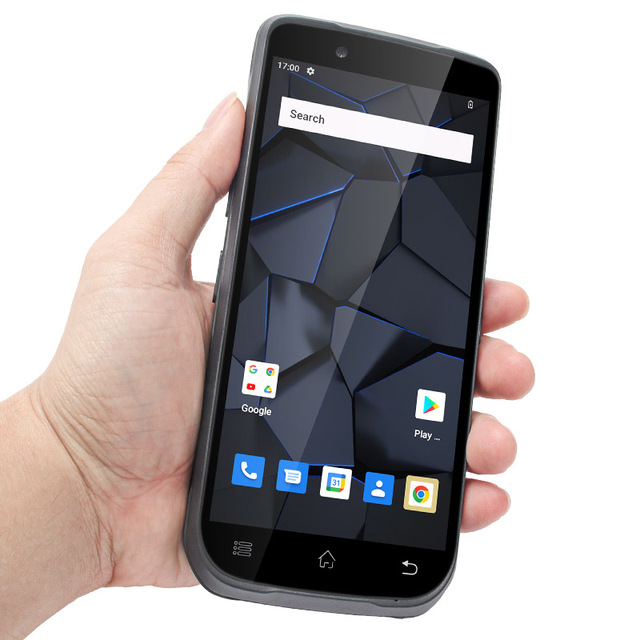
2024 Latest UNIWA M600 6 Inch Touch Screen Industrial Handheld Android PDA Rug Phone with Hand Strap
 Shenzhen Cwell Electronic Technology Co., Ltd.verified🇨🇳CN19 yrs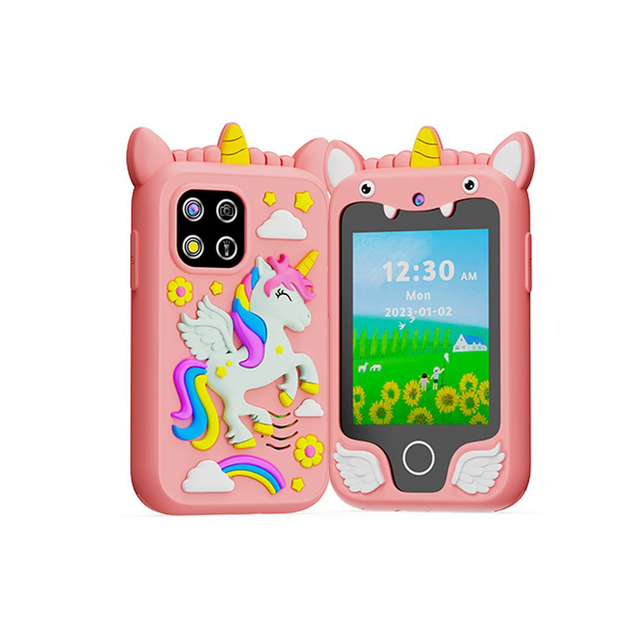
2.8 Inch Touch Screen Smart Toy Phone for Children, with Dual Cameras, Music Player, Educational Learning Toy, Built-in Games
 Shenzhen Baitejia Technology Co., Ltd.verified🇨🇳CN8 yrs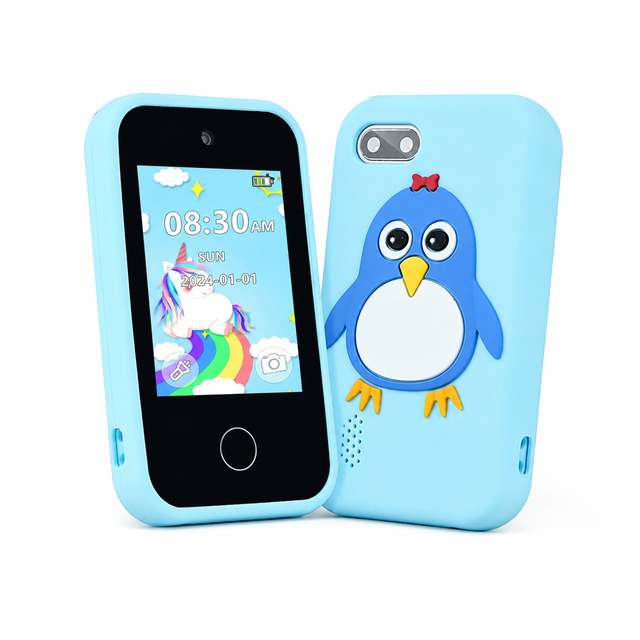
Kids Small Smart Mobile Phone Touch Screen Fun Games Camera Photos & Video Additional MP3 Function Children's Toy
 Shenzhen AOGO Trading Co., Ltd.verified🇨🇳CN6 yrs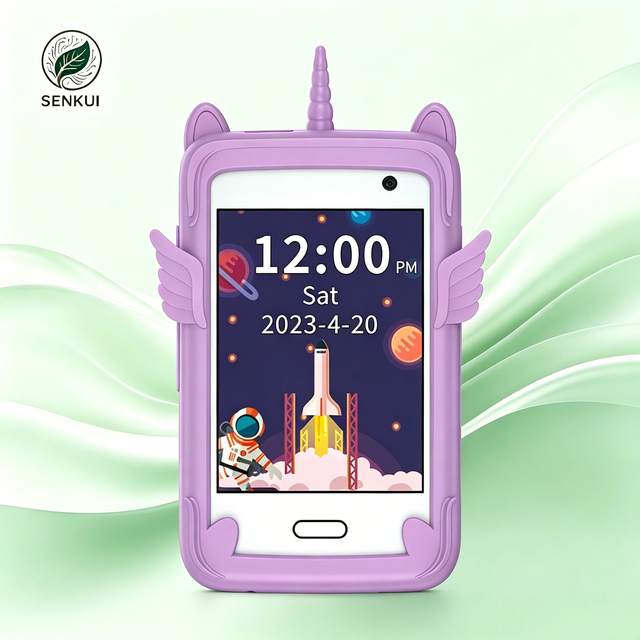
Factory Kids Smart Phone for Kids 2.8 IPS Touchscreen Learning Card Play Game Phone with Dual Camera Cell Phone for Kids
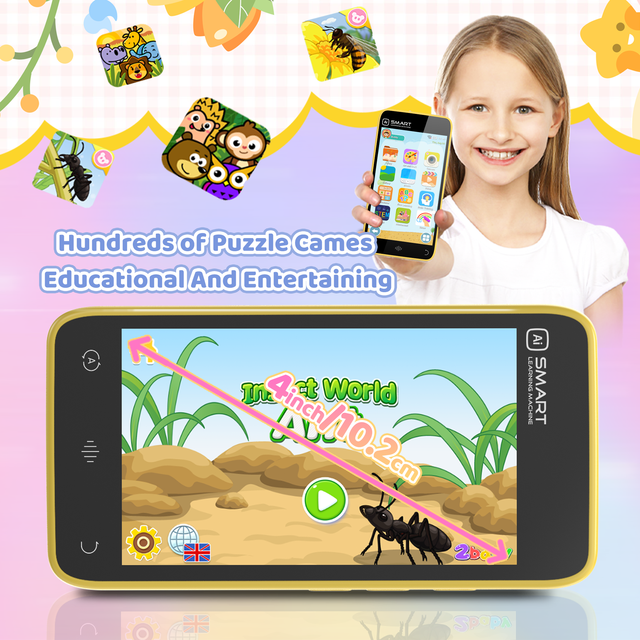
New Android 8.1 Kids Phone 3.97 Inch IPS Touch Screen Quad Core 1GB 8GB WiFi Smart Handheld Kids Mobile Phone
 Shenzhen Xuezhiyou Technology Co., Ltd.verified🇨🇳CN16 yrs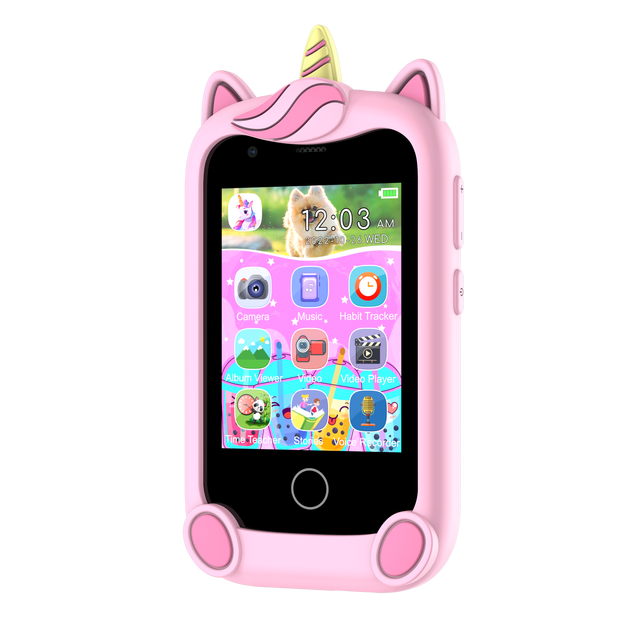
New Arrival XA31 2.8 Inch IPS Touch Screen Kids Game Phone with Dual Cameras & Alarm Clock Birthday Gift for Children
 Simple Art International CO.,Ltdverified🇨🇳CN20 yrs
Kid Smart Mobile Smart Cell Phone Device Smartphone for Smart Toy Musical Baby Mobile for Kids Gift
 Dongguan Bowen Electronic Technology Limited🇨🇳CN9 yrs
Related Searches
Explore more sourcing topics & related categories
Sources & References
26 sources cited · Verified industry data & reports
Java Games For Touch Screen Mobiles: Types, Material Standards, ...
www.alibaba.com
Growth trend: Nigeria, India, and Indonesia have seen a resurgence in localized Java game development · While Java games themselves are lightweight, some platforms use mobile devices as remote interfaces for more complex games. Touch screen Java-enabled phones can act as secondary screens or controllers in streaming setups. Additionally, ensure your device supports Java ME before installation, as many newer phones have discontinued this runtime environment. Java games for touch screen mobiles have gained widespread popularity in the wholesale market due to their lightweight design, broad device compatibility, and intuitive touch-based gameplay. Originally developed for feature phones, these games have evolved to support modern touch interfaces, making them ideal for diverse usage scenarios across different user groups and markets. Built on Java ME (Micro Edition), these games can run seamlessly on various operating systems such as Symbian, Blackberry OS, Windows Mobile, and feature phone platforms. This portability ensures that users across different devices and manufacturers can enjoy the same gaming experience without needing specialized hardware or software updates. Developers leverage Java’s "write once, run anywhere" principle to deploy games efficiently, reducing development time and increasing market reach.
Java Games for Touch Screen Mobiles Guide
electronics.alibaba.com
If you’re trying to run classic Java games like Snake EX, Space Impact, or Asphalt Urban GT on a modern touch screen mobile, here’s the unvarnished truth: native support ended years ago, but functional workarounds exist. You don’t need an emulator if your device runs Android 8 or earlier and accepts .jar files directly—but most Android 9+ devices block installation by default. For newer phones, J2ME Loader is the only actively maintained, open-source emulator that reliably handles touch mapping, MIDP 2.0 features, and common DRM-free titles. When it’s worth caring about: You own a device confirmed to run Android 7.1 or earlier and only want to play pre-MIDP 2.0 titles (e.g., original Snake, Tetris). When you don’t need to overthink it: Your phone runs Android 9 or later—skip this path entirely. An open-source, actively developed emulator with a clean UI and robust touch remapping. ⚡ Hardware longevity: Millions of Android 4.4–8.1 devices remain in active use globally—especially in emerging markets—and lack viable alternatives for ultra-lightweight games (12,000 verified, DRM-free JAR files with metadata, making curation easier than ever. 🧩 Emulator maturity: J2ME Loader (v2.0+, released late 2023) added dynamic DPI scaling, multi-touch gesture mapping, and SD card save persistence—addressing long-standing friction points. These were the dominant mobile games from ~2003 to 2012—distributed as .jar (binary) and often paired with a .jad (descriptor) file. Unlike today’s app-store-native titles, they ran inside a sandboxed Java Virtual Machine (KVM) embedded in the phone’s firmware.
Mobile Games: The Complete History (1993 - 2026)
www.blog.udonis.co
Following Apple’s lead, Google launched the Android Market (now Google Play) later in 2008. BlackBerry, Windows Phone, and others followed with their own app stores. By 2010, it was clear: app stores were the future — and games were the #1 category. Smartphones weren’t just better for games — they made new kinds of games possible. The capacitive touchscreen allowed for intuitive controls: tap, swipe, drag, and multitouch. The failure of the N-Gage showed that the market wasn’t ready for a gaming-focused phone — people still wanted general-purpose devices that could also play games well. By 2006, mobile gaming was growing but still niche. It had taken off in Japan and South Korea, and small pockets of early adopters played Java games in other regions. When Apple launched the iPhone in 2007, it redefined what a phone could be — and set the stage for mobile gaming to explode. The original iPhone, and especially the iPhone 3G in 2008, introduced game-changing features: a large multi-touch screen, a powerful processor, accelerometer, and enough memory to handle real-time games. More importantly, phones started supporting downloadable games through Java 2 Micro Edition (J2ME) and Qualcomm’s BREW platform. These technologies let third-party developers build real apps — and gave carriers a new product to sell: games. However, this era (roughly 2000–2006) had one big issue: extreme fragmentation. Different phones had different screen sizes, input methods, and hardware specs.
History of mobile games — Grokipedia
grokipedia.com
The history of mobile games documents the progression of video games optimized for portable cellular devices, from rudimentary preloaded titles on early feature phones in the mid-1990s to sophisticated, revenue-generating applications dominating the global gaming market today.[1][2] Pioneering efforts began with Tetris ported to the Hagenuk MT-2000 handset in 1993 or 1994, followed by Nokia's Snake in 1997, which became emblematic of the era's constraints—monochrome displays, limited processing power, and button-based controls—preloaded on millions of devices to demonstrate hardware capabi Nokia 3310 - Full phone specifications - GSMArena.com · Playing video on a Nokia 3310 LCD display with Arduino ... A Brief History Of Touchscreen Technology: From The IPhone To ... Lights Off: First IPhone Native Game Arrives - WIRED ... Android Market Takes On Apple's App Store: Games Still Rule, But ... Nintendo's Game & Watch series, debuting with Ball on April 28, 1980, pioneered portable electronic gaming through LCD displays and rudimentary D-pad or button inputs, enabling simple, single-title experiences playable in brief intervals.[6] Over 60 variants were produced until 1991, achieving combined sales of 43.4 million units worldwide, which validated the market for dedicated handheld devices emphasizing accessibility over complexity.[7] These systems' focus on reaction-based mechanics and minimal hardware foreshadowed mobile gaming's reliance on intuitive controls and constrained playtim The early 2000s saw expansion via the Java 2 Micro Edition (J2ME) platform, with the Mobile Information Device Profile (MIDP) finalized in 2000, enabling third-party developers to create and distribute downloadable .jar files for compatible phones starting around 2002 with models like the Nokia 3410.[18][19] Pre-installed staples included Space Impact (2000), a side-scrolling shoot 'em up on the Nokia 3310 involving spaceship maneuvers to destroy alien foes amid waves of projectiles, leveraging the device's monochrome display for stark contrast.[20] Bounce, introduced around 2001 on Nokia phon
Best Java Games for 320x240 Touch Screen Phones
electronics.alibaba.com
These typically feature 2.8-inch screens with 320x240 resolution, targeting budget gaming markets AlibabaAlibaba. * Wholesale Dynamics: Modern "retro" gaming phones are available at wholesale prices ranging from $12 to $105 per unit, depending on ruggedness and OS capabilities AlibabaAlibaba. I have compiled three detailed product lists covering rugged flip phones, retro gaming handsets, and wholesale touch-screen options for your review. I have synthesized the trends and product findings for Java touch games. Java Games Touchscreen Mobile Phones Wholesale10Retro Gaming Phone 320x240 Screen Support Java J2me5Cat S22 Flip Android 11 Rugged Smart Flip Phone 16gb Rom 2gb Ram11 ... Java Games Touchscreen Mobile Phones Wholesale10Retro Gaming Phone 320x240 Screen Support Java J2me5Cat S22 Flip Android 11 Rugged Smart Flip Phone 16gb Rom 2gb Ram11 The market for Java (J2ME) games on 320x240 touch screens is experiencing a distinct "retro-revival" phase, shifting from legacy hardware to modern emulation and specialized hybrid devices. * The Emulation Resurgence: Modern Android-based emulators like J2ME Loader have become the primary way consumers interact with classic Java games. They offer superior performance, save states, and customizable touch-to-key mapping, solving the lack of physical buttons on modern smartphones AlibabaGithub. * "Sidephone" Culture: A growing niche of "digital detox" and retro-gaming enthusiasts uses secondary devices specifically for J2ME gaming. The CAT S22 Flip is currently the "gold standard" for this trend, as it combines a physical T9 keypad with Android power and a touch screen Youtube.
The Birth of Mobile Gaming: Java Edition — From Java 1 to Príncipe ...
medium.com
With the introduction of Java 2 Micro Edition (J2ME), developers could create games that could run on a variety of devices, from low-end phones to high-end smartphones. This versatility made J2ME an attractive platform for game developers, who could create games that could be played on a wide range of devices. One of the first games to take advantage of J2ME’s capabilities was Snake. Snake was a simple game in which the player controlled a snake that moved around the screen, eating food to grow longer. With J2ME, games could be downloaded over the internet and installed directly on the phone. This made it easier for developers to distribute their games and for users to access a wider variety of games. Overall, the rise of mobile gaming in the early 2000s was a significant development in the history of video games. Mobile games in the early 2000s were a novelty that had just begun to gain traction. While most phones at the time could offer a few simple games to entertain users during their lunch breaks, few could have predicted the impact that a new platform would have on the mobile gaming industry. Java’s impact was also felt in the way that games were distributed. Before Java, mobile games were typically pre-installed on phones or distributed on physical media, such as CDs or cartridges. With Java, games could be downloaded over the internet and installed directly on the phone.