Glonass L1 L2

Overview
Product sourcing insights & recommendations


The market for GLONASS L1/L2 products is currently undergoing a significant technological shift. While L1/L2 remains a standard for legacy industrial and professional applications, it is increasingly being surpassed by the L1/L5 dual-frequency standard in modern high-precision sectors Swiftnav.
Market Trends & Insights
* Technological Transition: GLONASS is moving from traditional FDMA (Frequency Division Multiple Access) to CDMA (Code Division Multiple Access) signals. The newer GLONASS-K2 satellites will transmit CDMA signals on both L1 and L2 bands to improve accuracy and interoperability with GPS and Galileo Esa.
* L1/L5 Rising Dominance: For new product development in 2026, the industry is pivoting toward L1/L5. Major chipset providers like u-blox and Quectel are prioritizing L5 because it operates in a protected spectrum and offers 10x wider bandwidth than L2, making it superior for urban canyons and autonomous robotics Swiftnav.
* Performance Gap: L1/L2 systems operate in unprotected spectrums, making them more vulnerable to interference from military radars and amateur radio Swiftnav. In contrast, L5 systems provide higher power and better multipath resistance Pointonenav.
Product Availability
Current product offerings include high-precision modules and antennas that support multi-constellation tracking (GPS, GLONASS, Galileo, BeiDou).
Dual Frequency Gnss Receiver L1 L2 Gps Glonass Handheld
Products · 3 lists
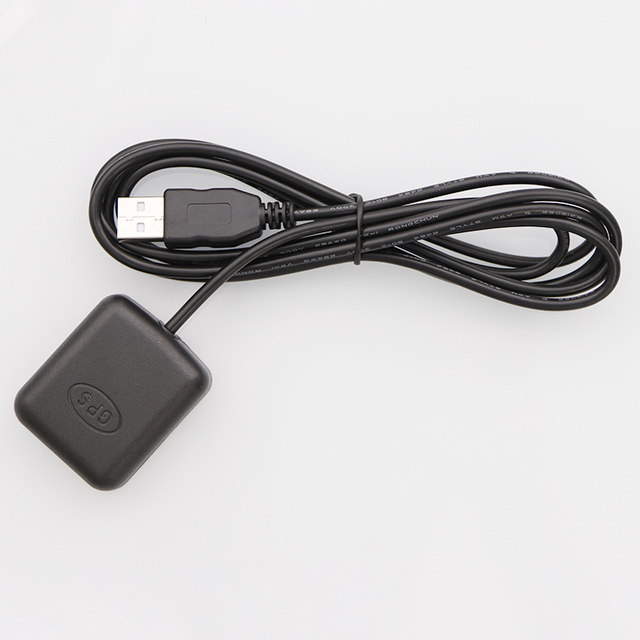
Latest High Accuracy GNSS Receiver GPS L1/L2 /L5 GLONASS L1/L2 /L3 BeiDou B1/B2/B3 GPS GNSS RTK Receiver
 Shenzhen Hurryup Technology Co., Ltd.verified🇨🇳CN15 yrs
G3 High Precision Gnss Rtk Dual Frequency Gps Receiver RTK
 Shanghai Asian Bright Import & Export Co., Ltd.verified🇨🇳CN3 yrs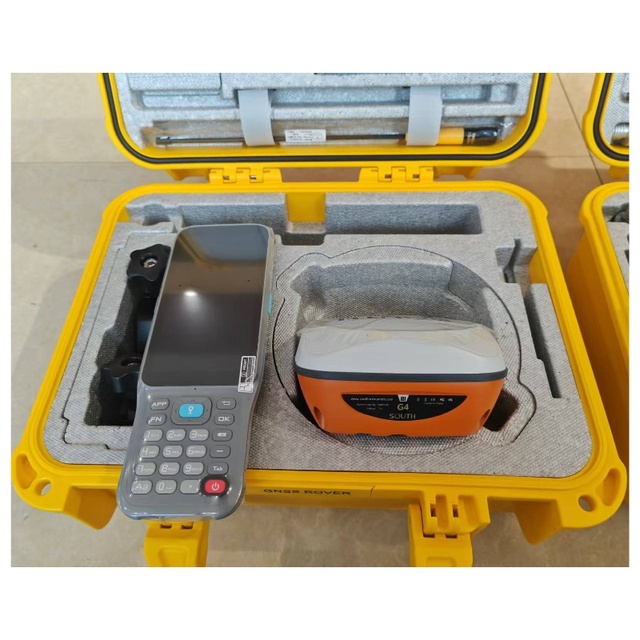
South G4 Tilt Base GNSS Receiver with IP68 Rating Multi-Constellation Support WiFi & Bluetooth International Edition
 Henan Dayu Import And Export Co., Ltd.verified🇨🇳CN2 yrs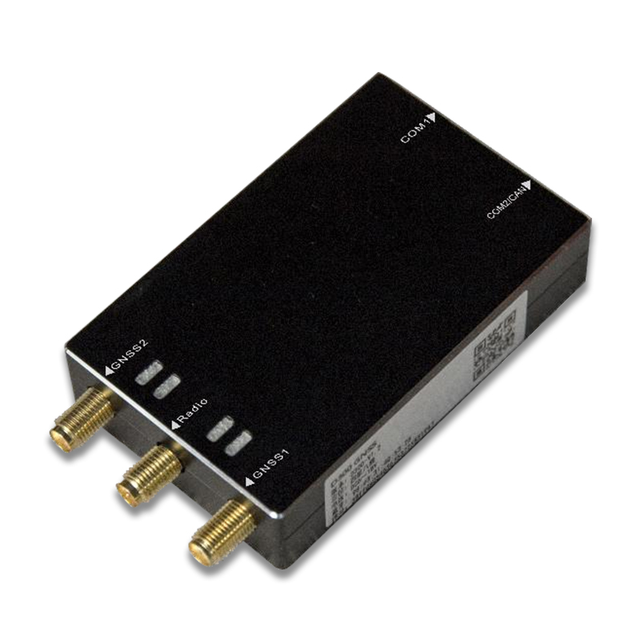
RTK Receiver BDS/GPS/GLONASS/GALLEO/QZSS/SBAS Full System Multi Frequency Positioning Heading GNSS Receiver IMU D30
 Shenzhen Maojiexin Electronics Co., Ltd.verified🇨🇳CN4 yrs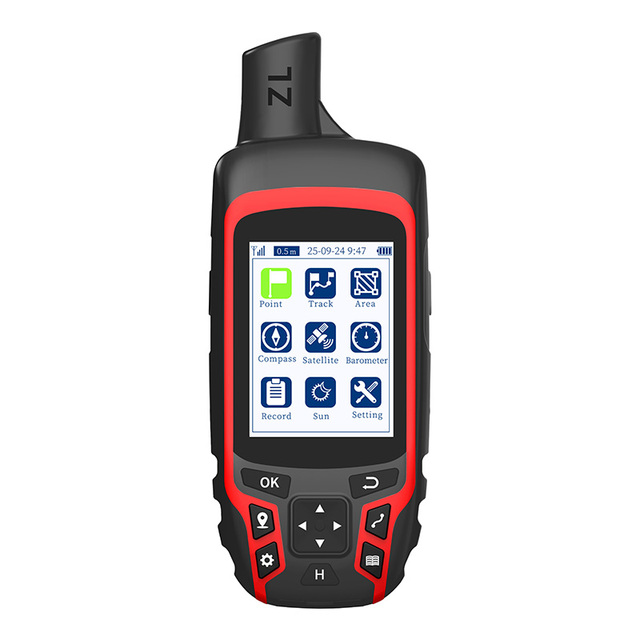
Portable Handheld GPS Navigator Multi Satellite GNSS Device for Land Survey and Field Navigation
 Hefei Zhuolin Electronic Technology Co., Ltd.🇨🇳CN1 yr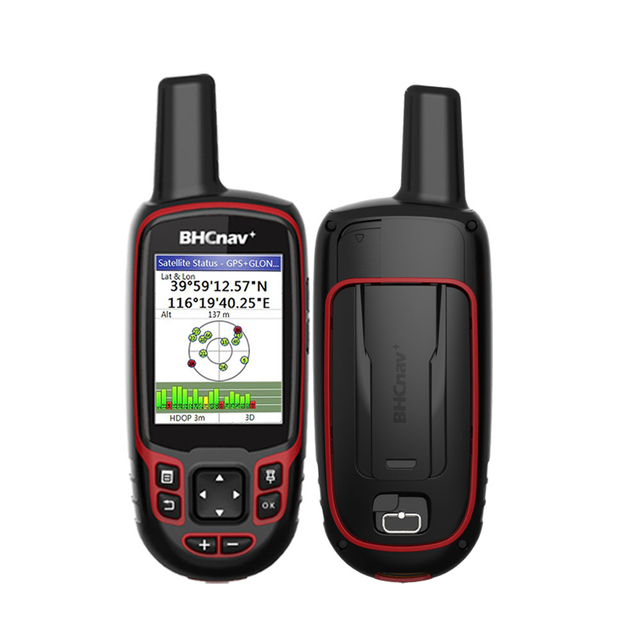
Cheap GNSS Receiver Handheld GPS Survey Equipment With 2.8" Display Screen
 Beijing Huace Navigation Technology Co., Ltd.🇨🇳CN9 yrs
Related Searches
Explore more sourcing topics & related categories
Sources & References
24 sources cited · Verified industry data & reports
Satellite Navigation Chip Market Size & Share 2026-2032
360iResearch
The Satellite Navigation Chip Market is projected to grow by USD 2.95 billion at a CAGR of 7.92% by 2032.
Full Band GNSS Antenna Market Research Report 2034
Dataintelo
The Full Band GNSS Antenna market was valued at $2.8 billion in 2025 and is projected to reach $5.6 billion by 2034, growing at a 7.9% CAGR.

Military GNSS Receivers Market Size, Share, Industry ...
Market Research Future
The L1 segment continues to dominate the market, while the L5 segment is gaining traction due to its enhanced capabilities and performance.

Navigating the L1, L2 and L5 Band Options for GNSS
Taoglas
Learn how L1, L2, and L5 bands enhance GNSS accuracy and reliability in location services. Discover the best GNSS band for your application.
GNSS Market Size, Share, Growth | Industry Report [2026- ...
Fortune Business Insights
The market is projected to grow from USD 372.47 billion in 2026 to USD 844.55 billion by 2034 at a CAGR of 10.77% during the forecast period.

GLONASS Future and Evolutions - Navipedia
European Space Agency
In addition to CDMA signals on L3, CDMA signals will also be transmitted on L1 and L2. The GLONASS-K satellites will transmit both legacy FDMA and CDMA signals.