Goldstar Television
Overview
Product sourcing insights & recommendations
The phrase 'GoldStar television' represents the foundational legacy of what is now LG Electronics, marking a significant evolution from budget-friendly, entry-level devices to premium, world-leading display technology.
1. Brand Evolution: GoldStar to LG
* GoldStar (1958–1995): Founded as GoldStar Co., Ltd., the brand became a global household name in the 1980s by specializing in mass-market televisions and radios WikipediaWikipedia. It was a pioneer in South Korea, producing the country's first domestically made black-and-white TV in 1966 and color TV in 1977 MatrixbcgElectronicworldtv.
* The Rebranding: In 1995, GoldStar merged with Lucky Chemical to form LG Electronics Wikipedia. This shift was not just linguistic; it marked a strategic pivot from "affordable electronics" to "global technology leader" under the "Life's Good" philosophy CultureofinternetLg.
2. Market Trends: The Vintage GoldStar Resurgence
While the GoldStar brand is no longer active in new production, a strong secondary market exists, primarily driven by Retro Gaming Communities Alibaba.
* Gaming Performance: Vintage GoldStar CRT sets (1987–1993) are highly sought after for their low input lag and authentic 240p signal processing, which modern TVs cannot replicate without distortion Alibaba.
* Niche Value: Models with the PC04 chassis are particularly prized because they are well-documented for repairs and "RGB mods" AlibabaWorthpoint. Tested units for gaming typically range from $110 to $240, while portable vintage models sell for $35 to $65 on platforms like eBay AlibabaEbay.
3. Future Outlook: LG 2026 Technological Trends
By 2026, LG has solidified its 13-year dominance in the OLED market with several major breakthroughs Lg:
* Hyper Radiant Color: New 2026 panels are up to 3.9 times brighter than standard OLEDs with significantly enhanced color accuracy Lg.
* Dual AI Processing: The latest α11 AI Processor Gen 3 uses NPUs to perform simultaneous noise reduction and texture preservation Lg.
* Design Breakthroughs: The Wallpaper OLED W6 has achieved a profile thickness of just 9.95mm, setting a new benchmark for "wall-flush" aesthetics LgYoutube.
The phrase 'GoldStar television' remains a powerful search term for collectors and retro-tech enthusiasts, while modern 'LG TV' searches are dominated by AI-integrated OLED technology and extreme thinness designs.
Based on these historical insights and 2026 market projections, I can help you with:
Goldstar Tv Replacement Parts Crt Components
Products · Top picks & verified manufacturers
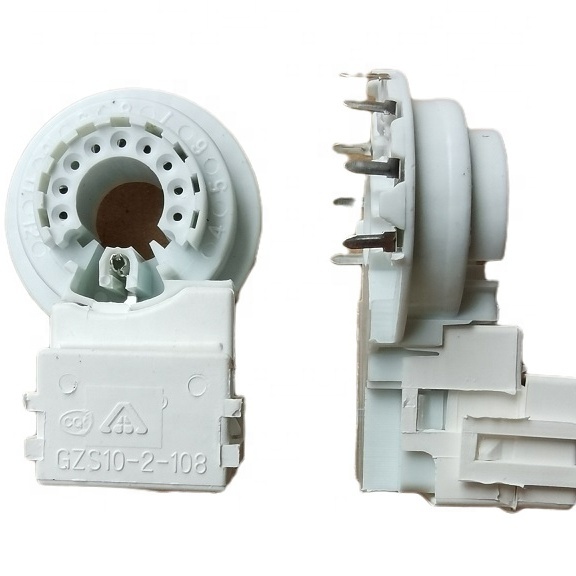
21 inch CRT Tv base GZS10-2-108 CRT Tube sockets
 Yueqing Shengtuo Electrical Technology Co., Ltd.🇨🇳CN6 yrs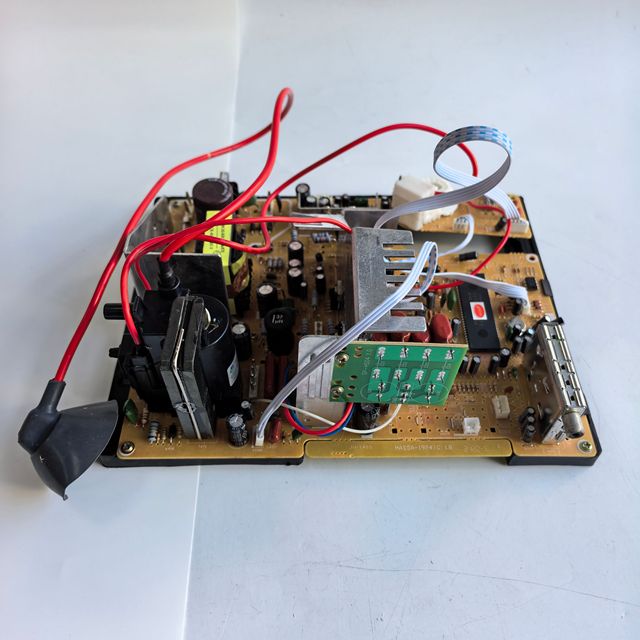
China Factory CRT TV Board Universal Ultra Slim Kits CRT Mainboard for 21 Inch Slim Tube Color TV

CRT TV Board 14-21 Inch Universal Color TV Kit Circuit Board for NF/PF CRT Television
 Foshan Nanhai Feiling Electronics Co., Ltd.🇨🇳CN12 yrs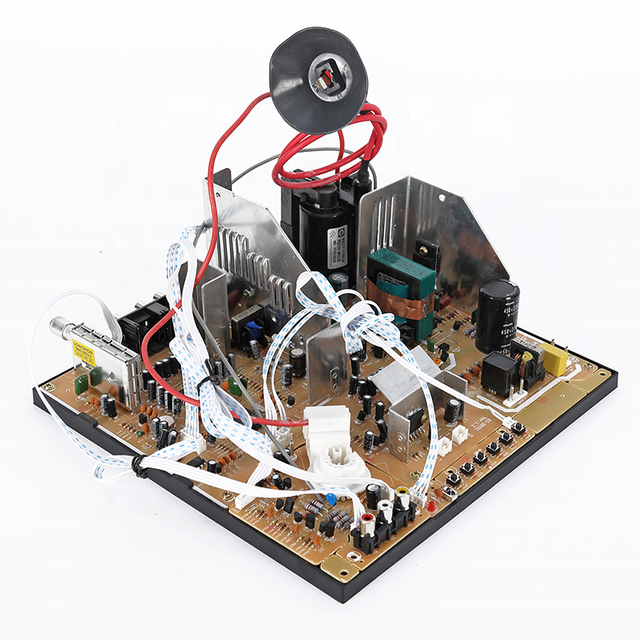
Original New 25-29 Inch CRT TV Motherboard Universal HD Color TV Multilayer PCB Kits Essential TV Parts
 Shenzhen Pinkuo Trading Co., Ltd.🇨🇳CN2 yrs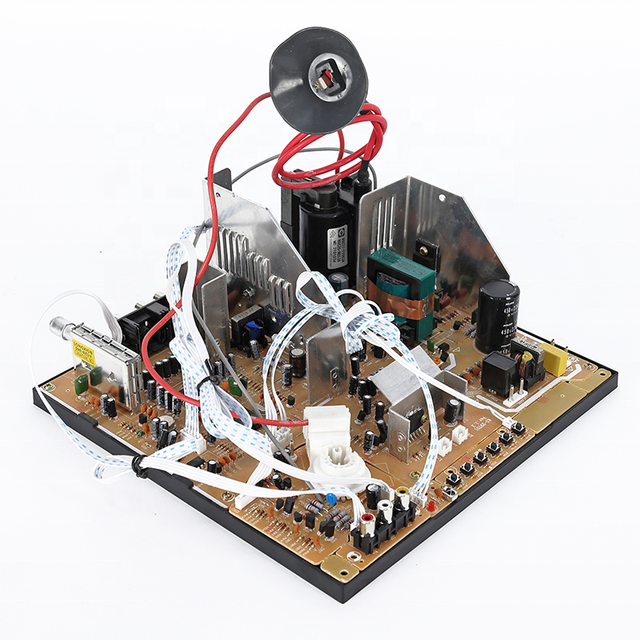
Original new CRT TV motherboard 25-29 inch universal HD color TV motherboard PCB kits for Tv parts
 Shenzhen Beast & Lion Technology Co., Ltd.🇨🇳CN1 yr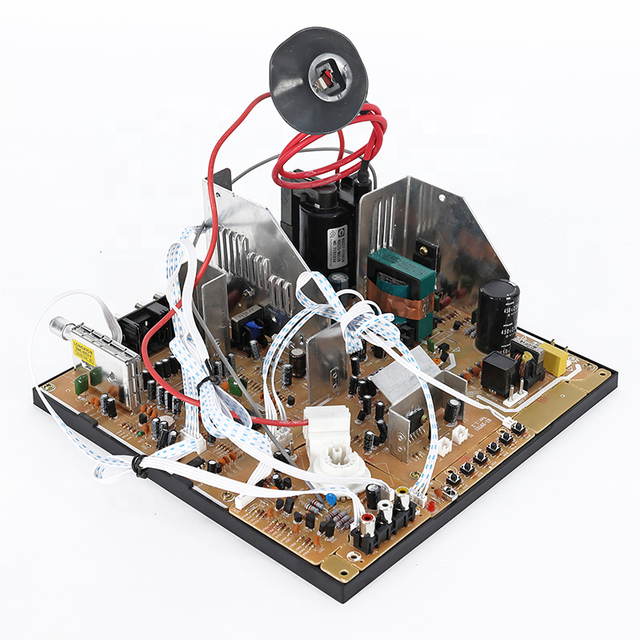
Original new CRT TV motherboard 25-29 inch universal HD color TV motherboard PCB kits for Tv parts
 Shenzhen Shengdingtong Technology Co., Ltd.verified🇨🇳CN1 yr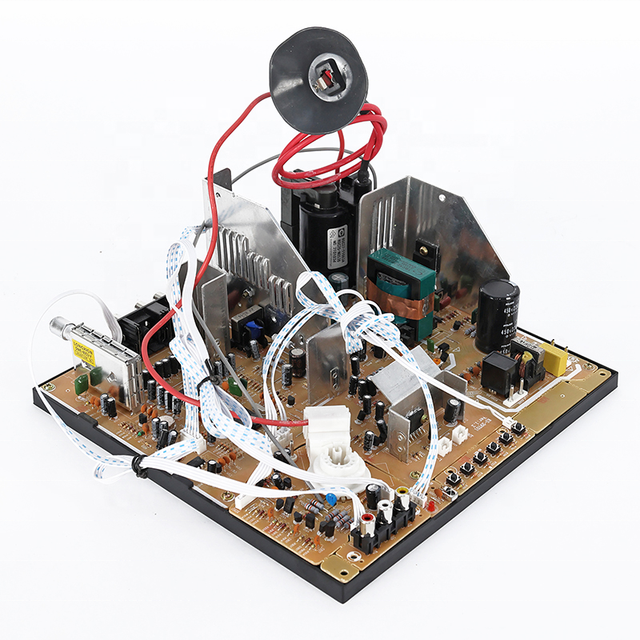
Original new CRT TV motherboard 25-29 inch universal HD color TV motherboard PCB kits for Tv parts
 Shenzhen Nordson Electronics Co., Ltd.🇨🇳CN1 yr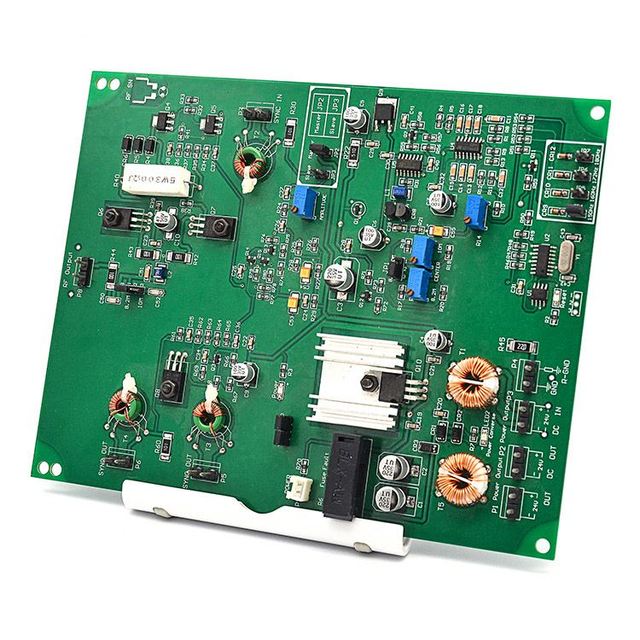
Certificate high quality customized universal crt tv main board manufacturer/factory in Shenzhen
 Sunsoar Tech Co., Limited🇭🇰HK2 yrs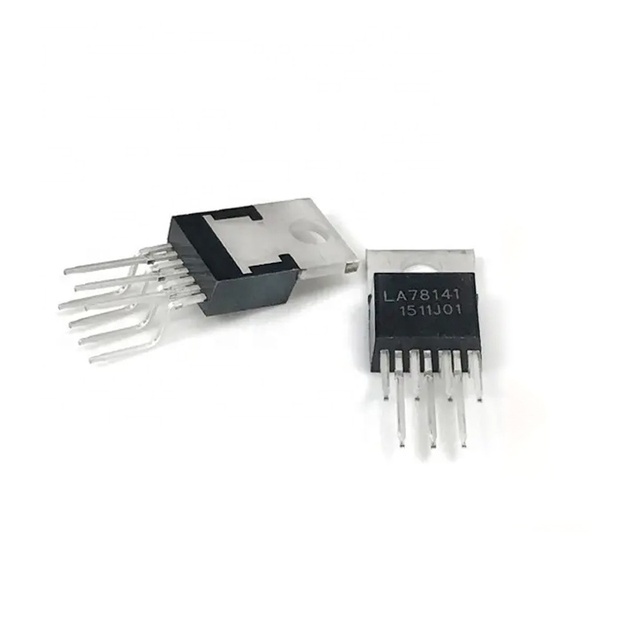
TV and CRT Display Vertical Output IC Integrated Circuit LA78141 Original
 Shenzhen Boruijintong Technology Co., Ltd.🇨🇳CN5 yrs
CRT TV Socket
 Henan Dorun Electronics Co., Ltd.🇨🇳CN18 yrs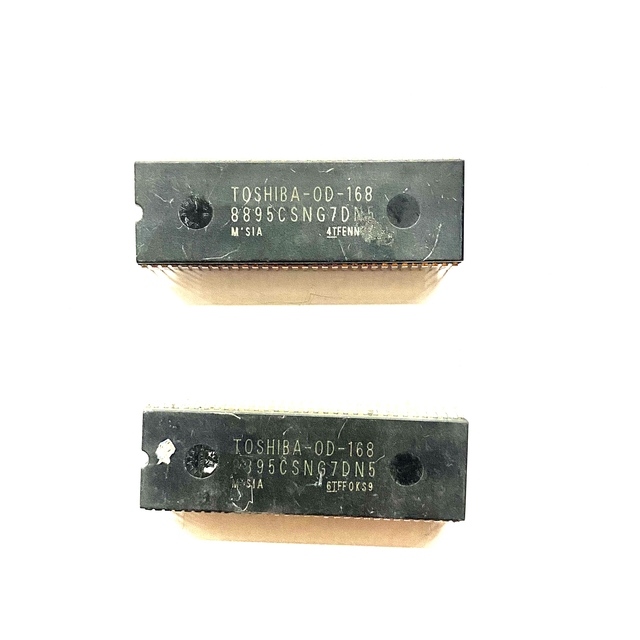
21inch STR SLIM TOSHIB PCB CRT KIT UNIVERSAL TV KIT 21INCH
 Guangzhou Hongxun Electronic Co., Ltd.🇨🇳CN21 yrs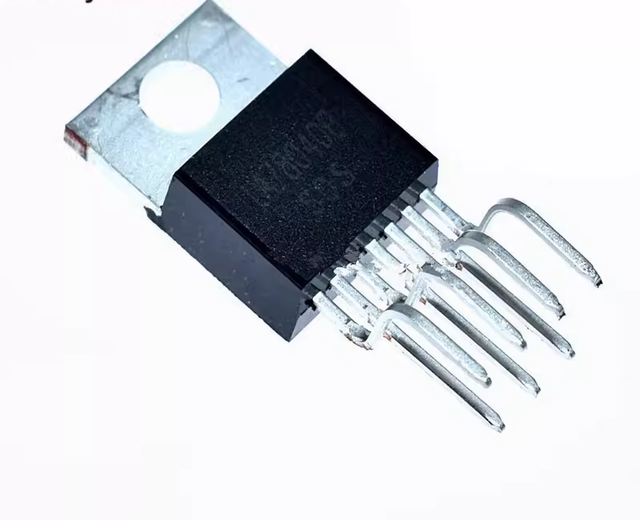
Hot offer LA78040 TV and CRT Display Vertical Output IC 78040
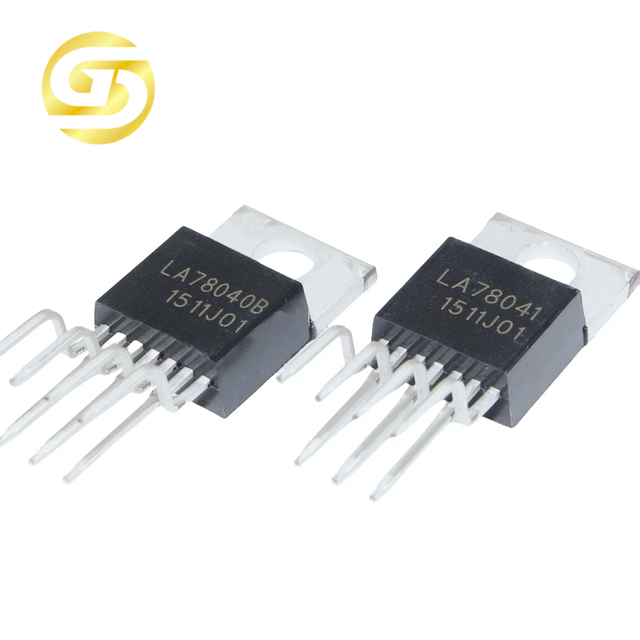
LA78040B LA78040 LA 78040 TO-220-7 Transistor TV and CRT Display Vertical Output IC with Bus Control Support Amplifier IC
 Shenzhen Sungood Electronics Technology Co., Ltd.verified🇨🇳CN4 yrs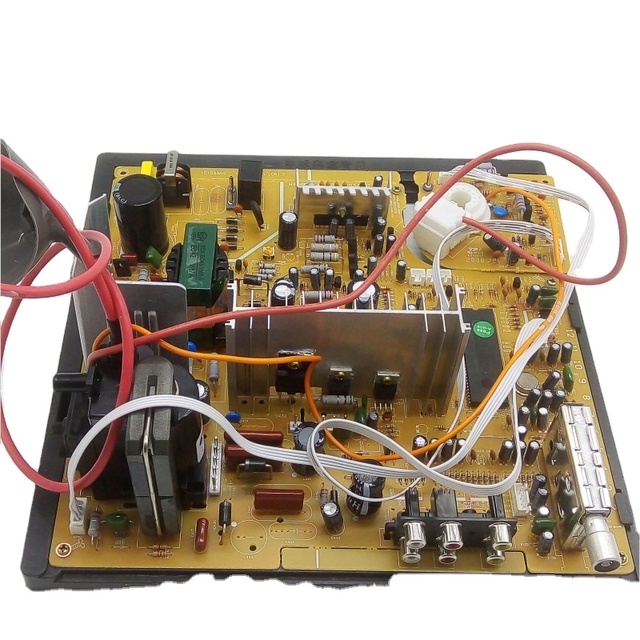
Original new CRT TV motherboard 14-21 inch universal 21 inch HD color TV motherboard PCB
Deep Dive · Full Report
Full Market Report
1 document · Live-fetched from source
Related Searches
Explore more sourcing topics & related categories
Sources & References
29 sources cited · Verified industry data & reports
GoldStar - Wikipedia
en.wikipedia.org
LG Cable was spun off from LG Electronics and changed its name to LS Cable in 2005. GoldStar manufactured a wide variety of products, including radios, televisions, air conditioners, MSX home computers, LCD games, videocassette recorders, video and audio cassette tapes, microwave ovens, electronic typewriters, integrated circuits, escalators, elevators, injection molding machines, dehumidifiers, fans, and tractors. GoldStar televisions became a commonly sold brand of consumer television sets in the United States in the 1980s. The name was changed to LG Precision with the merger, with many of the same products and model numbers being produced but with new branding. The measuring device division was acquired by EZ Digital in 1999, again with identical or similar model numbers. The industrial products continue under the company name LIG Nex1. GoldStar tractors began in 1975, as a division of Hyundai, in cooperation with Yanmar of Japan. Tractors were sold under the GoldStar and Fiat-GoldStar brands. Fiat-GoldStar was a brand of tractors sold in cooperation with the Fiat company of Italy. The Fiat-GoldStar name was discontinued when GoldStar changed its corporate name to LG Cable. In 1977, they began cooperation with Fiat of Italy, and in 1983, was acquired by GoldStar. Both companies, Lucky Chemicals and Goldstar Co. Ltd, merged and formed Lucky-Goldstar in this year. GoldStar was a South Korean electronics company established in 1958. The corporate name was changed to LG Electronics and LG Cable on February 28, 1995, after merging with Lucky Chemical. LG Cable was spun off from LG Electronics and changed its name to LS Cable in 2005.
What is Brief History of LG Electronics Company? – MatrixBCG.com
matrixbcg.com
The name GoldStar was chosen to convey brilliance and value, distinct from the parent company’s functional branding. Initial manufacturing was established in Busan, financed largely through internal capital and reinvested profits. By the end of the 1950s and into the 1960s, GoldStar set the foundation for what would become a global electronics conglomerate, reflected in later LG Electronics milestones and evolution of LG brand. In 1965 the firm produced South Korea's first refrigerator, followed by the first television set in 1966 and the first air conditioner in 1968, events that established market leadership in consumer electronics and accelerated industrialization. ... By 1973 the company opened a U.S. sales office, marking the start of international expansion and targeting North American consumers as part of its LG company timeline and global revenue growth strategy. ... The 1983 merger of GoldStar and Lucky Chemical created the Lucky-Goldstar Group; an Alabama plant opened in 1982 was the first overseas production base for a Korean electronics firm, supporting export-led expansion. In early 2024 LG Electronics shifted from hardware maker to Smart Life Solution company, posting 84.2 trillion KRW revenue and 3.55 trillion KRW operating profit, reflecting decades of tech-driven adaptation from its 1958 GoldStar origins. Founded in Busan in 1958, the company began as GoldStar to localize consumer electronics post–Korean War, later expanding into appliances, TVs, vehicle components and platform services like webOS. What is Brief History of LG Electronics Company?
LG - Wikipedia
en.wikipedia.org
(now LG Electronics Inc.) in 1958. Both companies Lucky and GoldStar merged to form Lucky-Goldstar in 1983. GoldStar produced South Korea's first radio. Many consumer electronics were sold under the brand name GoldStar, while some other household products (not available outside South Korea) were sold under the brand name of Lucky. LG Corporation (also known as LG Group or simply LG), formerly known as Lucky Goldstar, is a South Korean multinational conglomerate founded by Koo In-hwoi in 1947 and managed by successive generations of his family. Headquartered in the LG Twin Towers building in Yeouido-dong, Yeongdeungpo District, in Seoul, it was the sixth-largest company in South Korea by revenue in 2023. It is headquarters in the LG Twin Towers building in Yeouido-dong, Yeongdeungpo District, Seoul. Its electronics subsidiaries manufacture and sell products ranging from electronic and digital home appliances to televisions and mobile telephones, from thin-film-transistor liquid-crystal displays to security devices and semiconductors. The Lucky brand was famous for hygiene products such as soaps and HiTi laundry detergents, but the brand was mostly associated with its Lucky and Perioe toothpaste. LG continues to manufacture some of these products for the South Korean market. Koo In-hwoi led the corporation until his death in 1969, at which time, his son Koo Cha-kyung took over. In 1995, he passed the leadership to his son, Koo Bon-moo. Koo Bon-moo renamed the company to LG in that year. LG develops, manufactures, and markets electronics, chemicals, household appliances, and telecommunications products. It operates subsidiaries in over 80 countries, including LG Electronics, Zenith, LG Display, LG Uplus, LG Innotek, LG Chem, LG Energy Solution, and LG AI Research.
A History of LG: Pioneering TV Technology
electronicworldtv.co.uk
Right from the start, quality and advancements have been LG's main focal points; even when the company was still named GoldStar, its commendable commitment to research and development led to the creation of South Korea’s first domestically produced black-and-white TV in 1966. The device stood out as a remarkable achievement; it showcased the company’s ability to compete with international brands, gradually building up LG’s reputation as an innovator in the field on a global scale. When television transitioned from black-and-white to colour, it was a monumental leap in the industry, and it’s no surprise LG was at the forefront of it, especially after the amazing achievements it already reached. In TV technology, this brand has constantly been pushing the boundaries of what’s possible, introducing features, designs, and advancements that have set home entertainment standards incredibly high. But how did it all begin? In today's blog, we will put the spotlight on LG, exploring its fascinating story, evolution, signature TV models, and most remarkable milestones in television technology to better understand how it's become one of the leading brands on the market! In 1977, LG – still GoldStar– introduced its first colour television, the CNP-805, bringing vibrant and lifelike images into the homes of the lucky ones who could afford such technology. This groundbreaking innovation was more than a simple technical upgrade; it was a real milestone that changed how people consumed media and entertainment! Colour television marked a new chapter of visual storytelling. To understand the worldwide famous LG we know today, we need to go back in time to its humble beginnings. Its story started in 1947 when it was founded as "Lak Hui" (pronounced "Lucky") by businessman Koo In-hwoi, who chose to specialise in the plastics industry. A few years later, the company expanded its activity to consumer electronics, establishing GoldStar Ltd in 1958; the two businesses eventually merged, becoming "Lucky-Goldstar" (hence, LG).
History of LG Over The Years | Company Origin | LG UK
www.lg.com
To keep up with global demand, Goldstar expanded into the U.S. by building a colour television factory in 1982. Following the brand’s transformation in 1995, LG continued to produce some of the thinnest, smallest and most spectacular electronics in the world. Founded in 1958, Goldstar Co., Ltd —the predecessor to LG Electronics—was a pioneer in technology throughout the ‘60s . Goldstar’s popularity took off inside and outside of the home as they introduced many of Korea’s first consumer products, including automatic telephones, fans, transistor radios and even televisions. As one of the most innovative brands around, it’s no surprise that LG earned the title of “World’s Best IT Company” in 2004. ... In the ‘80s, the development of consumer technology skyrocketed as more and more people wanted to get their hands on the “next big thing”. Domestically, Goldstar was one of the first to bring a variety of different products to Korean homes, including the colour video camera and domestic mini computer. From that point on, Goldstar would continue to gain traction toward becoming the industry leader you’re familiar with today. Whether you know LG Electronics as the name behind some of the most impressive washing machines, refrigerators, vacuums, computers or TVs on the market—we are one brand that has left an impact on households and hearts over the years.
LG Electronics - Wikipedia
en.wikipedia.org
Goldstar first went public in 1970; by 1976, it was producing one million televisions annually. In 1978, the company also surpassed US$100 million in exports. In 1982, Goldstar opened its first overseas factory, which was based in Huntsville, Alabama. In 1994, GoldStar officially adopted the LG Electronics brand and a new corporate logo. LG has been a television manufacturer since the early development of South Korea's consumer electronics industry. Under its former brand GoldStar, the company produced South Korea's first domestically manufactured black-and-white television in 1966. LG Electronics acquired Zenith in 1995 and is the largest shareholder of LG Display, the world's largest display company by revenue in 2020. LG Electronics is also the world's second largest television manufacturer behind Samsung Electronics. The company has 128 operations worldwide, employing 83,000 people. In 1958, LG Electronics was founded as GoldStar (Korean: 금성). It was then merged with and into LG CI in 2003 (the legal successor of the former LG Chem), so the company that started as GoldStar does not exist. In 2004, LG.Philips LCD completed an initial public offering and was listed on the New York Stock Exchange and the Korea Exchange; it was later renamed LG Display. By 2005, LG was a Top 100 global brand and recorded a brand growth of 14% in 2006. Following this, the company launched its direct-flow water purifier lineup under the PuriCare brand. In July 2017, LG reported that sales of the PuriCare Slim water purifier had exceeded 100,000 units over the previous three months, equivalent to one unit sold every 80 seconds. In 2021, the company introduced a model capable of sterilizing internal water pathways using high-temperature water, described as the first of its kind in South Korea. GoldStar, the predecessor of LG Electronics, produced South Korea's first domestic refrigerator in 1965.