Gsm Sim Cards Remote

Overview
Product sourcing insights & recommendations


The phrase 'gsm sim cards remote' primarily refers to the architectural ecosystem of Remote SIM Management, where cellular connectivity is decoupled from physical hardware through SIM Banks and SIM Servers Telarvostore. In the 2026 market, this technology is shifting from niche bulk-messaging tools to a core pillar of Industrial IoT (IIoT) and enterprise digital infrastructure ResearchgateBcengi.
1. Market Trends for 2026
The market is characterized by a rapid transition toward software-defined connectivity and centralized management.
* IIoT and M2M Growth: The remote provisioning market is projected to reach over $45 billion by 2033, driven by the need to manage thousands of global sensors without physical SIM swaps InstagramWiseguyreports.
* eSIM Standardization: The industry is converging on GSMA standards (SGP.31 and SGP.32), which simplify remote activation for large-scale deployments by removing the need for physical QR codes InstagramResearchgate.
* Hardware Density: Enterprise-grade GSM gateways are now designed as 'Growth Chassis', supporting parallel throughput of over 5,400 SMS per minute with high-density pools of up to 512 SIM cards for automated rotation TelarvostoreTelarvostore.
2. Product Insights & Architecture
Understanding the 'gsm sim cards remote' concept requires distinguishing between three hardware layers:
* GSM Gateways (Active Channels): The radio layer that interacts with cellular networks. Modern units like the 64-port models provide the raw throughput required for OTP and enterprise messaging Telarvostore.
* SIM Banks (Storage Layer): High-density storage (often 128 to 512 slots) that keeps SIM cards in a secure, central location rather than inside remote devices Telarvostore.
* Remote Management Software (Logic Layer): The IP-based protocol that virtually 'inserts' a SIM from the bank into a remote gateway anywhere in the world, enabling SIM rotation to bypass carrier throttling TelarvostoreLinkedin.
3. Sourcing Opportunities
Search results indicate that high-performance remote management hardware is highly specialized, with top manufacturers located in Shenzhen and New Taipei City.
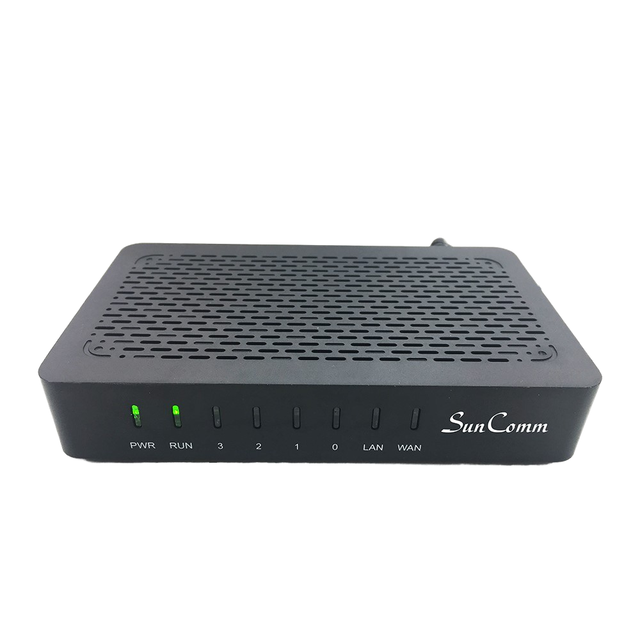
* Multi-Port Gateways: Products range from entry-level 4-port FXS units to industrial 64-port SMS gateways AlibabaAlibaba.
* IoT & eSIM Kits: Starter kits for Soracom and 1GLOBAL are popular for developers testing remote provisioning in M2M environments GoogleGoogle.
* Industrial Connectivity: Ruggedized 4G/5G SIM solutions are emerging for specific sectors like oilfields and remote monitoring GoogleGoogle.
Based on the market trends, you can continue with:
Remote Sim Management Gateway 64 Port Gsm Sim Box
Products · 3 lists

Related Searches
Explore more sourcing topics & related categories
Sources & References
17 sources cited · Verified industry data & reports
Assessment of the GSM Gateway Market Scope
LinkedIn · Japansion
The GSM Gateway market is anticipated to grow at a CAGR of 12.3% over the forecast period (2026 - 2033). GSM Gateway Market Size and and ...
Top 10 SMS Gateways for Enterprise Messaging in 2026
telarvostore.com
The SK-SMS 64-port gateway with a 512-SIM pool tops the 2026 enterprise messaging ranking because it pairs the highest published channel ...

SIM Card Export Guide: How to Choose the Right Type in ...
Alibaba
A practical, data-backed guide to exporting SIM cards—covering global roaming, M2M/IoT, and eSIM solutions. Learn what matters most, ...
GSM SMS gateway: Clear Buying Guide (June 2026) - Telarvo Store ...
telarvostore.com
This assessment informs hardware selection, SIM card sourcing, and software configuration. Step 2: Select GSM gateway hardware and SIM cards. Choose a GSM ...

What is the Best Router Gsm for 2026? - Blog
E-Lins
As we move towards 2026, the demand for reliable GSM routers is set to rise. The increasing need for seamless internet connectivity in remote ...

Global Travel eSIM Market Research Report
WiseGuy Reports
The Travel eSIM Market was valued at USD 4.25 Billion in 2025 and is projected to grow to USD 15 Billion by 2035, at a CAGR of 13.4%.