Huawei 3g Gps

Overview
Product sourcing insights & recommendations

The phrase 'huawei 3g gps' now describes a legacy category that has largely transitioned into high-precision, low-power IoT technologies. As of late 2026, original 3G-only Huawei devices (like the early *Huawei Locator*) are effectively obsolete in markets like the US and China due to completed 3G sunsets, though Huawei has pivotally remained a leader by providing the chipsets and positioning systems that power the next generation of trackers GeotabFacebook.
Product Status: From Standalone to Integrated Systems
* Legacy Hardware: Older 3G GPS trackers now suffer from total signal loss in regions where 3G networks have been decommissioned to repurpose spectrum for 5G DigiEnvuetelematics.
* Sunflower Positioning System: Huawei's latest innovation is the Sunflower Positioning System (introduced in late 2025/2026), which achieves 99% accuracy by optimizing satellite reception through specialized hardware-software integration Facebook. This is now a core feature of their premium wearables and industrial solutions.
* Connectivity Shift: Modern equivalents of "Huawei GPS" are built on 4G LTE-M or NB-IoT (Narrowband IoT) rather than 3G. These technologies offer 20dB better coverage than legacy networks, allowing for tracking in deep indoor or underground environments where 3G would fail HuaweiAllpcb.
Market Trends & Insights (2026 Forecast)
* The Rise of 5G RedCap: While 3G is gone, 2026 is seeing the rise of 5G RedCap (Reduced Capacity) as a mid-tier solution for asset tracking, filling the gap between low-speed NB-IoT and high-speed 5G HologramEelinktech.
* Huawei's Strategic Pivot: Huawei has shifted from selling standalone consumer trackers to dominating the Cellular IoT Module market. Their HiSilicon chipsets are major drivers of the NB-IoT market, which is projected to grow to over $21 billion by 2034 DatainteloIot-Analytics.
* Satellite-Cellular Convergence: A key trend for 2026 is the convergence of cellular IoT with Non-Terrestrial Networks (NTN), allowing trackers to maintain location reporting even in areas without any cellular towers Hologram.
Sourcing & Transition Recommendations
For businesses still using 3G-based Huawei or generic trackers:
- 1Mandatory Hardware Migration: Replace all 3G units with 4G LTE Cat-1 bis or NB-IoT trackers. These devices are designed for a 10-15 year field life, protecting against future sunsets TrasnaYoutube.
- 2Focus on Battery Longevity: Modern NB-IoT trackers can last up to 5-10 years on a single charge due to ultra-low power consumption, a significant improvement over 3G's high power draw Topflytech.
- 3Supplier Landscape: While Huawei focus on chipsets and premium wearables, the B2B tracker market is now led by OEMs like Coban and Minew, who integrate 4G/5G capabilities into rugged fleet and asset trackers AlibabaAlibaba.
Based on these 2026 market insights, you can continue with:
Huawei 5g Gps Tracker For Fleet Management
Products · Top picks & verified manufacturers
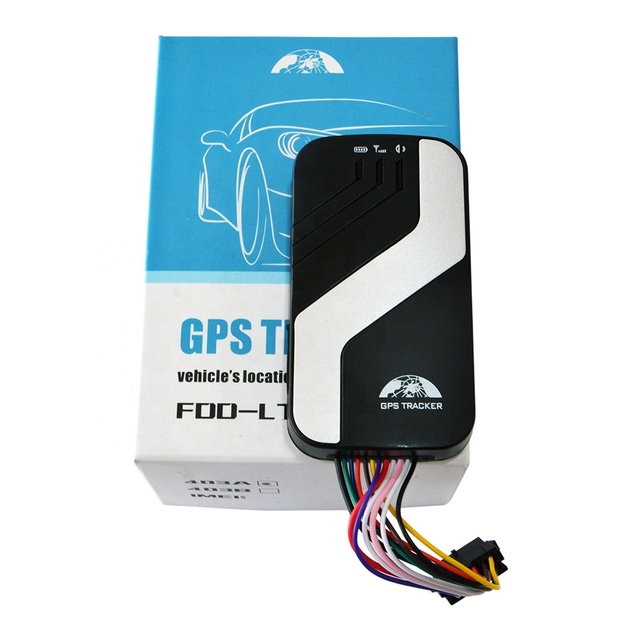
OEM ODM Motorcycle GPS Car Tracker 4G 5G Realtime Tracking Remote Fuel Control FREE COBAN Platform Fleet Security Management
 Shenzhen Coban Electronics Co., Ltd.🇨🇳CN19 yrs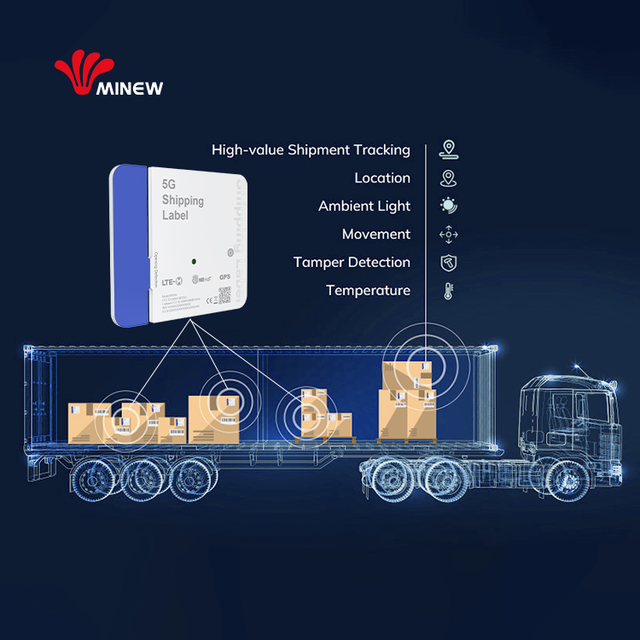
Air Land Sea GPS BDS Trackers 5G Shipping Labels Cargo Container International Parcel Live Asset Tracking IoT Device Beacon Tag
 Shenzhen Minew Technologies Co., Ltd.verified🇨🇳CN15 yrs
Rtls Location Asset Tracking Device Cellular 5G Gps Shipping Labels for Express Logistics International Parcel Tracking Package
 Shenzhen Minew Technologies Co., Ltd.verified🇨🇳CN10 yrs
HJJ AITO Compatible Vehicle GPS Tracker with 5G SIM Card Solar Powered Long Battery Life IP67 Fleet Management Truck
 Shenzhen Jinshengchang Technology Co., Ltd.🇨🇳CN4 yrs
Related Searches
Explore more sourcing topics & related categories
Sources & References
54 sources cited · Verified industry data & reports
GPS positioning fails or is slow or the outdoor workout ...
HUAWEI Global
Learn about 'GPS positioning fails or is slow or the outdoor workout routes are inaccurate on my HUAWEI watch'. Find all usage guide, troubleshooting tips ...
Use Location Services | HUAWEI Support Global
HUAWEI Global
Learn about 'Use Location Services'. Find all usage guide, troubleshooting tips and resources for your HUAWEI product.
HUAWEI Wearables
HUAWEI Global
Explore HUAWEI 's latest wearables and learn about WATCH Ultimate Series, WATCH Series, WATCH GT Series, WATCH FIT Series, WATCH D Series, Band Series, ...

Huawei — X-GPS - Tracker
X-GPS
The skin offers an intuitive interface and contains a number of improvements, including a smart power-saving mode. To ensure that the default Emotion skin ...
Notification and Status Icons | HUAWEI Support Global
HUAWEI Global
Notification and Status Icons ; 3G network connected. 2G network connected ; Full signal strength. Roaming ; Data saver enabled. No SIM card inserted.
Huawei Watch GT, old GPS data: How do I update?
HUAWEI Global
Method 1: Go to Settings > System > Reset or Settings > System & updates > Reset from your wearable device's app list. Method 2: Open the Huawei ...