Inkjet And Laser Printer Difference
Overview
Product sourcing insights & recommendations


The printer market in 2026 is defined by a clear divergence between inkjet technology dominating the consumer and e-commerce packaging sectors, and laser technology maintaining its stronghold in high-volume business environments FortunebusinessinsightsGminsights. The global printer market is projected to reach $54.22 billion in 2026, with the inkjet segment alone expected to hold a 46.5% revenue share Fortunebusinessinsights.
Core Technological Differences
The fundamental difference lies in how they apply color: inkjets use small nozzles to spray liquid ink, while lasers use electrostatic charges and heat to fuse toner powder onto paper Brother-Usa.
* Inkjet Advantages: Superior for high-resolution photo printing and flexible media types, making them ideal for the booming Print-on-Demand (POD) market Brother-UsaKernowcoatings.
* Laser Advantages: Faster print speeds (up to 60 ppm) and lower long-term costs for text-heavy documents, favored by corporate offices GminsightsEmeralddocument.
2026 Market Trends & Insights
* AI-Driven Efficiency: Modern printers are integrating AI for autonomous production, handling real-time color correction and predictive maintenance to minimize downtime Kernowcoatings.
* Sustainability Focus: Industry leaders are shifting toward eco-friendly consumables, such as low-melting toners that reduce energy use by 27%, and alternative substrates like bamboo or recycled fibers Kernowcoatings.
* Hybrid Work Solutions: There is a growing demand for "prosumer" grade devices—compact, high-performance printers that support cloud-based, serverless printing for remote workers FortunebusinessinsightsGminsights.
Color Laser Printers For Business
Products · 2 lists
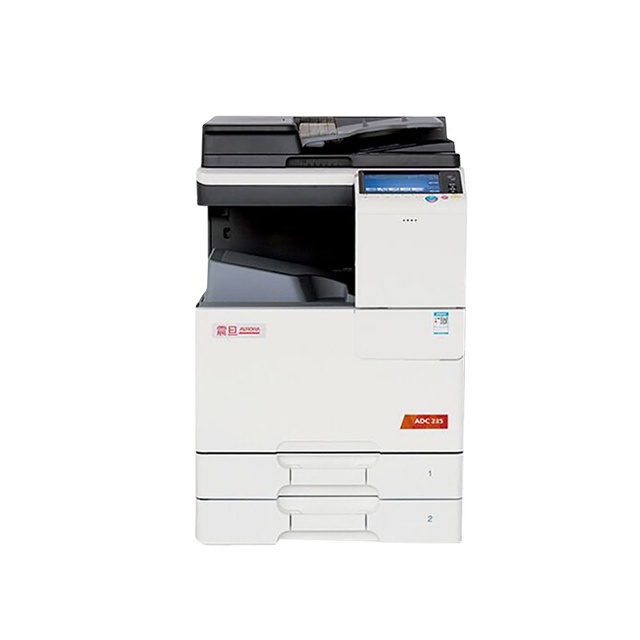
Factory Price New Adc225 A3 Wifi Colored Multifunctional A3 Color Laser Printer Copy Printer Digital for Aurora Brand New
 Guangzhou Xinyi Office Equipment Co., Ltd.🇨🇳CN8 yrs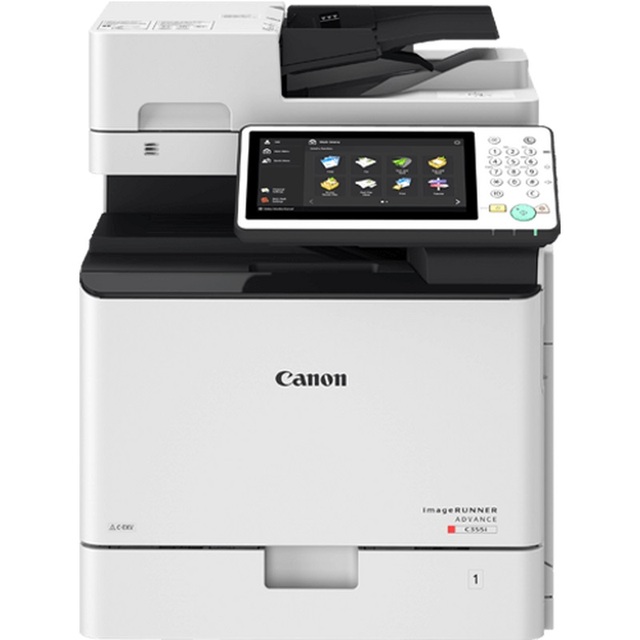
Refurbished Color Laser Printer Office Equipment Photocopying and Printing Machine for Canon C350 C355 C356 C351 Machine
 Guangzhou Regen Technology Co., Ltd.🇨🇳CN3 yrs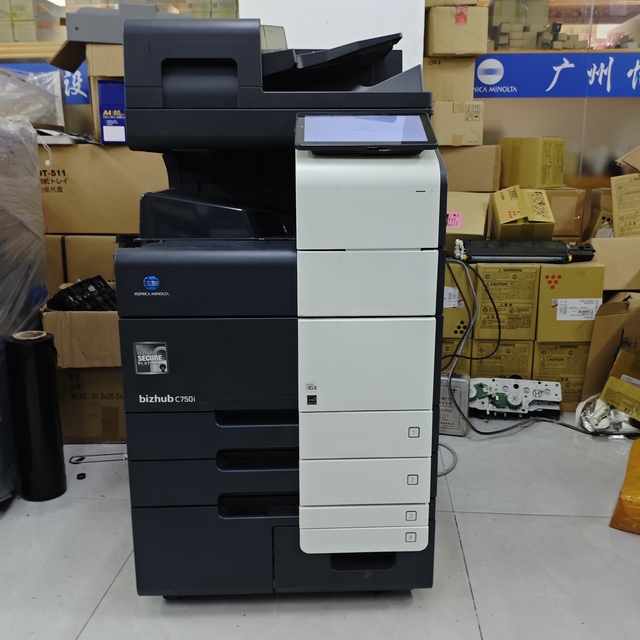
High Speed Used MFP Laser Color Printer A3 Konica Minolta Bizhub C750i Laser Photocopy Machines Office Machines
 Guangzhou YY-Beauty Office Equipment Co., Ltd.🇨🇳CN7 yrs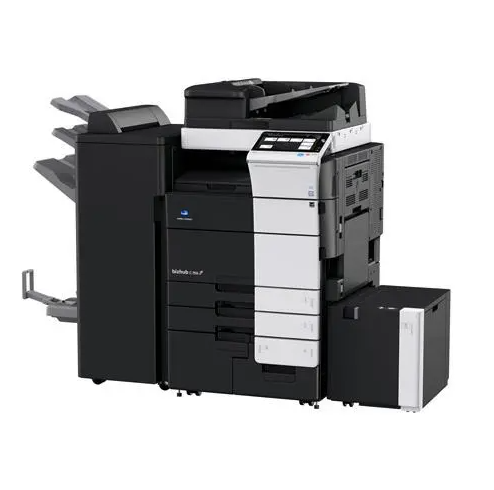
New Model High Speed Photocopier Laser Color Printer Machine for Konica Minolta BH C258 C308 C368 C458 C558 C659 C759 Hot Sell
 Guangzhou Tengchuang Office Equipment Co., Ltd.,verified🇨🇳CN2 yrs
New Model High Speed Photocopier Laser Color Printer Machine for Konica Minolta BH C258 C308 C368 C458 C558 C659 C759 Hot Sell
Related Searches
Explore more sourcing topics & related categories
Sources & References
25 sources cited · Verified industry data & reports
Inkjet vs Laser Printers: Key Differences
Brother USA
Brother inkjet and laser printers fit any budget—inkjet costs less upfront, while laser offers lower long-term costs. jet adds borderless and 11x17 options.
Laser Printer or Inkjet Printer Which Do You Prefer for ...
Reddit · r/printers
I’ve seen people swear by laser printers for speed and cost efficiency, while others stick with inkjets for color accuracy and photo printing. If you ...

Laser Printer vs. Inkjet: Which Is Better for Your Business?
Emerald Document Imaging
Laser printers can output 20–60 pages per minute (ppm), 10–20 ppm. Inkjet models typically cost less upfront. Laser printers are more expensive ...

Laser Vs. Inkjet Printers: Which Is Best?
Forbes
Most laser printers are limited to monochrome, or black-and-white, prints, but they tend to be faster than inkjet printers. Inkjet printers can ...

Inkjet or Laser Printer - Which one to go for?
Cartridge World
Essentially, the core difference between the two types of machines is that inkjets utilise liquid ink and laser printers contain a fine powder called toner.

Inkjet vs. Laser Printers - Which is Best For You?
Canon USA
Inkjet printers tend to require more maintenance than their laser counterparts, including print head maintenance, which consumes time and ink.