Intel Pocket Pc

Overview
Product sourcing insights & recommendations
The phrase "Intel Pocket PC" has undergone a major transformation, moving from legacy ARM-based PDAs of the early 2000s to today's high-performance x86 handheld gaming PCs and ultra-compact mini-laptops.
📜 Product History & Evolution
Originally, Pocket PCs were a Microsoft-certified specification for handhelds running Windows Mobile (based on Windows CE) AlibabaWikipedia.
- Legacy Era (2000–2010): Dominated by Intel XScale ARM processors (e.g., Dell Axim, HP iPAQ), these devices focused on basic PDA tasks like calendar and email management PcworldlyEn-Academic.
- NUC & Mini PC Era: Intel later pivoted toward the NUC (Next Unit of Computing), proving that desktop power could fit in a pocket-sized chassis Snuc.
- Modern Era (2024–2026): The market has shifted to x86-based handhelds capable of running full Windows 11 and AAA games, moving away from ARM-locked architectures AlibabaGeekompc.
📈 Market Trends & Insights (2026)
The handheld PC market is currently experiencing a "War of Architectures" as Intel enters a space previously dominated by AMD Tech-Insider.
- New Standard Silicon: In June 2026, Intel launched the Arc G-Series (G3/G3 Extreme), its first dedicated SoC for handhelds. Unlike adapted laptop chips, these feature the Xe3 architecture and up to 16 cores IntelTech-Insider.
- Exponential Growth: The market is projected to reach $3.95 billion by 2030 with a 14.2% CAGR, driven by a jump in shipments to ~2.4 million units annually Tech-InsiderGeekompc.
- Price Mainstreaming: The median price for leading handheld PCs has settled around $729.99, making them more accessible to general consumers Tech-Insider.
💡 Consumer Insights & Modern Requirements
Today's "Pocket PC" buyers prioritize desktop-level utility in mobile form factors Alibaba:
- Hardware Minimums: 8GB DDR5 RAM and 256GB SSD are essential; consumers actively avoid slow eMMC storage Alibaba.
- Software: Full Windows 11 is the standard; users reject restricted "S Mode" versions.
- Form Factor: 7- to 8-inch touchscreens with Wi-Fi 7/Bluetooth 6 and active cooling are the most sought-after specs for productivity and gaming IntelAlibaba.
🛍️ Current Product Examples
Modern examples found on B2B platforms range from entry-level mini laptops to premium AI-powered handheld consoles.
Detailed product lists including pricing, MOQ, and technical specifications are available in the attached files.
I have analyzed the current market shift toward high-performance Intel Arc G3 handhelds. You can explore further with:
Intel Arc G3 Handheld Gaming Pc Handheld Console
Products · 3 lists
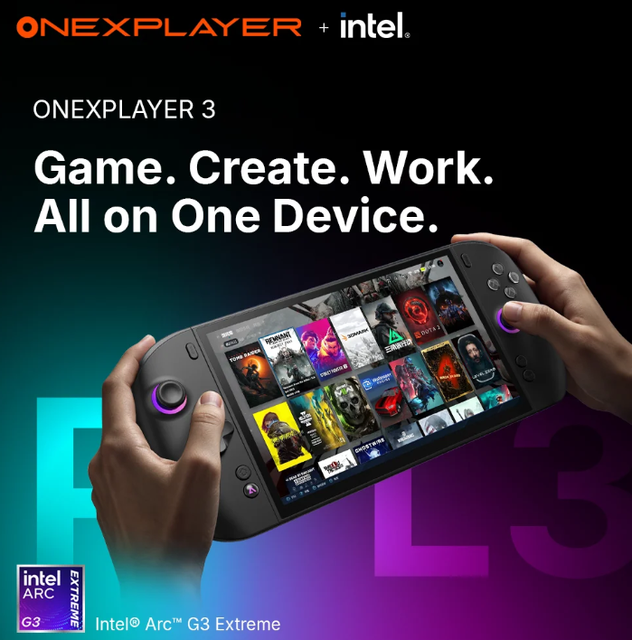
2026 New ONEXPLAYER 3 Intel Arc G3 Extreme 8.8inch AMOLED RAM 24GB/32GB SSD 512GB/1TB Handheld Game Console
 Shenzhen Magicking Electronic Co., Ltd.🇨🇳CN16 yrs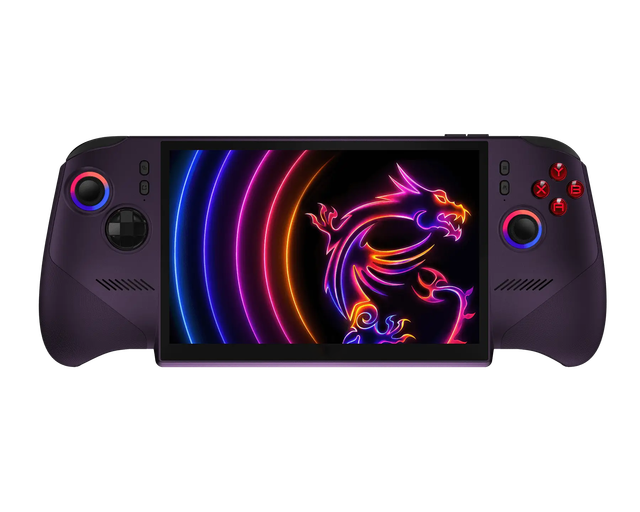
Claw A8 8 EX AI+ G3 Z2 Extreme 1TB Arc Graphics 8" FHD+ 120Hz IPS-level Win11 Handheld Gaming Console 53Whr
 HOA LONG HOME COMPANY LIMITED🇻🇳VN1 yr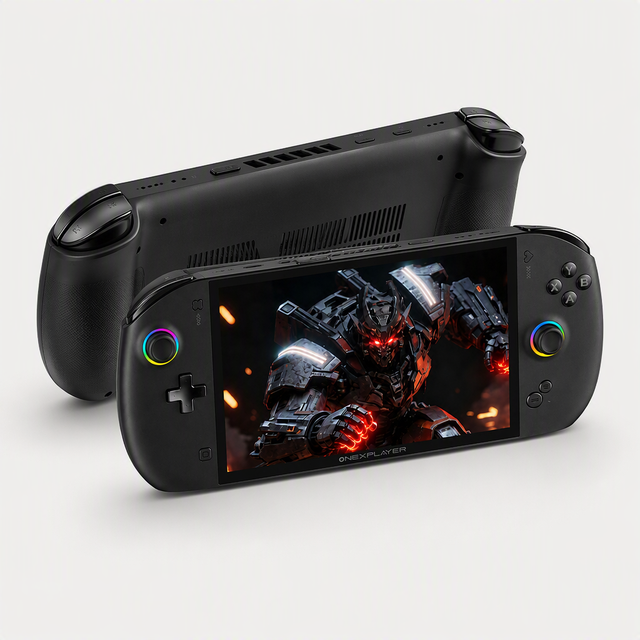
New ONE X PLAYER APEX AIR 8Inch G3E Portable Game Console Black 32GB 1TB 85Wh Handheld Game Console
 Shenzhen Omis Electronics Technology Co., Ltd.verified🇨🇳CN17 yrs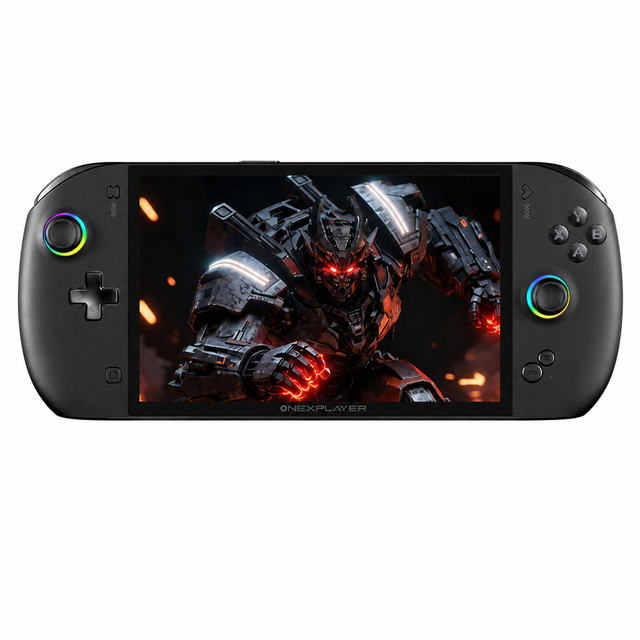
New ONE X PLAYER APEX AIR WIFI Handheld Gaming Console 8Inch G3E Black 32GB 1TB 85Wh Portable Handheld Game Console
 Shenzhen Dmlong Intelligent Technology Co., Ltd.verified🇨🇳CN2 yrs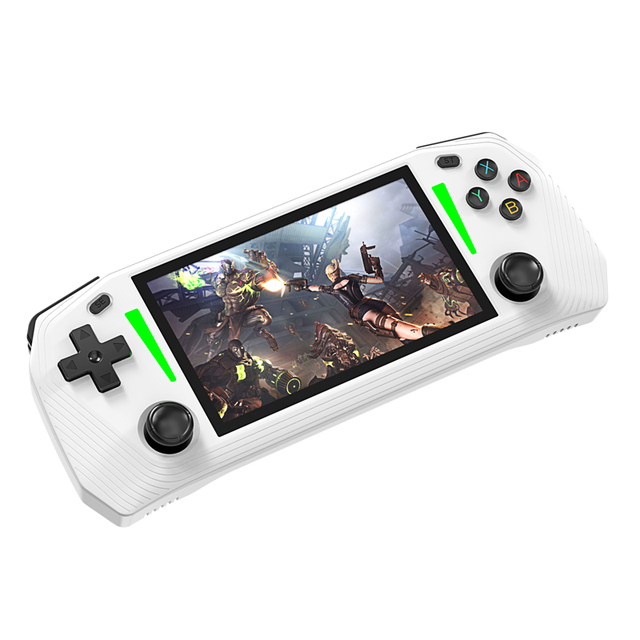
G33 Retro Handheld Game Console 2000+ Games 4.3" Screen Dual Joystick Breathing Light 1GB RAM 4GB Support 2 Players 2500mAh
 Shenzhen Dealbay Electronic Technology Co., Ltd.🇨🇳CN7 yrs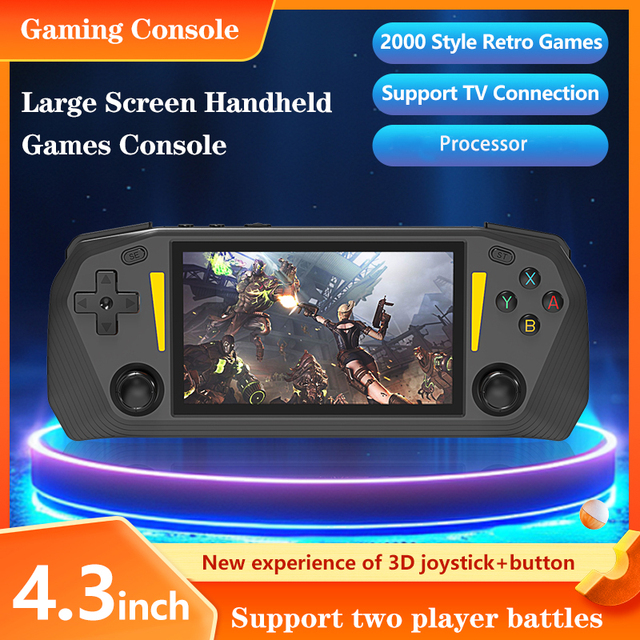
G33 Portable Console Retro Video Handheld Game Console with 4.3 IPS Screen 20+ Classic Emulators WIFI Handheld Gaming Player
 Shantou Green Plast Plastic Products Co., Ltd.🇨🇳CN2 yrs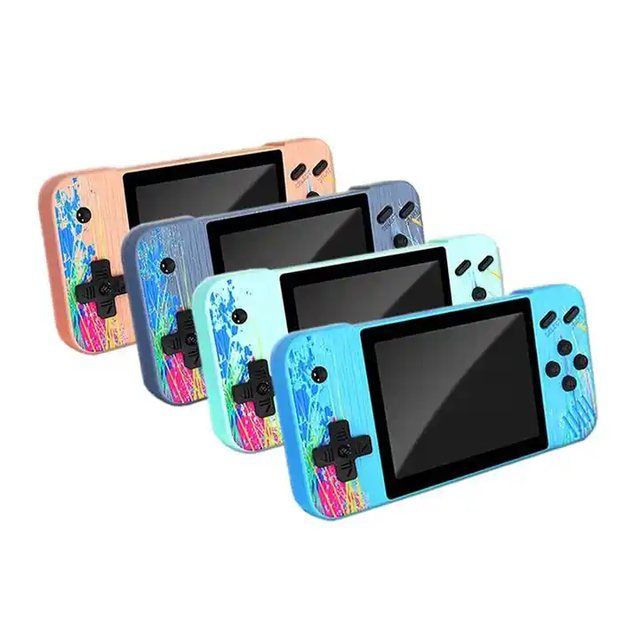
Newest G3 Handheld Game Console 3.5-inch SFC Support Wired Connection 800 in 1 Portable Retro Arcade Classic Game
 Shenzhen Weileguo Technology Co., Ltd.🇨🇳CN6 yrs
2024 Boy Gift G3 800 Handheld Games Console with 3.5 Inch HD Screen Single Player FC PSP Arcade Gaming Machine for TV Output Use
 Shenzhen Yisheng Technology Co., Ltd.🇨🇳CN3 yrs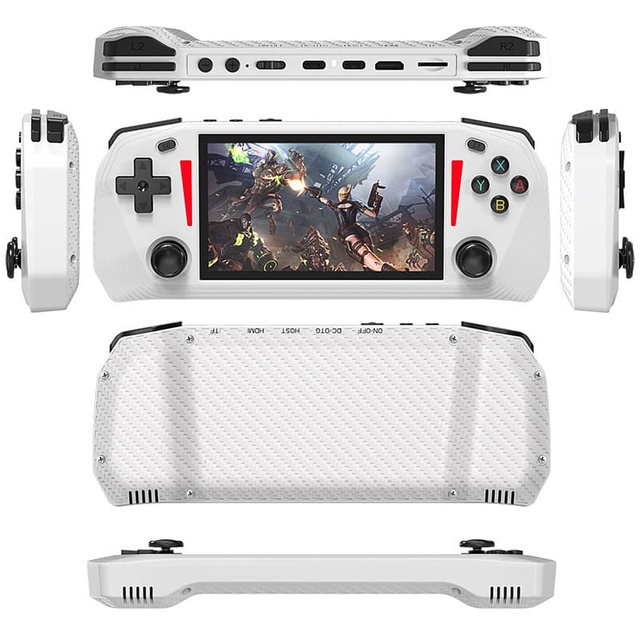
G33 Linux Sys 4.7 Handheld Game Console 4.3 Inch OCA IPS Screen Portable Retro Video Game Player Support 256GB TF Card Expansion
 BOLIVAR LIMITED🇭🇰HK2 yrs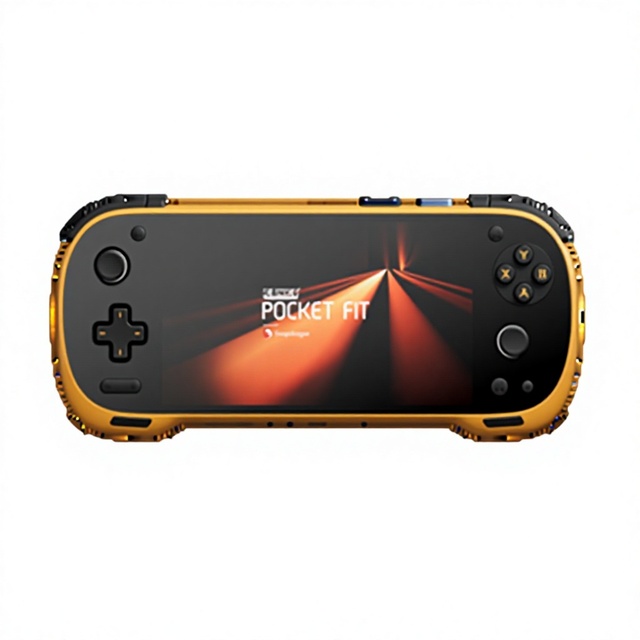
KONKR Pocket FIT G3 Gen3 Snapdragon G3 Gen 3 Android Handheld Game Console 6 Inch 1080P 144Hz 8000mAh
 Shenzhen Haibin Technology Co., Ltd.🇨🇳CN1 yr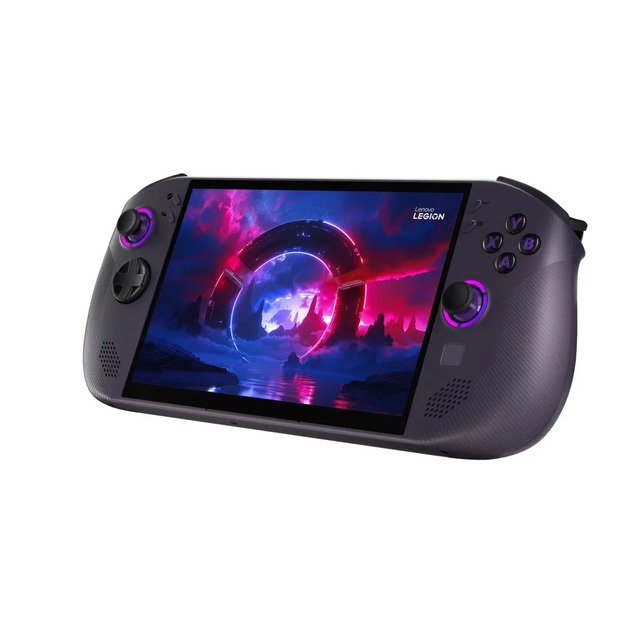
Lenovos LEGION Go 8.8-Inch Handheld PC Game Console with 1TB Storage Great Quality Controller Excellent Consumer Electronics
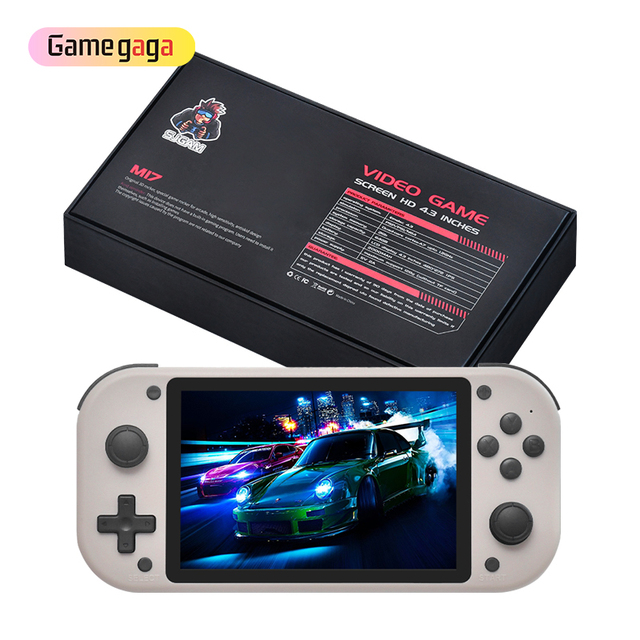
Yo M17 Handheld Game Console 4.3 Inch LCD Screen 480x320 Resolution 1.2GHz Quad-core Processor 64GB Storage 19000 Classic Games
 Shenzhen Longgang Rongda Trading Firm (Individual Industrial and Commercial Household)🇨🇳CN1 yr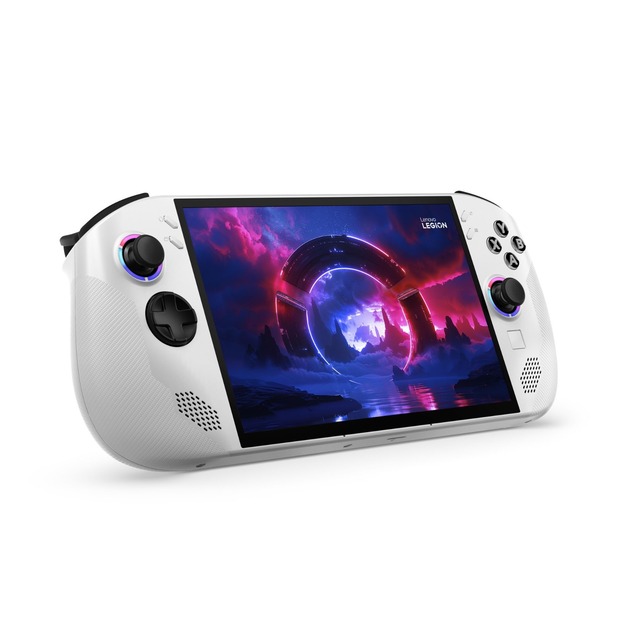
Handheld Gaming Console Ryzen Z2 120Hz Rockchip RK3326 8GB/512GB AMD Radeon Graphics 5000mAh Battery 640x480 Touch Screen Games
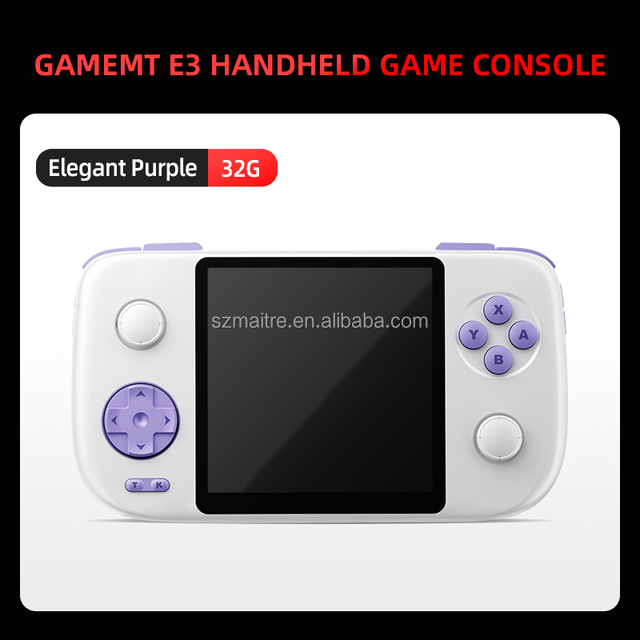
S Classic GAME MET E3 Vigor Handheld Game Console 3.95'' HD Video Game Machine Arcade 5000mAh Portable Mini Game Player for Kids
 Shenzhen Maitre Technology Co., Ltd.🇨🇳CN6 yrs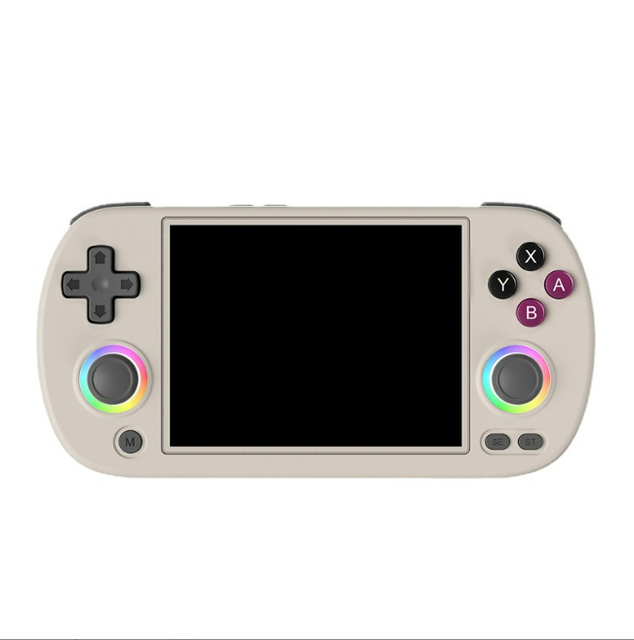
Hot An-bernic Game Console for Psp Retro Video Games Retro Gaming Consoles
 Linsite (Shenzhen) Internet Co., Ltd.🇨🇳CN1 yr
![[HOT] Original G28 64GB 4.3 Inch Handheld Game Console Linux EMELEC System LCD Screen Portable Handheld Gaming Player for PS1](https://s.alicdn.com/@sc04/kf/H0cd3dc949bad416d81c9c9fb1e1a6ba9H.png_640x640.png)
[HOT] Original G28 64GB 4.3 Inch Handheld Game Console Linux EMELEC System LCD Screen Portable Handheld Gaming Player for PS1
 Shenzhen Chenxin Technology Co., Ltd.🇨🇳CN6 yrs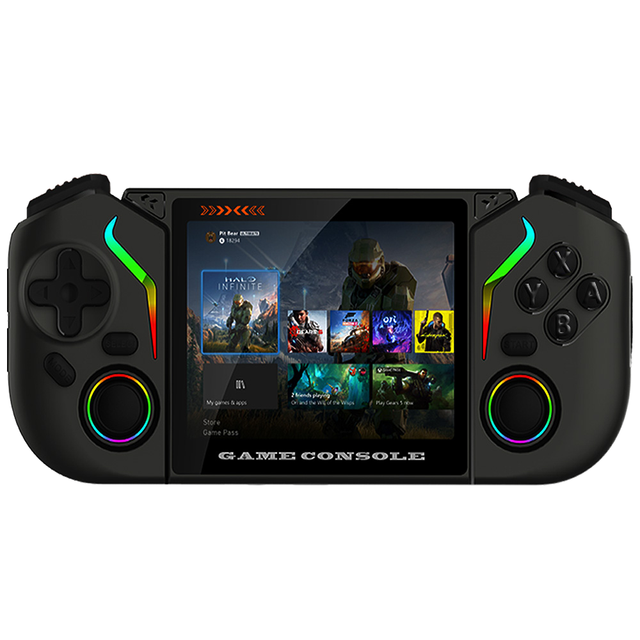
2026 Newest 3.5" X95 Pro Handheld Game Console Linux-Based Android 9 Adreno 662 128GB WiFi Built-in 20000 Games Retro Game

X1 4.3 Inch Handheld Game Console for for Portable (PSP) 3000 Series Handheld Gaming Console System-Blue (Renewed) Wired
 Shenzhen Notatrust Electronic Co., Ltd.🇨🇳CN1 yr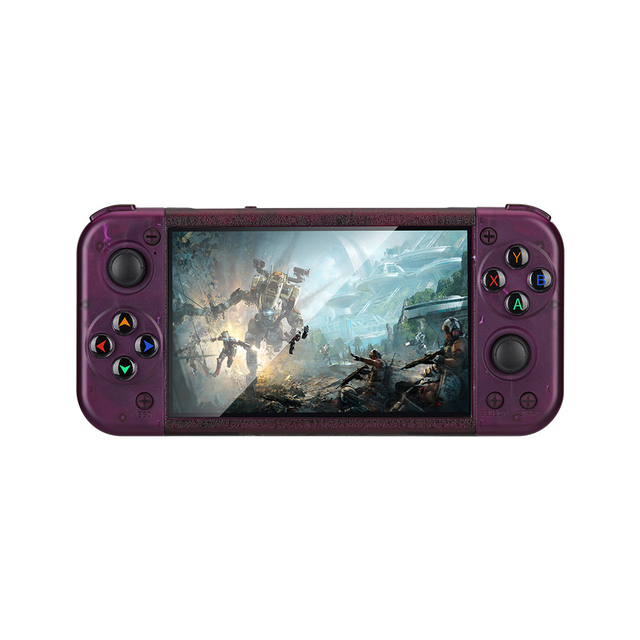
128G RG50XX Game Console Handheld 5" HD Screen 19+ Simulators Emulator Video Game Consoles Classic 20000 Games Dual 3D Joystick
 Zhengzhou Passion Electronic Technology Co., Ltd.🇨🇳CN1 yr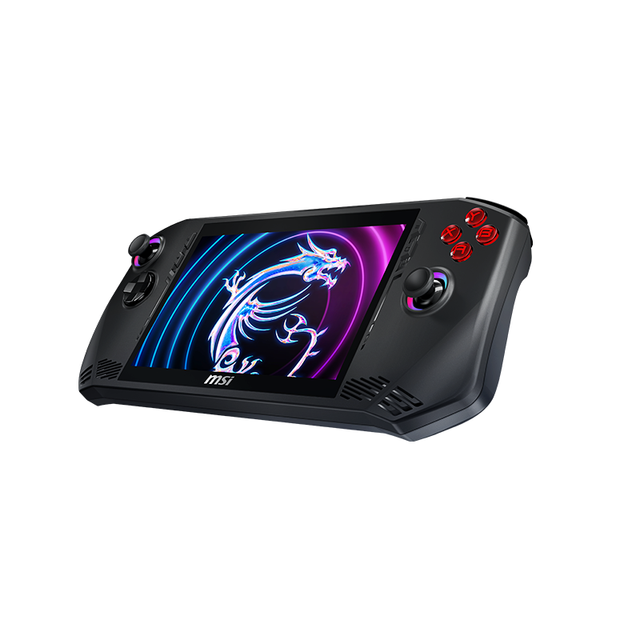
Special Offer MSI Handheld Game Console 7 Inch Touch Screen High Color Gamut 100%srgb 1TB Pcle Gen4 Games Video Game Consoles
 Beijing Changda Mingye Technology Co., Ltd.🇨🇳CN2 yrs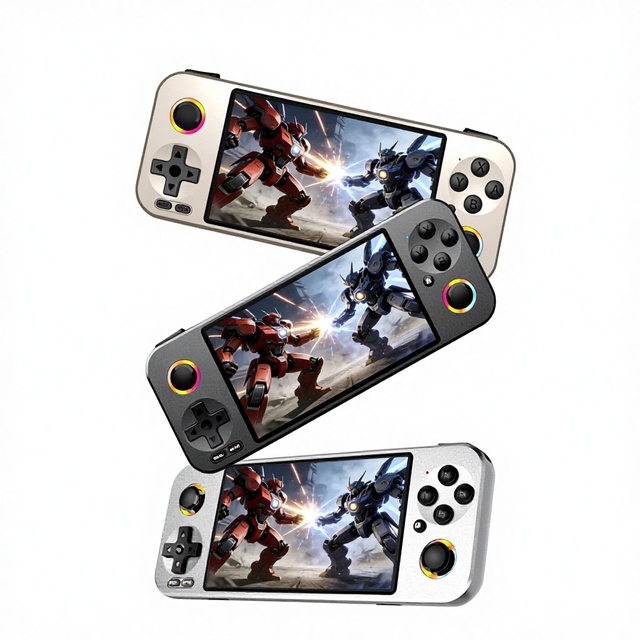
QBUY Handheld Game Console G36 4.5Inch Screen 480x854 Resolution Tri-core Cortex-A7 Linux RGB Light Joystick Gaming Player
 Shenzhen Qbuy Technology Co., Ltd.verified🇨🇳CN10 yrs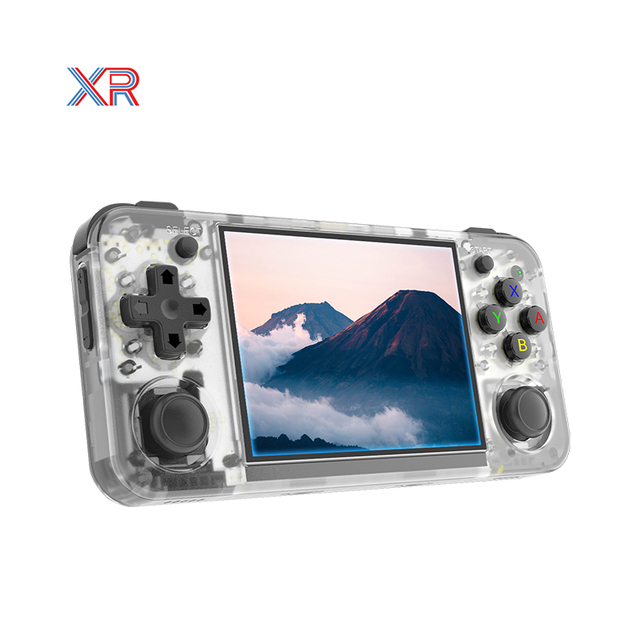
Newest Handheld Game Consoles 3.5 Inch IPS Screen Linux Source 3300mah Battery 5G Wifi 30 Simulator Retro Handheld Game Players
 Shenzhen Siderun Electronic Technology Co., Ltd.🇨🇳CN3 yrs
2026 Newest 3.5" X95 Pro Handheld Game Console Linux-Based Adreno 662 64GB WiFi Retro Game System Emulator
 Shenzhen Ytgee Technology Co., Ltd.🇨🇳CN7 yrs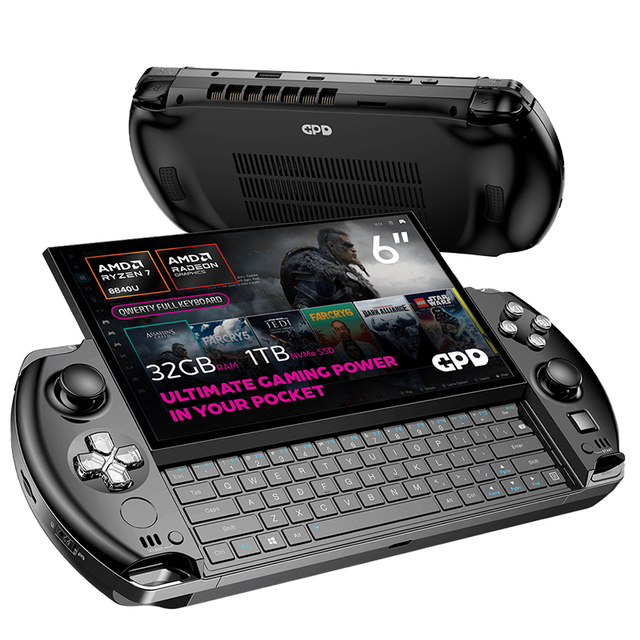
GPD WIN 4 2025 HX 370 CPU 32GB Gaming Handheld PC Game Console
 Shenzhen OCAR Electronics Co., Ltd.🇨🇳CN18 yrs
2025 Newest Design 4.3Inch 2000 Mah 64gb 15000 Games Retro Handheld Game Console G28 for Ps1 Psp
 Shenzhen XZT Electronic Co., Ltd.verified🇨🇳CN8 yrs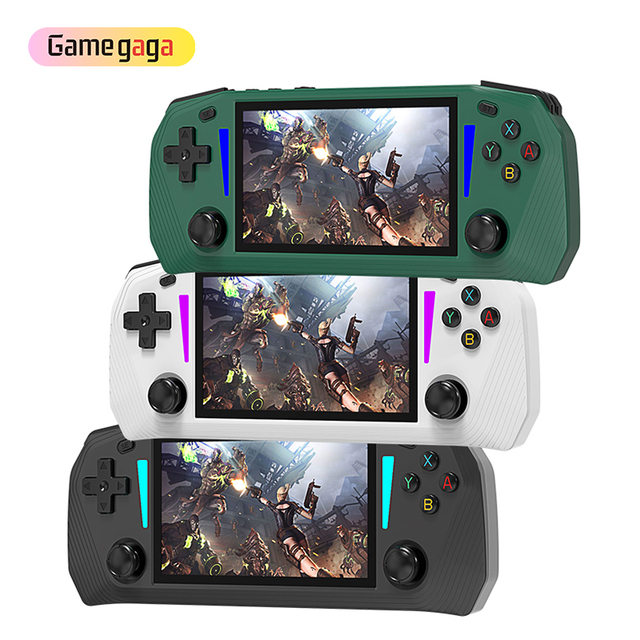
Gamegaga G33 Handheld Game Console 4.3 Screen Classic Portable Retro Video Game Console Emulators WIFI Handheld Gaming Player
 Shantou Wiisun Electronic Co., Ltd.verified🇨🇳CN8 yrs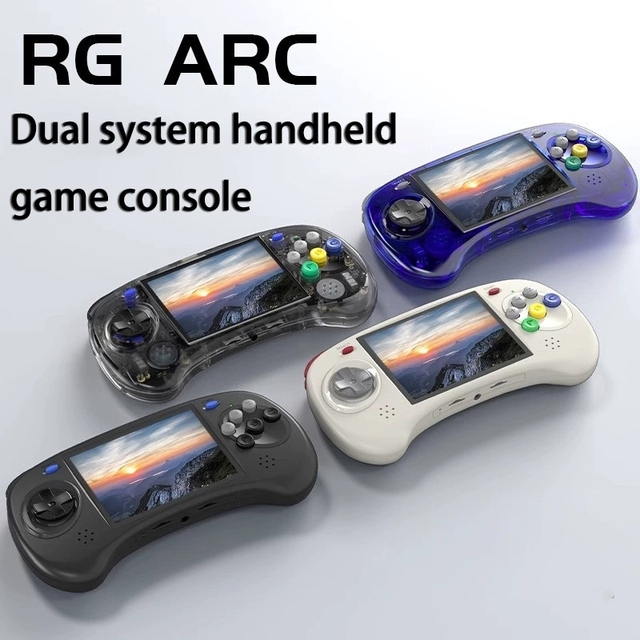
New RG ARC Game Console Is a Classic Side-scrolling Fighting Handheld Device with an Open-source Android Dual-system.
 Shenzhen Yiquyuan Technology Co., Ltd.🇨🇳CN1 yr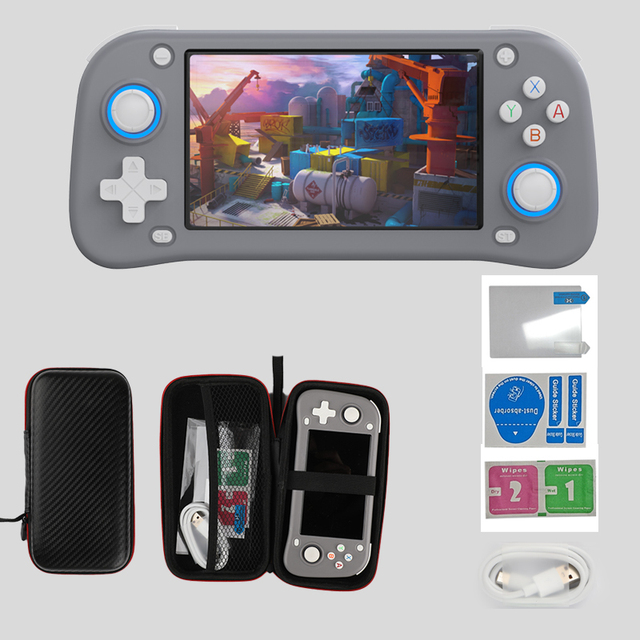
2026 XF43 Retro 4.3 Inch Screen Handheld Game Console HD Gaming System Video Game Player Gift for Kids Adults PK R36s R36 ultra
 Shenzhen Xinmeitai Electronic Co., Ltd.verified🇨🇳CN1 yr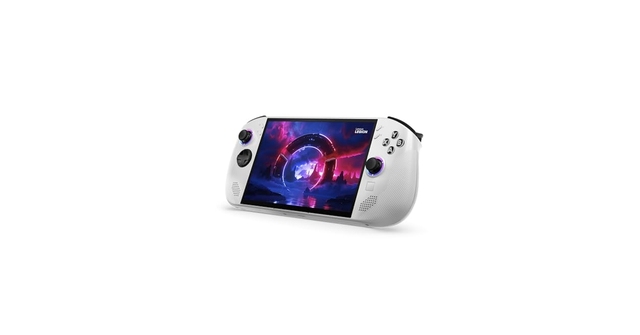
Lenovo Legions Go S Handheld Gaming Console with AMD Ryzen Z2 Go & 1TB SSD Wi-Fi Communication
Lenovo Legions Go S Handheld Gaming Console with AMD Ryzen Z2 Go & 1TB SSD Wi-Fi Communication
Related Searches
Explore more sourcing topics & related categories
Sources & References
24 sources cited · Verified industry data & reports
Pocket PC - Wikipedia
en.wikipedia.org
One of the more popular high-end consumer-market Pocket PCs was the Dell Axim x51v, which was discontinued in 2007. Hardware specs included 3.7" color TFT VGA display with 640x480 resolution, Intel XScaleTM PXA270 processor at 624 MHz, 336 MB of memory (256 MB flash, 64 MB SDRAM), integrated 802.11b and Bluetooth 1.2, integrated Intel 2700G multimedia accelerator with 16 MB video memory. The Pocket PC was an evolution from prior calculator-sized computers. Keystroke-programmable calculators which could do simple business and scientific applications were available by the 1970s. In 1982, Hewlett Packard's HP-75 incorporated a 1-line text display, an alphanumeric keyboard, HP BASIC language and some basic PDA abilities. Pocket PCs were manufactured and sold by several different companies; the major manufacturers include HP (under the iPAQ and now defunct Jornada brands), Toshiba, Acer, Asus, Dell (under the now defunct Axim brand), Fujitsu Siemens, E-TEN, HTC, and ViewSonic. In mid-2003, Gateway Computers and JVC announced they would release Pocket PCs, but the projects were discontinued before a product was released. ↑ "Freeware Pocket PC / Freeware Windows Mobile: Manual Search – displaying all titles". FreewarePPC.com. Retrieved 2014-03-16. ↑ "The Spectacular Failure of WinCE and Windows Mobile". www.roughlydrafted.com. 1 2 "The history of Windows CE - thisishenry168". A Pocket PC (P/PC, PPC) is a class of personal digital assistant (PDA) that runs the Windows Mobile operating system, which is based on Windows CE/Windows Embedded Compact, and that has some of the abilities of modern desktop PCs. The name was introduced by Microsoft in 2000 as a rebranding ...
Intel NUC History: Formation, Generations, Acceptance - SNUC
snuc.com
From its inception as a niche small form factor solution, the Intel NUC quickly evolved to prove that desktop-level power could be housed in a pocket-sized chassis, fundamentally changing enterprise and consumer expectations for mini computing. To follow the story of this innovative product line through its continued development, including new processor generations and form factors, explore the next chapter in Intel NUC history. The Intel NUC (Next Unit of Computing) was originally introduced as a concept to prove that a full-powered computing experience could be delivered from a small, energy-efficient chassis. This historical innovation paved the way for the popular, current NUC Mini PC product line, which continues to evolve with advanced processors and specialized solutions for both consumer and commercial edge applications. Simply put, Intel realized that the variety of portable computing devices at that point in time was not diverse enough – and performance of products like netbooks was simply not enough. Furthermore, laptop PC technology advancements were driving scalable performance in an ultracompact and low profile footprint. Not only are we dedicated to finding our customers the best computer solution based on their unique needs, but we also have a great appreciation for the technical advances that have allowed our company to thrive. While the Intel NUC itself was introduced to the computing world less than a decade ago, it’s gone through several major evolutions and made strides in performance improvement.
What Is a Pocket PC Windows Device? History, Specs & Today’s Options
electronics.alibaba.com
This guide cuts through the confusion: we define what a true Pocket PC was, explain why it disappeared, detail how modern Windows-powered pocket-sized devices differ in architecture, OS support, and real-world usability, and provide objective criteria to evaluate whether a current-generation compact Windows device meets your actual workflow needs — whether for travel, light productivity, retro computing, or embedded use. The Pocket PC (often abbreviated PPC) was a Microsoft-certified hardware specification introduced in April 2000, built on the Windows CE 3.0 kernel and later evolved into Windows Mobile 2. Unlike today’s x86-based mini PCs, Pocket PCs used ARM processors (e.g., Intel XScale, Samsung SC32442), had 3.5–6.5 inch resistive touchscreens, physical thumb keyboards or stylus input, and ran a locked-down, resource-optimized OS with no desktop compatibility. When retailers or listings label a product as “Pocket PC Windows,” they’re almost always misusing the term. What you’re actually seeing falls into three distinct categories — each with different capabilities, limitations, and intended use cases: Crucially: none of these run Windows Mobile. None are ARM-based Pocket PCs. All rely on x86-64 processors (Intel Celeron N4000/N100, Pentium Gold, Ryzen Z2), full Windows licensing, and standard desktop drivers. Forget the “Pocket PC” label. Focus instead on your actual workload and environment: ... At least 8 GB RAM and 256 GB SSD — eMMC storage (common in sub-$200 units) degrades quickly and slows boot/login · Wi-Fi 6 + Bluetooth 5.2 — essential for stable video calls and peripheral pairing · Avoid: devices with only USB-C 2.0 (no DP Alt Mode), no headphone jack, or non-replaceable batteries. ... CPU generation: Intel N100/N200 or Ryzen Z2 Extreme offer usable performance for PS2/GameCube emulation; older N4000/N5095 struggle beyond GBA/NES No x86 Support: All Pocket PCs were ARM-based; Intel Atom or Celeron chips were physically incompatible.
Full Review 2026: History and Evolution of Mini PC
www.geekompc.com
No products found. ... The Mini PC is already a game-changer in computing. You can enjoy the power of a full-sized computer in a device that fits in your palm. As the demand for portable computing devices grows, the mini PC market is booming. By 2030, it’s projected to reach a staggering · $30.90 billion, driven by the need for on-the-go solutions. In this article, you will get a full review about the history and evolution of the Mini PC in detail. Companies like Intel and AMD introduced more powerful and efficient processors. At the same time, SSDs offered faster data access and reduced physical size to replace traditional hard drives in a small computer. The 2000s also saw the rise of wireless connectivity options like Wi-Fi and Bluetooth. Standardization of Form Factors: The introduction of Intel’s Next Unit of Computing (NUC) in the early 2010s. mini PCs as flexible, high-performance alternatives to desktops and laptops. Intel’s NUC initiative standardized compact designs, boosting their popularity.
The Evolution of Pocket PCs - PC Worldly September
pcworldly.com
These early models, including the Casio Cassiopeia, Hewlett-Packard’s Pocket Computer, and the first devices running Microsoft’s Windows CE operating system, laid for the evolution of handheld computing. With features like touchscreen interfaces, compact designs, and a variety of productivity tools, these devices are becoming the future of portable computing. ARM processors: Commonly used for their low power consumption and efficient performance, ARM processors powered many pocket PCs, providing a balance between speed and battery life. Intel XScale processors: Renowned for their high performance and low power consumption, Intel XScale processors were favored in premium pocket PC models, offering enhanced multitasking capabilities and smooth operation. Palm OS was an operating system developed by Palm, Inc. for handheld devices, including pocket PCs. Known for its simplicity and efficiency, Palm OS offered a user-friendly interface optimized for stylus-based input. It comes with many built-in applications such as a calendar, address book, and memo pad, providing most productivity tools. Pocket PC is a short form of pocket-size personal computer, and is a compact handheld device designed for personal and professional use.it is used for mostly day-to-day sample tasks like calendar management and email checking etc.
Pocket PC | YourStudent Gemini Wiki | Fandom
yourstudent-gemini.fandom.com
A Pocket PC (P/PC, PPC) is also known by Microsoft as a 'Windows Mobile Classic device'. It is a hardware specification for a handheld-sized computer, personal digital assistant (PDA), that runs the Microsoft 'Windows Mobile Classic' operating system. It has some of the abilities of modern desktop PCs. For instance, any device which is to be classified as a Pocket PC must: ... Note: the name Windows Mobile includes both the Windows CE operating system and a suite of basic applications along with a specified user interface ... Be based on an ARM version 4 compatible CPU, Intel XScale CPU, MIPS CPU or SH3 CPU. One of the more popular high-end consumer-market Pocket PCs was the Dell Axim x51v, which was discontinued in 2007. Hardware specs included 3.7" color TFT VGA display with 640x480 resolution, Intel XScaleTM PXA270 processor at 624 MHz, 336 MB of memory (256 MB flash, 64 MB SDRAM), integrated 802.11b and Bluetooth 1.2, integrated Intel 2700G multimedia accelerator with 16 MB video memory. Template:Unreferenced section The Pocket PC was an evolution from prior calculator-sized computers. Keystroke-programmable calculators which could do simple business and scientific applications were available by the 1970s. In 1982, Hewlett Packard's HP-75 incorporated a 1-line text display, an alphanumeric keyboard, BASIC language and some basic PDA abilities.