Intel Smart Glasses

Overview
Product sourcing insights & recommendations
Intel's 'Vaunt' (Project Superlight) was a pioneer in retinal projection, but it has officially evolved from a singular product into a foundational technology within the current $25 billion smart glasses market.
In 2026, the industry has shifted away from intrusive displays toward AI-first wearables that prioritize fashion and voice-driven utility. Current market trends show a 167% year-over-year surge in shipments, driven by Meta’s dominance and the re-entry of Google and Samsung into the Android XR space. The following report provides a detailed breakdown of Intel's legacy, current market drivers, and B2B sourcing insights for AI and AR hardware.
The smart glasses market is moving fast. You can continue by:
Ar Glasses With Heads Up Display And Camera
Products · 3 lists
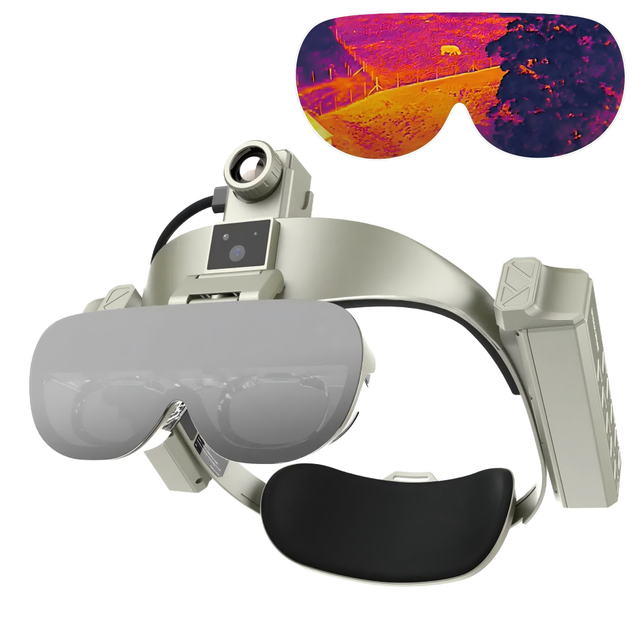
Thermal Imaging Night Vision Hunting AI AR Eyewear 80" AR Display Glasses 120kHz/300kHz Sonar Fish Finding Camera Endoscope
 Shenzhen Wellcam Co., Ltd.🇨🇳CN17 yrs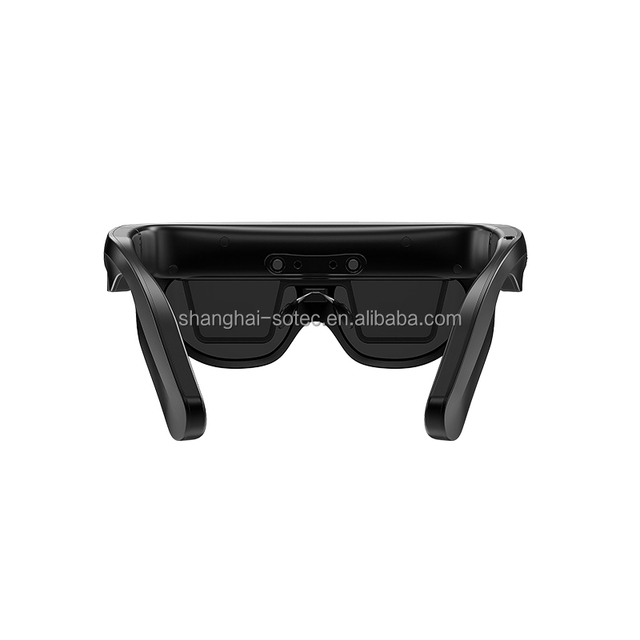
HD Display Dual-eye Diffractive Waveguide AR Glasses 854x480P/60Hz 8MP Camera Noise-Canceling Mics 50-80" Virtual Screen 32
 Shanghai Sotec International Trading Co., Ltd.verified🇨🇳CN6 yrs
INMO AIR 3 AR VR AI Glasses Augmented Reality 16MP Camera 8-core Support GPT Deepseek 1080P Screen Glasses
 Shenzhen Huchangshen Yang Electronic Technology Co., Ltd.🇨🇳CN3 yrs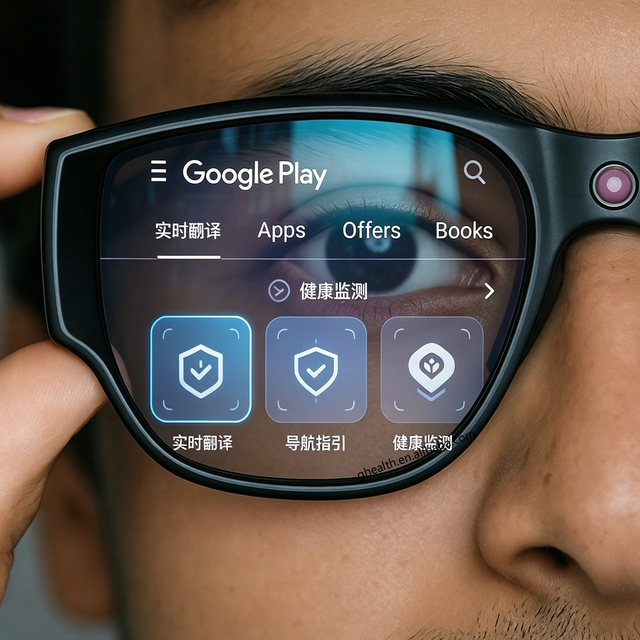
GHealth 2026 AI AR Smart Glasses 1080P OLED Display 16MP Camera PVC Wireless Open API SDK Support HD Visual Wearable Device OEM
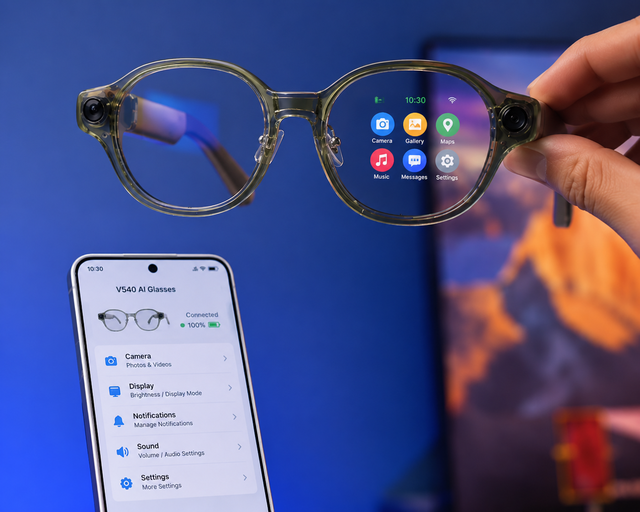
Smart Glasses with Camera Advanced AI-Driven AR Glasses with OEM/ODM Integration for B2B Solution Hardware Solution Proposal
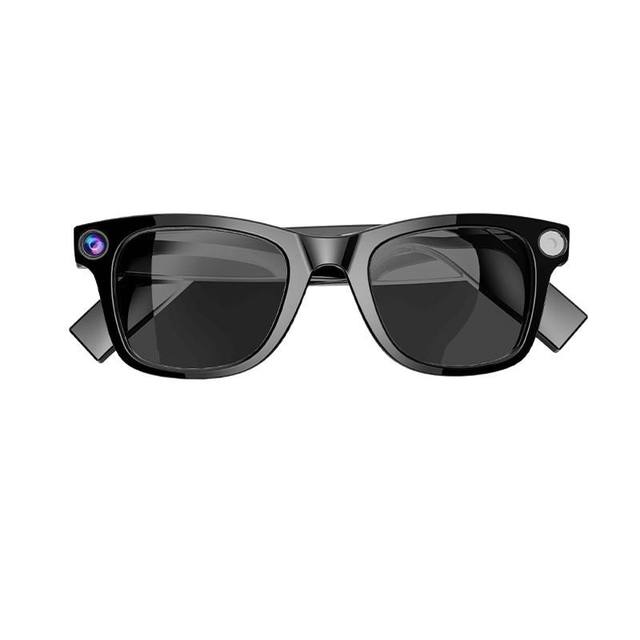
G300-1 Intelligent Shooting AR Glasses Wireless VR Headset with AI Image Recognition Translation Recording Features
 Shenzhen Yokosi Photoelectric Co., Ltd.🇨🇳CN10 yrs
OEM C200-S Android Ar Glasses Fov 31 OLED Display 1024*768
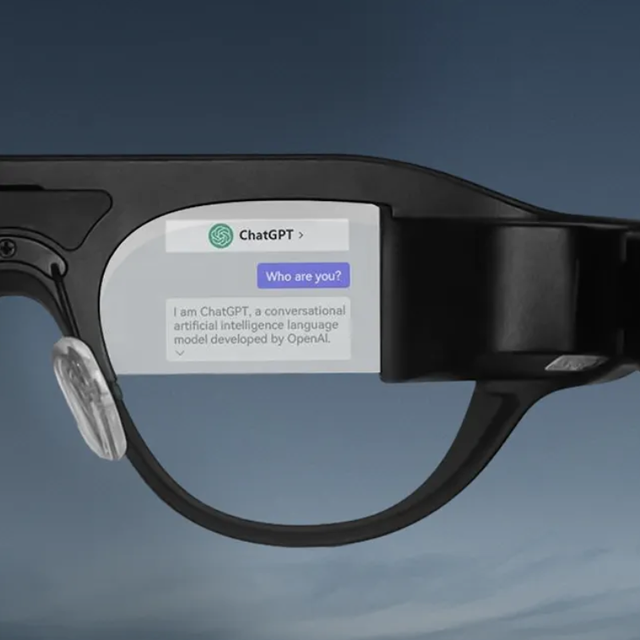
INMO Air3 Global Version Optical Waveguide Smart AR VR AI Glasses with IMOS 3.0 System 1080P Resolution Virtual Giant Screen
 Shanghai Bioe International Trade Co., Ltd.🇨🇳CN3 yrs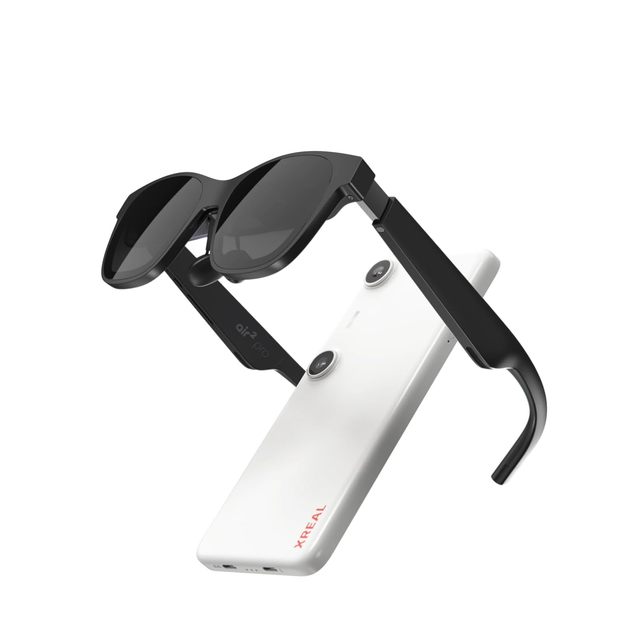
XREAL Nreal Air -2- Pro Nreal Air2 Pro Smart AR Glasses HD 130 Inches Space Giant Screen Private Cinema Portable 1080p View

Hot Selling 1080p Smart AR Glasses Hd Recording Wireless Wearable Action Sport Camera AR Sunglasses Smart Glasses
 Shenzhen Magic Technology Co., Ltd.🇨🇳CN7 yrs
Air2 AR Glasses 3D Polarized Augmented Reality Camera Quad-core 2+32GB Support GPT AI 640x400 Resolution 50"-80" Virtual Screen

H4000 5G Android 12 AR Smart Glasses 81 Inch Virtual Screen Transparent Lenses Industrial AR Glasses
 Beijing Bozhong Jiahe Technology Co., Ltd.verified🇨🇳CN1 yr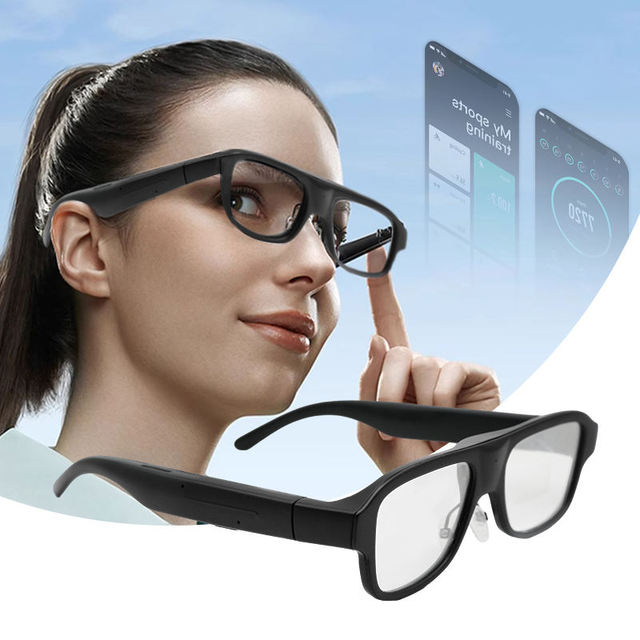
Smart AR Glasses Cost Prices Wearable Devices With Video Camera HD Private Viewing Mobile Screen Projection Game AI Glasses
 Shanghai Jinfu International Trading Co., Ltd.🇨🇳CN6 yrs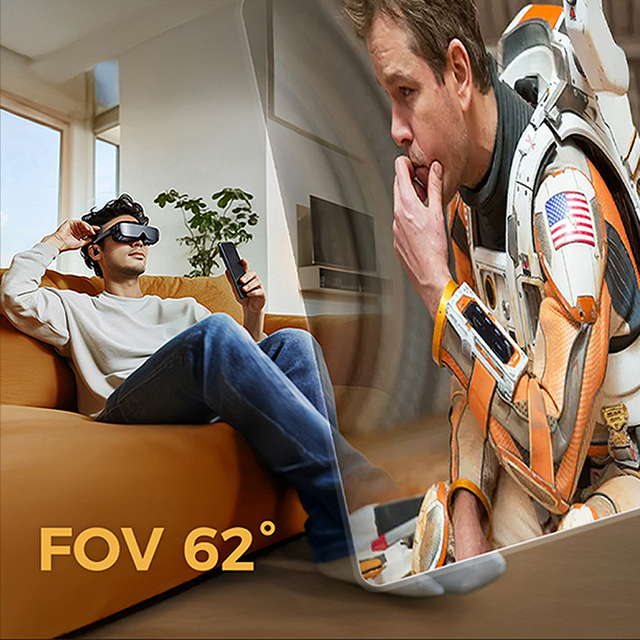
Massager HD 1080p Immersive Projection 360 Private Cinema Virtual Reality Head Mounted Display 2D 3D 4K Video VR Smart Glasses
 Shenzhen Xiaochengjiejiegao Technology Co., Ltd.🇨🇳CN8 yrs
Smart AR Glasses AI Voice Assistant Music Call Camera Translation Polarized Sunglasses Metaverse Display
 Shenzhen Mingyang Smart Home Co., Ltd.🇨🇳CN2 yrs
HoloLens 2 TOF Depth of Field Sensor AI Smart MR Headset Helmet AR Glasses Full
 Shenzhen Omni-In Technology Co., Ltd.🇨🇳CN7 yrs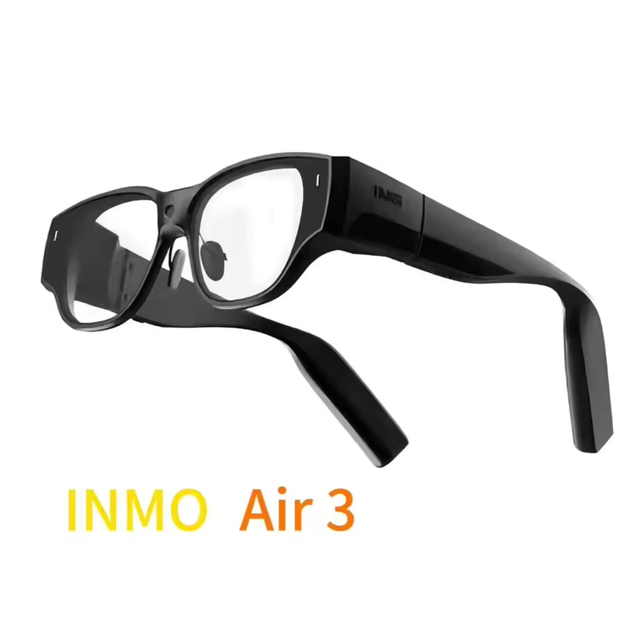
INMO Air3 AR Glasses Standalone Full Color 1080P Waveguide Display Android 14 Smart Glasses for Movie Work Content Creation
 Shenzhen Xingcheng Imaging Equipment Co., Ltd.verified🇨🇳CN2 yrs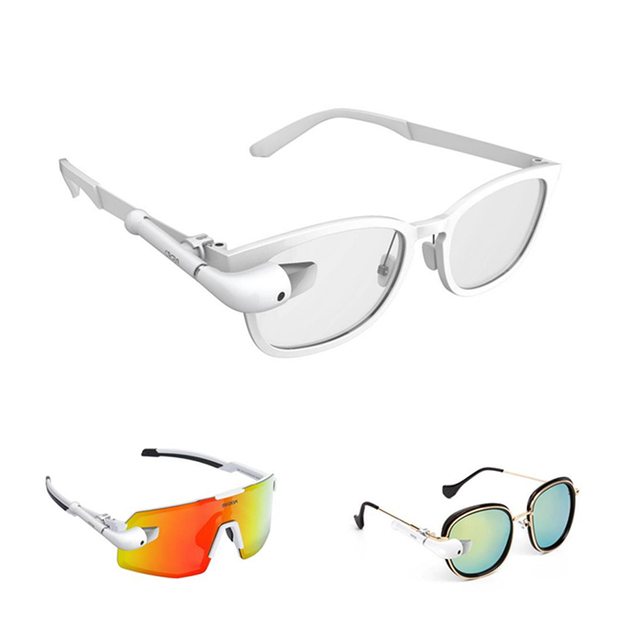
Ultralight Smart AR Glasses W/ 0.32inch Micro OLED Display 624x405 Resolution 1200 Nits 20° FOV Real Time Translation Navigation
 Shanghai Top Display Optoelectronics Co., Ltd.verified🇨🇳CN5 yrs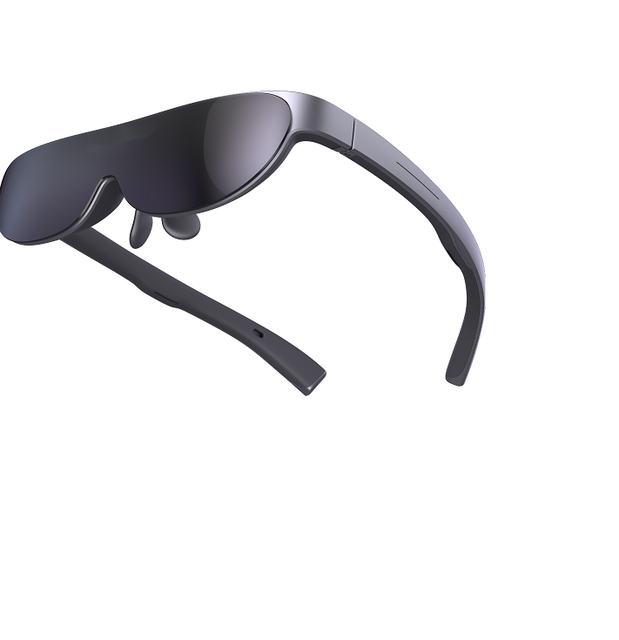
3D Movie Augmented Reality Head Display Non-VR AR Glasses for Smart Phone
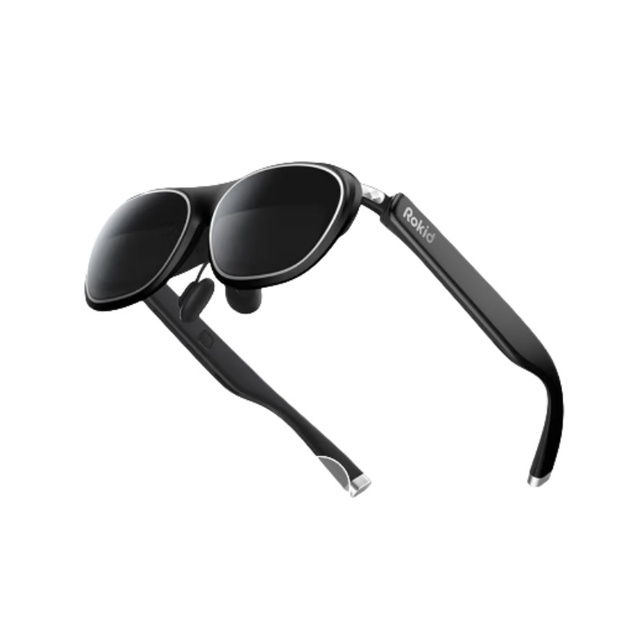
AR Lite, Your First AR Glasses for Spatial Computing 3DoF System Portable 300" Screen
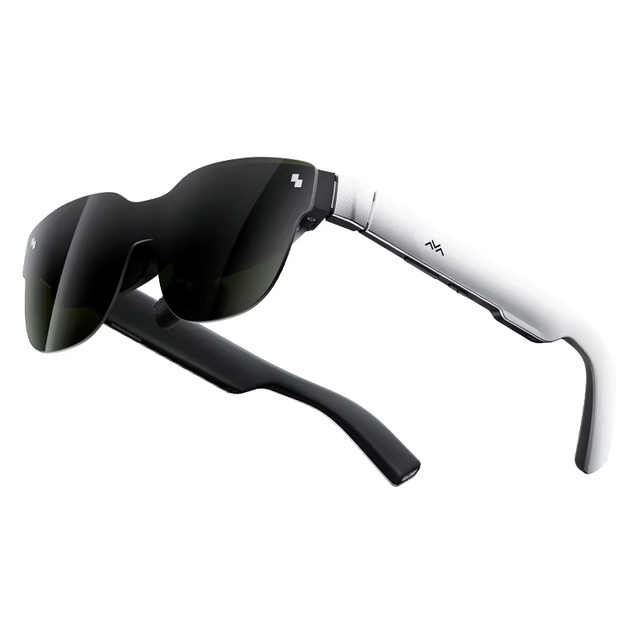
TCL Rayneo Air 3 Smart AR Glasses HD Viewing Portable Screen 120Hz High Refresh JoyDock Handheld Giant Screen VR Glasses
 Shenzhen Wotu Imaging Equipment Co., Ltd.verified🇨🇳CN3 yrs
![XREAL XBX A01 Smart AR Glasses [Global First Launch] China 62g Ultra-Lightweight Wear Support HDR10 1600 Nits 50 FOV Movie](https://s.alicdn.com/@sc04/kf/Hbb3ba0f15541445da0652d545c6e899el.jpg_640x640.jpg)
XREAL XBX A01 Smart AR Glasses [Global First Launch] China 62g Ultra-Lightweight Wear Support HDR10 1600 Nits 50 FOV Movie
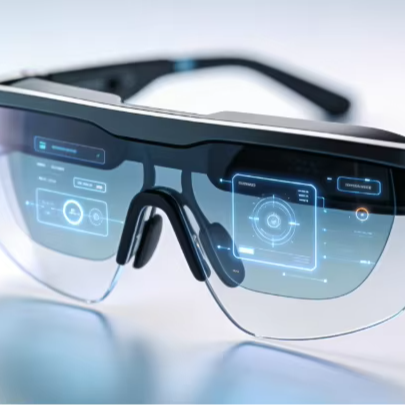
Advanced AR Smart Glasses Concept Prototype Micro Display System Holographic Waveguide Lens Carbon Fiber Temples Wanwei Zongheng
 Wanwei Zongheng (shenzhen) Technology Co., Ltd.🇨🇳CN1 yr
Ar Glasses Kit Glasses With Ar Lens Electronics Precision Optics Easy Assembly Lightweight Comfortable Fit Multi Use Ar Tool
 Shenzhen Tonghua Weiye Technology Co., Ltd.🇨🇳CN6 yrs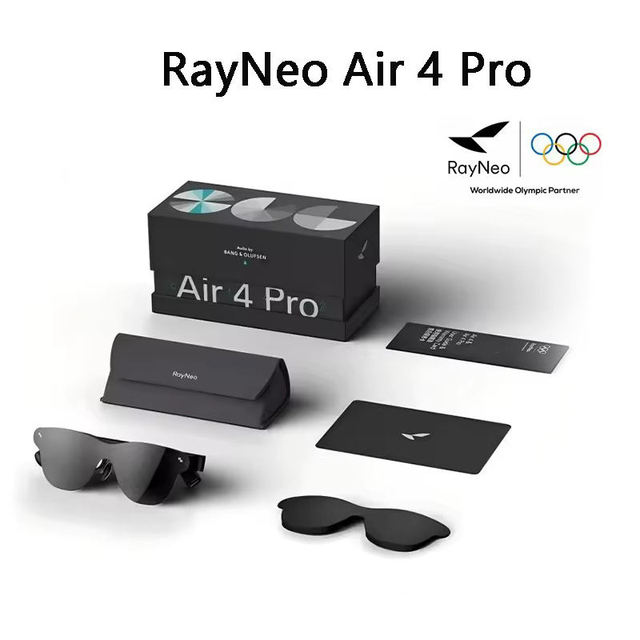
New Rayneo Air4pro AR Smart Glasses DHR10 1200nits Version4000 AI HDR Screen 3840 Hz PWM 3D Audio Bang &Olufsen China
 Shenzhen Guangying Technology Co., Ltd.🇨🇳CN3 yrs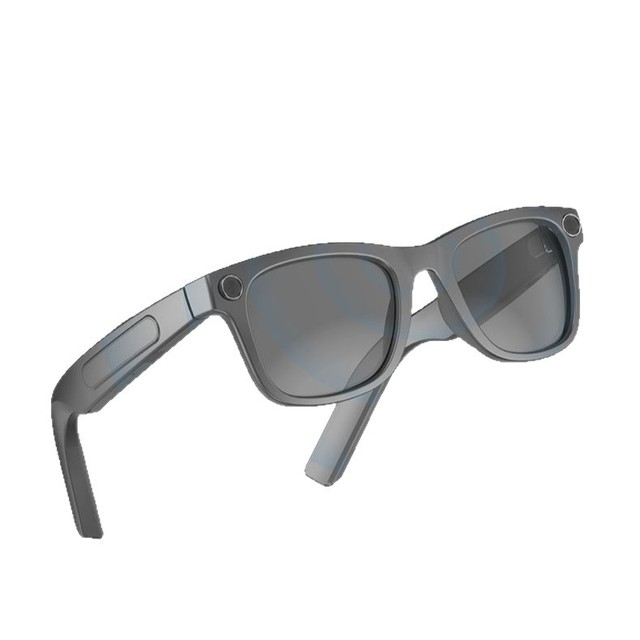
AI Smart Glasses with Camera Bluetooth Translation AR Video Recording PC Frame-Compatible with Android & IOS
 Huarui Protective Products (Guangxi) Co., LTD.verified🇨🇳CN2 yrs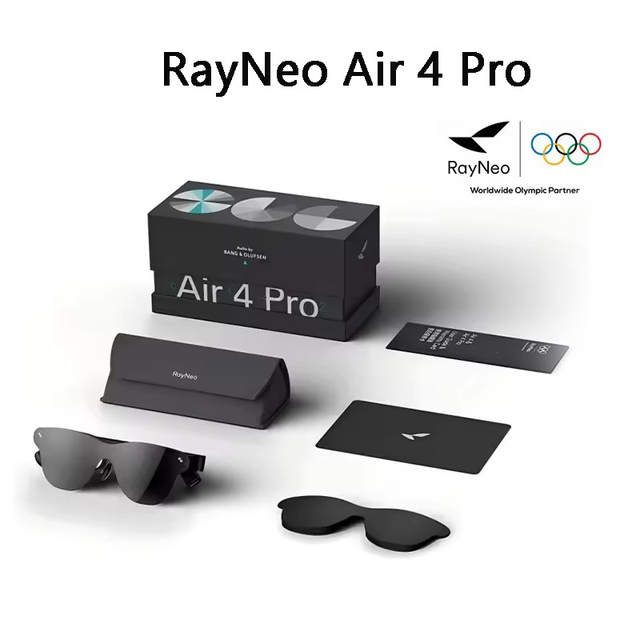
New Rayneo Aipro AR Smart Glasses DHR10 1200nits Version4000 AI HDR Screen 3840 Hz PWM 3D Audio Bang &Olufsen China
 Shenzhen Tianfuchen Digital Technology Co., Ltd.verified🇨🇳CN2 yrs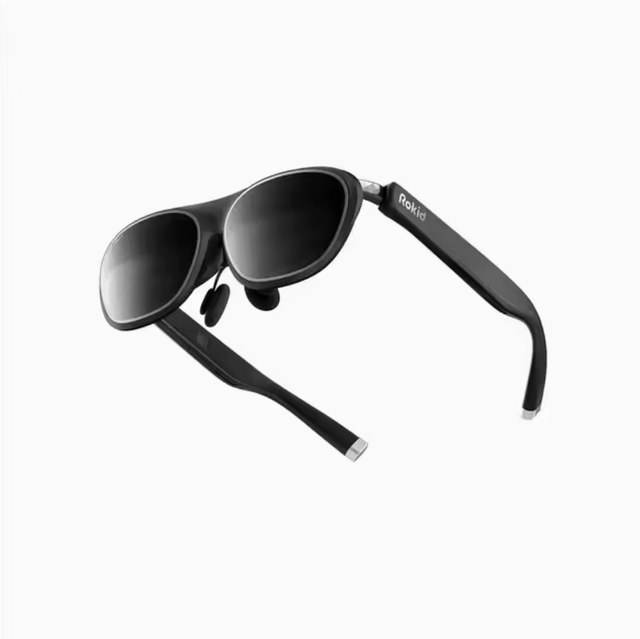
Rokid Max 2 AR Glasses 300" Spatial Multi Screen 1920X1200 50FoV Home Game Viewing Realtime Trans China Made
Deep Dive · Full Report
Full Market Report
1 document · Live-fetched from source
Related Searches
Explore more sourcing topics & related categories
Sources & References
28 sources cited · Verified industry data & reports
Intel Cancels Recently Unveiled Vaunt Smart Glasses | Extremetech
www.extremetech.com
The image produced by Vaunt was intended to be non-intrusive. The laser would only hit your retina when you glanced toward the corner of your vision where the display appeared. Thus, you could go about your day without being bothered by constant images cluttering your vision. Google Glass was much dorkier. Intel didn't provide specific details on the reason for the closure, but The Information claimed(Opens in a new window) NDG was being shuttered for lack of investment. Google Glass died an early death, but the successor "Glass Enterprise" is still available. Some businesses use them, too. Intel's retina imaging technology might have made more sense as a business solution, and maybe it will still live on in some other products. The Vaunt glasses, though, are dead. However, Intel is already throwing in the towel; the Vaunt project is dead, and so is the entire division that created it. ... Google made waves when it launched Google Glass a few years back, but that particular face computer was deemed too creepy by the general public.
Intel is giving up on its smart glasses | The Verge
www.theverge.com
Intel is continuously working on new technologies and experiences. Not all of these develop into a product we choose to take to market. The Superlight [the codename for Vaunt] project is a great example where Intel developed truly differentiated, consumer augmented reality glasses. It was always unclear precisely how Intel intended to bring the Vaunt glasses to market, though sources indicated that Intel wanted to find a partner with retail expertise to partner with. Jerry Bautista, the lead for Vaunt, told me back in December that Intel was “working with key ecosystem hardware providers — whether they’re frames or lenses and things like that. It’s had partnerships with companies like Oakley and Tag Heuer in the wearables space, but neither found mass-market success. If the company wasn’t able to successfully find a similar partner to handle Vaunt, it’s not exactly a surprise that it chose not to try to bring them to market directly. Still, it’s disappointing to think that Vaunt won’t get a chance to finish development. Having tried the basic prototype, I can say that having a heads-up display that’s only there when you want to see it is a genuinely fascinating technology. It was a take on augmented reality that didn’t try to give you magical 3D objects, but instead basic contextual information.
Intel cancels Vaunt AR smart glasses project
www.gearbrain.com
Intel has canceled Vaunt, its augmented reality glasses project which had hoped to right the wrongs of Google Glass Augmented reality will be the next big thing, according to Apple and others, but getting consumer-friendly AR products to market is still a challenge for even the biggest of tech companies - a lesson Intel has learnt, with the cancellation of its Vaunt smart glasses. The Vaunt used a tiny projector to show a red, monochrome 400 x 150 pixel user interface in the lower-right corner of the wearer's field of view. Although they lacked the Google Glass' camera - which was itself somewhat controversial - the Vaunt look like regular glasses, yet could show the wearer notifications, messages sent to their smartphone, and navigation directions. Epson Moverio BT-300 Smart Glasses (AR/Developer Edition) Intel developed all of the hardware for the glasses itself, including custom circuit boards designed to fit inside the frames, and the device's processor. Intel designed several styles of frame and made sure the Vaunt would work with prescription lenses - basics Google Glass failed to achieve when it launched back in 2013.
Intel abandons Vaunt smart glasses project | TechCrunch
techcrunch.com
It might just be time for Intel to admit that it’s not great at this whole wearables thing. A few months after their flashy online debut, the Vaunt smart glasses are dead, the chipmaker has confirmed. The company confirmed the end of Vaunt (codenamed Superlight) in a statement offered to TechCrunch. “Intel is continuously working on new technologies and experiences. Not all of these develop into a product we choose to take to market,” Intel writes. “The Superlight project is a great example where Intel developed truly differentiated, consumer augmented reality glasses. The Vaunt seemed promising, but the online glimpse we got of the product didn’t appear to be fully thought out.
Intel's New Devices Group, Responsible for Its Vaunt Smart Glasses, ...
www.gadgets360.com
Making smart glasses seems like an ambitious project especially for a tech generation that is not quite ready to put high-end technology right in front of its eyeballs. The division behind Intel's Vaunt smart glasses project is being shut down by the tech giant. Reason: the division couldn't catch enough eyeballs, ironically, in the wearables market globally. Showcased back in February this year, Intel's latest Vaunt smart glasses seemed like a promising gadget. The design made them look like regular glasses, devoid of any touch controls, buttons, cameras, and the likes. A red, monochrome 400x150 pixels image is projected in front of your eyes using a low-powered class one laser. But all that is now in the past as Intel has stopped production on any of the products in the division. In a statement to The Verge, Intel said, "Intel is continuously working on new technologies and experiences. Not all of these develop into a product we choose to take to market. The Superlight [codename for Vaunt] project is a great example where Intel developed truly differentiated, consumer augmented reality glasses. Further reading: Intel, Vaunt Smart Glasses, Wearables, Smart Glasses
Intel cancels its smart glasses due to lack of investment
www.engadget.com
When Intel showed off its Vaunt smart glasses (aka "Superlight" internally) back in February, we had high hopes for a new wave of wearable tech that wouldn't turn us into Borgs. Alas, according to The Information's source, word has it that the chip maker is closing the group responsible for wearable devices which, sadly, included the Vaunt. To avoid the awkwardness that doomed the Google Glass, Intel took the subtle approach by cramming a retinal laser projector -- along with all the other electronic bits, somehow -- into the Vaunt's ordinary-looking spectacle frame; plus there was no camera on it. Meanwhile, other tech giants like Amazon and Apple are still working hard on their own take on smart glasses, so here's hoping these will be worth the wait. The following is the full Intel statement sent to Engadget: "Intel is continuously working on new technologies and experiences. Not all of these develop into a product we choose to take to market.