Ir Control Panel

Overview
Product sourcing insights & recommendations


The market for IR control panels is undergoing a significant transformation, evolving from simple remote controllers to centralized smart home hubs. As of 2026, the global smart remote market is valued at $3.28 billion, with a projected growth to $6.48 billion by 2034 (CAGR 8.90%) Fortunebusinessinsights. Despite the rise of Wi-Fi and Bluetooth, Infrared (IR) technology remains crucial, holding a 20% market share due to its indispensability for controlling legacy devices like TVs and air conditioners Home-Assistant.
Key Market Trends & Consumer Insights
* Centralized "Master" Panels: Consumers are shifting away from multiple remotes toward integrated wall-mounted panels (typically 3.5 to 11.6 inches) that combine IR, Zigbee, and Wi-Fi Portworld-SoluYoutube.
* Predictive AI Integration: 2026 trends highlight AI that learns user routines to suggest automated IR-triggered actions (e.g., pre-cooling a room based on historical AC usage) Portworld-Solu.
* Multi-Sensor Hubs: There is high demand for "3-in-1" or "4-in-1" devices that combine IR blasting with temperature, humidity, and light sensors, allowing for environment-based automation AlibabaAlibaba.
* Cost Efficiency: IR remains popular because its production costs are approximately 30% lower than advanced RF-based alternatives, making it the preferred entry-level smart home solution Fortunebusinessinsights.
Product Innovations (2026)
The latest product offerings emphasize interoperability and tactile feedback:
* Smart Hubs with LCD Displays: Devices now feature built-in screens showing real-time environmental data alongside universal control buttons AlibabaAlibaba.
* Matter Protocol Transition: While many current hubs rely on Tuya/Zigbee, 2026 is seeing a push toward Matter-compatible IR bridges to ensure cross-platform compatibility with Apple, Google, and Amazon ecosystems Home-Assistant.
* Energy-Saving Automation: Advanced panels now use IR to "smarten" older appliances, reducing electronic waste by extending the life of functional non-smart hardware Home-Assistant.
Smart Home Ir Control Panel Touchscreen Wall Mount
Products · 3 lists
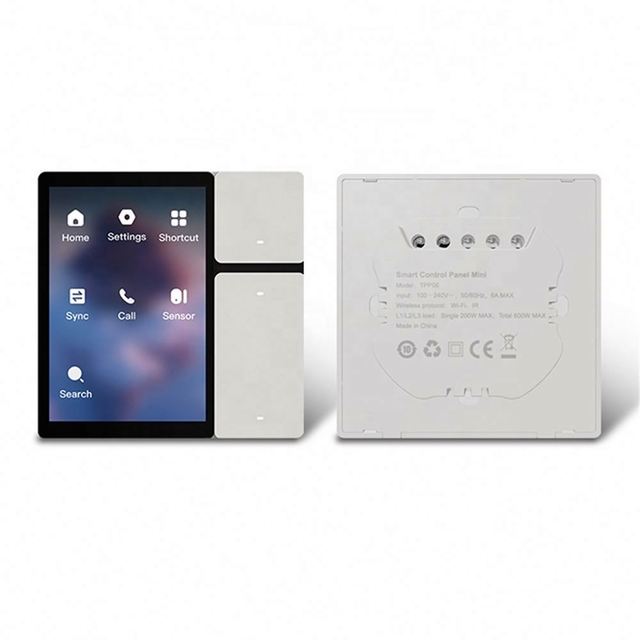
3.5 Inch Smart Wall Switch with Touch Screen IR Infrared Sensor Dimming Curtain Scene Control Panel Tuya for Smart Home System
 Shantou E7win Electronic Co., Ltd.🇨🇳CN9 yrs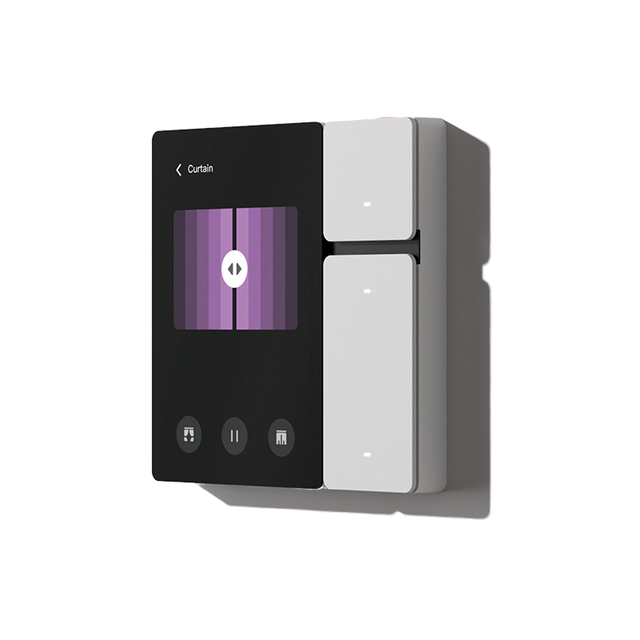
Tuya Central Control Panel Mini Smart 3way Relay Switch 3.5 Inch Smart Control Panel Mini Built in Ir Gateway for Smart Devices
 Shenzhen Huaxuyun Lot Technology Co., Ltd.🇨🇳CN4 yrs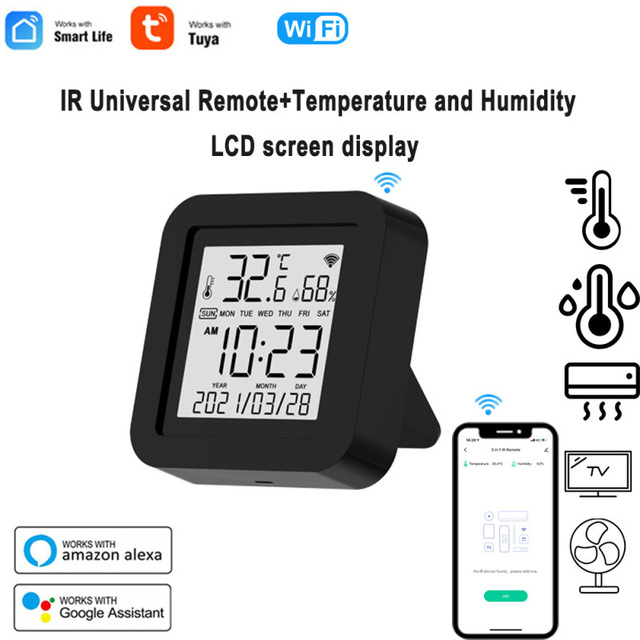
Smart Life Universal IR Controller 3-in-1 LCD Digital TV Air Conditioner Temperature Humidity Sensor WiFi Minimalist Wall Switch
Related Searches
Explore more sourcing topics & related categories
Sources & References
26 sources cited · Verified industry data & reports
Remote Control Systems & Kits Market Size & Trends ...
Business Research Insights
The global Remote Control Systems & Kits Market, valued at $3.2 billion in 2026, will increase to $5.23 billion by 2035, growing at a CAGR of 6.3%.
Global Smart Remote Control Market Insights: Size, Share, ...
Global Smart Remote Control Market Insights: Size, Share, Trends, and Growth Forecast from 2026 to 2033 at a CAGR of 11.3%. Report this ...

Infrared LED Market to Reach $1B by 2026
US Lighting Trends
The market valuation of infrared LEDs will cross $1 billion by 2026. The rising demand for a strong surveillance system worldwide is likely to boost IR LED ...

Demand for IR Emitters and Receivers in USA
Future Market Insights
Demand for IR Emitters and Receivers in USA is anticipated to expand from USD 1.04 Billion in 2025 to USD 1.51 Billion by 2036, registering a ...
Smart Remote Market Size, Industry Share, Forecast to 2034
Fortune Business Insights
The global smart remote market size is valued at USD 3.28 billion in 2026, projected to reach USD 6.48 billion by 2034 at a CAGR of 8.90% ...

Remote Control Market Size & Share Trends, 2033
Market Reports World
Global Remote Control Market size is estimated at USD 1608.05 million in 2024 and set to expand to USD 2116.55 million by 2033, growing at a CAGR of 3.1%.