Ir Receiver For Stb

Overview
Product sourcing insights & recommendations


The market for STB IR receivers is evolving from a niche accessory into a fundamental component of minimalist home theater installations. As consumers increasingly hide hardware behind furniture or thin TVs, demand for external IR extension sensors has remained robust, with market valuations for the broader IR receiver category projected to reach $3.0B–$5.4B by 2026–2033 BusinessresearchinsightsLinkedinCognitivemarketresearch.
Key Market & Product Trends
* Minimalist Aesthetic Integration: The strongest demand driver is the consumer shift toward "hidden" setups, where STBs, DVRs, and media sticks are placed out of line-of-sight Alibaba.
* Technical Standard Shift: There is a clear transition toward Wideband sensors (36–56 kHz) to replace the legacy 38 kHz standard, ensuring compatibility with newer devices from brands like Roku and Xfinity AlibabaAlibaba.
* Smart Home Bridging: IR receivers are increasingly used as "legacy bridges," allowing smart hubs (e.g., BroadLink or ESPHome) to control older, non-connected equipment Alibaba.
Consumer Insights & Technical Gaps
* Polarity Mismatches: The top technical complaint involves pinout polarity (Tip vs. Ring positive), which frequently causes compatibility issues between different STB brands (e.g., Arris vs. Motorola) AmazonAlibaba.
* EMI Sensitivity: Modern setups with high-density cabling (HDMI/Power) often cause interference in unshielded IR cables, leading to intermittent signal response Alibaba.
* Pricing Sensitivity: Bulk pricing for standard 3.5mm passive cables is highly competitive, ranging from $0.22 to $0.55 per unit at wholesale scales .
Supply Analysis
Wholesale options are concentrated in Chinese electronics hubs, offering diverse configurations from simple passive cables to complex repeater kits:
For detailed specifications and a complete list of qualified suppliers, please refer to the attached search results.
I can analyze the specific pinout differences (Tip vs. Ring positive) for these IR cables to help you avoid polarity compatibility issues. Would you like to:
External Ir Receiver Sensor Cable For Set Top Box Wholesale
Products · 2 lists

2.5mm Audio IR Receiver Cable External Infrared Extender for Mobile TV Emitter PVC Jacket Stock Product
 Dongguan Bofan Technology Co., Ltd.verified🇨🇳CN9 yrs
3.5 Jack Plug Ir Remote Mi Infrared Blaster Receiver Cable Ir Infrared Extender Infrared Cable
 Shenzhen Lfn Technology Co., Ltd.verified🇨🇳CN16 yrs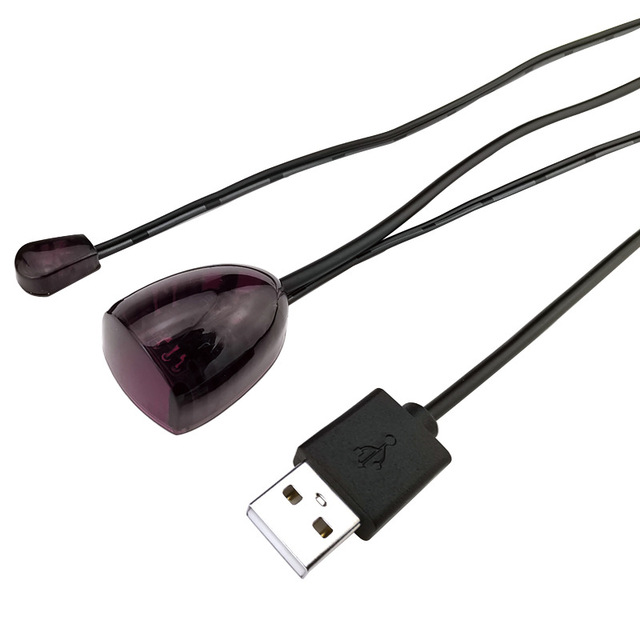
IR Repeater Kit Hidden Cable Infrared Remote Control Extender Cable with Emitter Signal Receiver USB Power Cable for TV DVD STB
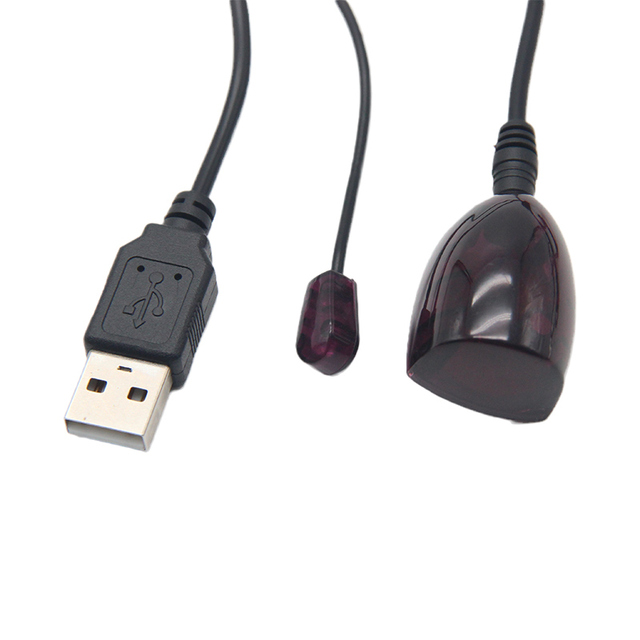
IR Receiver+IR Emitter+usb Adapter Infrared Remote Control Cable for IR Extender Cable
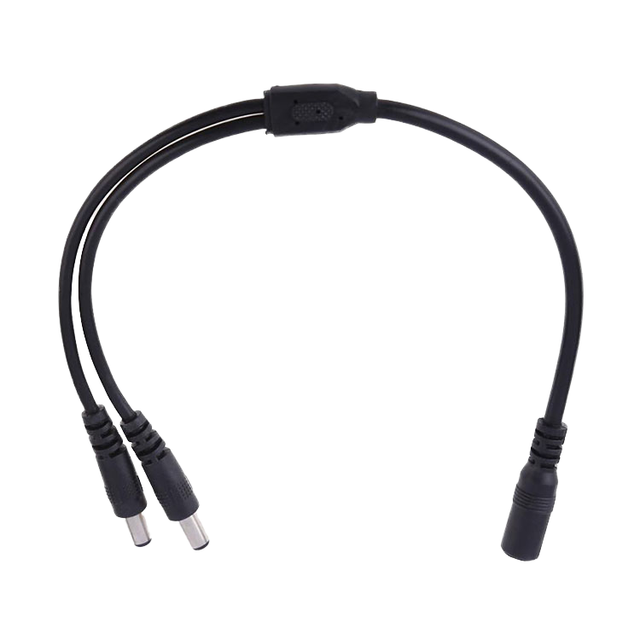
DC5521 Male-Female Plug Cable Infrared Receiver Extender Cable Multimedia Infrared Remote Ir Control Extender Receiver Cable
 Huizhou Transocean Electronics Co., LTD.verified🇨🇳CN2 yrs
Related Searches
Explore more sourcing topics & related categories
Sources & References
28 sources cited · Verified industry data & reports
Infrared Radiation (IR) Emitter and Receiver Market Size, ...
Business Research Insights
The global infrared radiation (ir) emitter and receiver market is value at USD 3.32 Billion in 2026 and eventually reaching USD 4.53 Billion by 2035 ...
Infrared Receiver Market Size, Trends, 2026-2033 Forecast ...
Market size was valued at USD 2.8 Billion in 2024 and is poised to grow from USD 3.1 Billion in 2025 to USD 5.4 Billion by 2033, ...

IR Remote Receiver Market Analysis 2026
Cognitive Market Research and Consulting
IR Remote Receiver Market Analysis size 2021 was recorded $2456.03 Million whereas by the end of 2026 it will reach $2994.50 Million.

Infrared Emitter Receiver Market Share Report, and Growth ...
Market Research Future
Infrared Emitter Receiver Market is expected to grow USD 6.84 Billion at 10.20% CAGR by 2035, Global Infrared Emitter Receiver Industry Analysis by Product ...

IR Emitters and Receivers Market Report (2026)
Strategic Market Research
The Global IR Emitters And Receivers Market will witness a robust CAGR of 8.5%, valued at around USD 3.6 billion in 2024, and expected to appreciate to USD ...

Infrared Sensors Market Size, Share | Growth Report [2034]
Fortune Business Insights
The market is projected to grow from USD 1,256.30 million in 2026 to USD 2,294.20 million by 2034, exhibiting a CAGR of 7.8% during the forecast period. An IR ...