Karakul Black

Overview
Product sourcing insights & recommendations


The 2026 market for Karakul black products is characterized by a significant rebound in luxury demand and a niche resurgence in heritage wool crafts. Karakul black pelts (often branded as Swakara or Astrakhan) remain a high-value commodity in luxury fashion, particularly in China and South Korea, while the wool is increasingly sought by artisan weavers for its unique felting properties.
Key Market Insights for 2026
* Price Surge: Raw material costs for fur are currently at a 10-year high. In early 2026 auctions, clearance rates reached 100% for many species, with mink and fox prices jumping by 76% and 40% respectively, indicating strong upward pressure on finished Karakul garments ManzariTrappermag.
* Asian Market Dominance: A late Chinese New Year in 2026 and sustained cold weather in Northeast Asia have fueled a retail boom, driving manufacturers to aggressively restock inventory Manzari.
* Heritage Appeal: Beyond fashion, the American Karakul is a "Threatened" breed. This status has created a premium "cottage industry" market for its coarse, lustrous black wool among eco-conscious consumers and hand-spinners FondazioneslowfoodOkstate.
Product & Pricing Landscape
Current B2B offerings show a clear split between raw materials and luxury finished goods:
* Raw Pelts: Authentic black Karakul/lambskin pelts are available from specialized suppliers at $40–$69 per piece, typically requiring a minimum order of 10–50 pieces.
* Luxury Garments: High-end women's coats crafted from Swakara/Karakul fur range from $1,428 to $3,377, targeting the "Old Money" and high-fashion segments.
* Wool & Rugs: Karakul wool is predominantly used for durable, hand-knotted rugs. While mass-market wool rugs are available for as low as $2.90/sq ft, genuine Karakul wool products occupy a higher price tier due to their specialty "carpet wool" texture.
Black Karakul Lambskin Pelt
Products · 3 lists

Karakul Sheep Skin Karakul Lambskin Pelt Karakul Baby Lamb Fur
 Shijiazhuang Saitu Trade Co., Ltd.🇨🇳CN14 yrs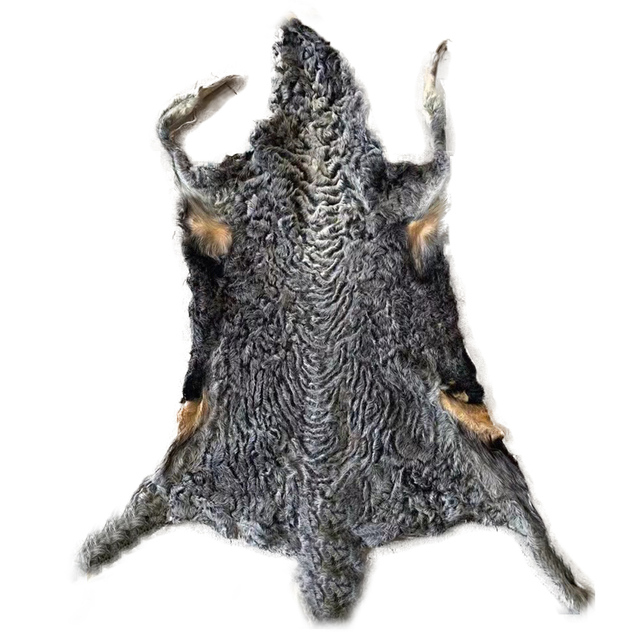
Factory Wholesale Supply Karakul Sheep Skin Karakul Lambskin Pelt Karakul Baby Lamb Fur
 Zaoqiang Alice Tzu Fur Ltd.🇨🇳CN12 yrs
Deep Dive · Full Report
Full Market Report
1 document · Live-fetched from source
Related Searches
Explore more sourcing topics & related categories
Sources & References
23 sources cited · Verified industry data & reports
Karakul - American Sheep
The Livestock Conservancy
Karakuls were historically used for meat, fat, wool, and pelts. Milk production was one of the important uses of the breed in its original ...
Karakul | Fur, Wool & Livestock
Britannica
Karakul, sheep breed of central or west Asian origin, raised chiefly for the skins of very young lambs, which are covered with glossy, tightly curled black ...

Karakul sheep
Wikipedia
Karakul sheep are a multi-purpose breed, kept for milking, meat, pelts, and wool. Dark colors are dominant and lambs often darken in color as they age.

KARAKUL Definition & Meaning
Dictionary.com
KARAKUL definition: one of an Asian breed of sheep having curly fleece that is black in the young and brown or gray in the adult: raised especially for ...

American Karakul Sheep: A Unique Heritage Breed
The Thrifty Homesteader
When black Karakul rams were bred to other breeds, they could quickly produce black fleece in offspring. As the colored wool industry moved ...

Karakul sheep | CABI Compendium
CABI Digital Library
The market value of this product is mainly influenced by its colour, hair quality, pattern attractiveness and the degree of curl development. Colour.