Kdf E50a10 Sony Tv

Overview
Product sourcing insights & recommendations


The Sony KDF-E50A10 is a 50-inch Grand WEGA 3LCD rear-projection HDTV that served as a cornerstone of the mid-2000s large-screen market. Launched in 2005 with an MSRP of $2,499, it was celebrated for offering massive screen real estate at a fraction of the cost of contemporary plasma or LCD flat panels CnetWikipedia.
Product Overview & Key Specifications
* Technology: It utilizes a 3LCD system (three 0.73" LCD chips) and a Dynamic Iris to enhance black levels and contrast SonyCnet.
* Resolution: Native 720p (1,280 x 720 pixels), which was the standard for high-definition content during its peak Cnet.
* Connectivity: Notable for including a PC (VGA) input, which was rare for the time, alongside one HDMI port and three component inputs SonyCrutchfield.
* Physical Profile: Despite its large screen, it weighed a manageable 73 lbs, significantly lighter than older CRT-based projection TVs RedditSony.
Market Trends & Historical Context
* The Price Leader (2005): In its debut year, the KDF-E50A10 represented a $50/inch value proposition, while a comparable 50-inch plasma TV cost upwards of $4,000 ($80+/inch) WikipediaCnet.
* The Flat-Panel Tipping Point (2007–2008): The rapid decline of LCD manufacturing costs and the consumer shift toward wall-mountable flat panels led Sony to exit the rear-projection market in late 2007 Cnet. By 2010, the entire category was largely obsolete Wikipedia.
* Current Secondary Market: Today, the model has negligible resale value, often sold for under $50 or given away for parts Reddit. The market is now driven by replacement lamps (XL-2400) and repair components for retro-tech enthusiasts Amazon.
Common Performance Insights
* Reliability: The most common maintenance requirement is the UHP lamp, which typically lasts 2,000–6,000 hours and currently costs between $25 and $60 for third-party replacements AmazonSony.
* Visual Limitations: Users frequently cite the "screen-door effect" (visible pixel structure) if sitting too close and a significant loss in brightness when viewing from side angles CnetJustanswer.
* Technical Issues: Aging units often exhibit "optical block" failures, resulting in yellow or blue discoloration that is usually cost-prohibitive to repair Justanswer.
Interested in more insights? You can continue with:
Sony Kdf E50a10 Replacement Lamp Bulb Xl 2400
Products · 2 lists
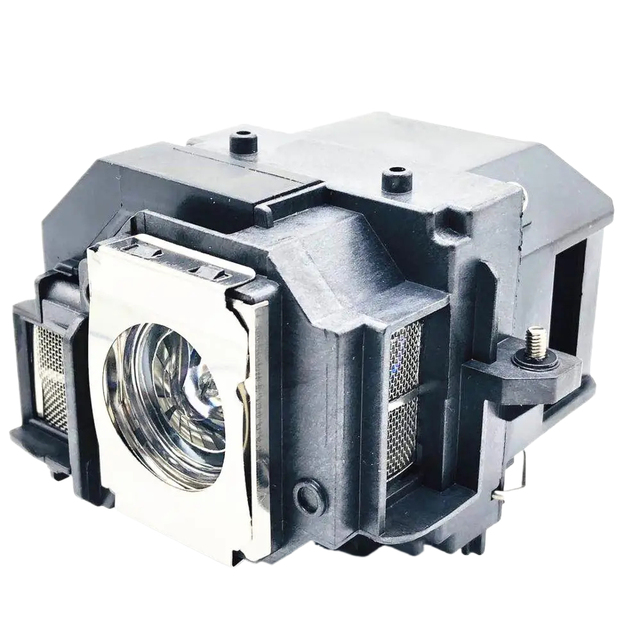
High Quality Projector Lamp ELPLP58 for EB-S10 EB-S9 EB-S92 EB-W10 EB-W9 EB-X10 EB-X9 EB-X92 EX3200 EX5200 EX7200
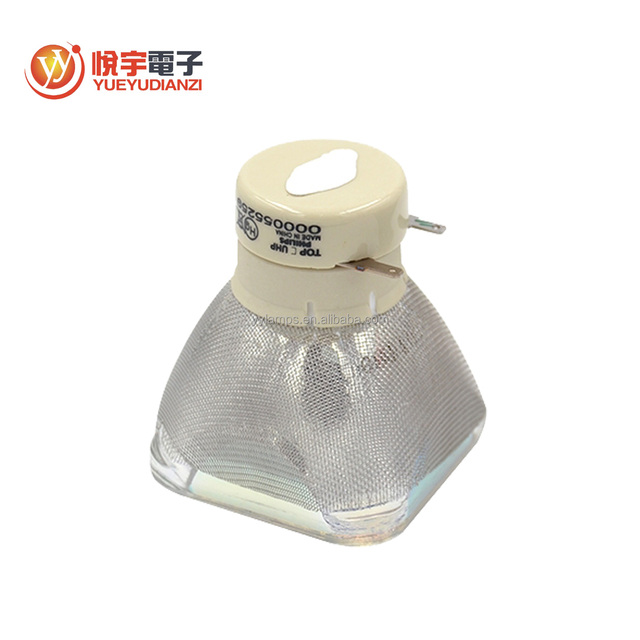
LMP-E212 Projector Lamp with Housing for SONY VPL-EX226 VPL-EX242 VPL-EX246 VPL-EX272 VPL-EX274 Projector Lamps
 Shanghai Greentea International Group🇨🇳CN17 yrs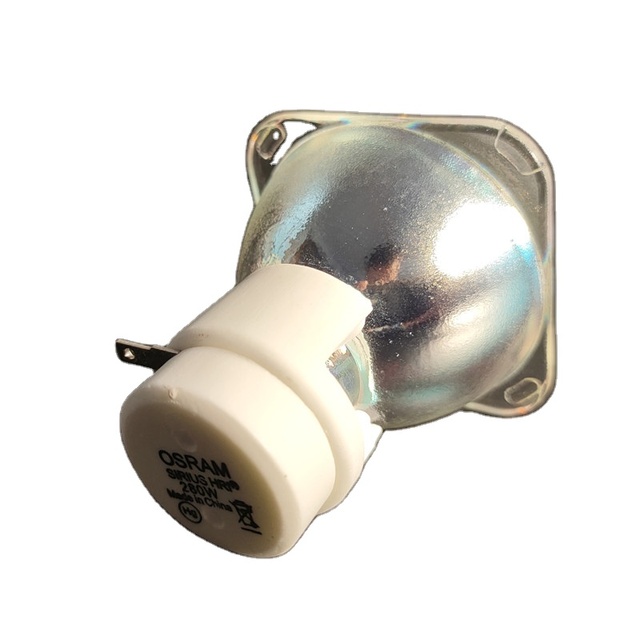
Original SIRIUS HRI 280W 10R Lamp Mercury Short Arc Moving Head Light Bulb for Stage Lights
 Sino-Shanghai Oriental Manufacturing🇨🇳CN9 yrs
Related Searches
Explore more sourcing topics & related categories
Sources & References
14 sources cited · Verified industry data & reports
Sony KDF-E50A10 Rear Projection TV Troubleshooting
JustAnswer
I have a Sony KDF-E50A10 rear projection tv. It is working great except when i plug in an HD signal through the HDMI or.
Sony KDF-EA10 Rear Projection television review
CNET
Overall, the Sony KDF-E50A10 offers very good picture quality for the money. Its strengths include a sharp 720p image and deep black levels ...

Crt? 2007 Sony found at thrift. Should I go back and grab?
Reddit · r/crt
That is a Sony KDF E50a10. I have one exactly like it. It is a great set, but it is not a CRT. It is an LCD rear projection TV. It has a ...

Customer reviews of the Sony KDF-E50A10
Crutchfield
Some other features, like HD built-in, cable card ready, and PC input, are also a plus when considering recent TV design trend and flexibility looking forward.

Manuals for KDF-E50A10
Sony
Find instruction manuals and brochures for KDF-E50A10.

Smart TV Market Size, Share & Industry Trends Report to ...
KBV Research
The Global Smart TV Market size is expected to reach $353.3 billion by 2030, rising at a market growth of 7.8% CAGR during the forecast period.