L2tp Client

Overview
Product sourcing insights & recommendations
The L2TP client market in 2026 is transitioning into a legacy phase as modern protocols like WireGuard and IKEv2 take center stage due to their superior performance and mobile stability. While L2TP/IPsec remains cryptographically secure and widely compatible with built-in OS clients, it is increasingly being replaced in high-speed and restrictive network environments. The global VPN market continues to grow robustly, with a projected value exceeding $70 billion by 2026.
I have generated a detailed market insights report covering technology trends, security assessments, and recommended hardware. The report includes a comparison of enterprise-grade and versatile routers that maintain support for L2TP alongside modern standards. You can find the full analysis and product list in the deliverable below.
The L2TP client market is shifting toward modern protocols. You can explore further with:
L2tp Client Vpn Router
Products · 2 lists
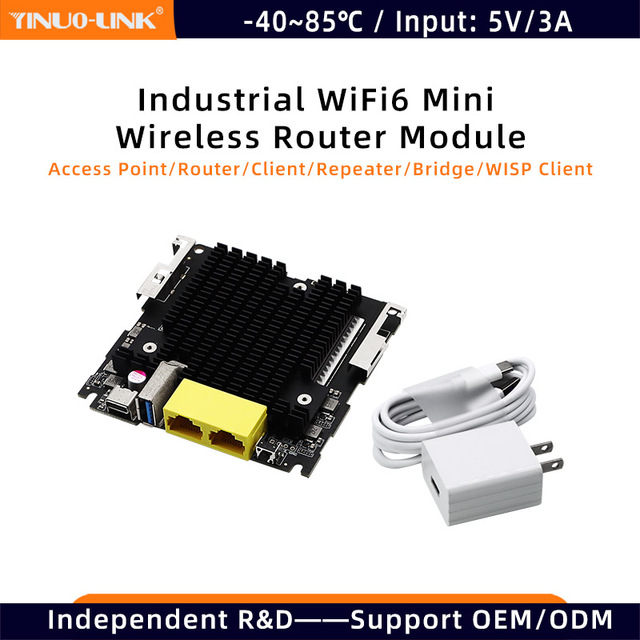
YINUO-LINK-Y2 High Quality AX1800 Travel Router Board Wifi6 Dual Band Long Range Client Module OEM/ODM Wifi Router/AP Module
 YINUOLINK CO.,LTD🇨🇳CN10 yrs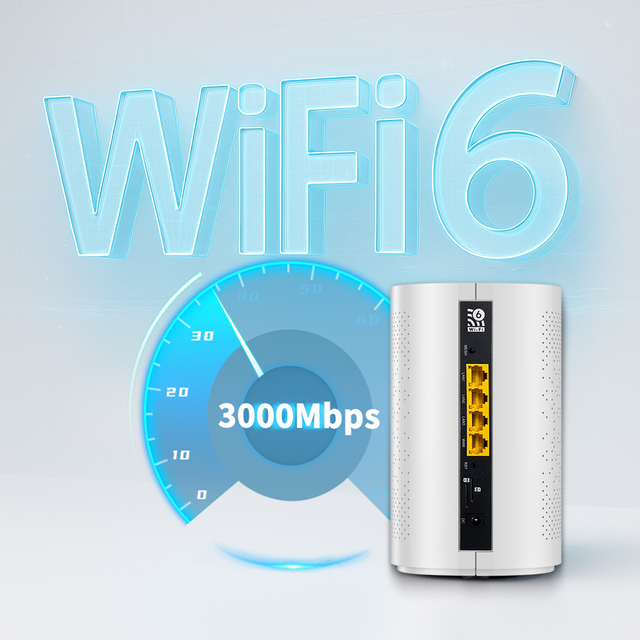
Dual Sim Card Slot Mesh 5G Router Hot Selling Enterprise Home Office Dual Band 2.4G&5.8G 3000Mbps CPE WIFI6 Gigabit Firewall VPN
 Shenzhen Zhibotong Electronics Co., Ltd.verified🇨🇳CN16 yrs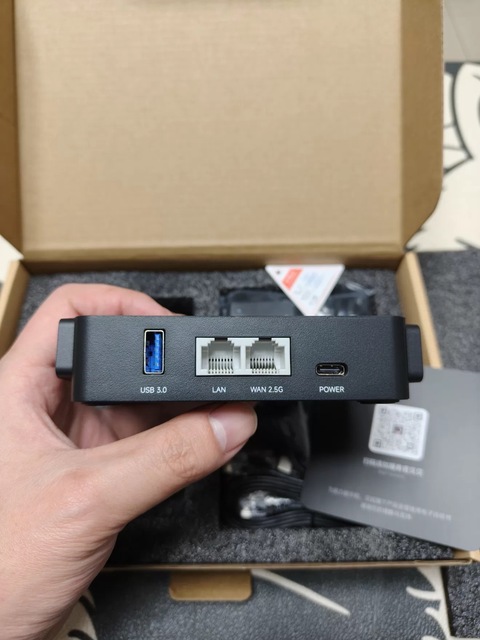
Createk AX3000 WiFi6 Home Wireless Router with 2.5Gbps Dual-Band WPA3 2 External Antennas VPN Support WDS/WPS
 Shenzhen Createk Technology Co., Ltd.🇨🇳CN2 yrs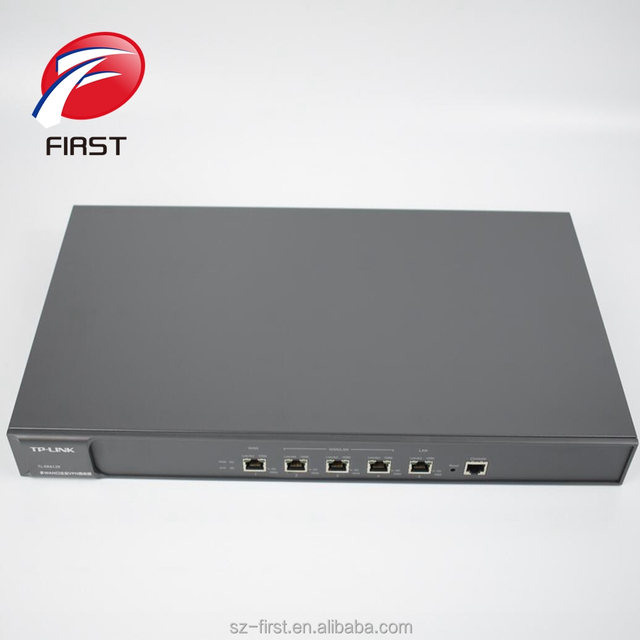
Hotsale TP-Link Router Multi-WAN Port Enterprise VPN Router TP-Link TL-ER6120 Router
 Shenzhen First electronics co., ltd.🇨🇳CN9 yrs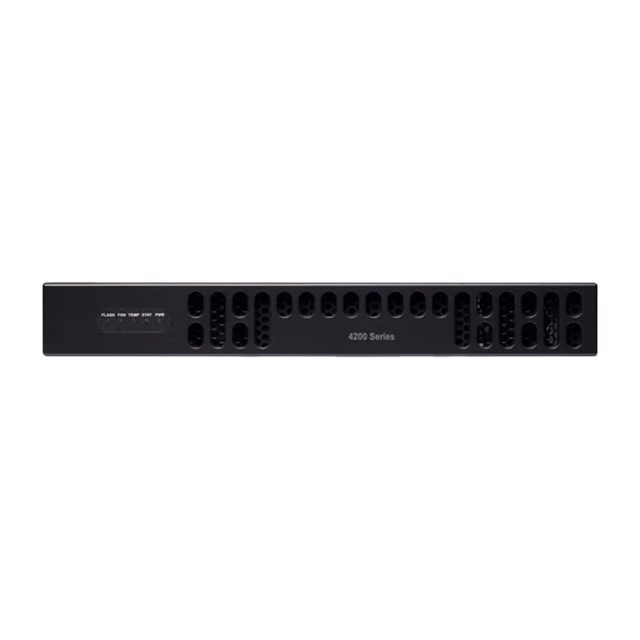
New Original ISR4221/K9 ISR4221-SEC/K9 ISR4221-AX/K9 Enterprise VPN Router 2GE 2NIM 8GFLASH 4GDRAM IPB
Deep Dive · Full Report
Full Market Report
1 document · Live-fetched from source
Related Searches
Explore more sourcing topics & related categories
Sources & References
28 sources cited · Verified industry data & reports
What Is L2TP? Meaning, Pros and Cons, and 2026 Security Update | X-VPN
xvpn.io
To protect data, it’s typically paired with IPsec, creating what’s known as L2TP/IPsec. This combo lets you build secure virtual tunnels over public networks. For years, this combination was a popular VPN setup thanks to its broad compatibility. But in 2026, it’s slowly losing ground. When properly implemented, L2TP/IPsec is still considered secure in 2026. IPsec handles the encryption work by generating secure keys during each session and applying strong algorithms like AES-256 (an industry standard) or 3DES (used in older systems). Therefore, despite its age, L2TP/IPsec is still useful in certain scenarios. It’s a solid option for enterprise site-to-site connections, legacy systems, or environments where built-in compatibility matters more than speed. However, for personal VPN use in 2026, especially on mobile or restrictive networks, advanced protocols like WireGuard or IKEv2 are often a better fit. Today, protocols like IKEv2, OpenVPN, and WireGuard give you the speed, reliability, and security that L2TP simply cannot match. If you’re choosing a VPN in 2026, it makes far more sense to go with a state-of-the-art service like X-VPN, which supports these protocols and works seamlessly across devices.
Dive into the World of VPN Services Trends and Classifications - Accio
www.accio.com
#### Characteristics - **Encryption**: VPNs use protocols such as IPsec, L2TP, OpenVPN, and PPTP to encrypt data packets ensuring secure transmission. - **Tunneling**: VPN creates a virtual tunnel between two points which secures any data sent through this tunnel. - **Client Software**: Users must install VPN client software, which provides the necessary tools to establish and maintain a secure connection to the VPN server. - **Ideal for**: Companies with a mobile workforce needing seamless, secure connectivity across multiple network environments. 3. **L2TP/IPsec**: - **Description**: While not as secure as OpenVPN, L2TP/IPsec is a step up from the oldest PPTP and still widely used. Higher uptime percentages generally command a premium but are justified for organizations where service continuity directly affects productivity and profitability. --- ## Customer Support Availability Customer Support Availability indicates the extent and manner in which a VPN service provider offers assistance to their business clients. To meet your VPN service needs, I recommend considering VPNs for various operating systems such as Windows, MacOS, Linux, iOS, and Android. These product types ensure compatibility across different devices and provide comprehensive coverage for secure internet access.
L2TP VPN | TrendAI™
docs.trendmicro.com
Cloud Edge uses the L2TP tunneling protocol to set up a point-to-point connection between the client and the Cloud Edge gateway. Security is ensured by encrypting the L2TP packets using IPsec before transporting the data to the end point over the L2TP tunnel. Cloud Edge supports L2TP/IPsec VPNs for Windows 7, 8.1, and 10 clients and iOS and Android mobile clients. There is no need for end-users to install a VPN client. Cloud Edge L2TP/IPsec VPNs use a Windows standard L2TP/IPsec configuration. By default, the Cloud Edge L2TP/IPsec VPN sends all data from the client through the VPN.
What Is an L2TP VPN and Is It Still Safe to Use in 2026?
www.privateinternetaccess.com
L2TP/IPsec gained widespread use in the 2000s, partly because older options like PPTP had serious security flaws. Today, L2TP/IPsec is still supported across most major platforms, but it’s widely considered outdated. L2TP has been built into VPN settings for decades, from early routers to Windows, macOS, Android, and more. In a nutshell, L2TP is a tunneling protocol, meaning it only wraps your data to send it through a tunnel; it doesn’t encrypt or hide the contents on its own. When paired with IPsec, a protocol that encrypts data, it forms what used to be one of the most widely supported VPN setups around: L2TP/IPsec.
VPN protocols: How to choose the right one in 2026 - Surfshark
surfshark.com
IKEv2/IPsec’s tradeoff: setting up the client beyond basic options is hard. Advanced settings are complicated, and users often need extra software to make everything work right. PPTP, L2TP/IPsec, and SSTP are older legacy protocols that are now obsolete, insecure, and generally no longer recommended. For everyone else, WireGuard is a great choice. In very specific and advanced cases, you might also find that OpenVPN and IKEv2/IPsec still have their place. However, remember that legacy protocols like PPTP, SSTP, and L2TP/IPsec are considered outdated and should generally be avoided. PPTP, L2TP/IPsec, and SSTP are outdated and no longer secure VPN protocols, considered inefficient for general use. L2TP/IPsec: offers no practical advantage over newer protocols and has compatibility issues;
Understanding the Role of L2TP and PPTP in Securing Data Transmission ...
medium.com
Exploring the Evolution, Mechanisms, Strengths, and Limitations of L2TP and PPTP in Data Transmission Security. For organizations seeking the highest standards of security, transitioning to modern VPN protocols with advanced encryption standards is recommended. Understanding the advantages and limitations of L2TP and PPTP is vital for making informed decisions that balance security, speed, and compatibility in data transmission. ... Track the most recent cybersecurity trends and the latest news updates. As cyber threats proliferate, securing data during transmission has become a priority for organizations, especially those with sensitive or high-stakes information. VPN protocols, specifically Point-to-Point Tunneling Protocol (PPTP) and Layer 2 Tunneling Protocol (L2TP) have historically provided data security for many applications. Unlike PPTP, L2TP doesn’t inherently encrypt data; instead, it is frequently paired with IPsec (Internet Protocol Security) to provide robust encryption, making it suitable for more sensitive data applications.