Long Distance Drone With Camera

Overview
Product sourcing insights & recommendations
I have completed a comprehensive analysis of the long distance drone with camera market for 2026. The research highlights a significant technological leap, with "long range" now benchmarked at 15–20km for consumer models and 100km+ for industrial VTOL units. Key drivers include the transition to solid-state batteries for 55+ minute flight times and the integration of 5G/satellite hybrid connectivity to ensure signal stability across vast distances.
The report details the latest trends, including the surge of AI-powered autonomous flight and the dominance of fixed-wing VTOL hybrids in large-scale mapping. I have also identified top-performing prosumer models like the DJI Mavic 4 Pro and industrial workhorses like the X8T Thermal Drone, along with a selection of verified manufacturers.
You can find the full market report with detailed specifications, growth projections, and recommended product shortlists in the file below.
Based on these trends, would you like to:
Vtol Long Range Mapping Drone 50km+ Fixed Wing Drone With Camera
Products · 2 lists
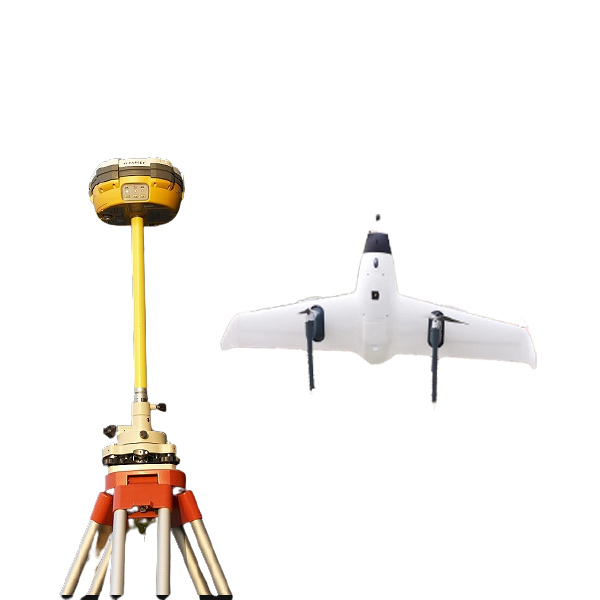
45min Small Light Fixed Wings PPK/ RTK Drone Vtol UAV Drones for Aerial 3D Mapping
 Chongqing Huibo Lab Instrument Co., Ltd.🇨🇳CN12 yrs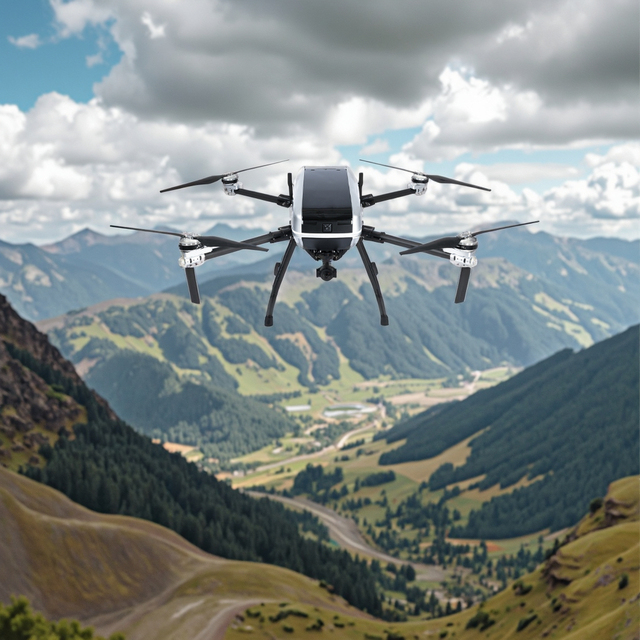
Moristar Multi-Sensor Mapping Drone UAV LiDAR RGB Thermal Carbon Fiber Composite 50km Transmission 7kg Payload 18m/s Cruising
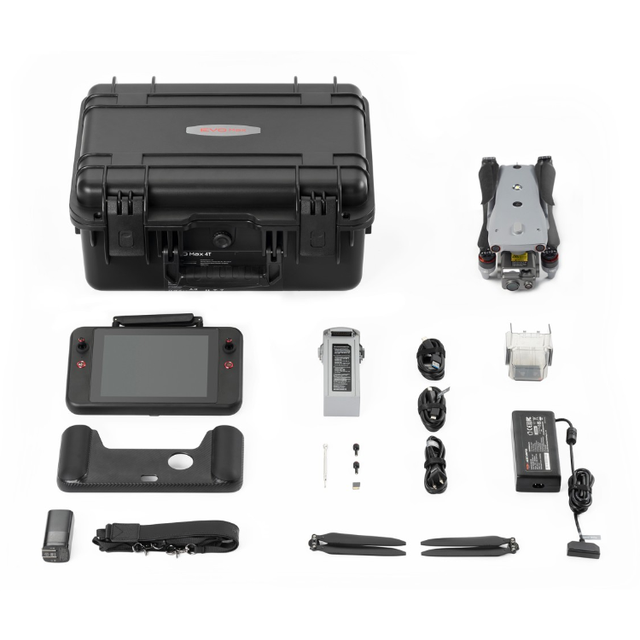
Autel DRONE RTK Thermal Imaging Camera Mapper Drone with Remote Control 25km Long Range Battery Powered Quadcopter Aircraft
 Tianjin Changkun Technology Co., Ltd.verified🇨🇳CN1 yr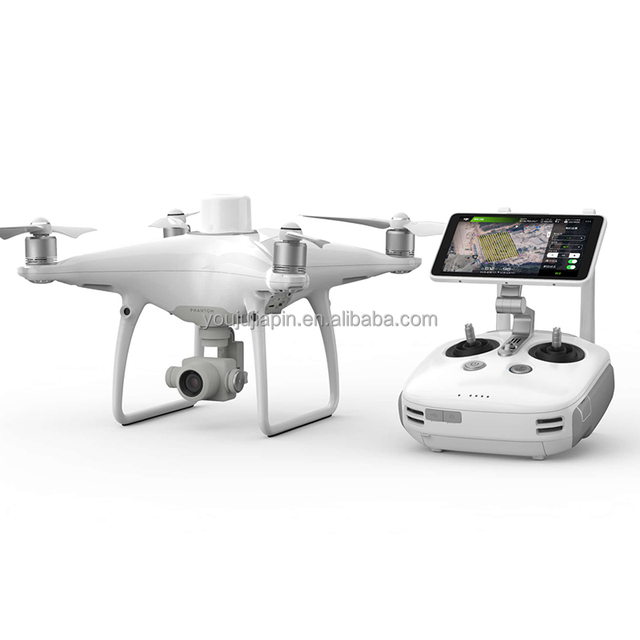
Professional Drone Long Flight Time Phantom 4 RTK for Mapping Industry Survey Measure Long Range Drone with 4k Camera
 Shenzhen You Ju Jia Pin International Development Co., Ltd.🇨🇳CN6 yrs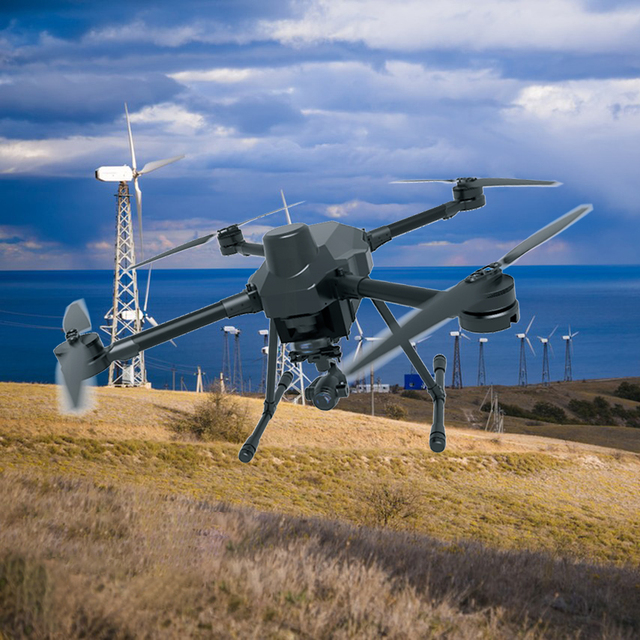
R40 Payload 3kg Long Range Mapping and Inspection Drone for Power Line Inspection,Mapping,Aerial Photography Megaphone Drone
 Shandong Xiwa Electromechanical Equipment Co., Ltd.🇨🇳CN5 yrs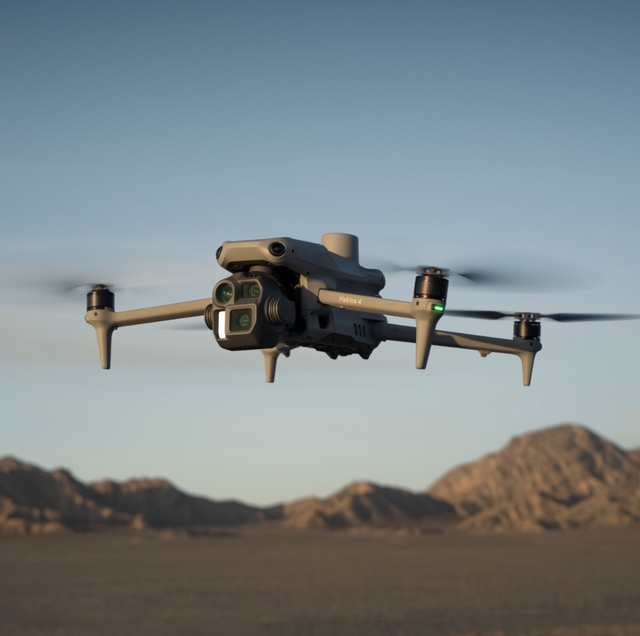
Original Matrice 4E Clear Vision and Stable Images High-Efficiency Precision Mapping Drone
 Shenzhen Junma Technology Trade Co., Ltd.🇨🇳CN9 yrs
Deep Dive · Full Report
Full Market Report
1 document · Live-fetched from source
Related Searches
Explore more sourcing topics & related categories
Sources & References
17 sources cited · Verified industry data & reports
Top 10 Long Range Drone with Camera for 2026 - Moneypro Group
www.moneyprouav.com
As we step into 2026, the demand for a reliable long range drone with camera capabilities has surged across industries ranging from cinematography and agriculture to industrial inspection and border security. Modern pilots no longer settle for a few hundred meters; they demand kilometers of stable transmission, extended battery life, and crystal-clear imaging. Finding the perfect drone that balances flight distance with image quality can be daunting. The market is flooded with options, but only a select few truly deliver on the promise of “long range.” This comprehensive guide analyzes the top performers of the year, categorizing them by their intended use—whether for professional enterprise applications or high-end consumer photography. In the context of 2026, a long range drone with camera is generally defined by its ability to maintain a stable video transmission and control link over distances exceeding 10 kilometers (6.2 miles) for consumer models, and upwards of 50 to 100 kilometers for industrial fixed-wing units. For organizations requiring a long range drone with camera that can operate in hostile environments or carry heavy sensor payloads, ChinaMoneypro’s defense-grade engineering provides a reliability edge that standard plastic consumer drones cannot match. Their Fiber Optic FPV systems, in particular, offer a unique solution for non-line-of-sight operations where radio frequency interference is a major concern. For the vast majority of professional photographers and videographers, the DJI Mavic series remains the gold standard. The Mavic 3 Pro, and its 2026 successor, the Mavic 4 Pro, define the “prosumer” long-range category. If the signal is lost, the drone automatically ascends to a preset altitude and flies back to its takeoff point. However, this relies on having enough battery power to make the return trip. Q: Does 4G/5G connectivity replace radio transmission?A: It typically acts as a complement. Radio transmission offers low latency for precise control, while 4G/5G offers unlimited range for video monitoring and telemetry. Hybrid systems are becoming the standard for 2026 enterprise drones.
Best Long Range Drones 2026 (15-200km): Expert Tested & Review - JOUAV
www.jouav.com
While this technology offers the potential for expanded flight distances, real-world conditions can impact performance. During my tests in a light urban area with mild winds, the video quality began to decline around 11 miles, and the connection was completely lost at 15.3 miles. Reconnecting required restarting the app, highlighting some limitations in the drone's range. Despite these challenges, the Anafi AI’s 4G connectivity allows for reliable control beyond typical range limits. The camera system stands out with its 48MP resolution, 4K HDR video, and a versatile gimbal that can tilt from -90° to +90°, making it ideal for capturing unique angles like the underside of bridges. The quad-antenna transceiver system on both the drone and remote control intelligently selects the best antennas for signal transmission, enhancing anti-interference and stability. The Matrice 350 RTK can be fitted with the Zenmuse H20 camera system, which includes a 20 MP zoom camera, a 12 MP wide-angle camera, and a laser rangefinder with a 1200-meter range. This setup allows for high-quality photos and videos from a safe distance. Let's face it, the JOUAV CW-30E is a pricey piece of kit. But if you're in the market for a drone that can truly go the distance, this might be your best bet. Fixed-Wing Drones: For long-range applications like large-area mapping and surveying, fixed-wing drones are ideal. They can cover distances up to 100 kilometers, offering efficient coverage of vast territories.
Drone Market Size, Share & Growth Report, 2026-2033
www.grandviewresearch.com
Size, Share & Trends Analysis Report By Component (Hardware, Software, Services), By Product, By Technology, By Payload Capacity, By Power Source, By End-use, By Region, And Segment Forecasts ... The global drone market size was valued at USD 83.8 billion in 2025 and is projected to grow from USD 96.4 billion in 2026 to USD 182.4 billion by 2033, at a CAGR of 9.5% from 2026 to 2033. This report forecasts revenue growth at global, regional, and country levels and provides an analysis of the latest technology trends in each of the sub-segments from 2021 to 2033. For this study, Grand View Research has segmented the global drone market report based on component, product, technology, payload capacity, power source, end use, and region: Component Outlook (Revenue, USD Million, 2021 - 2033) ... The global drone market size was valued at USD 83.8 billion in 2025 and is estimated at USD 96.4 billion for 2026. Rising security concerns and the need to protect critical infrastructure, public events, and borders are encouraging governments, law enforcement agencies, and private organizations to deploy drones equipped with high-resolution cameras, thermal imaging sensors, and real-time video streaming capabilities. The growing use in industrial inspections, disaster response, and traffic monitoring is further supporting the dominance of the remotely operated segment in the drone industry. The fully autonomous segment is expected to experience the fastest growth from 2026 to 2033. The hybrid segment is projected to experience the fastest growth from 2026 to 2033. The growth is attributed to the increasing need for drones that offer both long-endurance flight and vertical take-off and landing (VTOL) capabilities. Hybrid drones combine the advantages of fixed-wing efficiency with multi-rotor flexibility, making them ideal for long-range surveillance, mapping, and logistics applications.
The best camera drones of 2026 - The Drone Girl
www.thedronegirl.com
When it comes to our picks for the best drones for photographers in 2026, DJI dominates the landscape. But consumers must know DJI is the best and have validated our findings with their dollars. Here’s proof: Across the entire drone industry, DJI has a 54% market share, according to the DroneAnalyst Drone Market Sector Report. That accounts for commercial drones too. As far as the hobby side, DJI has a whopping 94% market share. But while this list is dominated by DJI, there’s actually tons of variety for all types of photographers. Find the best drones of 2026 for you, on any budget: The DJI Mavic 4 Pro is the best drone for serious photographers and videographers in 2026, and it’s a meaningful step up from the Mavic 3 Pro that previously held this spot. The camera system is the headline, offering a 100MP Hasselblad wide-angle lens capable of 6K/60fps HDR video, a 48MP medium tele for portraits, and a 50MP tele for long-range shots — all three supporting 4K slow motion. Antigravity is backed by Insta360, the company that dominates the 360 camera market. That pedigree shows. The A1 is built around dual 1/1.28-inch sensors capable of recording 8K at 30fps, 5.2K at 60fps, or 4K at 100fps — all in full 360 degrees. The entire concept is “fly first, frame later.” You capture everything around the drone, then choose your perspective in post-production. For content creators who want maximum flexibility, this is a game-changer. You’re no longer locked into one framing decision during flight.
Drone Camera Market Size, Share, Trends, Report 2026-2035
www.gminsights.com
The global drone camera market was valued at USD 13.6 billion in 2025 with a volume of 7.4 million units. The market is expected to grow from USD 15.5 billion in 2026 to USD 30.8 billion in 2031 & USD 55.7 billion in 2035 with a volume of 19.8 million units, at a CAGR of 15.3% during the forecast period according to the latest report published by Global Market Insights Inc. The market was valued at USD 13.6 billion in 2025, with a volume of 7.4 million units, driven by increasing demand for high-resolution aerial imaging across industries such as infrastructure, surveillance, and media. What is the current size of the drone camera industry in 2026? The market is projected to reach USD 15.5 billion in 2026, supported by growing adoption in precision agriculture, industrial inspection, and AI-enabled imaging technologies. What is the projected value of the drone camera market by 2035? The market is expected to reach USD 55.7 billion by 2035, growing at a CAGR of 15.3% from 2026 to 2035 due to rising demand for aerial data, automation, and advanced imaging solutions. Which payload configuration segment dominates the drone camera market?
Drone Camera Market Size, Share And Future Trends, 2034
www.fortunebusinessinsights.com
The global drone camera market size was valued at USD 12.65 billion in 2025 and is projected to grow from USD 14.87 billion in 2026 to USD 54.38 billion by 2034, exhibiting a CAGR of 17.60% during the forecast period. North America dominated the Drone camera market with a 34.39% market share in 2025. Technological advancements and early adoption of high-resolution cameras reinforce regional drone camera market share and sustained market growth. Based on North America’s strong contribution and the U.S. dominance within the region, the U.S. market can be analytically approximated at around USD 3.24 billion in 2026, accounting for roughly 17.42% CAGR. Continuous technological advancements and favorable regulatory policies contribute to steady drone camera market growth and increasing market size. Europe is projected to record a steady growth rate during the forecast period of 18.07%, which is the second highest among all regions, and reach a valuation of USD 3.27 billion by 2026. The region emphasizes data privacy and compliance, shaping deployment strategies. Overall, Europe maintains a balanced drone camera market growth trajectory. The U.K. market in 2026 is estimated at around USD 0.72 billion, representing roughly 17.89% CAGR during the study period.