Memory Card Packing

Overview
Product sourcing insights & recommendations


Market Overview & Technical Synergy
The global memory packaging market is experiencing robust, structurally driven growth. It is projected to reach approximately USD 34.76 billion to USD 36.90 billion in 2026, advancing rapidly to over USD 57.70 billion by 2033 ResearchandmarketsCoherentmarketinsights. This trajectory is intrinsically linked to the evolution of the memory card market itself, which is scaling aggressively via SD Express technology and SDUC (SD Ultra Capacity) formats capable of managing 2TB to 128TB workloads Sdcard.
As memory cards transition toward SSD-class speeds (up to 4GB/s) to feed Edge AI, 8K handheld recording, and next-generation gaming platforms (such as the microSD Express integration expected in emerging gaming hardware), retail packaging has moved beyond a simple containment layer Sdcard. It is now a critical interface managing consumer trust, environmental compliance, and high-value security.
---
Core Product Trends in 'Memory Card Packing'
#### 1. The Plastic-to-Paper Sustainable Shift
The dominant trend reshaping retail memory card packaging is the transition from multi-material formats (plastic thermoformed blisters glued to paperboard) to 100% mono-material plastic-free cardboard structures IntegralmemorySprout. Leading industry brands are pioneering retail packaging crafted completely from Forest Stewardship Council (FSC) certified boards IntegralmemoryPg.
* Universal Tray Geometry: Instead of molding unique plastic nests for every capacity or interface variation, companies are engineering internal cardboard support trays built as "universal shapes" Integralmemory. This streamlines production lines, drives down tool development costs, and yields entirely recyclable retail trash profiles Integralmemory.
* Lightweight Luxury & Tactility: To replace the traditional "clear plastic viewing window," manufacturers are deploying industrial minimalism and high-end printing CentexprintingZenpack. Micro-embossing, structural debossing, and premium matte card stock are used to communicate premium technology quality visually and texturally Westrock.
#### 2. The Commercial Standard: Blister Pack Dominance
Despite the surge in paper-based alternatives, the traditional Blister Card Packing remains the standard commercial baseline on retail pegboards. B2B market availability reveals a dual-stream landscape:
* Traditional Blister Cards: Standard setups pair a printed hanging card stock with a clear thermoformed plastic (PVC or PET) slide clamshell or heat-sealed cover AlibabaAlibaba. These units are ultra-economical, trading at $0.05 to $0.20 per piece, often with low entry MOQs of 100 units AlibabaAlibaba.
* Anti-Theft Engineering: Because flash memory card sizes are miniscule relative to their cost (up to multi-hundred dollar high-capacity cards), commercial retail packaging focuses heavily on footprint amplification—making the external blister package large enough to deter shoplifting while offering robust physical shock absorption.
#### 3. Customized Sourcing Reality
Direct off-the-shelf B2B products optimized exclusively for eco-cardboard SD card housings are scarce in stock inventories, indicating a highly customized sector. Sourcing data shows that brands do not buy ready-made paper boxes; instead, they secure contract manufacturing partnerships with OEM/ODM Cardboard Packaging Specialists AlibabaAlibaba.
These specialist packaging suppliers offer completely tailored product configurations:
* Bespoke Interiors: Utilizing custom-cut sponge inserts, EVA foam grids, or precision-stamped inner paper folders optimized for payment chips, SIM cards, or standard camera SD/TF card shapes AlibabaAlibaba.
* Premium Finishing Options: Integration of structural magnetic closures, specialized UV foil stamping, and multi-flute rigid corrugated designs to create a high-security unboxing experience AlibabaAlibaba.
---
Key Strategic Insights for B2B Sourcing
- 1Compliance Risks Drive Material Choices: European and select North American target retail spaces are penalizing mixed-material packaging due to processing frictions in standard circular waste facilities SproutZenpack. Shifting toward a mono-material cardboard profile is no longer a purely marketing-driven choice; it protects a brand from regulatory shelf-exclusion.
- 2Standardization Saves Margins: When moving to custom cardboard execution, follow the market standard of developing a singular, uniform external shell footprint combined with a dynamic structural internal insert. This allows a single packaging inventory linesheet to adapt fluidly to multiple device SKUs (SD, microSD, readers) without duplicating die-cutting plate tooling costs.
- 3Pegboard vs. Online Optimization: Traditional brick-and-mortar lines require large-surface blister cards to catch eyes and deter theft Alibaba. Conversely, direct-to-consumer (DTC) or e-commerce memory card models are heavily optimizing for "Frustration-Free Packaging"—compact, flat corrugated mailer slips that slash dimensional weight shipping rates while maintaining technical drop protection.
Discover how memory card packaging developments affect your specific business needs. You can choose to:
Sd Card Cardboard Packaging Box
Products · 2 lists
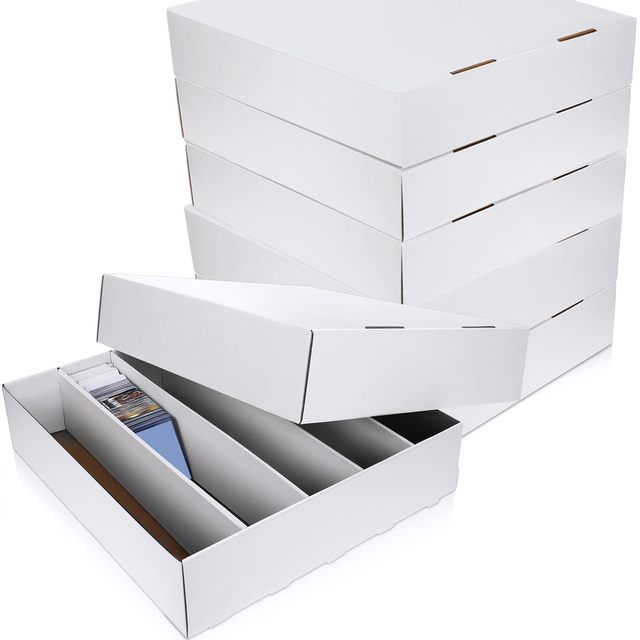
Luxury Custom Corrugated Cardboard Paper Box Premium Packaging for Trading Card Storage Playing Card Deck Game Board Packaging
 Dongguan Shidai Paper Co., Ltd.🇨🇳CN3 yrs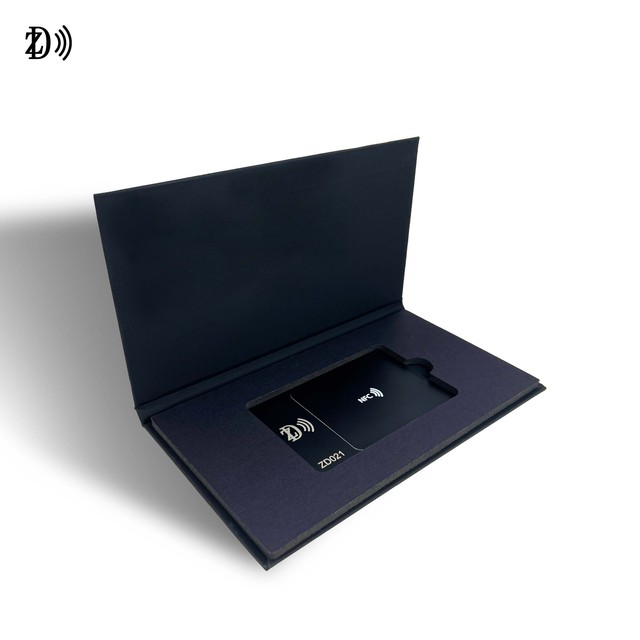
Custom NFC Business Card Boxes Vip Credit Metal Card Packaging Box
 Shenzhen Zd Technology Co., Ltd.verified🇨🇳CN12 yrs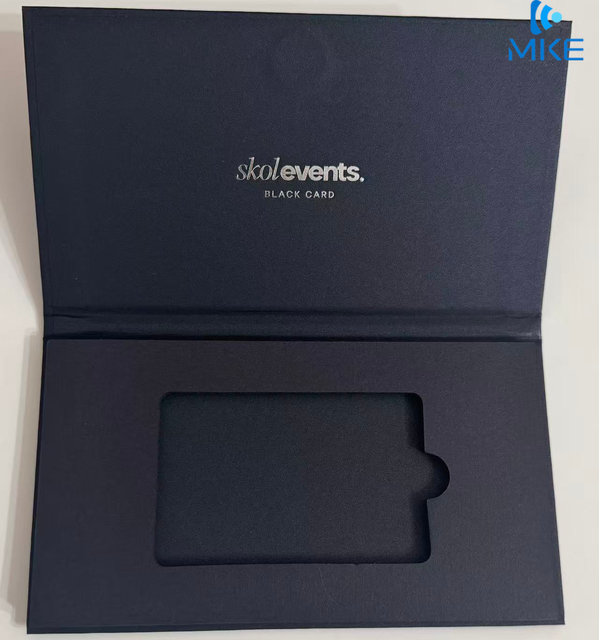
Business Credit Card Recyclable Cardboard Packaging Boxes
 Shanghai Mke Co., Ltd.🇨🇳CN4 yrs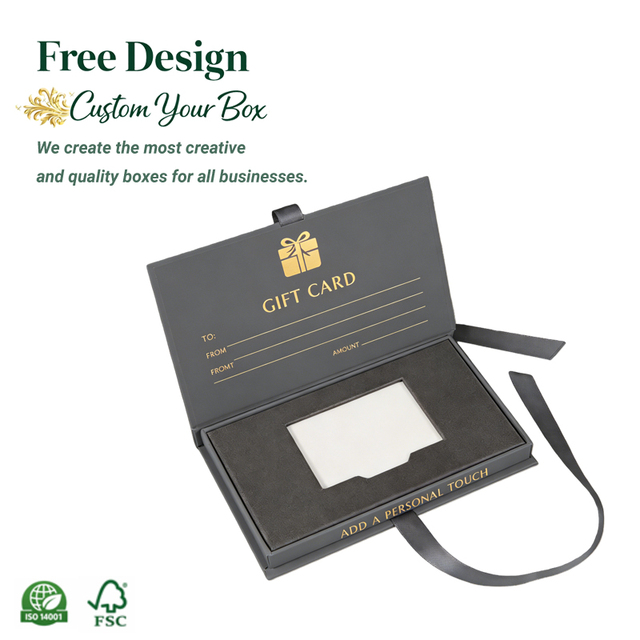
Custom Waterproof Cardboard Credit Card Case Packaging Box with Sponge for Payment Card EMV Chip UV Foil Stamping
 Enping City Xinhua Packaging Co., Ltd.verified🇨🇳CN1 yr
Board Printing Credit Card Packaging Box
 Shenzhen YuLong Packaging Products Co., Ltd.🇨🇳CN8 yrs
Board Printing Credit Card Packaging Box
Related Searches
Explore more sourcing topics & related categories
Sources & References
25 sources cited · Verified industry data & reports
Memory Packaging Market Trends, Share & Forecast, 2026 ...
Coherent Market Insights
The Memory Packaging Market is estimated to be valued at USD 34.76 Bn in 2026, and is expected to reach USD 57.70 Bn by 2033. What is the CAGR ...
State of Memory Technology and Trends to Watch in 2026
SD Association
The SD Express memory card reader market is projected to grow 7.8% from 2025 to 2033, expected to reach $3.07 billion. As SD Express is ...

Memory Cards Market Insights & Trends - ReAnIn
reanin.com
Memory Cards Market was valued at USD 1,200.18 million in the year 2025. The size of this market is expected to increase to USD 946.66 million by the year 2032, ...

A Close Examination of SD Memory Cards Market Size and ...
The global SD Memory Cards market is projected to experience an annual growth rate of 13.3% from 2026 to 2033. The Global Market Overview of the ...

SD Memory Cards Market Size, Share & Analysis 2035 ...
Market Growth Reports
The global SD Memory Cards Market size valued at USD 17800.15 million in 2025. The market is projected to be worth USD 18494.36 million in 2026 ...

TOP 20 MEMORY CARD MARKETING STATISTICS 2026 ...
Amra & Elma
Starting at USD 10.5 billion in 2024, the market will grow to USD 21.6 billion by 2034. A CAGR of 7.5% highlights strong adoption across ...