Micro Led Light For Desk

Overview
Product sourcing insights & recommendations
The market for micro LED desk lights is characterized by a rapid shift toward high-performance, energy-efficient, and tech-integrated solutions. The global micro LED market is projected to reach approximately $1924.5 million by 2026, growing at a staggering CAGR of over 77% Grandviewresearch. This growth is driven by the technology's ability to offer 30% higher brightness and 40% lower power consumption compared to traditional OLED or LED options Marketgrowthreports.
Key Market Insights & Trends
* Technological Shift: While current production costs remain roughly 70% higher than standard LEDs due to mass-transfer complexities, the industry is moving toward monolithic integration to achieve 30% efficiency gains by 2026 Marketgrowthreports.
* Human-Centric Design: Consumers are increasingly prioritizing well-being and eye care. Popular features include stepless dimming and adjustable color temperatures (ranging from 2800K to 5000K) to align with circadian rhythms GrandviewresearchHoneywellsmartlighting.
* Smart Integration: Beyond basic lighting, modern desk lamps now serve as multi-functional hubs, incorporating wireless charging, USB ports, and smart home compatibility (Alexa/Google Assistant) GminsightsNymag.
* Portability & Aesthetics: Minimalist, flexible, and cordless designs are surging in popularity, particularly for flexible home office setups. Compact "micro" models that offer 24-hour battery life via USB charging are favored for their small footprint NymagBusinessinsider.
Available Product Options
Sourcing data highlights a variety of micro and mini LED desk solutions, ranging from budget-friendly task lights to advanced multi-functional lamps.
* Atmosphere & Precision: Models like the sunset atmosphere light offer touch control and rechargeable portability Alibaba.
* Professional Task Lighting: Flexible clip-on lamps with micro-USB charging provide high utility for tight spaces Alibaba.
* Ultra-Portable: Micro USB-powered LED sticks offer a minimalist solution for power-bank or laptop-based lighting Alibaba.
Detailed specifications, pricing, and supplier information for these products can be found in the attached files.
Based on these trends, you can continue with:
Micro Led Desk Light Adjustable Brightness Color Temperature
Products · 3 lists
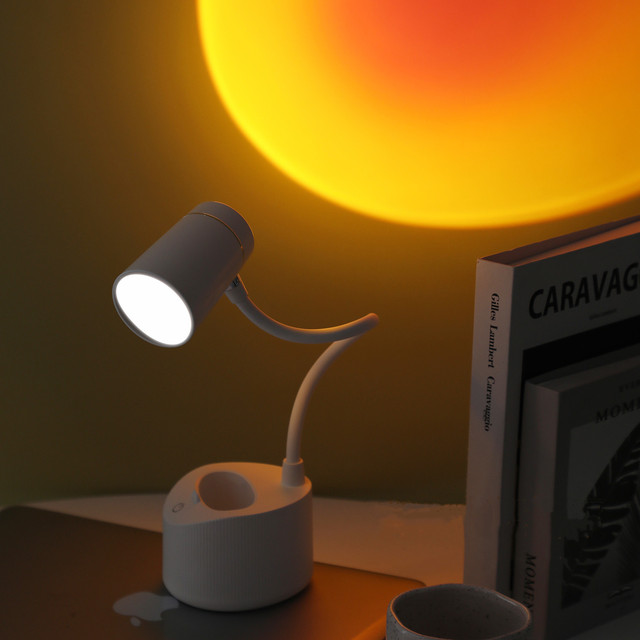
2000mAh Battery Rechargeable Sunset Atmosphere Light Portable Home Office Table Light Led Multi-function Touch Desk Lamp
 Shenzhen Lead-Van Electronic Limited🇨🇳CN13 yrs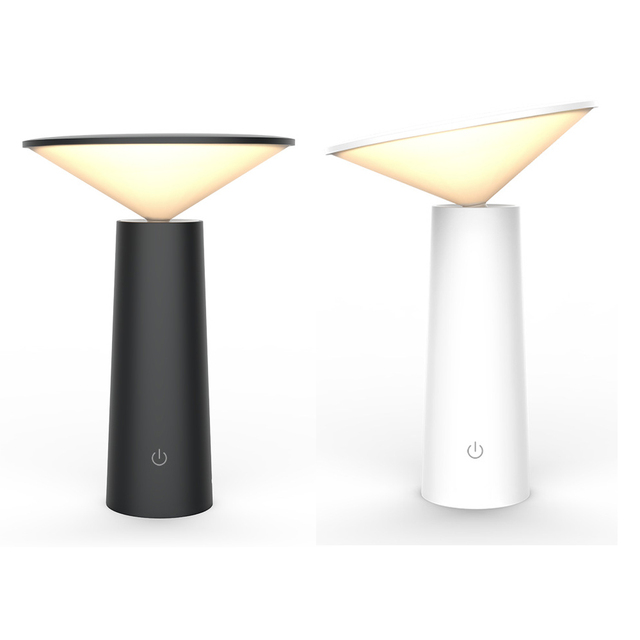
Modern Rechargeable LED Desk Lamp Adjustable Color Temperature Brightness Mini Night Light Feature Simple Dome Lithium Battery
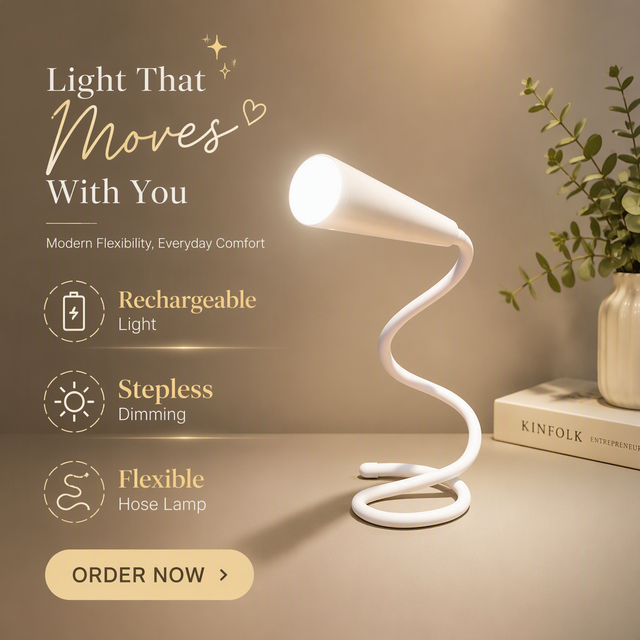
Creative Portable Office Lamps Cordless Desk Rechargeable Light Mini Small Room Study Rgb Adjustable Desk Lamp for Living Room
 Dongguan Sunshine Electronic Technology Co., Ltd.verified🇨🇳CN8 yrs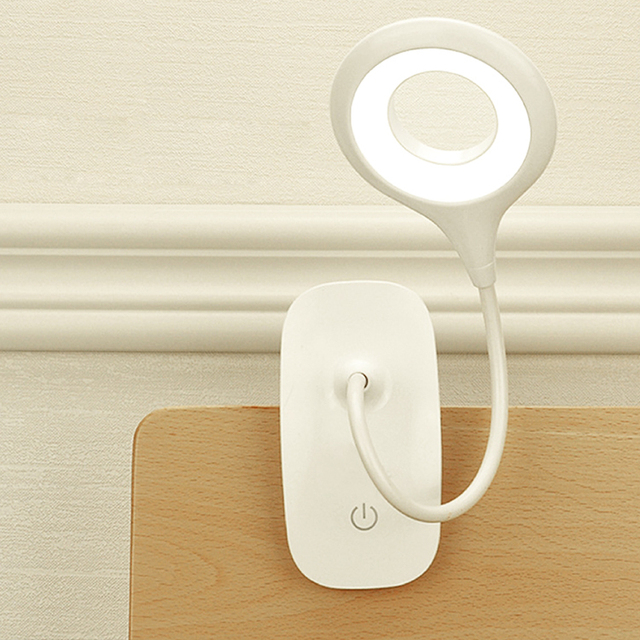
Small and Adjustable Brightness Office Desk Table Lamp Led Blue-light Blocking Computer Gaming Book Light for Reading in Bed
 Shenzhen CSX Electric Technology Co., Ltd.🇨🇳CN6 yrs
Related Searches
Explore more sourcing topics & related categories
Sources & References
27 sources cited · Verified industry data & reports
Micro LED Market Size, Share & Trends Report, 2024-2030
www.grandviewresearch.com
Size, Share, & Trends Analysis Report By Application (Display, Lighting), By Display Pixel Density (Less Than 3000ppi, Greater Than 5000ppi), By End Use, By Region, And Segment Forecasts ... The global micro LED market size was valued at USD 623.6 million in 2023 and is projected to grow from USD 1,924.5 million in 2026 to USD 25,650.7 million by 2030, at a CAGR of 77.4% from 2024 to 2030. The global micro LED market size was valued at USD 623.6 million in 2023 and is estimated at USD 1,924.5 million for 2026. ... The global micro LED market is expected to grow at a CAGR of 77.4% from 2024 to 2030, reaching USD 25,650.7 million by 2030. ... North America dominated with a 78.0% revenue share in 2023. ... Some key players operating in the global micro LED market include AUO Corporation, Cree LED, Cincoze Co., Ltd., Cooledge Lighting Inc., eLux, Inc., Europa Science Ltd, Innolux Corporation, KYOCERA Corporation, LEYARD, LG Electronics., Samsung Electronics Co., Ltd.,Sony Corporation, Unilumin, VueReaL, and OSRAM GmbH. The micro LED market in the U.S. is anticipated to grow at a significant CAGR of 76.7% from 2024 to 2030. The growth of the market can be attributed to the rising demand for bright, power-efficient display panels for wearable devices, such as Head-Mounted Displays (HMDs) and smartwatches. The policies being pursued by the U.S. government to encourage the adoption of energy-efficient lighting solutions, such as micro LED lighting, also bode well for the growth of the market. These policies establishing minimum energy efficiency standards for lighting products are designed to encourage consumers to prefer energy-efficient lighting over relatively inefficient lighting technologies. The micro LED market in Asia Pacific is anticipated to grow at a significant CAGR of 75.4%from 2024 to 2030.
Micro-LED Market Size | 2026-2035 Forecast Report
www.gminsights.com
The features of this system improve device functionality, yet they consume less power, which leads manufacturers to adopt the system in their products. The demand for electronic devices that combine light weight with high performance continues to increase, which drives the rapid adoption of micro-LED display technology. For Instance, in March 2024, Apple Inc. The demand for micro-LED technology will increase steadily as consumers increasingly prefer high-resolution and immersive viewing experiences. For instance, in January 2024, Samsung Electronics showcased its latest modular Micro-LED display innovations at CES, focusing on improved brightness, scalability, and seamless integration for premium home entertainment systems. The U.S. micro LED market was valued at USD 42.3 million and USD 92.3 million in 2022 and 2023, respectively. The market size reached USD 329.1 million in 2025, growing from USD 206.2 million in 2024. This report draws on a structured research process built around direct industry conversations, proprietary modelling, and rigorous cross-validation and not just desk research. At GMI, our research methodology is built on a foundation of human expertise, rigorous validation, and complete transparency. Every insight, trend analysis, and forecast in our reports is developed by experienced analysts who understand the nuances of your market.
Micro-LED Market: Trends, Growth & Key Insights 2024
www.snsinsider.com
The Micro-LED (Light-Emitting Diode) Market Size was valued at USD 1.91 billion in 2023 and is expected to reach USD 388.4 billion by 2032 and grow at a CAGR of 80.5% over the forecast period 2024-2032. Secondary Research or Desk Research is as the name suggests is a research process wherein, we collect data through the readily available information. In this process we use various paid and unpaid databases which our team has access to and gather data through the same. When compared to halogen or incandescent bulbs, LED lighting helps to save money by reducing energy consumption by roughly 80%. They also include lifespan, high light quality, and endurance, making them useful in industries and living spaces such as modular lighting, work illumination, under-cabinet lighting, refrigerated case lighting, and recessed lamps. A micro-light emitting diode (LED) display is a screen with an array of small LEDs of various colours. It is made of gallium nitride, which allows the scattering of red, green, and blue (RGB) LED lights to shine brighter for a longer amount of time. It's brighter, has higher wavelength uniformity, very high definition UHD picture quality and more saturation of colors.
Mini LED Market Size, Share | Forecast Report [2033]
www.skyquestt.com
Mini LED Market size was valued at USD 1106.64 Million in 2024 and is poised to grow from USD 1609.05 Million in 2025 to USD 32142.97 Million by 2033, growing at a CAGR of 45.4% during the forecast period (2026–2033). Major consumer electronics companies including LG, Samsung, AUO, and others aim to release goods with micro LED technology, which is quickly gaining interest in the electronics market. The small LED backlight technology has been introduced by AUO in a number of displays that span a range of gaming devices, from huge desktop and laptop monitors to laptops, as well as high-end products like VR headsets and intelligent automobiles. SkyQuest's ABIRAW (Advanced Business Intelligence, Research & Analysis Wing) is our Business Information Services team that Collects, Collates, Co-relates, and Analyses the Data collected utilizing Primary Exploratory Research backed by the robust Secondary Desk research. To get a free trial access to our platform which is a one stop solution for all your data requirements for quicker decision making. This platform allows you to compare markets, competitors who are prominent in the market, and mega trends that are influencing the dynamics in the market.
Micro LED Market Size, Competitors, Trends & Forecast Report
www.researchandmarkets.com
Copyright © 2002-2026 Research and Markets. January 2024 - Innolux Corp (Innolux) introduced the world’s first 53-inch QD color conversion AM-Micro LED seamless tiling displays that can be used to assemble displays of any size using seamless tiling module technology. This technology can meet the growing market demand for high-quality, ultra-wide, and ultra-tall displays measuring 110-200 inches in size.
Micro LED Market Size to Hit USD 195.31 Billion by 2034
www.precedenceresearch.com
The global micro LED market size is calculated at USD 1.84 billion in 2025 and is predicted to increase from USD 3.22 billion in 2026 to approximately USD 195.31 billion by 2034, expanding at a CAGR of 68.64% from 2025 to 2034. In terms of revenue, the global micro LED market was valued at USD 1.05 billion in 2024. The display segment held the largest market share in 2024. In the micro LED market, the display segment primarily refers to the integration of micro LED technology into various devices such as smartphones, TVs, smartwatches, and AR/VR devices. The trend in this segment involves a growing demand for high-quality displays with vibrant colors, high resolutions, and energy efficiency. These trends align with the growing demand for energy-efficient lighting solutions across industries, driving the adoption of micro LED technology for lighting applications. The consumer electronics segment held the largest share in 2024.The consumer electronics segment in the micro LED market includes devices like smartphones, smartwatches, and TVs. In October 2024, ABB Robotics collaborated with Molg to create robotic microfactories for data center server disassembly and component recovery. The collaboration aims to tackle electronic waste production, expected to increase up to 75 million tons by 2030.