Microelectrode

Overview
Product sourcing insights & recommendations


The global microelectrode and microelectrode array (MEA) market is entering a high-growth phase, projected to reach USD 1.47 billion by 2026 with an 8.9% CAGR Towardshealthcare. Market trends show a clear shift from traditional planar electrodes to flexible, high-density, and 3D-integrated systems to support advanced neuroprosthetics and drug discovery StrategicmarketresearchSciencedirect.
Market Trends & Insights (2025–2026)
* High-Density CMOS Dominance: CMOS-based arrays are becoming the standard for neural mapping, enabling thousands of recording sites on a single chip to provide high spatial resolution Strategicmarketresearch.
* Flexible In-Vivo Probes: Innovations in polymer-based (e.g., Polyimide) flexible probes are reducing tissue inflammation and extending the functional lifespan of Brain-Computer Interface (BCI) implants Towardshealthcare.
* 3D Organoid Integration: New "Kirigami" and mesh-type sensors are allowing researchers to record signals from within the internal structures of 3D cell models rather than just the surface Towardshealthcare.
* Regional Growth: North America currently leads the market (~40% share), while the Asia-Pacific region is the fastest-growing due to biotech expansion in China and India Towardshealthcare.
Commercial Product Opportunities
Commercial availability reflects these trends, with specialized offerings for electrophysiology and biosensing:
* Flexible Probes: Options include polyimide-based MEAs for in-vivo cardiac and neural research, starting around $2,900/set.
* In-Vitro Plates: Compact epoxy-substrate arrays for multi-site signal mapping are available for high-throughput screening at approximately $200/set.
* Advanced Mapping Tools: Specialized pen-type microelectrode arrays for complex heart studies are priced at $8,600/set.
Microelectrode Array Plate For Cell Culture
Products · 4 lists
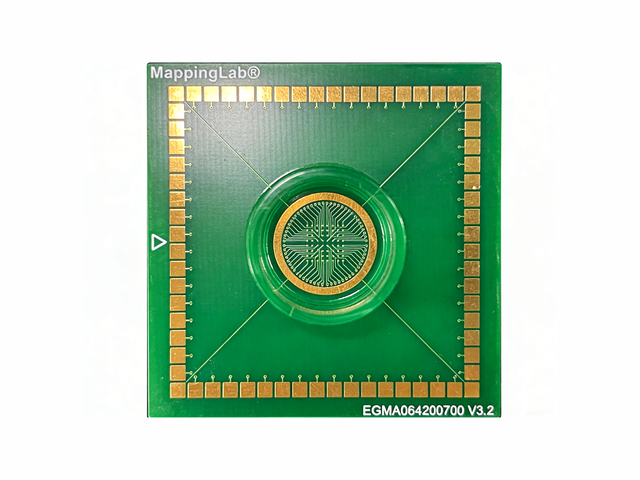
Epoxy Substrate MEA Electrode with Compact Microelectrode Array for Multi-Site in Vitro Signal Mapping
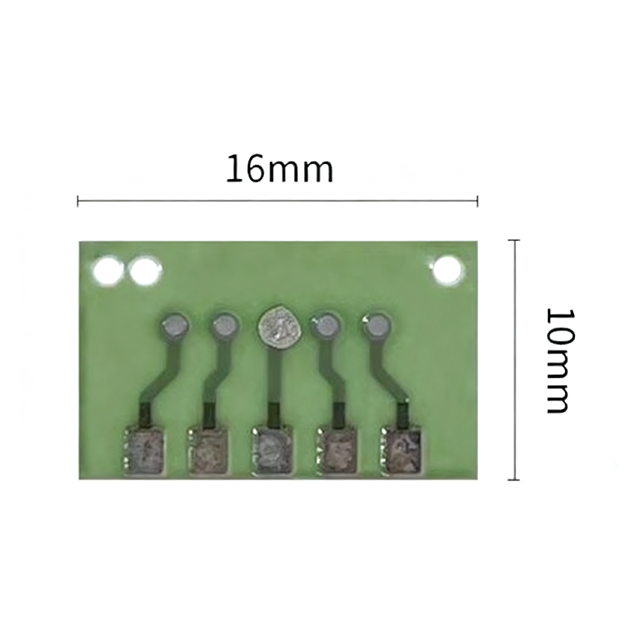
Chemical and Biological Molecular Sensor for Blood Gas Analysis Using Ceramic Five-micro Electrode Array
Ceramic Five-Microelectrode Array Electrochemical Biosensor for Blood Gas Analysis
 Henan Mingguan Scientific Instruments Co., Ltd.🇨🇳CN4 yrs
Related Searches
Explore more sourcing topics & related categories
Sources & References
22 sources cited · Verified industry data & reports
Micro Electrode Array Market: Global Market Insights and ...
The Micro Electrode Array (MEA) market is segmented into three primary types: Classical MEA, Multiwell MEA, and CMOS-MEA.
Micro Electrode Array Market Size, Trends & Forecast To ...
Business Research Insights
The report evaluates different product categories, including Classical MEA, Multiwell-MEA, and CMOS-MEA technologies,

Microelectrode Arrays Technology for Brain-on-a-Chip ...
MDPI
Two primary classes of current MEA technologies, including planar arrays for 2D neural cultures and 3D flexible CMOS and TFT-based arrays,

Microelectrode Array In Vitro Market By Device Type (Multi- ...
Strategic Market Research
The Global Microelectrode Array In Vitro Market was raised from USD 120 million in 2025 to USD 216 million by 2032, growing at a CAGR of 8.75%, as per SMR.

Microelectrode Array
Axion Biosystems
Microelectrode arrays are compatible with many types of electrically active cells such as cardiomyocytes, neurons, retinal cells, and muscle cells.

Microelectrode - an overview
ScienceDirect.com
Microelectrodes are basically of four types: glass micropipettes, ion-selective microelectrodes, solid-state microelectrodes, and enzyme microelectrodes (Figure ...