Mini Port

Overview
Product sourcing insights & recommendations
The term "mini port" typically refers to a specialized group of miniaturized interface standards—primarily Mini DisplayPort (mDP), Mini HDMI, and Mini USB—designed for compact electronics. By 2026, the market for these ports is bifurcated between specialized professional persistence and broad consumer obsolescence driven by the universal adoption of USB-C.
Technical Landscape & Market Status
The "mini" ecosystem is currently transitioning into a legacy phase as USB-C subsumes video, data, and power functions.
* Mini DisplayPort (mDP): A 20-pin rectangular connector originally popularized by Apple. While it supports up to 4K @ 60Hz WikipediaConversionstech, it is now considered a legacy standard. Current demand is driven by users maintaining older "pro" equipment and multi-monitor workstations MonopriceVcom.
* Mini HDMI (Type-C): Measuring 10.42 mm × 2.42 mm, it retains the full 19-pin capability of standard HDMI Acemagic. It remains active in specialized niches, particularly professional photography (DSLRs) and portable monitors, where it is preferred for its dedicated video performance Conversionstech.
* Mini USB (Mini-B): An older 5-pin standard largely replaced by Micro-USB and now USB-C. It is strictly a legacy/vintage port, appearing primarily in industrial barcode scanners, older GPS units, and legacy digital cameras VtechinsiderMemorysuppliers.
2026 Market Trends & Insights
Market data indicates a steady decline in native port integration, replaced by a robust market for adapters and specialized cables.
* Consolidation under USB-C: By 2026, most consumer tablets and laptops will have abandoned "mini" ports entirely in favor of USB-C with DisplayPort Alt Mode ConversionstechCabletimetech.
* Search Volume Stability: Despite being legacy tech, "Mini DisplayPort to HDMI" adapters maintain significant search volume (approx. 2,036 weekly searches in early 2026), reflecting a massive installed base of hardware needing connectivity solutions Asinsight.
* Industrial & Pro-AV Persistence: Professional AV environments continue to use these ports due to the long lifecycle of enterprise hardware Monoprice.
Sourcing & Procurement Data
The following catalogs provide detailed pricing and supplier information for the most relevant "mini port" connectivity products currently in demand.
Based on these trends, would you like to explore:
Mini Displayport To Hdmi Adapter 4k
Products · 3 lists
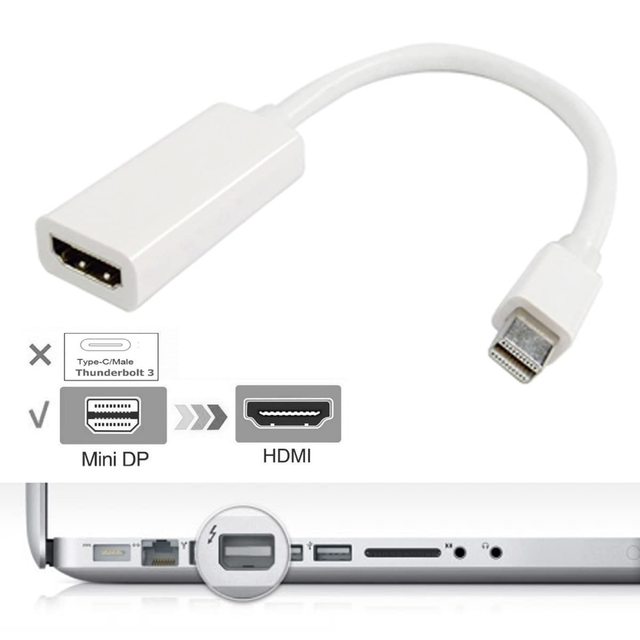
SYONG Mini DisplayPort to HDMI Converter Cable,4K30Hz Mini DP Male to HDMI Female Converter with Audio Video for PC,Monitor
 Guangzhou Syong Technology Co., Ltd.verified🇨🇳CN3 yrs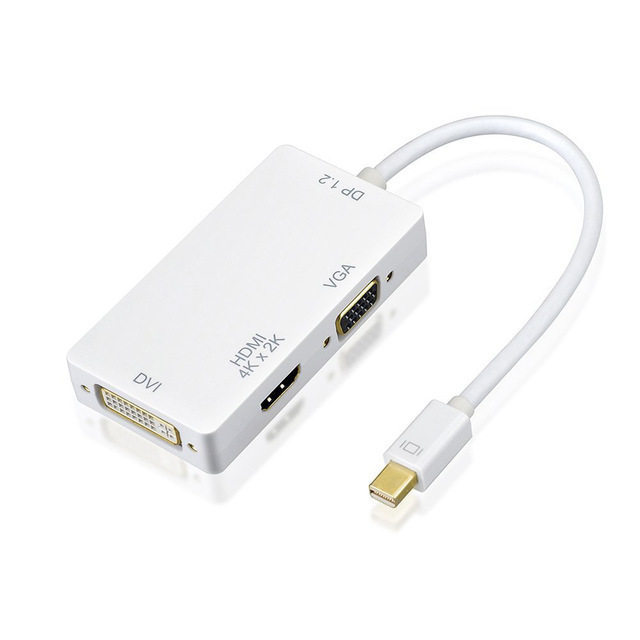
Mini DisplayPort to HDTV VGA DVI Adapter for iMac MacBook Pro Mac Mini Triple Monitor Output Connection 3 in 1 Docking Station
 Shenzhen Ucanjoin Electronic And Technology Co., Ltd.🇨🇳CN1 yr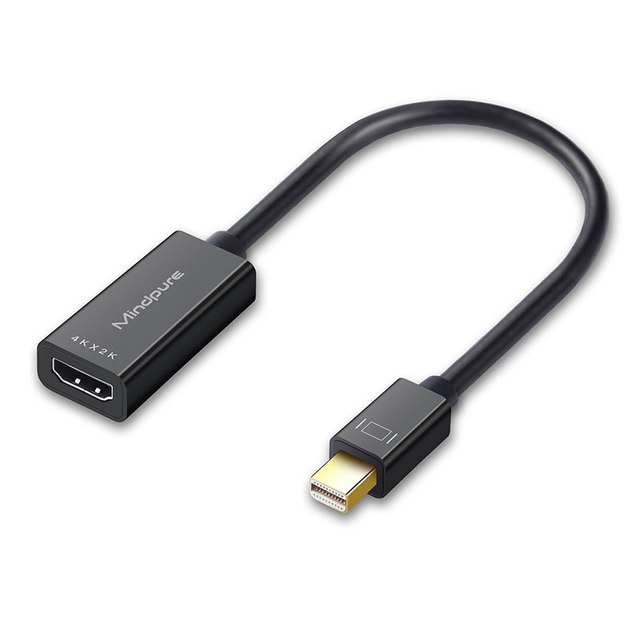
Mindpure Mini DisplayPort to HDMI Adapter 4K, Mini DP to HDMI Female Converter Compatible with Thunderbolt 2 MacBook Air Surface
 Guangzhou Luxun Technology Co., Ltd.verified🇨🇳CN6 yrs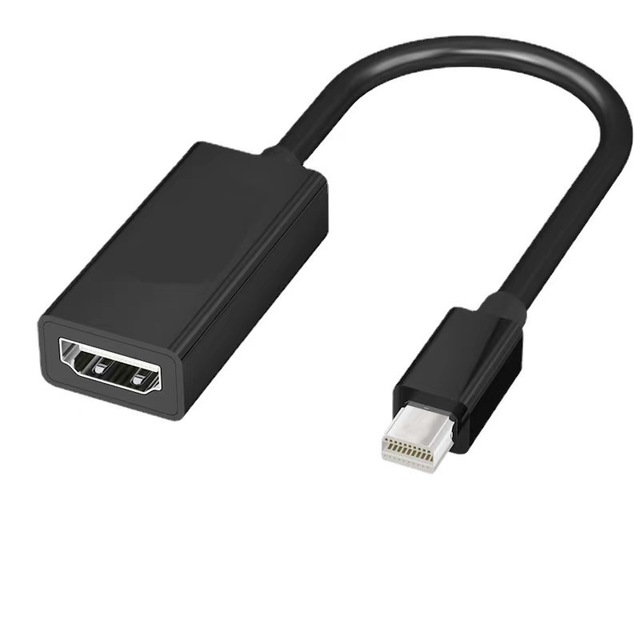
DP to HD Adapter 4K Mini DP to HDM Converter Mini Displayport Male to Female HD Adapter OTG Adapter
 Shenzhen Losenda Technology Co., Ltd.🇨🇳CN9 yrs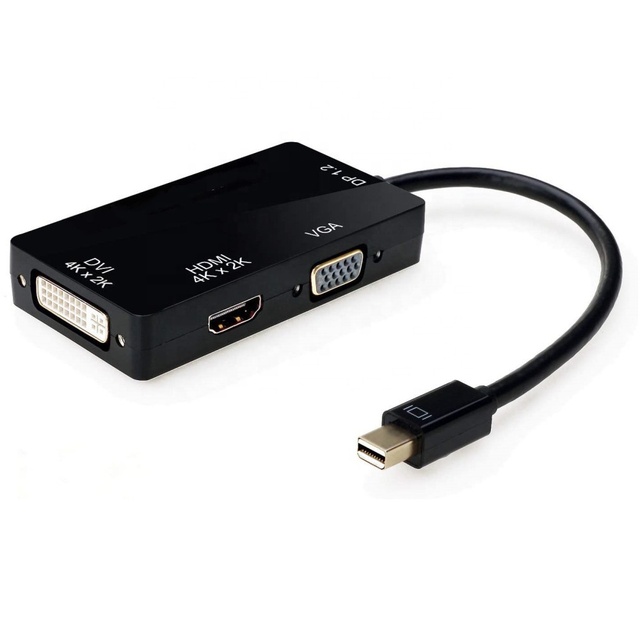
4K 3 in 1 Multi - Function Mini Displayport ( Thunderbolt Port Compatible ) to HDMI DVI VGA Cable Adapter Converter
 Shenzhen Esamconn Electronics Co., Ltd.🇨🇳CN8 yrs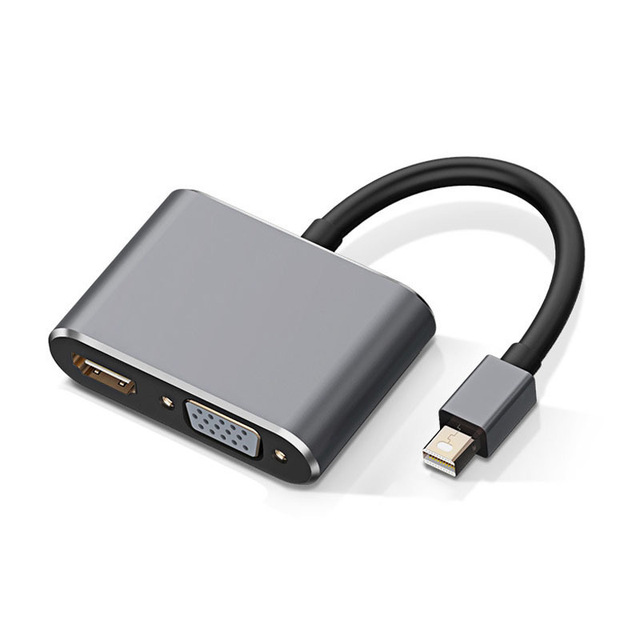
Mini DP 2-in-1 Docking Station Adapter HDMI 4K 30HZ VGA 1080P HDTV Laptop Computer-PVC Jacket Foil Shielding Compatible
 Dong Guan Qiulian electronic technology Co.,LTDverified🇨🇳CN5 yrs
Related Searches
Explore more sourcing topics & related categories
Sources & References
28 sources cited · Verified industry data & reports
Mini DisplayPort - Wikipedia
en.wikipedia.org
The Mini DisplayPort (MiniDP or mDP) is a miniaturized version of the DisplayPort audio-visual digital interface. It was announced by Apple in October 2008, and by early 2013 all new Apple Macintosh computers had Mini DisplayPort, as did the LED Cinema Display. However, in 2016 Apple began phasing out the port and replacing it with the new USB-C connector. While the DisplayPort specification can support digital audio, the older 2009 line of MacBooks, MacBook Pros, and Mac Minis cannot provide an audio signal through the Mini DisplayPort, and only do so over USB, Firewire, or the audio line out port. (The April 2010 line of MacBook Pro, Mid 2010 MacBook, and July 2010 iMac and later do support this). This can be a problem for users who want to connect their computers to HDTVs using a Mini DisplayPort to HDMI adapter. To work around this issue, some third-party manufacturers have created dual or triple-headed adapters that get power for the adapter from a USB port, video from the Mini DisplayPort, and audio from either the USB port or the optical-out port. With an adapter, the Mini DisplayPort can drive display devices with VGA, DVI, or HDMI interfaces. Apple replaced the DVI port from the MacBook, MacBook Air, MacBook Pro, iMac, Mac Mini, and the Mac Pro with the Mini DisplayPort. On 13 April 2010, Apple added support for audio out using Mini DisplayPort in their MacBook Pro product line. The Mini DisplayPort is also fitted to some PC motherboards, video cards, and some PC notebooks from Asus, Microsoft, MSI, Lenovo, Toshiba, HP, Dell, and other manufacturers. Apple offers a no fee license for the Mini DisplayPort but the license automatically terminates should the licensee "commence an action for patent infringement against Apple". Unlike its Mini-DVI and Micro-DVI predecessors, the Mini DisplayPort can drive display devices with resolutions up to 2560 × 1600 (WQXGA) in its DisplayPort 1.1a implementation, and 4096 × 2160 (4K) in its DisplayPort 1.2 implementation.
Mini Display Port: Everything You Need to Know – MAGEX
magexmonitor.com
Mini DisplayPort is prevalent in Apple products, while DisplayPort is common in desktop PCs and high-end monitors. The choice often depends on device compatibility and user preferences. ... HDMI connectors are wider and have a more pronounced rectangular shape compared to Mini DisplayPort. HDMI connectors feature a beveled edge, while Mini DisplayPort has a smooth, rounded edge. This design difference reflects their intended use, with HDMI often found in consumer electronics and Mini DisplayPort favored in portable devices. Mini DisplayPort is still used in many devices, but with the rise of USB-C ports that combine charging, video, and audio capabilities, it has become less cost-effective. Understanding the available ports is essential when buying devices to ensure compatibility and maximize usability. Magex portable monitors offer dual USB-C and HDMI connections, making them ideal for both business trips and home office setups. Want to boost your productivity? Both support high-definition video and audio, but HDMI is more widely used in consumer electronics, such as TVs and gaming consoles. Mini DisplayPort is preferred in professional settings for its higher refresh rates and better performance with certain displays. ... HDMI is standard in home entertainment systems, while Mini DisplayPort is favored in creative fields, such as video editing and graphic design. Understanding its features, applications, and comparisons with other connectors can help us make informed choices. Mini Display Port (MDP or mini DP) is a compact video and audio interface standardized by VESA.
What Is The Mini Usb Port? Everything You Need To Know - Vtechinsider
vtechinsider.com
Mini USB is a type of USB connector that was introduced in the early 2000s. It is a smaller version of the standard USB connector, and is designed to be used on portable devices such as digital cameras, MP3 players, and smartphones. Mini USB connectors are often found on devices that need to be small and lightweight, and are also used on devices that need to be able to connect to a computer or other device quickly and easily. Mini USB Port is a type of USB connector which is smaller in size than the normal USB connectors. With over 10 years of experience reviewing consumer electronics and emerging technologies, he is passionate about sharing his knowledge to help readers make informed purchasing decisions. ... Mini USB connectors are often found on devices that need to be small and lightweight, and are also used on devices that need to be able to connect to a computer or other device quickly and easily. The mini USB port is used for connecting the device to a computer or other USB device. The mini USB port is a convenient and compact way to connect devices. It is easy to use and provides a reliable connection. The mini USB port is widely used in many electronic devices and is a convenient and easy way to connect devices. While it still can be found on some devices today, it’s primarily seen as a legacy connector, with most modern devices opting for the superior speed and power delivery of USB-C. So while the mini USB port may not be as highly sought after as it once was, it still has its place in the history of technology and remains an important part of our collective digital experience. ... Thanks for your feedback! Read Next:Unlock Enhanced Data Transfer Speeds: Discover The Power Of Micro Usb B 3.0! ... Isaac Lee is the lead tech blogger for Vtech Insider. With over 10 years of experience reviewing consumer electronics and emerging technologies, he is passionate about sharing his knowledge to help readers make informed purchasing decisions.
Mini DisplayPort vs Thunderbolt: What’s the difference
www.eaton.com
Mark Jagielnik Product Manager Power Cords, Cables & Connectivity ... Mini DisplayPort is a passive technology with its sole function to deliver audio/video signals from a source to a display. DisplayPort 1.2 technology is known for outstanding performance capabilities with support for uncompressed full-color 4K video at 60 Hz, multi-channel audio and 3D stereo. Thunderbolt is a specialized type of Mini DisplayPort connectivity. Although the shape and size of the connector is the same, it does more and does it faster. Thunderbolt can carry data, so it can be used to connect devices such as docking stations and hard drive enclosures. And while a Thunderbolt-enabled computer can connect to a Mini DisplayPort monitor, the technology of the cable needs to match the technology of the display. Something to note: the information here applies only to Thunderbolt 1 and 2. The new Thunderbolt 3 technology uses a USB-C connector, with even faster speeds and up to 100W of power-over-cable. It is backward compatible with Thunderbolt 1 and 2 devices using an adapter. Browse our Thunderbolt and Mini DisplayPort Solutions · Quickly find any cable you need with the Tripp Lite by Eaton cable finder tool · Have pre-existing cables? Search for equivalent Tripp Lite by Eaton cables ... Eaton is an intelligent power management company dedicated to improving the quality of life and protecting the environment for people everywhere.
Definition of Mini DisplayPort | PCMag
www.pcmag.com
1.2 2009 17.28 4096x2160 4K DisplayPort Plugs The Mini DisplayPort is also used for the Thunderbolt interface, which adds PCI Express capability (see Thunderbolt). (Image courtesy of Amazon.com.) Support for HDMI With passive cables, "dual-mode" DP (++ logo) connects to TVs via HDMI. However, earlier Mini DP interfaces did not support HDMI audio. To connect Mini DP to an HDMI TV required a split cable that merged DP video and USB audio into a single HDMI plug. See HDMI. ... I'm Maggie, PCMag's AI-powered product finder, exclusively powered by our deep library of reviews and buying advice written by our expert team of technology journalists. A version of the DisplayPort interface introduced by Apple in 2008. Mini DisplayPort uses a smaller plug and socket than the full-size DisplayPort. Also used on some Windows PCs, the Mini DisplayPort (Mini DP) was the foundation for the Thunderbolt interface.
The Mysterious Miniature: Unraveling the Enigma of the Small USB Port
thetechylife.com
The Micro-USB port was even smaller than its Mini-USB counterpart and offered improved durability and performance. The Micro-USB port became the de facto standard for mobile devices, including smartphones, tablets, and e-readers. In recent years, the USB-C (USB Type-C) connector has gained popularity, offering a reversible design, faster data transfer speeds, and improved power delivery. USB-C is designed to be a multi-purpose port, capable of supporting multiple protocols, including USB, DisplayPort, and Power Delivery. In conclusion, the small USB port is a ubiquitous feature in modern technology, with a wide range of applications and types. From the Mini-USB port to the USB-C connector, each iteration has brought significant improvements in performance, power delivery, and overall functionality. The small USB port, also known as the Mini-USB or Micro-USB port, is a type of USB connector that is smaller than the standard USB-A port. It is commonly found on devices such as smartphones, tablets, e-readers, and portable media players. The small USB port is also found on some computer peripherals, such as keyboards and mice, as well as on some gaming controllers. In addition, some cars and other vehicles have small USB ports for charging and connecting devices. The widespread use of the small USB port has made it a convenient and essential feature for many devices. There are several types of small USB ports, including the Mini-USB, Micro-USB, and USB-C.