Ml2430 Battery

Overview
Product sourcing insights & recommendations
The ML2430 is a 3V rechargeable lithium manganese dioxide coin cell primarily used for high-reliability memory backup (RTC) in industrial and automotive electronics DigikeyMaster-Instruments. The global battery market is expected to grow to $178.97 billion by 2026, driven by a strong shift toward sustainable, secondary (rechargeable) battery technologies CoherentmarketinsightsAccio.
Key insights include:
- Technical Superiority: Offers ~500 cycles at 20% DoD with a low self-discharge rate (<2%/year), making it ideal for permanent PCB integration Master-Instruments.
- Market Dynamics: While physically identical to the primary CR2430, the ML2430 is not a direct drop-in replacement due to its rechargeability and specific circuit charging requirements AllelcoelecIc-Components.
- Commercial Trends: Wholesale prices have stabilized between $0.63 and $0.92, though specialized branded versions (FDK/Sanyo) for specific industrial machines can cost significantly more AlibabaAlibaba.
The detailed report below covers technical specifications, application trends, and a commercial sourcing guide for 2024-2026.
I've synthesized the market and product data for the ML2430 battery. You can continue with:
Fdk Ml2430 Battery Original Factory Price
Products · 2 lists
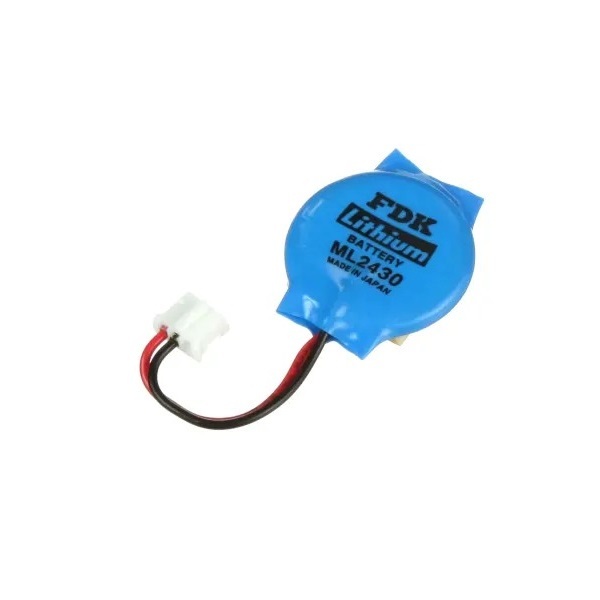
ML2430 Backup Battery Compatible with Opto 22 SNAP PAC - Reliable Power Solution
 Shenzhen ShineFo Technology Limited🇨🇳CN13 yrs
ML2430-TT1 Rechargeable Lithium Cell 3V 100mAh FDK
 Hunan Hualai Technology Co., Ltd.🇨🇳CN7 yrs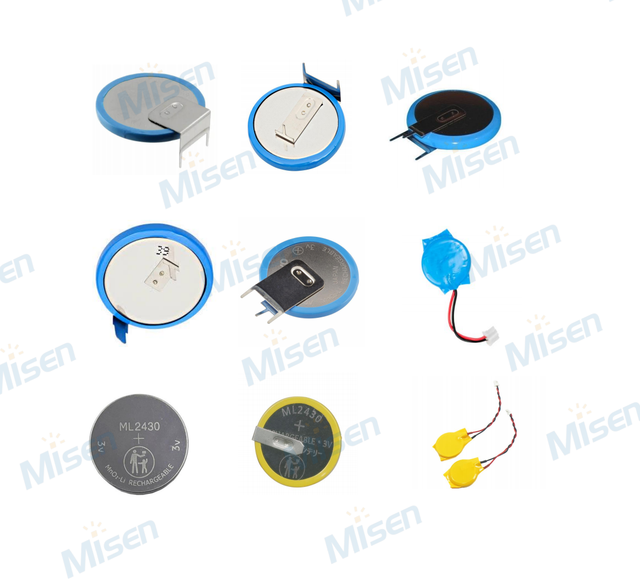
ML2430 3V 100mAh Rechargeable Lithium Button Battery ML2430 Button Cell with Solder Tabs ML2430-HS1 ML2430-HZ1
 Dongguan Misen Power Technology Limitedverified🇨🇳CN2 yrs
Supply IC Chip Integrated Circuit NEW ML2430 Button Lithium Battery 100mAh Capacity
 Shenzhen Pengying Electronics Co., Ltd.🇨🇳CN5 yrs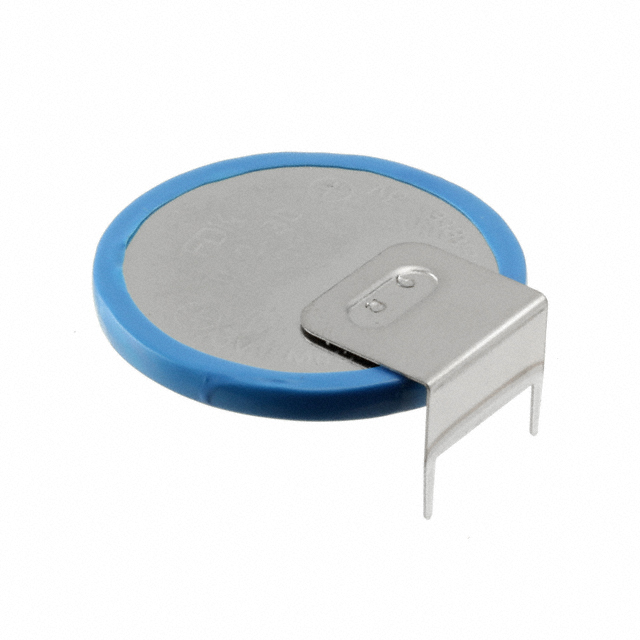
ML2430-HS1 Battery Products BATTERY LITHIUM 3V 100MAH COIN ML2430-HS1
 Shenzhen Vkolink Tech Co., Ltd.🇨🇳CN1 yr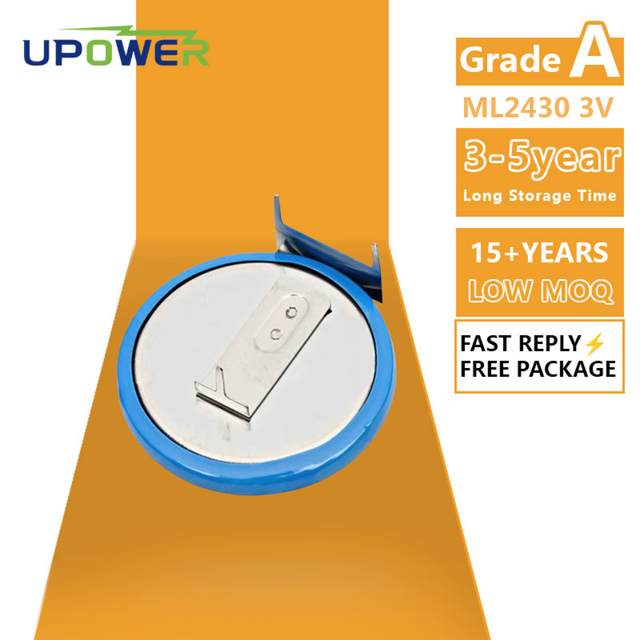
ULi High Quality Rechargeable 3V 100mAh Lithium Button Cell ML2430 Battery with Tabs for Main Board Watch Toys
 Dongguan Youli Electronic Technology Limitedverified🇨🇳CN9 yrs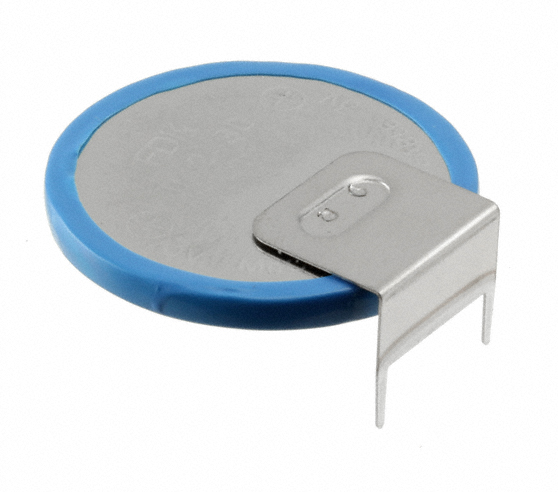
JBWCELL ML2430-HS1 CR2430 3V Lithium Rechargeable Button Cell Solder Tabs Power Tools Home Appliances Consumer Electronics Toys
 Shenzhen Jbwcell Battery Co.,ltd🇨🇳CN9 yrs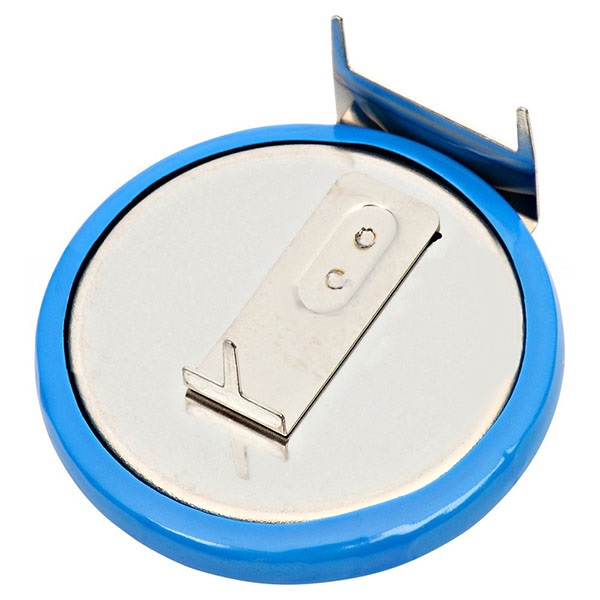
3V Rechargeable Lithium Button Battery ML2430 with solder tabs pins tags ML2430-HS1 ML2430-HZ1
 Shenzhen Cowon Technology Limitedverified🇨🇳CN13 yrs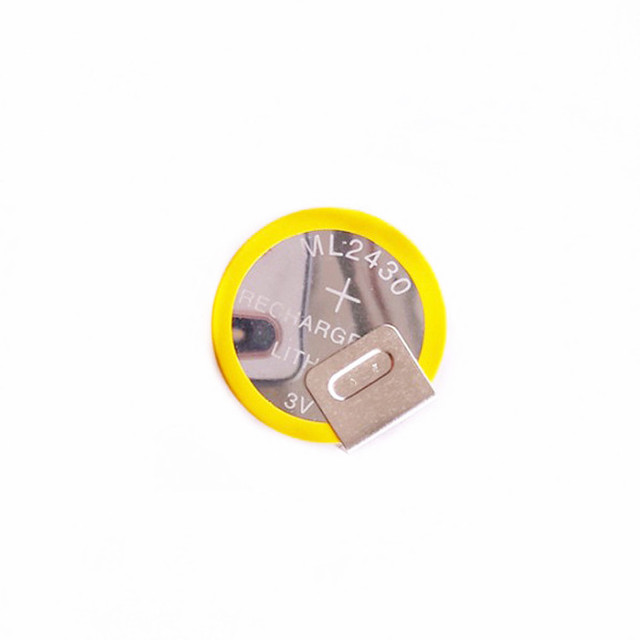
ML2430 Rechargeable Lithium Button Battery 3V 100mAh ML2430-HS1 Coin Cell With Solder Tabs, Pins
 Shenzhen Qiyun Technology Co., Ltd.🇨🇳CN2 yrs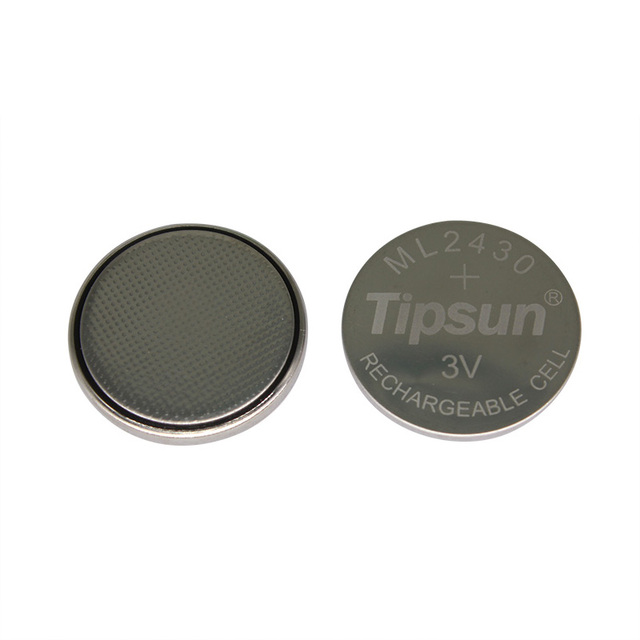
Rechargeable Lithium Coin Cells 3V ML2430 Battery With Solder Tabs Pins
 Guangzhou Maisheng Energy Technology Co., Ltd.🇨🇳CN11 yrs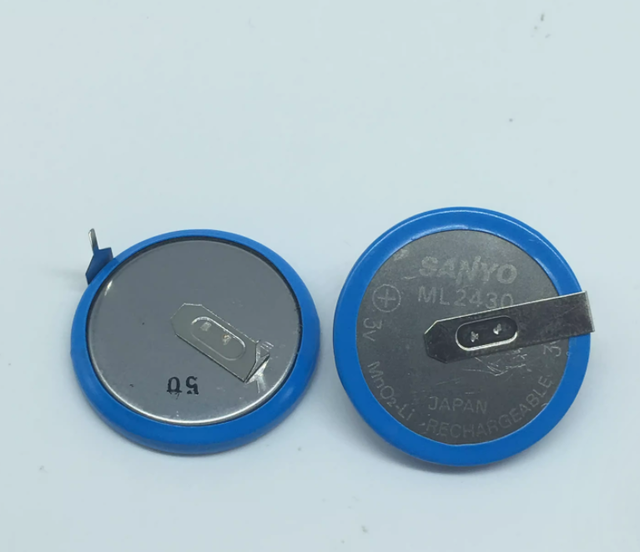
The Battery New original ML2430-HJ1
The Battery New original ML2430-HJ1
Deep Dive · Full Report
Full Market Report
1 document · Live-fetched from source
Related Searches
Explore more sourcing topics & related categories
Sources & References
28 sources cited · Verified industry data & reports
Battery Market Size, Trends and YoY Growth Rate, 2026-2033
www.coherentmarketinsights.com
Electric trucks showed the fastest growth, with demand rising 75% in 2024, now representing about 3% of total EV battery consumption. To learn more about this report, Request Free Sample · By type, primary battery segment is estimated to contribute the highest market share of 68.6% in 2026, owing to its convenience and reliability characteristics. The battery market is expanding quickly in terms of structure, due to faster electrification and more energy storage systems being used. In 2024, shipments of lithium-ion batteries around the world reached about 1,545 GWh, which is an immense rise over the previous year. By technology, lithium-ion battery segment is estimated to contribute the highest market share of 32.9% in 2026 due to its high energy density and falling production costs. Lithium-ion possesses several advantages over other rechargeable battery types, most notably a substantially higher energy density by volume and weight. By application, automotive batteries segment is estimated to contribute the highest market share of 39.62% in 2026, due to rising electric vehicle production and emerging mobility trends. Global commitments to reduce vehicle emissions and dependence on fossil fuels are accelerating the electrification of automotive powertrains.
Battery Market Size, Share And Trends Report, 2026-2033
www.grandviewresearch.com
Investments in next-generation technologies, pilot solid-state battery development, and scaling of domestic manufacturing and recycling facilities-such as the lithium battery recycling plant opened by BatX Energies in Uttar Pradesh, India, in December 2024-create avenues for cost-effective growth and supply resilience. Despite strong prospects, supply chain limitations and policy shifts present notable restraints. For example, the expiration of U.S. federal EV tax credits in late 2025 contributed to major companies, such as General Motors, announcing a USD 6 billion EV investment write-down in January 2026. In January 2026, BYD Company Limited announced the launch of its new 1.5 GWh battery production facility in Shenzhen, China, aimed at scaling the supply of lithium-ion batteries for electric vehicles and renewable energy storage. The global battery market size was valued at USD 154.1 billion in 2025 and is projected to grow from USD 177.4 billion in 2026 to USD 554.8 billion by 2033, at a CAGR of 17.7% from 2026 to 2033.
Battery Price Trend 2026: Forecast & Insights
www.accio.com
The secondary battery market is projected to grow at a CAGR of 22.63% during the forecast period from 2024 to 2030, reaching USD 408.33 billion by 2030. Segment.Read more ... Battery Market is estimated to be valued at USD 178.97 Bn in 2026 and is expected to expand at(CAGR) of 18.1% , reaching USD 573.49 Bn by ... Projected Growth: It is expected to reach USD 573.49 billion by 2033, with an 18.1% CAGR from 2026 to 2033 5. Secondary Battery Market: The secondary battery market alone is projected to grow at a CAGR of 22.63% from 2024 to 2030, reaching USD 408.33 billion by 2030 4. Lithium-ion Dominance: Lithium-ion batteries are a key driver, holding an estimated 32.9% market share in 2026 due to high energy density and falling costs 5. EV Battery Installations: Global EV battery installations increased by 37.3% year-on-year in the first half of 2025, reaching 504.4 GWh 5. Total Energy Sector Demand: Overall energy sector demand for batteries, including EVs and storage, hit 1 TWh in 2024 5. Data Center Demand: The U.S. data center market is anticipated to reach 60 gigawatts by 2026, driving demand for BESS for power generation, resilience, and reliability 3. EV Market Acceleration: The acceleration of the electric vehicle market and policy shifts, such as the EU's 2035 ICE Vehicle Ban, are creating a massive demand surge for EV batteries 5. ... Historic Lows: Battery prices continued reaching historic lows through 2024-2025, strengthening solar-plus-storage economics and improving grid resilience 3.
Batteries Market Growth, Share, Trends Report 2026-2030
www.thebusinessresearchcompany.com
Batteries are used in electric vehicles (EVs) to store and provide the electrical energy needed to power the vehicle's motors, enabling them to run without the need for fossil fuels and offering a more sustainable alternative to traditional gasoline-powered vehicles. For instance, in January 2024, according to a report published by the International Council on Clean Transportation, a US-based professional non-profit organization, the proportion of new vehicle sales that are plug-in electric rose to around 7% in 2022 and surpassed 10% by q3 2023.Therefore, the increasing demand for electric vehicles is driving the growth of the battery market going forward. Batteries are utilized in increasing energy storage for renewable energy by storing excess electricity generated during periods of high renewable output, which can then be released during times of low generation or high demand, ensuring a consistent energy supply. For instance, in 2024, according to the Clean Energy Council, an Australia-based membership-based organization that reported in 2023, renewable energy supplied 39.4% of Australia’s total energy, up from 35.9% in 2022, while 27 utility-scale battery projects with 5 GW/11 GWh capacity were under construction, marking a record investment of AUD 4.9 billion. The batteries market size has grown strongly in recent years. It will grow from $134.74 billion in 2025 to $145.43 billion in 2026 at a compound annual growth rate (CAGR) of 7.9%. The growth in the historic period can be attributed to increasing demand for portable electronic devices, growth in automotive electrification, limited energy storage technologies, rising industrial applications, adoption of lead-acid and lithium-ion batteries. Home>Reports Store>Electrical And Electronics>Global Batteries Market Report 2026
Battery Market Size & Industry Overview Report 2031
www.mordorintelligence.com
Note: Market size and forecast figures in this report are generated using Mordor Intelligence’s proprietary estimation framework, updated with the latest available data and insights as of January 2026. ... Lithium-ion pack prices fell to USD 108 kWh in December 2025, a 22% drop from 2023, enabled by cathode-material deflation, manufacturing scale gains, and broader lithium iron phosphate adoption.[4]Reuters, “Chinese Battery Pricing,” reuters.com Chinese producers leveraged vertical integration to achieve spot prices of USD 53 kWh in Q2 2024, undercutting Western peers that lack similar scale or subsidies. June 2026: Peak Energy selected Sacramento, California, for a 4 GWh per year sodium-ion facility, and announced a partnership with General Motors to develop grid-purpose storage cells backed by GM Ventures. The announcement shows rapid diversification of battery chemistries and a push toward localized manufacturing near major markets. June 2024: Hyundai Motor and LG Energy Solution opened Indonesia's first 10 GWh EV battery plant, linking cell manufacturing to nickel supply base. Department of Energy announced a Notice of Funding Opportunity for up to USD 500 million to expand domestic critical mineral processing, battery manufacturing, and recycling capabilities, reinforcing a grant-led pathway to capacity buildout. In June 2026, the European Commission adopted Commission Decision (EU) 2026/1283 establishing the Battery Booster Facility to de-risk investments and accelerate sustainable battery-sector projects while ensuring compliance obligations. Technology racelines include silicon anodes, single-crystal cathodes, and dry-electrode coating. Tesla’s 4680 cell, produced in Texas with a tabless design, aims for 50% cost cuts versus 2170 predecessors. QuantumScape’s Eagle Line start-up in 2026 could mark an inflection if solid-state economics reach parity in premium models.
Global battery markets are growing strongly – and so are the ...
www.iea.org
IEA (2026), Global battery markets are growing strongly – and so are the supply risks, IEA, Paris https://www.iea.org/commentaries/global-battery-markets-are-growing-strongly-and-so-are-the-supply-risks, Licence: CC BY 4.0 Copy to clipboard ... The global lithium-ion battery market exceeded USD 150 billion in 2025, an increase of over 20% from 2024, but its economic and strategic significance extends far beyond market size. Battery factories in Europe and the United States rely heavily on imports for the majority of their battery components, which come mostly from China. The lack of investment in midstream supply chains in these markets poses a growing risk to global supply security, a topic that will be examined in depth in the upcoming IEA publication Energy Technology Perspectives 2026. As the strategic role of batteries in energy systems and beyond continues to rise, the IEA will continue to monitor these trends in order to provide timely analysis and policy advice. Extensive analyses on the supply chain security of batteries and other energy technologies will be released in the IEA’s forthcoming flagship technology publication Energy Technology Perspectives 2026. Teo Lombardo, Energy Technology Analyst Leonardo Paoli, Clean Energy Technology Analyst Araceli Fernandez Pales, Head of Technology Innovation Unit Timur Gül, Chief Energy Technology Officer Commentary — 13 February 2026