Mobile Bts

Overview
Product sourcing insights & recommendations
I have completed a comprehensive market analysis for 'mobile bts' (Base Transceiver Station), covering market size, technology trends, and product insights.
The global BTS market is projected to reach $35.85 billion by 2033, with 5G infrastructure acting as the primary growth engine. A significant trend is the rise of Cell on Wheels (COW) and portable rapid-deployment towers for temporary events and emergency coverage. The industry is also shifting toward Open RAN and Massive MIMO technologies to support high-density 5G connections.
The detailed report below includes market projections, technical advancements like SDN/NFV, and a selection of portable BTS products and suppliers.
Here is the market analysis for mobile BTS. You can proceed with:
Mobile Base Transceiver Station Bts Tower Portable
Products · 2 lists
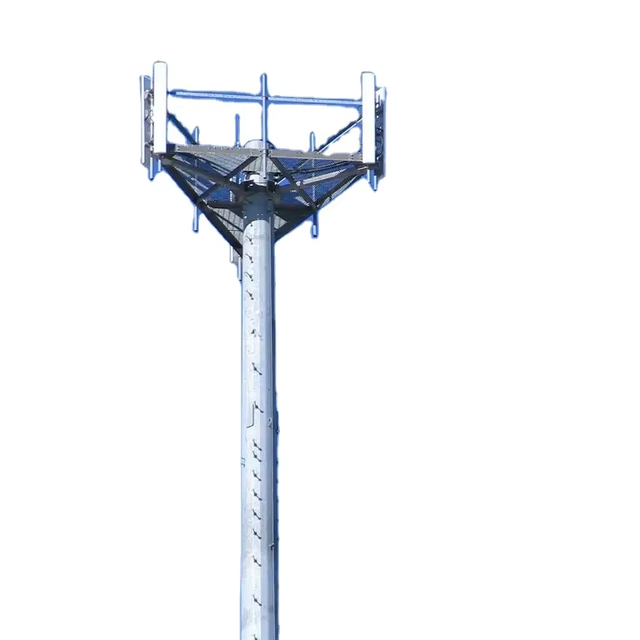
Custom 20-50m Galvanized Steel Monopole Tower for 4G/5G Telecom BTS Communication
 Hebei Yunta Metal Components Co., Ltd.🇨🇳CN2 yrs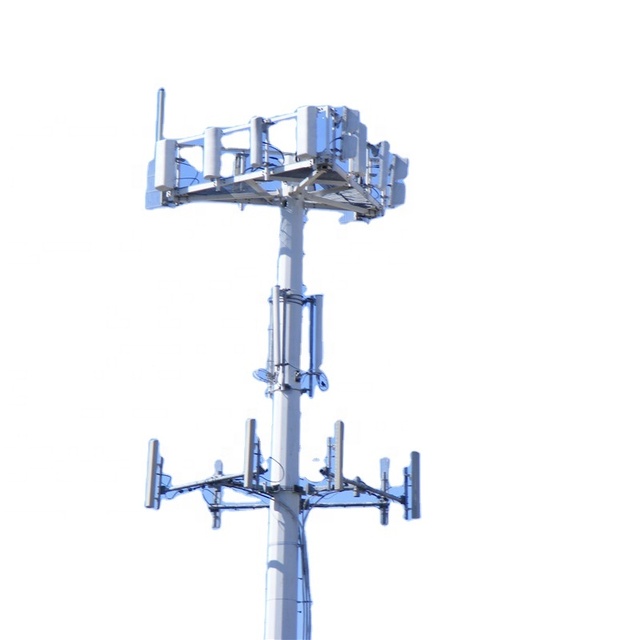
Bts in communication base transmission transceiver station Beautiful Q235 telecom cell tower
 Jiayao Co., Ltd.verified🇨🇳CN11 yrs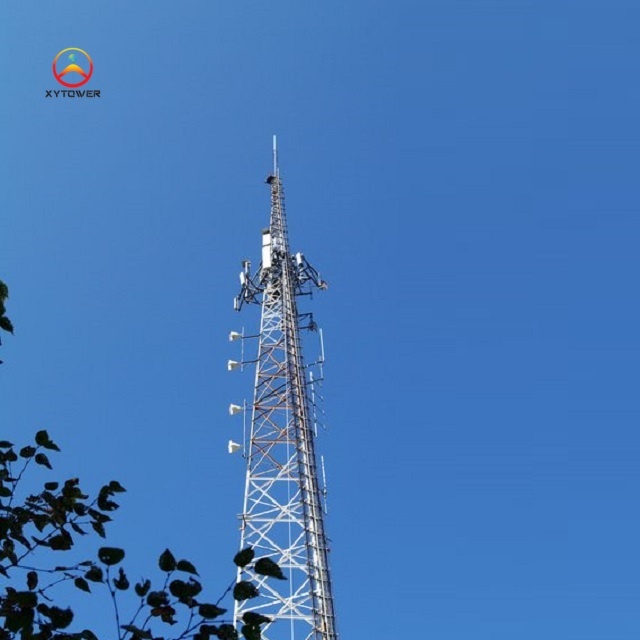
4G 5G GSM ISP BTS Galvanized Steel 4-Leg Self-Supporting Antenna Tower Telecom Lattice Tower
 Sichuan Xiangyue Power Line Components Co., Ltd.verified🇨🇳CN9 yrs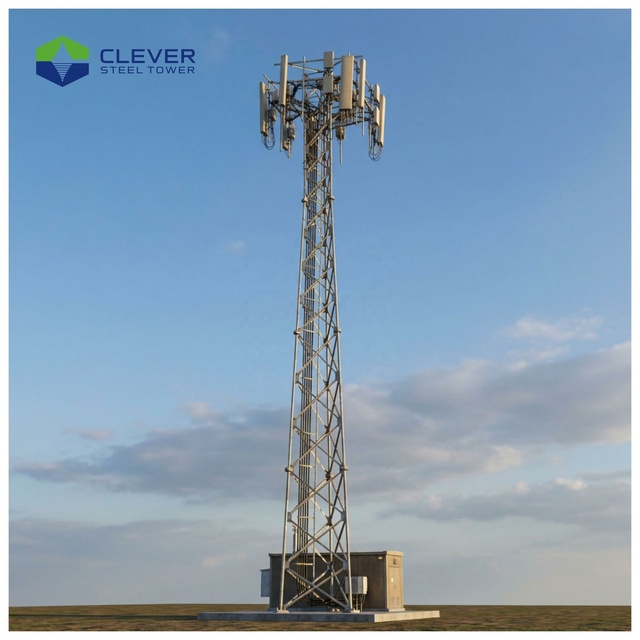
Hot Dip Galvanized Self-Supporting Lattice Steel Telecommunication Tower 3 Legs Angular Q355B Steel 30-50 Years Service Life
 Qingdao Clever Steel Tower Co., Ltd.verified🇨🇳CN1 yr
Deep Dive · Full Report
Full Market Report
1 document · Live-fetched from source
Related Searches
Explore more sourcing topics & related categories
Sources & References
26 sources cited · Verified industry data & reports
Global Base Transceiver Station (BTS) Market Size, Share, Trends ...
www.verifiedmarketreports.com
Global Base Transceiver Station (BTS) Market Size By Technology (2G Technology, 3G Technology), By Component (Transceivers, Amplifiers), By End-User (Telecom Operators, Private Enterprises), By Application (Mobile Voice Communication, Data Communication), By User Type (Individual Users, Small and Medium Enterprises (SMEs)), By Geographic Scope And Forecast · Author By: Sudeep Pednekar | Edition : 7th Edition 2026 | Editor : Ethan Miller Base Transceiver Station (BTS) Market Revenue was valued at USD 19.54 billion in 2024 and is estimated to reach USD 35.85 billion by 2033, growing at a CAGR of 7.23% from 2026 to 2033. The Base Transceiver Station (BTS) Market is experiencing significant growth, driven by the surging demand for seamless mobile connectivity and the expansion of telecommunications networks worldwide. In the forecast period 2026‑2033, Asia‑Pacific is expected to hold the largest share of BTS market revenue and volume globally, driven by heavy investments in 5G infrastructure in China, India, Japan and South‑Korea, along with increasing mobile data usage and governmental support. As per the Ministry of Electronics and Information Technology, India’s telecom infrastructure investment reached $30 billion in 2026, reinforcing regional leadership in BTS deployment. Asia Pacific is the fastest-growing BTS market, fueled by rapid urbanization, increasing data consumption, and significant private and public sector investments in telecommunications infrastructure. Countries like Vietnam and Indonesia are emerging as key growth hotspots due to expanding mobile subscriber bases and government incentives for digital transformation.
Base Transceiver Station (BTS) Market | Global Market Analysis ...
www.futuremarketinsights.com
The base transceiver station (bts) market was valued at USD 35.40 billion in 2025, projected to reach USD 38.05 billion in 2026, and is forecast to expand to USD 78.43 billion by 2036 at a 7.5% CAGR. Mobile network densification programs driven by 5G rollout mandates and spectrum refarming initiatives sustain procurement cycles for base transceiver station equipment across macro, micro, and small cell configurations. Equipment serves mobile network operators deploying 2G through 5G wireless networks, private network operators building dedicated coverage, and infrastructure sharing companies managing multi-tenant tower sites. Based on FMI's base transceiver station (bts) market report, Antennas leads by Components with 37.2% share in 2026. Double leads by TRU/DRU Types with 51.6% share in 2026. The scope includes market scope includes bts equipment across all component types and radio configurations including macro, micro, and small cell deployments. coverage s. Excluded are core network equipment including mobile switching centers, packet gateways, and network management systems is excluded. Market scope includes BTS equipment across all component types and radio configurations including macro, micro, and small cell deployments. Coverage spans global and regional market sizes, forecast period 2026 to 2036, segmentation by component, TRU/DRU type, and geography. Core network equipment including mobile switching centers, packet gateways, and network management systems is excluded.
Bus Transmission System (BTS) Market Size, Share & Forecast [2034]
www.verifiedmarketreports.com
Global Bus Transmission System (BTS) Market Size By Type (Automatic Transmission Systems, Manual Transmission Systems), By Component (Gears, Clutches), By Application (Commercial Vehicles, Passenger Cars), By Technology (Conventional Transmission, Electric Transmission), By End-Use Sector (Public Transportation, Logistics and Freight Transport), By Geographic Scope And Forecast · Author By: Bhaginath Bade | Edition : 7th Edition 2026 | Editor : Alexander King Bus Transmission System (BTS) Market Revenue was valued at USD 2.1 billion in 2024 and is estimated to reach USD 4.5 billion by 2033, growing at a CAGR of 9.2% from 2026 to 2033. Bus Transmission System (BTS) Market Revenue was valued at USD 2.1 billion in 2026 and is estimated to reach USD 4.5 billion by 2033, growing at a CAGR of 9.2% from 2026 to 2033. As OEMs prioritize lightweight, energy-efficient, and digitally connected solutions, newer segments such as hybrid and electric-specific BTS components are gaining prominence, disrupting legacy markets. This evolution indicates a broader industry trend toward intelligent, adaptable transmission architectures that support the future of sustainable mobility.
5G Base Transceiver Stations BTS Market Size, SWOT Analysis & ...
www.verifiedmarketreports.com
According to the Federal Communications Commission (FCC), the global market for 5G BTS is projected to reach approximately $12.7 billion by 2026, growing at a compound annual growth rate (CAGR) of 42.6% from 2021 to 2026. This surge in demand reflects the rapid rollout of 5G technology across various regions and sectors, making it a vital component of mode telecommunications. The primary drivers behind the growth of the 5G BTS market include the increasing demand for mobile broadband services, the proliferation of IoT devices, and the need for enhanced network performance to support emerging technologies such as augmented reality (AR) and virtual reality (VR). Evaluate comprehensive data on 5G Base Transceiver Stations BTS Market, projected to grow from USD 12.41 billion in 2024 to USD 32.19 billion by 2033, exhibiting a CAGR of 11.2%. This report provides strategic analysis of growth factors, market segments, and trends shaping the future. Valued at USD 12.41 billion in 2024, the 5G Base Transceiver Stations BTS Market market is projected to expand at a CAGR of 11.2% from 2026 to 2033, reaching USD 32.19 billion by 2033. 5G Base Transceiver Stations BTS Market size was valued at USD 12.41 Billion in 2024 and is forecasted to grow at a CAGR of 11.2% from 2026 to 2033, reaching USD 32.19 Billion by 2033. The 5G Base Transceiver Stations (BTS) market is a pivotal segment within the broader telecommunications industry, facilitating the wireless communication infrastructure essential for 5G networks. These stations are responsible for connecting mobile devices to the network, enabling high-speed data transmission, reduced latency, and increased capacity.
Base Transceiver Station (BTS) Market Size, Trends & Forecast
www.verifiedmarketresearch.com
The market drivers for the Base Transceiver Station (BTS) Market can be influenced by various factors. These may include: Growing Demand for Mobile Connectivity: The increasing need for mobile and internet connectivity, driven by the proliferation of smartphones, tablets, and IoT devices, fuels the demand for BTS infrastructure to support high-speed data transmission and enhanced network coverage. Government Initiatives and Investments: Government investments in telecommunications infrastructure and initiatives to improve connectivity in rural and underserved areas can drive BTS market growth by expanding network coverage and quality. Increased Mobile Broadband Penetration: The growing penetration of mobile broadband services in both developed and developing regions boosts the demand for BTS equipment to provide reliable and high-speed network access. This market is segmented by technology, specifically categorized into 2G, 3G, 4G, and 5G BTS. Each sub-segment corresponds to a generation of mobile communication technology, reflecting advancements in speed, capacity, and service quality. The 2G BTS segment is primarily associated with older technologies that support basic voice calls and SMS services, forming the foundation for mobile networks. The Base Transceiver Station (BTS) market is an essential component of mobile communication infrastructure, facilitating wireless communication between user equipment and the network. It is categorized primarily into two segments: hardware and software. The hardware segment encompasses a variety of physical components critical for BTS functionality, including antennas, amplifiers, transceivers, and cooling systems.
How does BTS's popularity compare in 2026 to previous years? - Quora
www.quora.com
Answer: To back up what I'm going to say, I searched BTS up on Google Trends to see how their popularity changed in the past 5 years. As you can see, they completely skyrocketed in 2021 (Dynamite, Butter) and slowly started to go down. Then there was a peak again, I don’t know why, maybe that's ...