Mobile Remote Network Controller
Overview
Product sourcing insights & recommendations
The phrase "mobile remote network controller" refers to a high-growth technology sector focused on the intelligent, automated management of network infrastructure. In the telecom industry, it specifically identifies the RAN Intelligent Controller (RIC), a cloud-native platform that uses AI to optimize Open RAN networks. In the broader IT and industrial IoT market, it refers to hardware and software solutions that allow centralized control of remote networking devices (routers, switches, and relays) via mobile apps or web interfaces.
1. Market Trends (2024–2026)
The market is characterized by a rapid shift toward software-defined intelligence and explosive growth driven by 5G rollouts:
* Hyper-Growth Phase: The global RIC market is projected to skyrocket from $218.5M in 2023 to $892.6M by 2026, a CAGR of approximately 61% Grandviewresearch.
* AI-Driven Efficiency: Operators are increasingly deploying AI-powered apps (rApps) that can reduce network energy consumption by up to 25% through automated traffic steering and sleep mode management GrandviewresearchComputerweekly.
* 5G Dominance: While 4G currently maintains a significant share, 5G is the primary growth engine with a projected 71.4% CAGR, as operators require advanced controllers to manage 5G network slicing and low-latency applications GrandviewresearchYoutube.
2. Technology & Product Insights
Solutions are split between advanced telecom software platforms and physical industrial hardware:
#### A. Software-Defined Controllers (RIC)
* Near-Real-Time (Near-RT) RIC: Manages time-sensitive tasks (10ms–1s) like radio resource management and mobility Grandviewresearch.
* Non-Real-Time (Non-RT) RIC: Handles long-term optimization (>1s) including performance monitoring and fault management Grandviewresearch.
#### B. Industrial Hardware & IoT Controllers
In the sourcing market, "mobile remote network controllers" manifest as physical devices designed for industrial automation and remote facility management:
* Remote Relay Boards: Devices like the PB502 Network Power Controller allow for remote AC switching and web management of remote sites .
* Industrial Gateway Modules: Hardware such as 4G DTU Network IO Controllers provide remote data transmission and relay outputs for industrial IoT applications .
* WLAN Management: Enterprise-grade AP Controllers (e.g., Comfast AC101) manage distributed Wi-Fi networks from a central gateway .
Mobile Remote Network Controller Hardware
Products · 3 lists
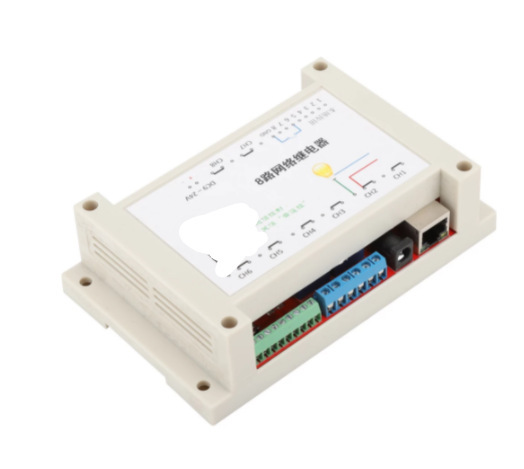
Network 8-way relay RJ45 TCP/IP WEB remote control board 485 network controller
 Shenzhen Mingweida Electronics Co., Ltd.🇨🇳CN4 yrs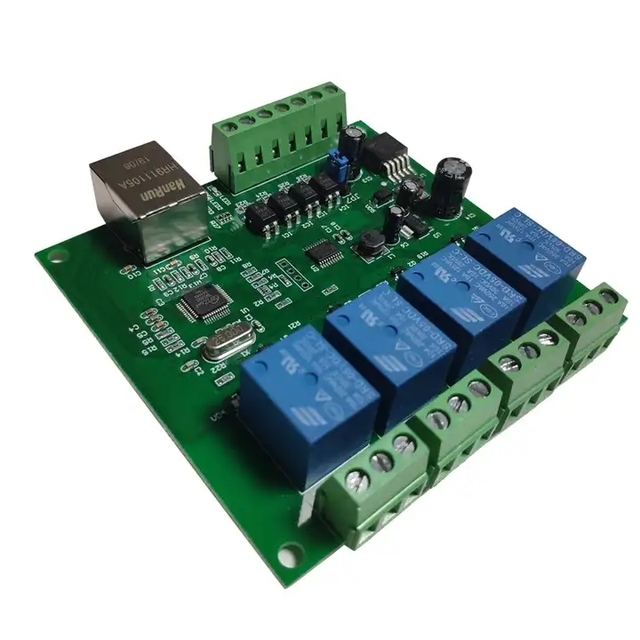
LAN Ethernet RJ45 TCP/IP WEB Remote Control Board With 4 Channels Relay UDP W5500 Networking Controller
 Mirui Technology (shenzhen) Co., Ltd.🇨🇳CN6 yrs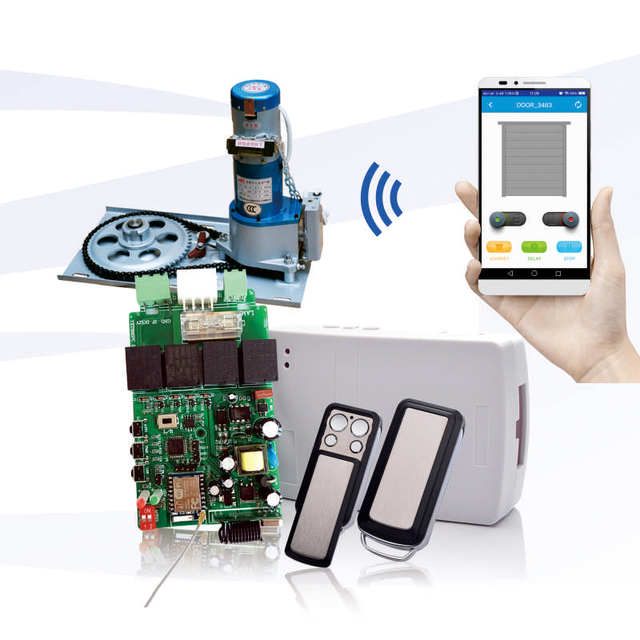
WIFI Radio Internet Controller for Electric Gate 433mhz Side Motor With 2 Remote Control
 Shenzhen Yaoertai Technology Development Co., Ltd.verified🇨🇳CN18 yrs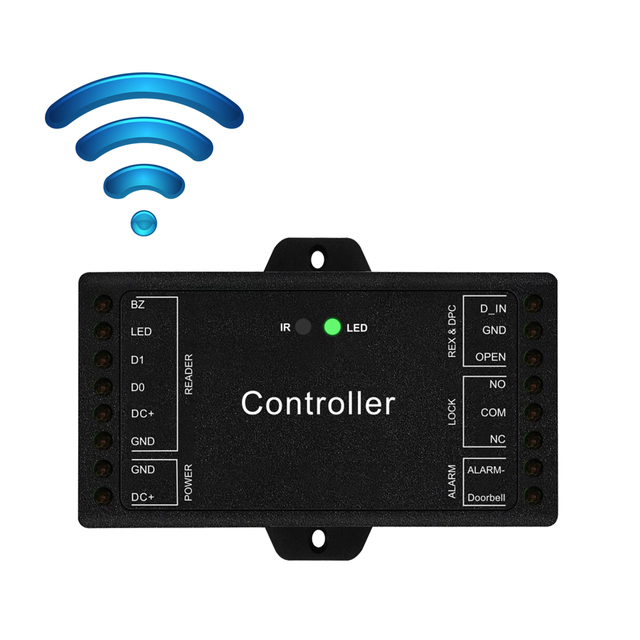
DC12V Android IOS Smart WIFI Led Controller Tuya Led Controller One Relay 1000 Users
 Secukey Technology Co., Ltd.verified🇨🇳CN12 yrs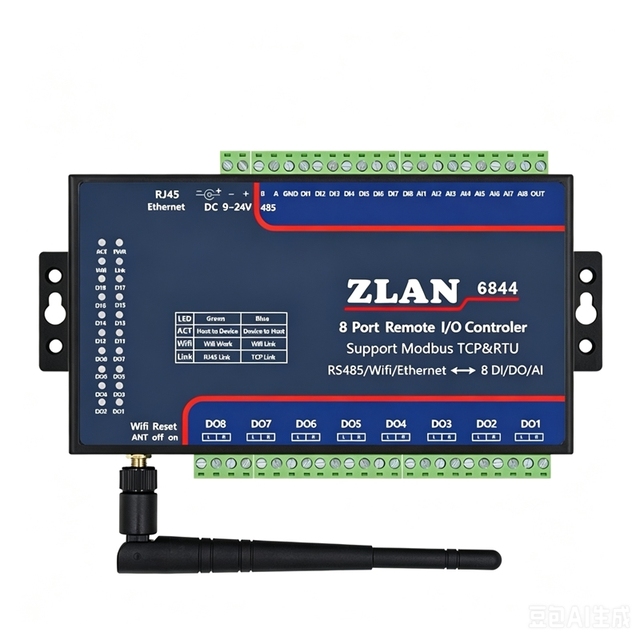
ZLAN6844 WiFi Ethernet RS485 Remote IO Controller 8DI 8DO 8AI Modbus TCP DC9-24V in Stock
 Shenzhen Hongtaisheng Electronics Co., Ltd.🇨🇳CN1 yr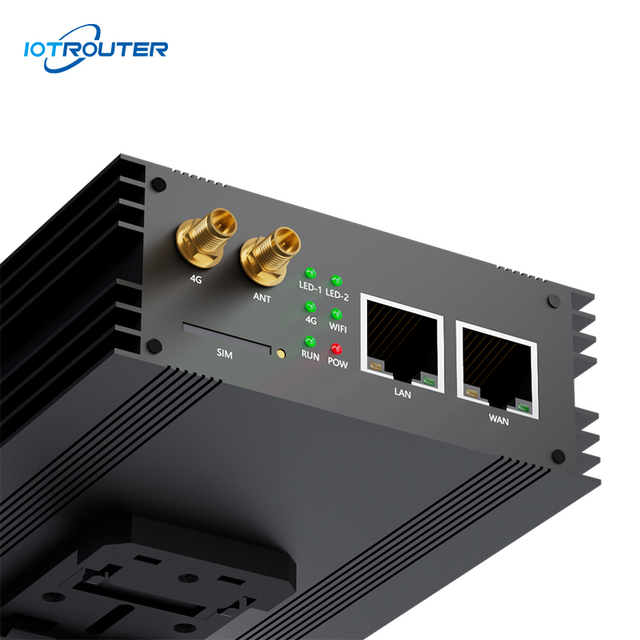
WiFi Wireless Controller Industrial 4G LTE IOT Gateway 2RS485/1RS232+1LAN to 4g Gateway Remote Management & Configuring Gateway
 Chengdu Zongheng Intelligence Control Technology Co., Ltd.🇨🇳CN7 yrs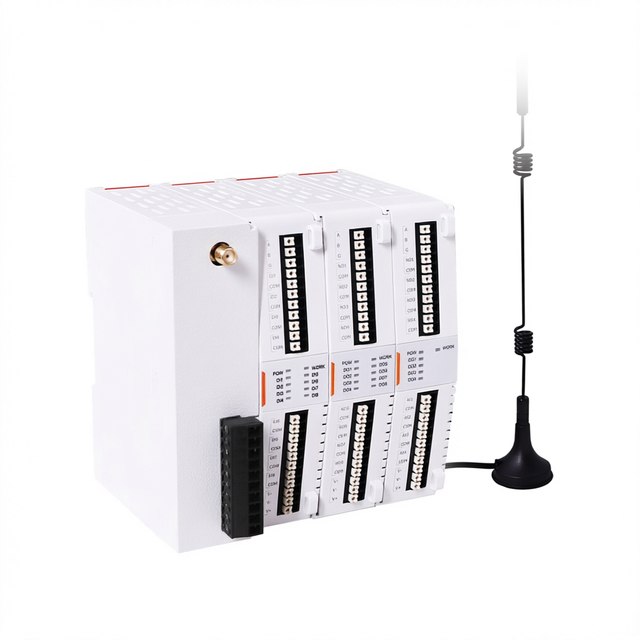
PUSR Expandable Network IO Controller Module DI/DO/AI/AO MQTT Protocol Remote Management IoT Controller DC 36V USR-M050
 Wuhan Huadao Internet Of Things Technology Co., Ltd.🇨🇳CN1 yr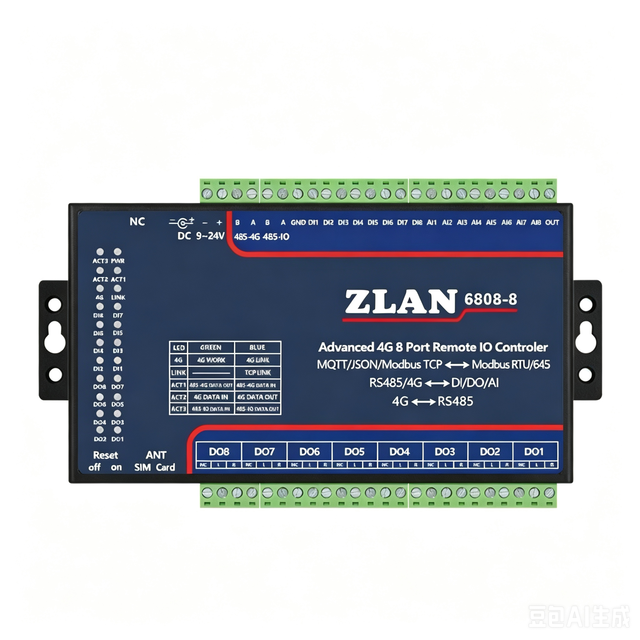
ZLAN6808-8 4G CAT1 Remote IO Controller 8DI 8DO 8AI MQTT Modbus TCP DC9-24V in Stock
 Shenzhen Sinosky Electronics Co., Ltd.verified🇨🇳CN9 yrs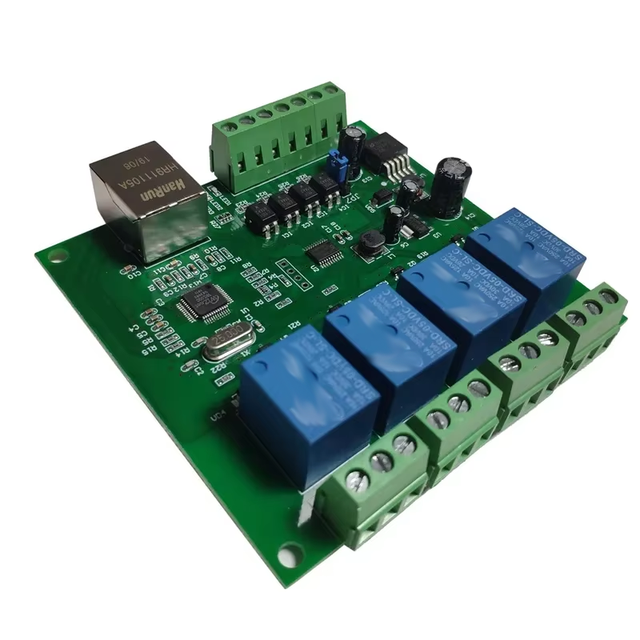
LAN Ethernet RJ45 TCP/IP WEB Remote Control Board with 4 Channels Relay UDP W5500 Networking Controller
 Shenzhen Chuangyida Electronics Co., Limited🇨🇳CN6 yrs
ZLAN6844N WiFi Ethernet RS485 Remote IO Controller With P2P Function 8DI 8DO 8AI Modbus TCP DC9-24V in Stock
 Shenzhen Chipsrsun Technology Co., Ltd.🇨🇳CN1 yr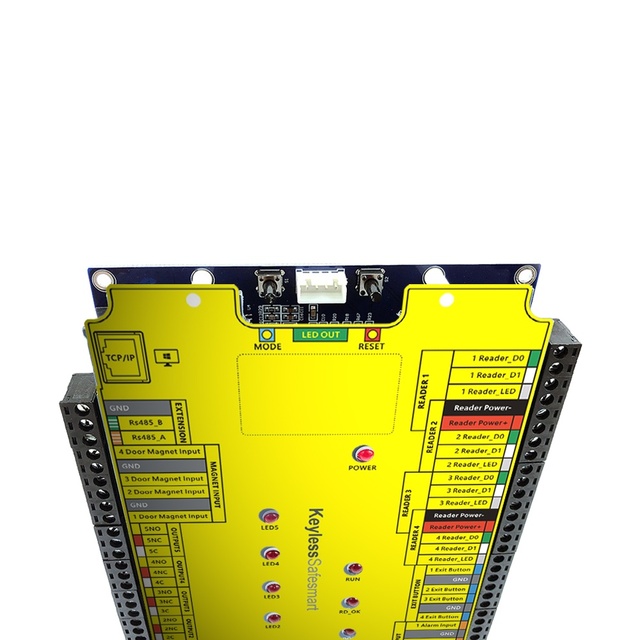
Nordson New Design Intelligent Network Wiegand TCP/IP Web Access Controller with Remote Control
 Shenzhen Nordson Electronic Co., Ltd.verified🇨🇳CN17 yrs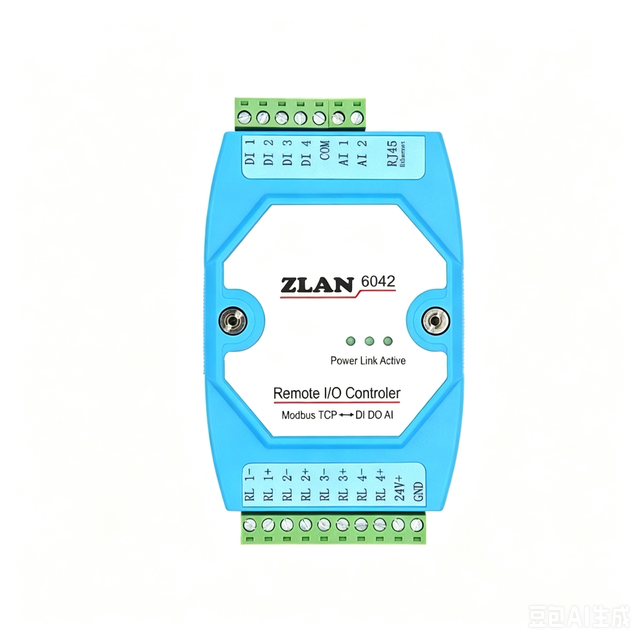
ZLAN6042 Industrial Remote I/O Controller DI DO AI RS485 Ethernet DC9-24V in Stock
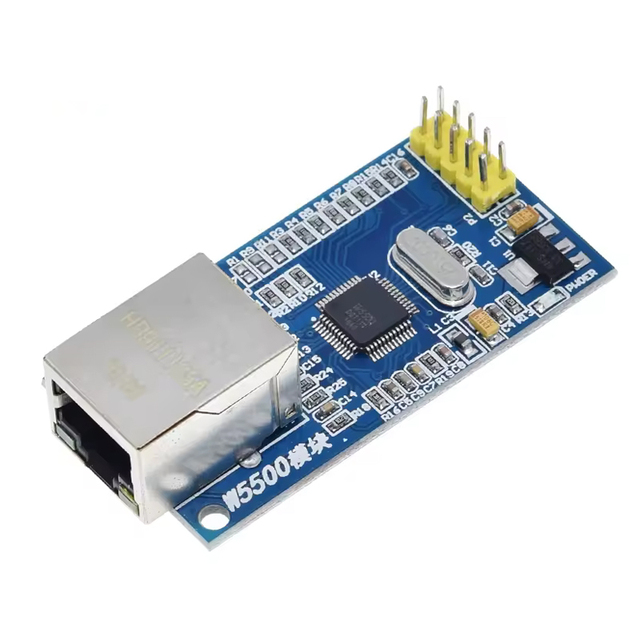
W5500 Ethernet Network Module Hardware TCP / IP 51 / STM32 Micro Controller Program Over W5100
 Shenzhen Youxinbang Technology Co., Ltd.🇨🇳CN2 yrs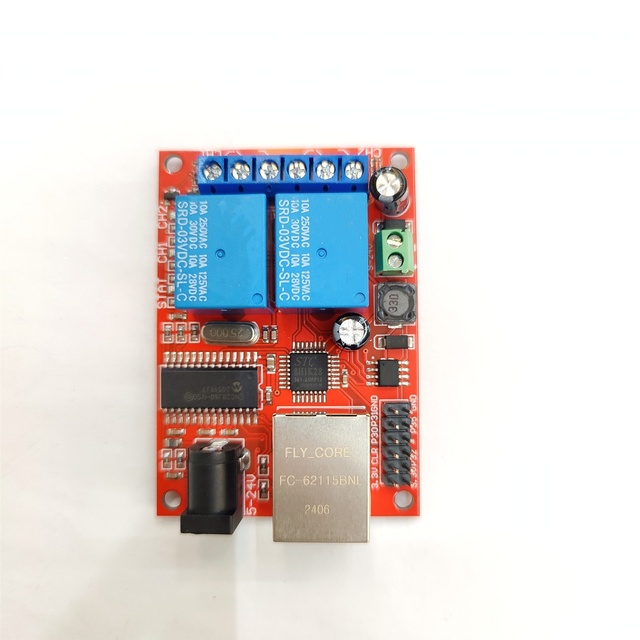
DC5-24V 2-Channel Ethernet Relay Industrial Grade Cloud Remote Control Network Switch Timer Controller Module
 Shenzhen Yuzens Technologies Co. Ltd.🇨🇳CN12 yrs
PB502 2-Port Network Power Controller, Remote AC 220V Switch with Web Management
 Aoshi Hengan Technology (beijing) Co., Ltd.verified🇨🇳CN1 yr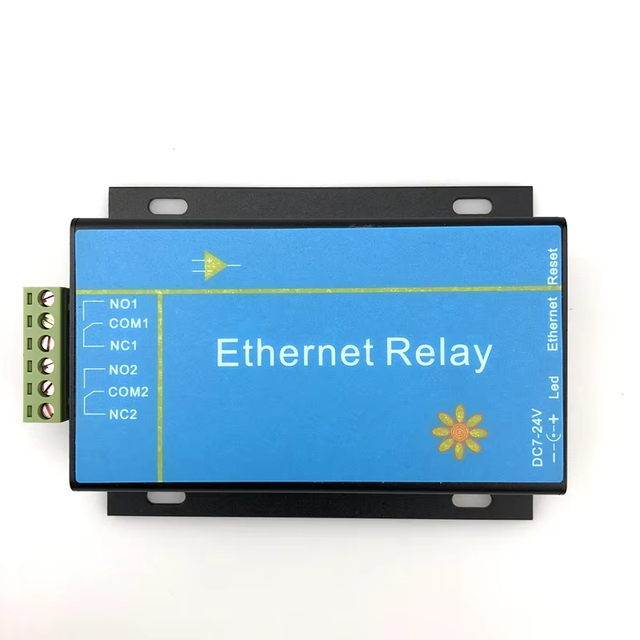
2 Way Ethernet Network Relay Module IP Remote Access Controller Intelligent Smart Home Industrial Grade Support MODBUS TCP
 Shenzhen Qinli Electronic Technology Co., Ltd.🇨🇳CN5 yrs
Related Searches
Explore more sourcing topics & related categories
Sources & References
27 sources cited · Verified industry data & reports
Remote Device Management: Definition, Use Cases & Examples
www.lockncharge.com
These controls remain effective as devices shift between networks or locations. Device lifecycle control oversees hardware from initial setup through reassignment, repair, and retirement. This approach maintains accountability and continuity throughout the device’s usable life. Remote device management (RDM), mobile device management (MDM), and remote monitoring and management (RMM) are closely related approaches that address different aspects of managing devices. Mobile devices. This group includes smartphones, work-issued tablets, and many types of one-to-one technology in schools. Laptops and desktop computers. Traditional computers remain central to most workplaces and are often company-owned. In some cases, lighter controls are applied to personal machines used for work, depending on organizational policies. A smart locker is a secure, network-connected storage system that automates device access, charging, and tracking. Remote device management relies on dedicated software that functions as a centralized control layer for connected hardware. Device enrollment is the process of registering a device with a management system so policies, controls, and updates can be applied remotely. Zero-touch provisioning is a deployment approach in which devices connect to the internet and automatically apply predefined configurations. Mobile device management (MDM) is a subset of remote device management focused specifically on securing and controlling smartphones, tablets, and laptops.
What is Remote Device Management– Purpose, Benefits, and More
www.realvnc.com
A wide range of devices can be managed remotely, including computers, mobile devices, network devices, and IoT devices. With remote management, devices can be controlled and administrated from one centralized location. Managing Android devices, for instance, requires secure connections and plugins to enable remote control functionalities, which are crucial for effective troubleshooting and security maintenance. A lack of visual cues or the inability to physically interact with a device can also make accurately diagnosing and resolving issues difficult. Furthermore, having multiple different devices and operating systems, which is often the case with remote device management, can also complicate troubleshooting. Remote working means accessing company networks and resources from desktops and devices in multiple locations. This can compromise security and make collaboration difficult. Remote Device Management (RDM) solutions eliminate many of these problems. Remote device management refers to the centralized management and control of devices such as tablets and POS systems from various locations. Device management MDM involves the administration and control of various devices from a centralized location, simplifying equipment management, enhancing security, and ensuring smooth functionality for distributed teams. Remote device management is used for a wide variety of purposes, but the main ones are as follows: With the popularity of remote work, teams need new methods of ensuring visibility over employee networks.
The How and Why of Networking Device Remote Control - Kaseya Blog
www.kaseya.com
Life was simple in the past. IT professionals had to manage just a handful of devices, such as laptops, desktops, PCs and servers. Today, they have to Besides your desktops, laptops and mobile devices, your network devices also need timely rebooting. It could be a bug fix, a performance improvement or a firmware update. VSA allows you to remotely reboot a network device, whereas, in the past, you had to have the device in front of you. The most compelling use case of the remote rebooting feature is the ability to shut down an interface to stop a broadcast storm, which can occur due to misconfigured networking switches. This blog will briefly explain how IT professionals can effectively manage and control various network devices using a single cutting-edge solution. Dive in. Multifunctional IT professionals require an integrated and unified IT management and security platform that is purpose-built to address their complex needs. VSA is that solution and offers complete IT management via a single-user interface. With a single click, VSA creates a secure communication channel to initiate a remote-control session for managing devices like routers, firewalls, switches and printers, on any network. If you’re using bespoke software for network device remote control or your endpoint management solution (RMM) can’t manage networking devices remotely, it’s time to upgrade. With VSA, you can access state-of-the-art remote network management features and more from the get-go.
What is Mobile Control System? Principles and Applications Explained ...
www.laicaiapp.com
Cloud Control: Uses cloud servers and virtual phones (cloud phones) or assistant programs installed on real devices for remote control over the network. Using control tools for illegal activities (such as fake engagement, fraud) may also incur legal liability. ... 1. OS Compatibility If using a Mac computer, choose software that supports macOS. Windows users have more options. 2. Connection Method Choose wired or wireless connection based on use case. Want to see real-world examples? Read: "Mobile Control Use Cases in E-commerce, Customer Service & Marketing" Mobile control system is a technology that uses a computer or server, along with software and hardware (such as USB hubs, data cables, or cloud technology), to centrally control and manage multiple phones.
What is Remote Device Management?
www.esper.io
Remote control is entirely achievable on Linux devices, but usually isn’t relevant for the headless use cases (industrial compute, IoT, servers) Linux tends to be employed for in the real world. Standalone remote access tools are the kinds of workhorse software used by desktop and infrastructure IT support and ops teams day to day. For example, with remote control, this could mean native solutions like Windows Remote Desktop with Windows RDP (Remote Desktop Protocol) or third-party ISVs that use platform-agnostic tech like VNC (Virtual Network Computing). MDM-integrated remote management refers to the capabilities and features built into a Mobile Device Management solution. That may include remote monitoring, remote control, and remote terminal. Accountability: The organization of your devices, secure authentication, user account roles (RBAC), and activity logs build a robust and auditable remote management platform. For certain use cases, standalone remote access tools make a lot of sense.
Remote Device Management: Definition, Use Cases & Examples
forwardpass.io
These controls remain effective as devices shift between networks or locations. Device lifecycle control oversees hardware from initial setup through reassignment, repair, and retirement. This approach maintains accountability and continuity throughout the device’s usable life. Remote device management (RDM), mobile device management (MDM), and remote monitoring and management (RMM) are closely related approaches that address different aspects of managing devices. Mobile devices. This group includes smartphones, work-issued tablets, and many types of one-to-one technology in schools. Laptops and desktop computers. Traditional computers remain central to most workplaces and are often company-owned. In some cases, lighter controls are applied to personal machines used for work, depending on organizational policies. A smart locker is a secure, network-connected storage system that automates device access, charging, and tracking. Remote device management relies on dedicated software that functions as a centralized control layer for connected hardware. Device enrollment is the process of registering a device with a management system so policies, controls, and updates can be applied remotely. Zero-touch provisioning is a deployment approach in which devices connect to the internet and automatically apply predefined configurations. Mobile device management (MDM) is a subset of remote device management focused specifically on securing and controlling smartphones, tablets, and laptops.