Motor Amps

Overview
Product sourcing insights & recommendations


The phrase "motor amps" (motor amperage) is a critical performance metric in the global electric motor market, which is projected to grow from $176.49 billion in 2026 to $319.70 billion by 2034 (7.71% CAGR) FortunebusinessinsightsPrecedenceresearch. In modern industrial contexts, "motor amps" has evolved from a simple measurement to a vital indicator for predictive maintenance and energy optimization MadgetechExpertmarketresearch.
1. Market & Demand Trends
* Rising Interest: Search volume for "motor amps" in 2026 shows significant peaks in early Q1 (reaching index 69 in January) and mid-Q2, indicating seasonal industrial maintenance cycles and equipment evaluation periods .
* Energy Efficiency Shift: Over 60 countries have implemented performance standards, driving a massive transition to IE5 ultra-premium efficiency motors ExpertmarketresearchIndexbox. These motors use lower amperage to achieve the same work, significantly reducing lifecycle electricity costs, which account for ~95% of a motor's total expense Expertmarketresearch.
* Regional Growth: The Asia-Pacific region dominates the market with a 47.25% share, fueled by manufacturing hubs in China and India FortunebusinessinsightsIndexbox.
2. Technical Insights
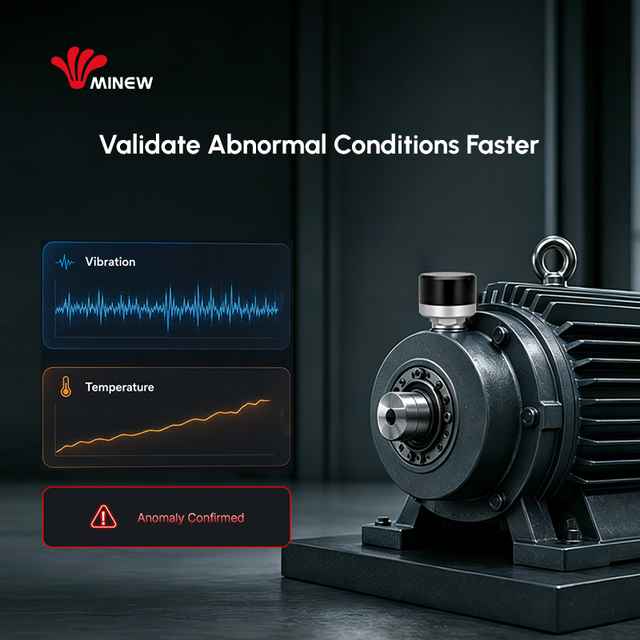
* Predictive Analytics: Amperage monitoring is now the leading method for identifying early signs of mechanical stress or electrical imbalance Madgetech. Trending upward amperage often precedes motor overheating or insulation breakdown.
* Integrated Sensing: Modern IE5 motors increasingly feature built-in position encoders and temperature sensors to provide real-time performance data directly to digital platforms Alibaba.
* Power Factor Impact: Industrial users are focusing on the relationship between amperage and power factor; larger motors running at low loads draw higher "amps" despite low real power consumption, leading to inefficiency Industrialmonitordirect.
3. Key Product Solutions
* Advanced Monitoring: Digital load monitors (e.g., ) and wireless data loggers (e.g., ) are standard for Industry 4.0 setups to prevent unplanned downtime.
* High-Voltage Solutions: Large-scale industrial operations utilize high-voltage insulation monitoring systems to track electrical health in real-time .
* IE5 Brushless Motors: Specialized IE5 PMSM motors are gaining traction in industrial fans and automation for their superior energy-to-current ratio .
Based on these insights, you can continue with:
Wireless Motor Current Data Logger For Predictive Maintenance
Products · 3 lists

Deep Dive · Full Report
Full Market Report
1 document · Live-fetched from source
Related Searches
Explore more sourcing topics & related categories
Sources & References
18 sources cited · Verified industry data & reports
Electric Motor Market Size, Share, Trends, Growth Report ...
Fortune Business Insights
The global electric motor market size is projected to grow from $176.49 billion in 2026 to $319.70 billion by 2034, at a CAGR of 7.71% ...
Electric Motor Market Size, Share and Forecast, 2026-2033
Coherent Market Insights
The electric motor market is estimated to be valued at USD 155.40 Bn in 2026 and is expected to reach USD 257.82 Bn by 2033, growing at a ...

Electric Motor Market Companies, Size & Trends 2026-2035
Precedence Research
The electric motor market size is valued at USD 193.83 billion in 2026 and is expected to reach around USD 363.39 billion by 2035, growing at a CAGR of ...

Market Trends in the Electric Motor Industry: Current Size, ...
The Electric Motor market is projected to experience an annual growth rate of 12.7% from 2026 to 2033. The Electric Motor Market is expected to ...

Four Trends to Watch in 2026
Inmotion Technologies
Discover four key electrification trends shaping 2026, from hybrid systems to electric-over-hydraulic solutions. Insights from OEMs, experts ...

North America Electric Motor Market Size & Forecast 2034
IMARC Group
North America electric motor market size was valued at USD 30.7 Billion in 2025, expected to hit USD 37.5 Billion at a CAGR of 2.11% during 2026-2034.