Mp4 Cell Phone

Overview
Product sourcing insights & recommendations
The phrase "mp4 cell phone" has undergone a significant transformation. In 2026, it represents a high-growth niche driven by the "digital detox" movement and a resurgence in retro tech.
Key findings include:
- Market Pivot: The literal "video phone" has been replaced by Digital Audio Players (DAPs) and minimalist "dumbphones" that focus on distraction-free media playback FacebookHifiwalker.
- Retro Resurgence: Refurbished and modded iPods are currently some of the "hottest" tech products, with secondhand market values rising significantly due to "streaming fatigue" Facebook.
- Consumer Shift: Audiophiles are moving back to dedicated hardware to regain true ownership of high-fidelity music (FLAC/DSD) and physical headphone jacks LifehackerHifiwalker.
I have compiled a comprehensive market research report detailing these trends, consumer pain points, and current B2B product offerings from top suppliers. The report below includes detailed insights into the shift from "all-in-one" devices to high-value "single-purpose" hardware.
Based on these insights, you can continue with:
Mp4 Player Phone
Products · 3 lists
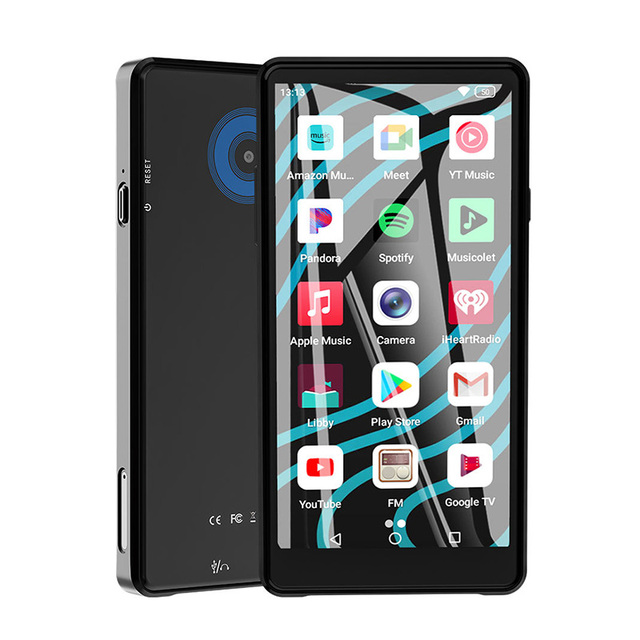
Stylish Android Music MP3/MP4 Player with Camera 5-inch Touch Screen Built-in Speaker 4+64GB Memory BT/WiFi Mp4 Media Player
 Shenzhen DNA Co., Ltd.🇨🇳CN13 yrs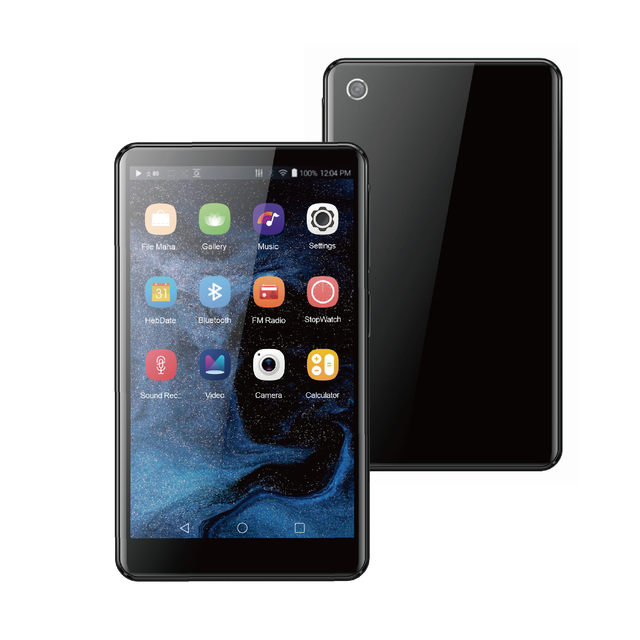
Hot Selling Touch Screen Mp3 Music Player No Camera FM Record Mp4 Android Music Player
 Shenzhen Ballet Digital Technology Co., Ltd.🇨🇳CN8 yrs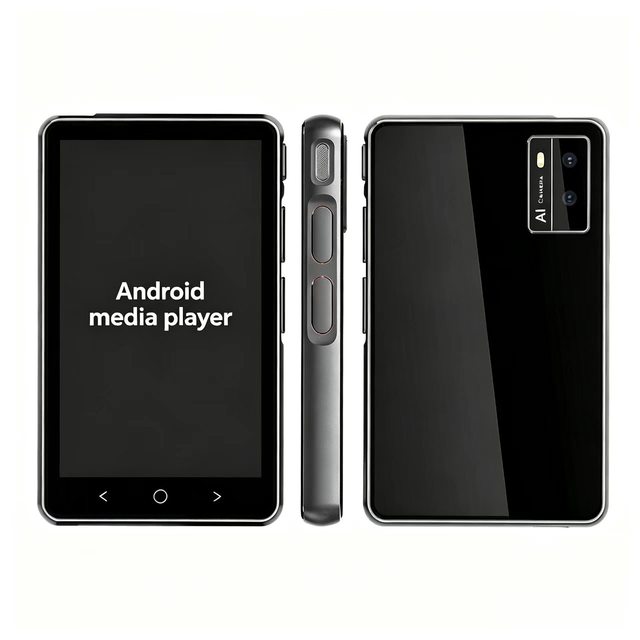
Android Media Player 4 Inch Touch Screen UNIWA MP002 Mini MP4 Music with WIFi and Display Tablet Smartphone
 Shenzhen Connectech Technology Co., Ltd.verified🇨🇳CN9 yrs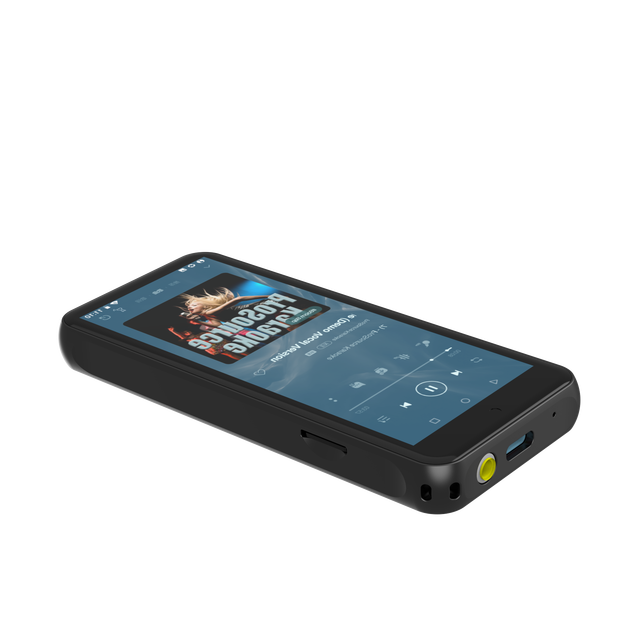
Android Smart Mp4 RUIZU Z80 Video HiFi Hi-Res Music Player With Recording Support 128gb Tf Card Big Memory Mobile Assistant
 Shenzhen RUIZU Thehnology Co., Ltd.🇨🇳CN4 yrs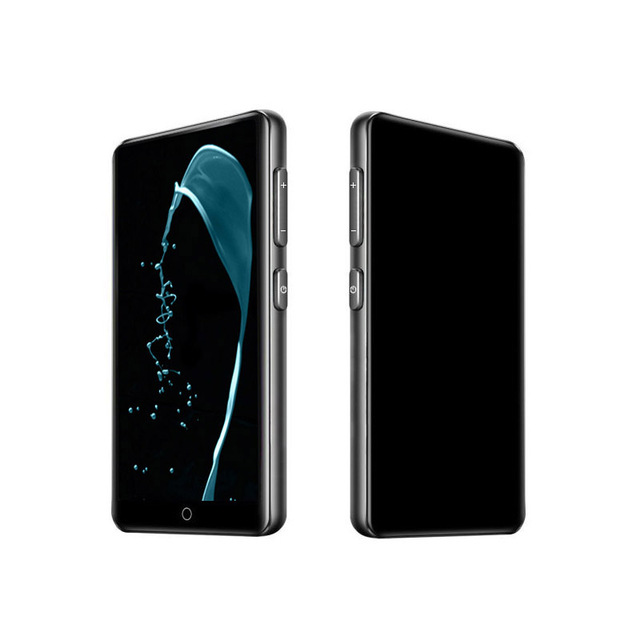
2020 BENJIE Android MP4 Player With 3.5 Inch Touch Screen, Camera and Wifi
 Shenzhen Benjie Technology Co., Ltd.verified🇨🇳CN11 yrs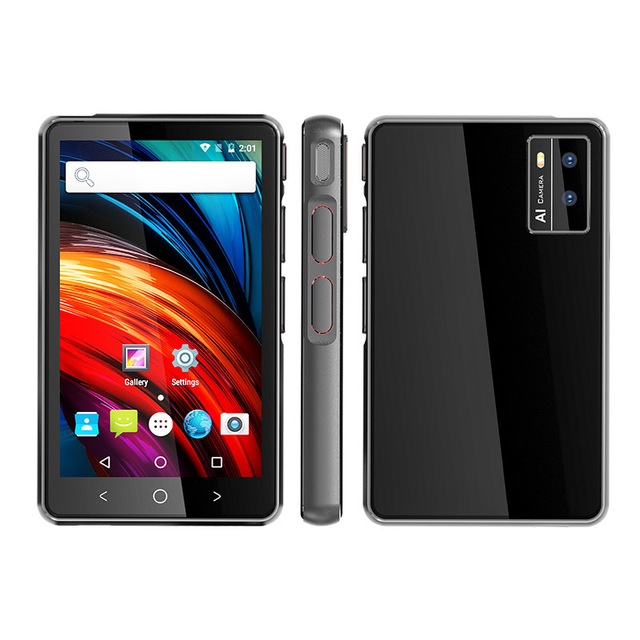
UNIWA MP002 >4 Inch Touch Screen Quad Core 1+8GB Mini MP4 Player with WiFi FM Radio Built-in Speaker Voice Recorder E-Book Games
 Panorama Electronics USA Inc🇺🇸US3 yrs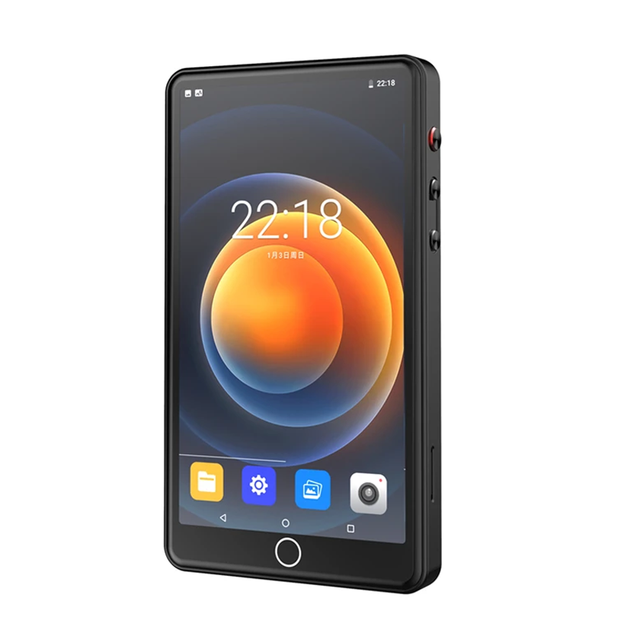
Mahdi 64GB Touch Screen Camera MP4 Player Smart OS WiFi Bt Recorder Speaker TF Card MP3 Digital Media Music Video Player
 Dongguan Top Cloud Technology Co., Ltd.🇨🇳CN7 yrs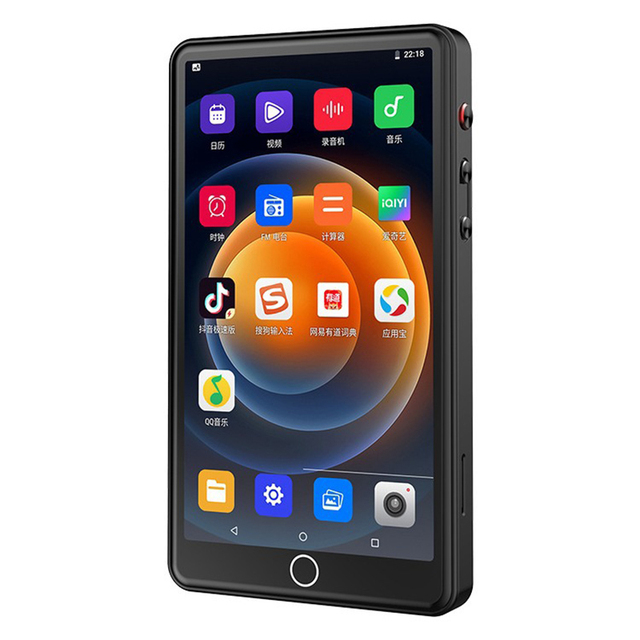
5.0-Inch Android WiFi MP4/MP5 Player - Full-Screen BT MP3 with Camera, Student Portable Audio Video Device
 Shenzhen Smile Technology Co., Ltd.🇨🇳CN5 yrs
Deep Dive · Full Report
Full Market Report
1 document · Live-fetched from source
Related Searches
Explore more sourcing topics & related categories
Sources & References
28 sources cited · Verified industry data & reports
History of mobile phones - Wikipedia
en.wikipedia.org
Mobile telephones for automobiles became available from some telephone companies in the 1940s. Early devices were bulky, consumed large amounts of power, and the network supported only a few simultaneous conversations. (Modern cellular networks allow automatic and pervasive use of mobile phones for voice- and data communication.) Solutions of this phone were based on a system developed by Leonid Kupriyanovich. One base station, connected to one telephone wire line, could serve up to 15 customers. Advances in mobile telephony can be traced in successive generations from the early "0G" services like MTS and its successor Improved Mobile Telephone Service, to first-generation (1G) analog cellular networks (1979–), second-generation (2G) digital cellular networks (1991–), third-generation (3G) broadband data services (launched commercially in 2001) to the fourth-generation (4G) native-IP networks (launched in 2006 in South Korea). RCC based services were provided until the 1980s when cellular AMPS systems made RCC equipment obsolete. Some RCC systems were designed to allow customers of adjacent carriers to use their facilities, but equipment used by RCCs did not allow the equivalent of modern "roaming" because technical standards were not uniform. For example, the phone of an Omaha, Nebraska–based RCC service would not be likely to work in Phoenix, Arizona. In the UK, Channel Islands and elsewhere the "Rabbit" phone system was briefly used, being a hybrid of "cell" base stations and handsets. One major limitation was that you had to be less than 300 feet (91 m) feet (closer with buildings) from a base due to power limitations on a portable device. West Germany had a network called A-Netz that launched in 1958 as the country's first public commercial mobile phone network. In 1972, this was displaced by B-Netz which connected calls automatically. In December 1947, Douglas H. Ring and W. Rae Young, Bell Labs engineers, proposed hexagonal cells for mobile phones in vehicles.
History of videotelephony - Wikipedia
en.wikipedia.org
Although its frame rate was crude and its memory is considered tiny in the present day, the phone was viewed as "revolutionary" at the time of its release. The Kyocera project was initiated at their Yokohama research and development center by Kazumi Saburi, one of their section managers. His explanation for the project was "Around that time, cellular handsets with enabled voice and SMS communication capabilities were considered to be just one among many personal communication tools. Saburi also stated that their R&D section had "nourished [the idea] for several years before" they received project approval from their top management which had encourage such forward-thinking research, because they "also believed that such a product would improve Kyocera's brand image." Their research showed that a "cell phone with a camera and color display provided a completely new value for users, It could be used as a phone, a camera and a photo album". One day a simple idea hit us - 'What if we were able to enjoy talking with the intended person watching his/her face on the display?' We were certain that such a device would make cell phone communications much more convenient and enjoyable." Herbert Ives along with his team of more than 200 scientists, engineers and technicians. The Bell Labs early experimental model of 1930 had transmitted uncompressed video through multiple phone lines, a highly impractical and expensive method unsuitable for commercial use. The images were captured by the Picturephone's compact Vidicon camera and then transferred to a storage tube or magnetic drum for transmission over regular phone lines at two-second intervals to the receiving unit, which displayed them on a small cathode-ray television tube.
Camera phone - Wikipedia
en.wikipedia.org
↑ Maney, Kevin (2007-01-23). "Baby's birth foretells "birth" of the cell phone camera — and societal evolution". USA Today. Archived from the original on 2007-10-21. 1 2 "From J-Phone to Lumia 1020: A complete history of the camera phone". Digital Trends. August 11, 2013. Archived from the original on 14 September 2019. Retrieved 15 September 2019. ↑ "Evolution of the Camera phone: From Sharp J-SH04 to Nokia 808 Pureview". ↑ "History of digital camera". 2007-02-19. Archived from the original on February 19, 2007. Retrieved 2016-05-19. ↑ "Apple Prototypes: 5 Products We Never Saw". Tech Weird News. 2006-11-30. Archived from the original on 2011-12-10. ↑ "United States Patent: D405457 - Digital camera with cellular phone and portable computer". Some devices experimented with the integration of the device to communicate wirelessly with the Internet, which would allow instant media sharing with anyone anywhere. The DELTIS VC-1100 by Japanese company Olympus was the world's first digital camera with cellular phone transmission capability, revealed in the early 1990s and released in 1994. In 1995, Apple experimented with the Apple Videophone/PDA. There was also a digital camera with a cellular phone designed by Shosaku Kawashima of Canon in Japan in May 1997. In Japan, two competing projects were run by Sharp and Kyocera in 1997. Both had cell phones with integrated cameras.
History of cell phones - The complete guide | Mint Mobile
www.mintmobile.com
Few things have had as significant of an impact on the lives of humans as the invention of the cell phone. Since their debut in the ‘70s, the evolution of the cell phone has been truly fascinating. It wasn’t long ago that the idea of video calls was something reserved for sci-fi movies, but now even that’s old news. Originally intended to just be a handheld communication device, the cell phone has evolved into a mini computer that people use to do pretty much everything except call each other (although they still have that function). How did we get from T-9 texting on a low-res flip phone to watching high-def movies (or reading super interesting blogs) on a pocket-sized touchscreen? A major breakthrough that came in the late ‘90s was cell phones gaining internet access for the first time. This was also when Nokia introduced the 9000 Communicator, which sounds like something you’d see in your favorite TV show about space travel, and for users at the time, it kinda felt like it too. In the year 2000, Japan introduced the first mass market cell phone with a built-in camera. It had an extremely low resolution compared to today’s phones at approximately 100,000 pixels, but was remarkable for its time.
Mobile phone - Wikipedia
en.wikipedia.org
↑ Strat-Comm, Sailient (6 January 2018). "The evolution of emoji into culture". Medium. Retrieved 18 July 2023. Agar, Jon, Constant Touch: A Global History of the Mobile Phone, 2004 ISBN ↑ Lynn, Natalie (10 March 2016). "The History and Evolution of Mobile Advertising". Gimbal. Archived from the original on 8 October 2017. "50 years ago, he made the first cell phone call". CNN. Retrieved 30 June 2025. ↑ "Swedish National Museum of Science and Technology". Tekniskamuseet.se. Archived from the original on 22 October 2008. Retrieved 29 July 2009. ↑ "Duke of Cambridge Presents Maxwell Medals to GSM Developers". IEEE United Kingdom and Ireland Section. 1 September 2018. Retrieved 10 December 2020. ↑ "History of UMTS and 3G Development". ↑ "Timeline from 1G to 5G: A Brief History on Cell Phones". CENGN. 21 September 2020. A mobile phone or cell phone is a portable wireless telephone that allows users to make and receive calls over a radio frequency link while moving within a designated telephone service area, unlike fixed-location phones (landline phones). This radio frequency link connects to the switching systems of a mobile phone operator, providing access to the public switched telephone network (PSTN).
THE HISTORY AND EVOLUTION OF CELL PHONES
learn.k20center.ou.edu
Phone had longer battery lives and more talk time, making them more popular at the time. As the · technology advanced, cell phone companies figured out how to pack all the features their When cameras were first introduced on phones, the images were low quality and the feature was ... It’s not just the technology of the cell phone that has changed over time, the physical design has Early cell phones were just for talking. The cell phones of today are also replacing our other gadgets, such as cameras and video cameras.