Nintendo Gameboy Micro

Overview
Product sourcing insights & recommendations
The Nintendo Game Boy Micro has transitioned from a commercial underdog to a high-value collector's icon in 2026. While it originally struggled due to the launch of the Nintendo DS, its premium metallic design and sharpest-in-class backlit screen have made it a favorite for retro enthusiasts. As of late 2026, market values have stabilized with loose units reaching $130–$200 and mint, boxed editions exceeding $350. The report below provides a detailed breakdown of current pricing benchmarks, technical specs, and investment trends like the "Mod Value" premium and the impact of Japanese imports.
I have found several B2B suppliers offering high-quality restoration parts like faceplates and charging cables to support the growing restoration market. The full analysis, including the 50/30/20 valuation rule and sourcing strategies, is available in the deliverable below.
I have synthesized the 2026 market data. You can continue with:
Game Boy Micro Faceplate And Accessories
Products · Top picks & verified manufacturers

Faceplate Cover Replacement Front Panel Shell Housing Case for Nintendo Game Boy Micro GBM
 Shenzhen Co-Growing Technology Co., Limited🇨🇳CN10 yrs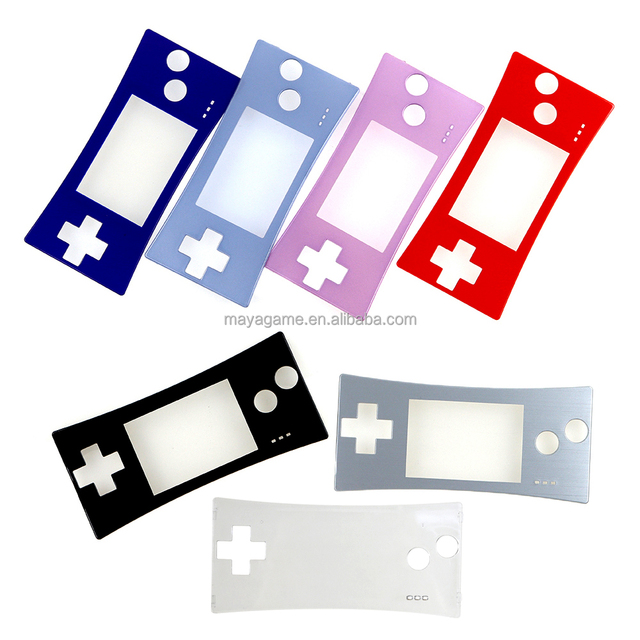
For GBM GameBoy Micro Replacement Front Shell Case Cover Front Faceplate for Game Accessories
 Shenzhen Maya Video Game Technology Co., Ltd.🇨🇳CN4 yrs
Shell Clear Cover Transparent Faceplate Case for GameBoy Micro for GBM Console Faceplate Face Plate Case
 Foshan LQJP Technology Co., Ltd.verified🇨🇳CN12 yrs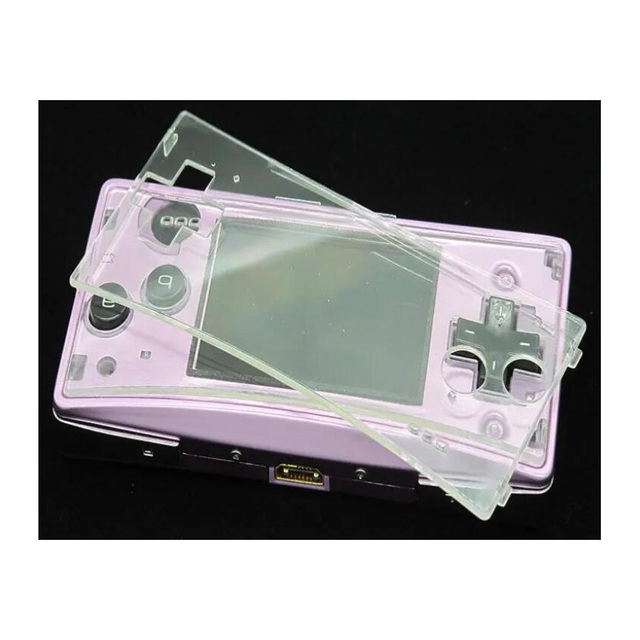
Faceplate Case for GameBoy Micro Transparent Clear Cover Shell for GBM Console Replacement Face Plate Protective Case
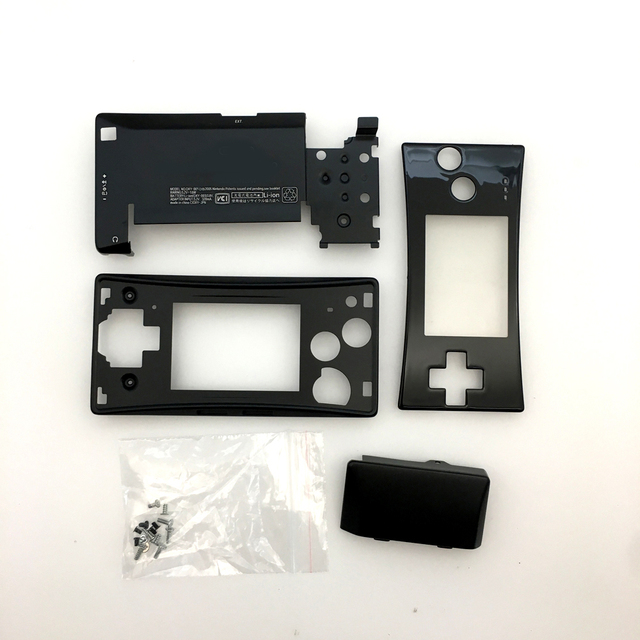
Wholesale Black Chrome Plating Full Housing Shell Case Front Bottom Case Cover for Nintendo Gameboy Micro GBM
 Shenzhen Speed Sources Technology Co., Ltd.🇨🇳CN15 yrs
Gold Silver Black Red Blue 4 in 1 Metal Housing Shell Front Case for GameBoy MICRO for GBM Case Cover Repair Part
 Shenzhen Xunbeifang Technology Co., Ltd.🇨🇳CN12 yrs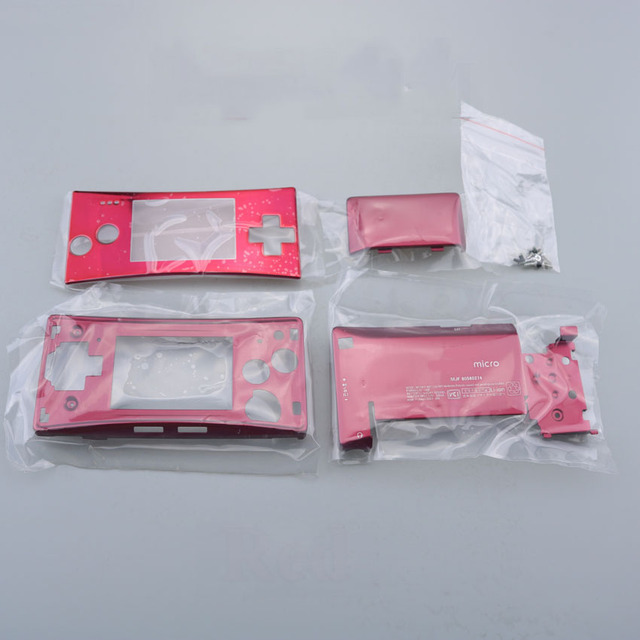
Wholesale Gold Chrome Plating Full Housing Shell Case Front Bottom Case Cover for Nintendo Gameboy Micro GBM
 Shenzhen Joy Way Technology Co., Ltd.🇨🇳CN12 yrs
US EU Wall Charger for GBM AC Adapter for Gameboy Micro
 Foshan BXD Trading Co., Ltd.🇨🇳CN8 yrs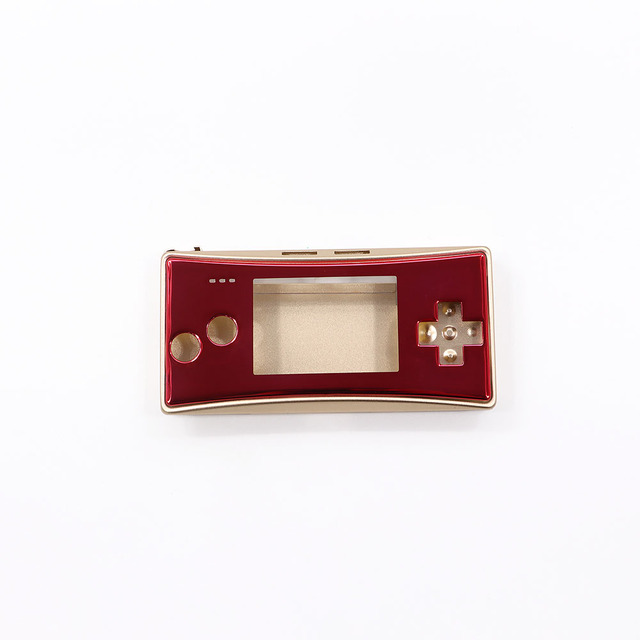
OEM Metal High Quality Housing Shell Case for GameBoy MICRO Console Replacement Cover for GB-M
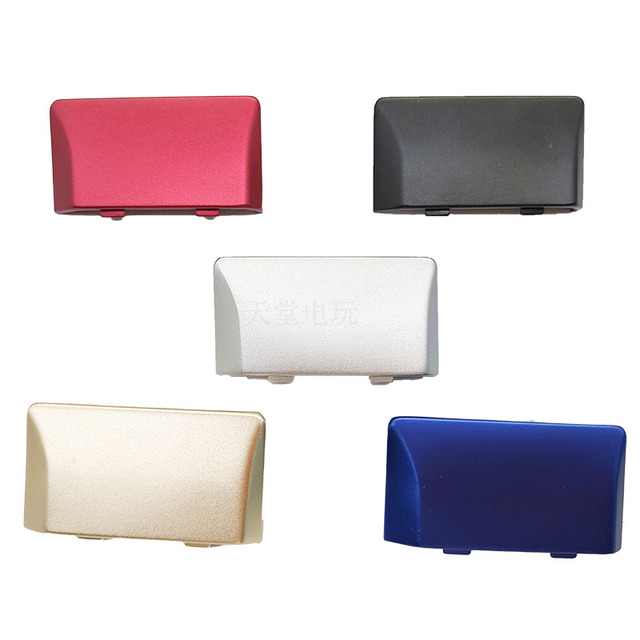
New Replacement Battery Lid Cover for Nintendo Gameboy Micro GBM

White LED Worm Light Lamp Screen Gameboy Advance Micro & Color GBC Compatible Illumination Accessory
 Shenzhen Chenchen Industrial Co., Limited🇨🇳CN8 yrs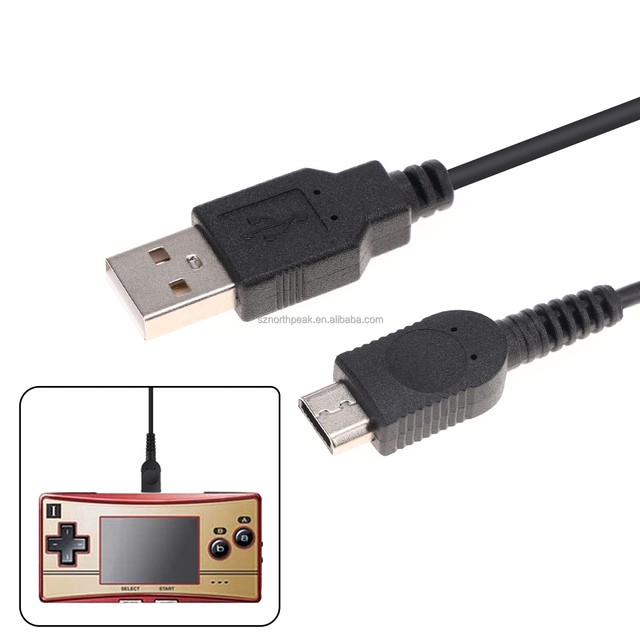
1.2M Charger Cable USB Power Supply Charger Cord for GBM Console Charging Lead Power Cable Charge Wire for GameBoy Micro Console
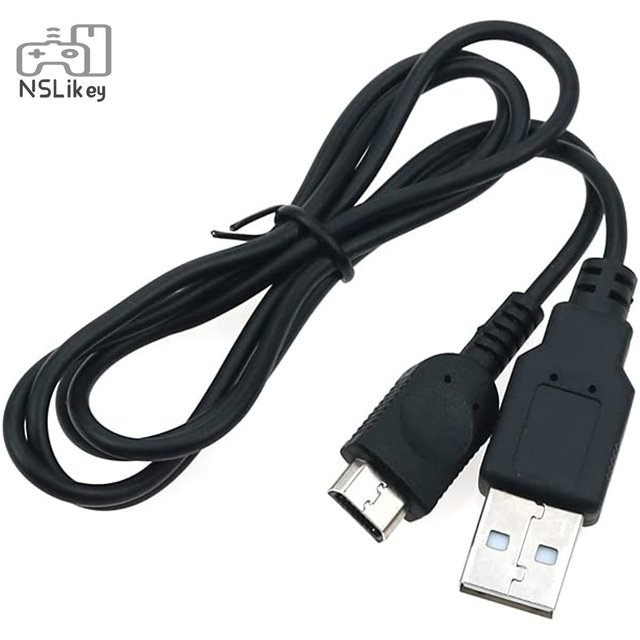
NSLikey 1.2m USB Power Supply Charging Cable for Game Boy Micro GBM Console Chargering Cable
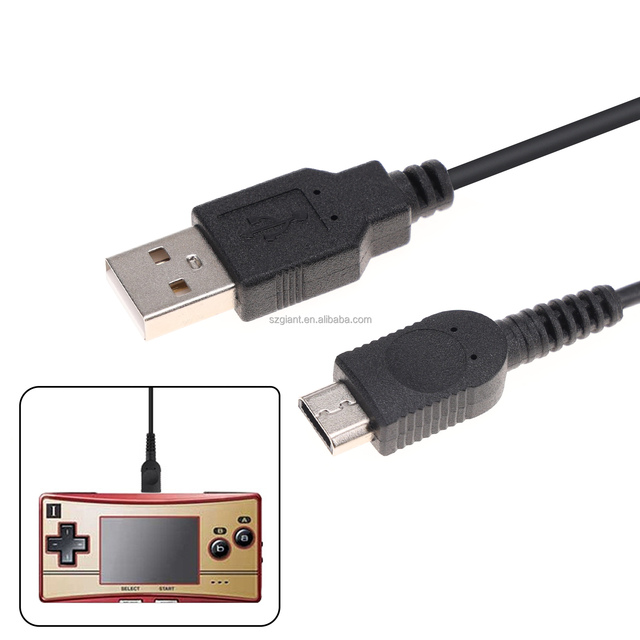
Replacement 1.2M for N GBM Power Supply Charging Cable for Game Boy Micro Adapter Charger Cord Chargeable Line Wire
 Shenzhen Jap Technology Co., Ltd.verified🇨🇳CN5 yrs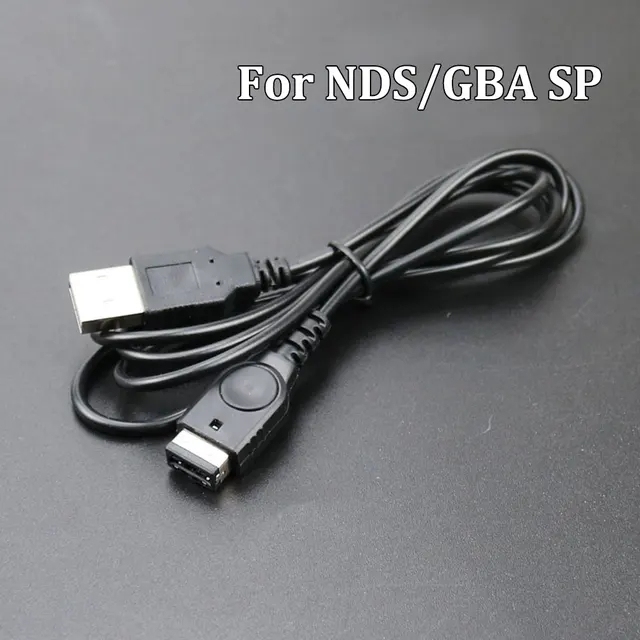
For GB/GBCGBM/GBA SP/NDSL/NDS/3DS/New 3DS/USB Power Supply Charging Charger Cable For Nintendo Game Boy Micro GBM Console
 Shenzhen Forever Electronic Technology Co., Ltd.🇨🇳CN7 yrs
For GB/GBCGBM/GBA SP/NDSL/NDS/3DS/New 3DS/USB Power Supply Charging Charger Cable For Nintendo Game Boy Micro GBM Console
 Shenzhen Wengo Electronic Technology Co., Ltd.🇨🇳CN14 yrs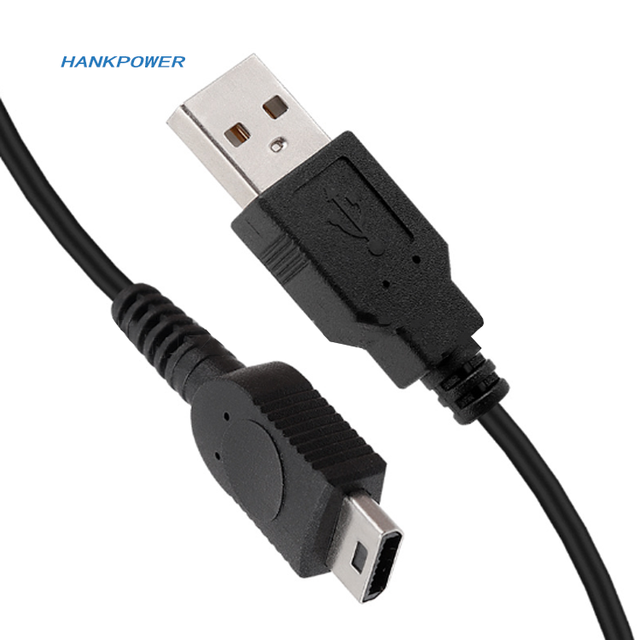
USB Power Supply Charging Cable for Nintendo GBM Charge Adapter for Game Boy Micro Console Charger Cable 1.2m
 Dongguan Hanpu Electronic Technology Co., Ltd.🇨🇳CN8 yrs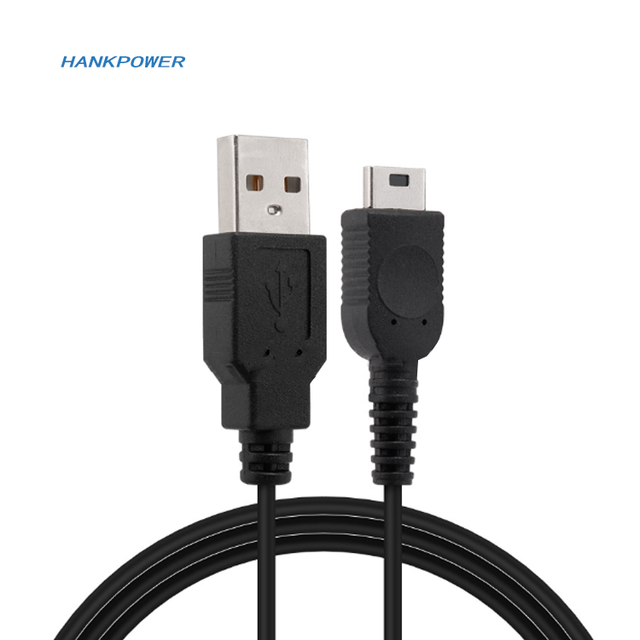
1.2m Power Supply Charging Cable for Nintendo GBM Charge Adapter for Game Boy Micro Console Charger Cable
 Dongguan Hanpu Electronic Technology Co., Ltd.🇨🇳CN5 yrs
Deep Dive · Full Report
Full Market Report
1 document · Live-fetched from source
Related Searches
Explore more sourcing topics & related categories
Sources & References
25 sources cited · Verified industry data & reports
Game Boy Micro - Wikipedia
en.wikipedia.org
Game Boy Micro sold in Australia have the same colors (except green which replaced by red color) as Europe. Aside from Nintendo of America's online store, additional faceplates were not sold in the US, and were entirely unavailable in the UK. The feature was omitted from the product's marketing, packaging, and manual in Europe. The Game Boy Micro is a handheld game console developed and marketed by Nintendo. It was released in Japan on September 13, 2005, and in other regions later that year. A miniaturized version of the Game Boy Advance, it was the last in the Game Boy line. Unlike other Game Boy Advance models, the Micro lacks backward compatibility for original Game Boy and Game Boy Color games. They opted for a metallic casing that the company president, Satoru Iwata, said was unusual for Nintendo. The Game Boy Micro was announced by Nintendo of America's vice president of sales and marketing, Reggie Fils-Aimé, at the Electronic Entertainment Expo press conference on May 17, 2005. The Game Boy Micro retains some of the functionality of the Game Boy Advance SP but in a more compact form. Additionally, it has a backlit screen with the ability to adjust the brightness, and several internal metal plates to keep its shape. The shape is oblong, similar to the Nintendo Entertainment System controller. While Game Boy or Game Boy Advance Game Link cables and the Game Boy Advance Wireless Adapter are not compatible with the Game Boy Micro system, adapters and a Game Boy Micro-compatible Wireless adapter have been released. Nintendo also redesigned their Play-Yan music/video adapter to better fit the Game Boy Micro.
Game Boy Micro | Nintendo | Fandom
nintendo.fandom.com
The Game Boy Micro (stylized as GAME BOY micro or Gameboy micro and also called GBA Micro or GBM) is the second and final redesign (much smaller) of the original Game Boy Advance and is, overall, the final of the six models in the Game Boy line, alongside the AGS-101 model of the Game Boy Advance SP. Development of the Micro began in 2004 (shortly before the release of the Nintendo DS) and was first announced at E3 2005 on May 17. The Game Boy Micro never sold as well as Nintendo wanted it to, as the lack of GBA games being made was scarce and also due to the screen size dropping down to a 2 inches display and it was overshadowed by Nintendo's other portable, the DS (which was released ten months before the Micro), as well as the upcoming DS Lite (which also played GBA games). The system, along with its predecessors, were discontinued in December 2009 and system sales shipping ended on May 15, 2010, ending the 21-year history of the long-running and classic Game Boy line.[2] The Game Boy Micro uses its own unique charger that isn't compatible with any other Nintendo consoles and also comes with its very own faceplate unlike the older Game Boy models. ↑ Vega, N. (March 13, 2017). A look back at the Game Boy Micro, the Nintendo console that time forgot. Business Insider. Retrieved December 16, 2019. ↑ https://www.webcitation.org/6hBWlh2lb?url=https://www.nintendo.co.jp/ir/library/historical_data/pdf/consolidated_sales_e1603.pdf
Gameboy Micro - Everything You Need To Know
retrododo.com
For many gamers out there, the Gameboy Micro may still feel like a little bit of a mystery. Many of us had already moved onto collecting the best Nintendo 3DS games by the time that it came out, and we were already looking forward towards the future of touchscreen gaming. Nintendo ran with the Gameboy Micro for three years, providing gamers who couldn’t get over the fact that the Gameboy Advance would soon be going into a retirement home for discontinued consoles a chance to keep their horizontal handheld dreams alive. Over the course of this article, we’re going to learn everything about Nintendo’s last entry into the Gameboy series, how it competed with other consoles released by the gaming giants, and what it was like to play. Oh, and we’ll also explain what on earth a Gameboy Micro is for people who still have no idea what I’m talking about! As the name suggests, this handheld was pretty tiny, and we’ll get onto just how ‘micro’ the Gameboy Micro was in a second. The Gameboy has had a pretty striking evolutionary process since its release back in 1990. We’ve seen the DMG get slimmer, colour added into the equation, a camera peripheral entering the Guiness Book of Records, and the whole design being flipped 90 degrees for increased comfort. Nintendo had always been thinking about creating an even smaller Gameboy, though quite why they decided to do it after the release of their new Nintendo Dual Screen handheld I will never know.
Game Boy Micro | Hardware | Nintendo UK
www.nintendo.com
We've taken everything you love about Game Boy Advance and made it even smaller. With a crisp backlit screen, four stylish hardware designs and more than 500 games to choose from, Game Boy Micro puts power gaming in your pocket and makes it look better than ever. The Micro's diminutive dimensions won't interfere with your gaming fun. The back-lit LCD offers the sharpest display ever to appear on a Game Boy system. The Game Boy Micro plays all Game Paks for the Game Boy Advance, offering hundreds of top-quality titles anywhere you go. Spontaneous multiplayer sessions are a breeze with Game Boy Micro.
Game Boy micro - Bulbapedia, the community-driven Pokémon ...
bulbapedia.bulbagarden.net
This is commonly attributed to the fact that the console was released after the Nintendo DS, which not only included more advanced features, such as Wi-Fi and true 3D graphics, but itself contained a port to play Game Boy Advance games. It was available for US$99.99 in most stores, although by the end of its lifespan, it could be found for only US$19.99 brand new. While no games were released specifically for the Game Boy micro, it is capable of playing all Game Boy Advance games with the exception of the e-Reader. A number of specially designed consoles were also released, including one themed for Pokémon (see below). Among these also includes one made for the twentieth anniversary of Nintendo, which was made to look like the controller of the Famicom. The Game Boy micro lacks the processor required to play Game Boy and Game Boy Color games. The Game Boy micro (Japanese: ゲームボーイミクロ Game Boy micro) is Nintendo's second redesign of the Game Boy Advance. The Game Boy micro and the CoCoPad are the only systems that can only play one generation's worth of Pokémon games, specifically Generation III.
Game Boy Micro | Ultimate Pop Culture Wiki | Fandom
ultimatepopculture.fandom.com
Game Boy Micro sold in Australia have the same colors (except Green which replaced by red color) as Europe.[22] There are reportedly no plans to sell additional faceplates in the US retail locations (as indicated in the letter page in issue 200 of Nintendo Power) or the UK.[23] Nintendo of Europe cannot supply replacement faceplates of any kind, and the feature is omitted from the product's marketing, packaging, and manual in Europe. Unlike its predecessor, the Game Boy Micro lacks backward compatibility for Game Boy or Game Boy Color games. ... According to Nintendo of America vice president George Harrison, the idea for a smaller version of the Game Boy was first discussed in 2004.[3] Harrison explained that unlike the traditional console development process, Nintendo was always thinking about new ideas for the Game Boy, describing it as a "continuous process of invention".[3] Developed under the code name "Oxy",[1] the company tried many ways to see how small they could make the Game Boy, opting for a metallic casing that, according to Nintendo Co. Ltd president Satoru Iwata, was "unusual for Nintendo".[4] The Game Boy Micro was announced by Nintendo of America's vice president of sales and marketing, Reggie Fils-Aimé, at the company's Electronic Entertainment Expo press conference on May 17, 2005.[5][6] The system was released in Japan on September 13, 2005 and in North America on September 19, 2005.[7] It was released in Europe on November 4, 2005 and Australia on November 3, 2005.[8] It was released in China as the iQue Game Boy Micro on October 1, 2005, and later released in South Korea on November 9, 2005. The control pad has a similar design to the later Nintendo DS Lite and Nintendo 3DS systems. The Game Boy Micro retains some of the functionality of the Game Boy Advance SP, but with a more compact form factor. It is unable to play original Game Boy and Game Boy Color games due to design changes.