Non Android Smartphones

Overview
Product sourcing insights & recommendations
I have completed a comprehensive analysis of the non-Android smartphone market for 2026. The market is currently defined by a high-stakes competition between iOS and HarmonyOS, particularly in China where they are now effectively tied in market share. While Android leads in global volume, non-Android platforms dominate the premium segment, driven by breakthrough innovations in On-Device AI (Apple Intelligence) and independent microkernel architectures (HarmonyOS NEXT).
The accompanying report provides detailed regional market share data, identifying iOS's 59% dominance in the US versus the 24% tie in China. It also highlights key hardware trends like the adoption of silicon-carbon batteries and the expansion of spatial computing ecosystems. For B2B sourcing, I have included a shortlist of recommended iOS and HarmonyOS flagship devices available for wholesale.
I have analyzed the non-Android market for you. You can continue with:
Refurbished Iphones Bulk Wholesale Ios Devices
Products · 3 lists
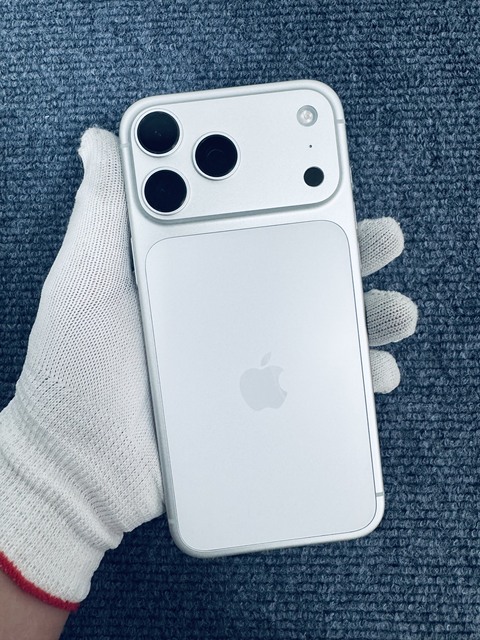
Second Hand Mobile Phones Original Grade A+ US Version Unlocked Smartphones Used Mobile Phone iPhone 17 Pro Max 256G
 Shenzhen Waley Technology Co., Ltd.🇨🇳CN4 yrs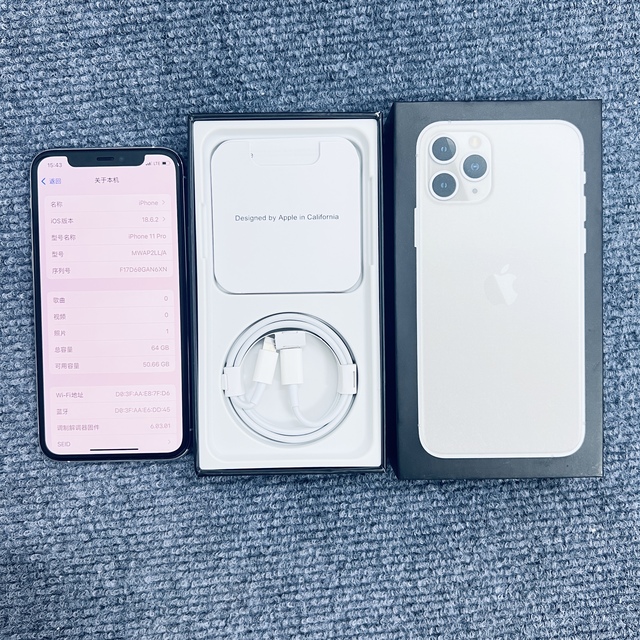
Used iphone 11 Pro Phones Original Used Phones Used Phones Wholesale Unlocked Used Phones Wholesale Used Phones Used Grade A
 MIDSUMMER INTERNATIONAL LIMITEDverified🇭🇰HK1 yr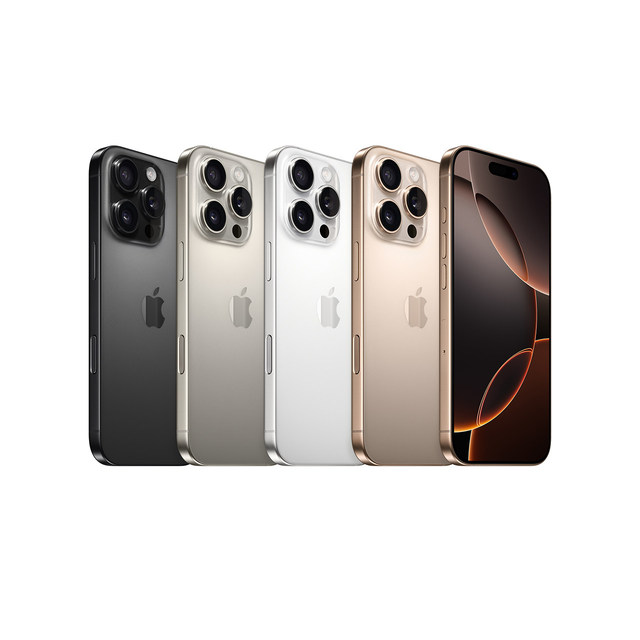
Wholesale Original Genuine for Apple 16promax 256GB Series Global 5G 100%-Used Mobile Phone US Version 8GB No SIM Lock Battery
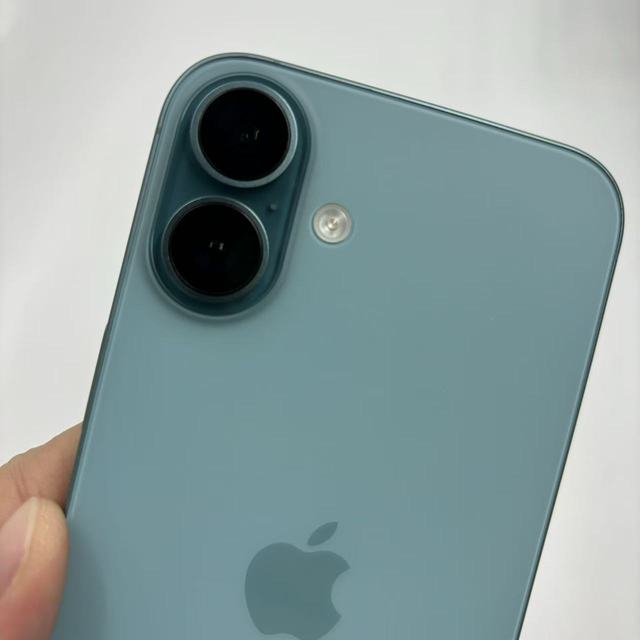
Wholesale Original Unlocked Used Brand Mobile Phone 128G 5G Cell Smartphone iPhone 16 Plus
 Xixun Trading (guangzhou) Ltd.verified🇨🇳CN3 yrs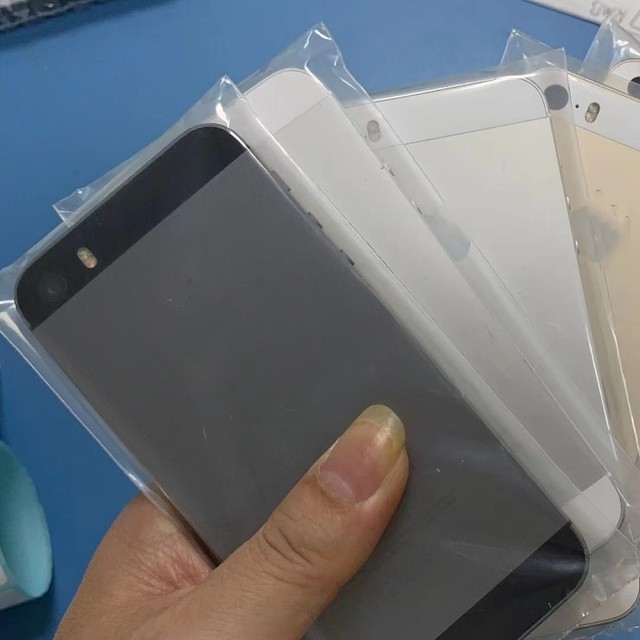
A+5S GOOD Quality 99%new Mobile Phone Original 5s Ios I Phone Mobile
 Shenzhen Jipstar Electronic Co., Limitedverified🇨🇳CN16 yrs
Deep Dive · Full Report
Full Market Report
1 document · Live-fetched from source
Related Searches
Explore more sourcing topics & related categories
Sources & References
17 sources cited · Verified industry data & reports
Mobile OS Market Share 2026: iOS vs Android Statistics
www.digitalapplied.com
Across all geographies and form factors, Android remains the volume platform and iOS the value platform. The third category — KaiOS, HarmonyOS outside China, and a residual long tail of unidentifiable Linux variants — sits under 1% globally and is shrinking as feature phones in India and Sub-Saharan Africa transition to budget Android devices. Three trends are most likely to compound over the next 18 months and define the 2027 reading of this same dataset. First, North American iOS share looks set to push past 60% on the strength of sub-25 demographic preference and family-plan stickiness — we project NA at iOS 61.5% / Android 38.2% by Q1 2027. Use the table of contents to jump to a specific region, version split, or pricing tier — the data points are organized for reference, not narrative reading. For broader mobile-web context, see our 2026 website statistics report and the 2026 search engine market share data. Android version adoption is shaped by OEM update commitments, carrier certification cycles, and the long replacement timelines of budget devices. The result is a much fatter long tail than iOS. The good news for app teams in 2026: Android 14 plus Android 15 together cross 69.9% of devices for the first time, the healthiest combined "current plus prior" reading in years.
Global Smartphone Sales Share by Operating System
counterpointresearch.com
Leading Mobile Operating Systems in 2026
www.accio.com
This report provides an analysis of the leading mobile operating systems (OS) based on market share, consumer preferences, and recent technological trends. It evaluates the current dominance of Android and iOS, the emergence of HarmonyOS, and the hardware landscape supporting these systems. Market Scope: Global mobile operating system market, focusing on smartphone adoption across major regions including North America, Europe, Asia-Pacific, and emerging markets (Africa, LATAM). Channels: Data derived from global market share trackers (Feb 2025 – Feb 2026), enterprise usage reports, and e-commerce platforms (TikTok, Alibaba) for device distribution. Trend Status: Mature but evolving. Growth is currently driven by AI integration (e.g., Google Gemini in Samsung S25) and 5G expansion in emerging markets. Fortunebusinessinsights · Evidence: 68.24% global market share as of Feb 2026; 90.86% share in LATAM. StatcounterProcurri · Pricing and Offer: Devices range from $1,000 for flagships. Competitors: iOS (Global), HarmonyOS (China). Trend Status: Emerging/Growing. Rapidly gaining ground in China as a viable alternative to Android. Procurri · Why Now: Geopolitical shifts and China's focus on technological independence. HarmonyOS surpassed iOS in China for four consecutive quarters in 2024. Regional Shift Tracking: Observe if HarmonyOS begins expanding beyond China into other markets seeking digital sovereignty (e.g., parts of Europe or APAC). Hardware Lifecycle: Assess the impact of Windows 10 end-of-life on the mobile enterprise market as organizations refresh their overall digital infrastructure. Procurri · Data Gaps: Specific profitability margins per OS for 2026 are not fully detailed in current market reports; only revenue and share percentages are available.
Android, iOS, or HarmonyOS: Which mobile OS led the market in Q2 ...
www.noypigeeks.com
In terms of global smartphone sales, Android dominated Q2 2026 with a 73% market share, maintaining a huge lead over its competitors. That’s up from 72% in the previous quarter. iOS came in second with 20%, despite a 2% drop from the previous quarter, while HarmonyOS took third place with a 5% market share. iOS continues to dominate its home market, the United States, with a 51% market share. However, we’re seeing a trend where Android manages to close the gap, only to fall behind again. In Q2 2026, Android narrowed the gap to just 2 percentage points, reaching a 49% market share. HarmonyOS is not included in the US figures, as HUAWEI mobile devices are banned in the country. Another market where HUAWEI devices are unavailable is India. The country is heavily dominated by Android, which holds a whopping 91% market share. iOS continues to struggle to gain a foothold, with just 9%. You’d think HarmonyOS would dominate its home market of China, but the numbers tell a different story. While it managed to overtake iOS in Q4 2025, HarmonyOS fell behind again in Q2 2026, holding an 18% market share compared to Apple’s 24%. Which smartphone OS dominated in Q2 2026.
Android vs iOS Statistics 2026: Users, Revenue, & Trends
www.tekrevol.com
Android and iOS are carving distinct paths in 2026. Android’s mass-market appeal rules emerging regions, while iOS bets big on premium pockets. New tech like foldables, AI, and 5G, plus China’s HarmonyOS, stirs the pot. In a nutshell, Android’s scale wins emerging markets, while iOS’s premium focus and Apple’s ecosystem drive high-value regions. HarmonyOS adds a wildcard in China. The tech race in 2026 is red-hot, with AI, AR/VR, and security reshaping iPhone vs Android. Affordable SE models boost emerging market share. iOS 18’s neural network Siri competes with Android’s Gemini-powered Google Assistant. Both enhance photography and personalization, but Android’s open AI ecosystem draws developers. South Korea’s 432.5 Mbps 5G speeds drive demand for 5G phones (45% of 5.3B devices). Android’s low-cost 5G options thrive in Asia; iOS leads in North America. Huawei’s HarmonyOS hits 19% in China, challenging Android (56%) and iOS (23%). Vision Pro targets pros; ARCore suits mass-market gaming. Security and EU DMA: The EU’s DMA forces iOS to allow sideloading and third-party app stores, leveling the playing field with Android’s open ecosystem. Privacy remains iOS’s edge. HarmonyOS: With 19% share in China, HarmonyOS’s microkernel and IoT focus challenge Android’s dominance.
Android vs iOS vs HarmonyOS — Here's How Each OS Ranks Globally ...
www.androidheadlines.com
If you’ve wondered how Android, iOS, and/or HarmonyOS rank globally, well, you’re in the right place. Counterpoint Research just released some data that we can relay to you. This information is based on Q2 smartphone shipment data, by the way. It is not based on devices that are in actual use, but on handsets shipped during the quarter. Let’s talk about the global state first. Android grabbed a 75% share, which is up from 73% in Q1 2026. HarmonyOS is third with a 5% share, the same as in the previous quarter. If you’re wondering about US-specific rankings, well, Counterpoint released that info too. In the US, iOS is leading with 51%, but Android is close second with a 49% share. As a reminder, iOS’ biggest share was in Q4 2025, when it was at 69%. In China, things are a bit different. Android is first with a 58% share, down from 63%, which it held in Q1 2026. Interestingly enough, HarmonyOS is second in China, with a 24% share, while iOS is third-placed with 18%. And finally, India. Things are massively different there. The difference between Android and iOS is huge. Android managed to grab a 91% share in India, up from 90% in Q1 2026. / Android News / Android vs iOS vs HarmonyOS — Here's How Each OS Ranks Globally And in 3 Major Markets ... Counterpoint Research’s Q2 2026 shipment data shows Android maintaining a dominant 75% global share, followed by iOS at 20% and HarmonyOS at 5%. The regional picture varies significantly: iOS narrowly leads in the US, HarmonyOS takes second place in China, while Android overwhelmingly dominates India with a 91% share.