Nvidia Memory

Overview
Product sourcing insights & recommendations


The phrase "nvidia memory" currently refers to two distinct but converging market trends: the critical scarcity of HBM3e/HBM4 for AI data centers and the transition to GDDR7 for high-performance consumer GPUs.
1. Market Trends: The "Memory Wall" and Supply Crisis
The global AI boom has shifted the industry focus from "compute scale" to "memory scale." Micron High-Bandwidth Memory (HBM) is now the primary bottleneck for NVIDIA's flagship accelerators.
* Supply Shortage: Both SK Hynix and Micron have confirmed that their entire HBM capacity for 2026 is already sold out, with NVIDIA and major hyperscalers locking in the majority of stock. Lovechip
* Pricing Volatility: Due to extreme scarcity, spot market premiums for next-gen memory components are projected to be 30–50% higher than standard contract pricing. Lovechip
* Strategic Alliances: A new "One-Team" model has emerged, where memory makers like SK Hynix partner directly with foundries like TSMC to build the logic base dies for HBM4, bypassing traditional internal manufacturing routes. Lovechip
2. Product Insights: HBM3e vs. HBM4 Roadmap
NVIDIA is rapidly evolving its memory architecture to support trillion-parameter AI models. LovechipMozelectronics
| Feature | HBM3e (Current Standard) | HBM4 (2026 Roadmap) |
|---|---|---|
| Peak Bandwidth | ~1.2 TB/s | 2.0 – 3.3 TB/s |
| Interface Width | 1,024-bit | 2,048-bit (Doubled) |
| Capacity (Stack) | 24GB – 36GB | 36GB – 64GB |
| Architecture | 12-layer stacks | 16-layer stacks |
* NVIDIA Rubin (2026): This next-gen architecture is expected to be the primary driver for HBM4, potentially carrying 288GB of HBM4 per GPU. Lovechip
3. Consumer Insight: The VRAM Breakthrough
In the consumer space (RTX 50-series and beyond), NVIDIA is moving toward GDDR7, which aims to solve the VRAM limitations that hindered local AI inference.
* Capacity Expansion: New 24Gb (3GB) density chips will enable single GPUs to reach up to 96GB of VRAM, significantly lowering the barrier for running large language models (LLMs) locally. Micron
* AI Benchmarking: Local VRAM capacity is now a binary "enabler." For instance, a 7B parameter model in FP16 precision requires a hard minimum of 28GB VRAM to function effectively, making high-capacity consumer cards essential for developers. Nvidia
The search for "nvidia memory" shows a massive peak in mid-2026, aligning with the expected production ramp-up of HBM4 and the next generation of AI-capable consumer graphics cards.
Based on these insights, you can continue with:
Hbm3e Memory Module For Nvidia Gpu
Products · Top picks & verified manufacturers
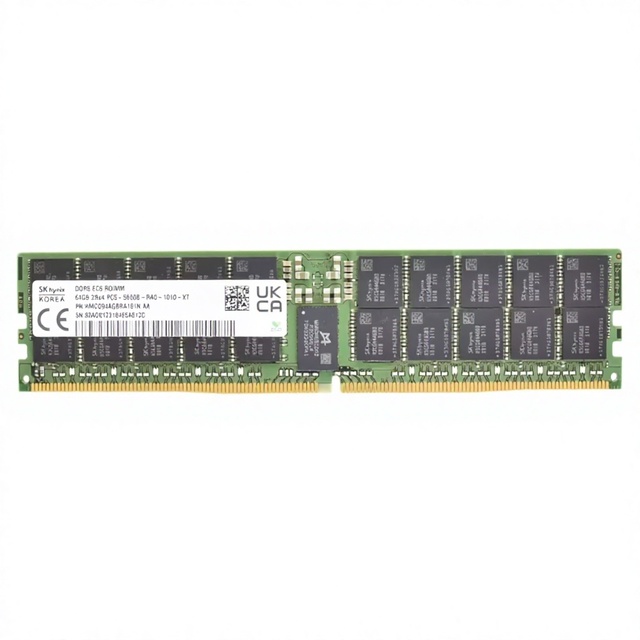
HMCG94AGBRA 64GB DDR5-5600 RDIMM Server RAM ECC Registered Memory Module for Workstation Storage
 Beijing Guangtian Runze Technology Co., Ltd.verified🇨🇳CN7 yrs
Wholesale Hmcgm4mebrb 96gb Ddr5-4800 Rdimm Server Memory Module
 Hunan Hongze Tong Information Technology Co., Ltd.🇨🇳CN1 yr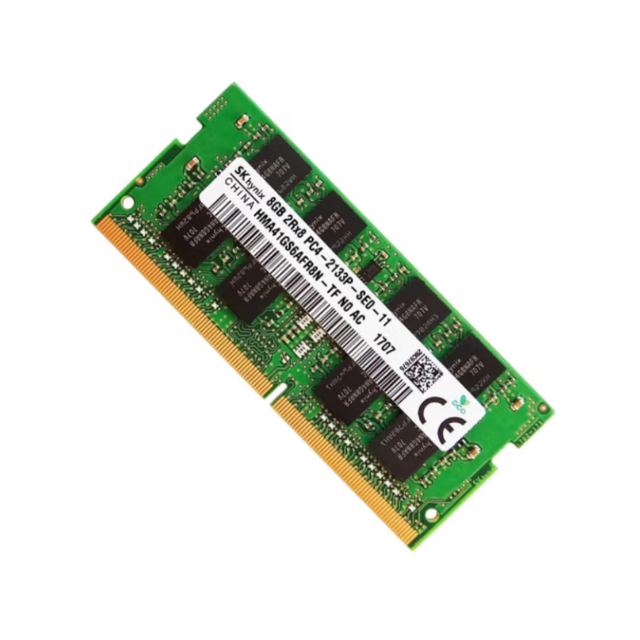
Suitable for SK Hynixxx DDR3L 4GB/8GB 1333MHz/1600MHz Low-voltage Memory Modules for Laptops.
 Shenzhen Kezhan Weite Electronics Co., Ltd.🇨🇳CN4 yrs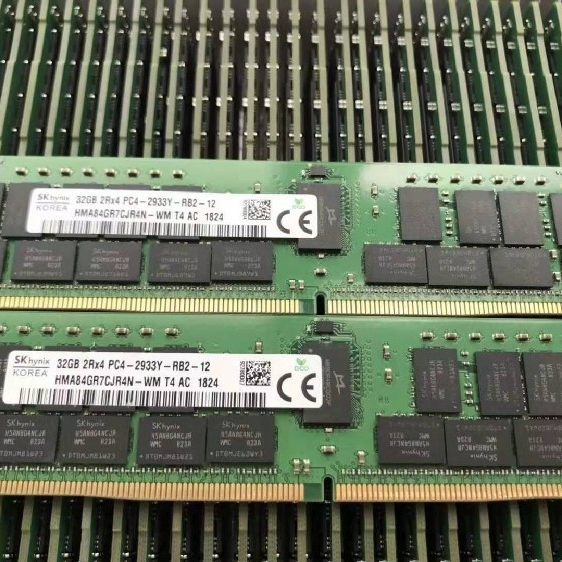
SK Hynix HMA84GR7JJR4N-WM 32 GB 2RX4 PC4-2933Y ECC Registered Server Memory Module China
 Shenzhen Shengshengjie Technology Co., Ltd.🇨🇳CN3 yrs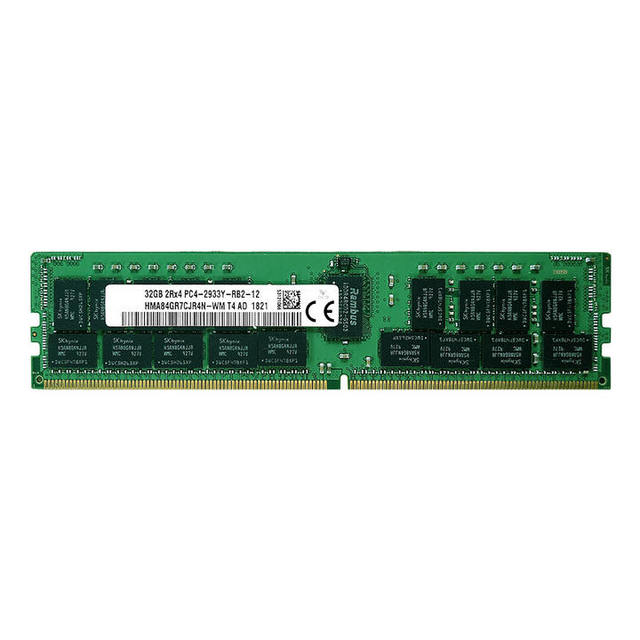
(suitable for)SK HYNIX 32GB 2Rx4 PC4-2933Y RED RECC Server RAM Memory Module HMA84GR7CJR4N-WM
 Guangzhou Nesi Electronic Technology Co., Ltd.🇨🇳CN5 yrs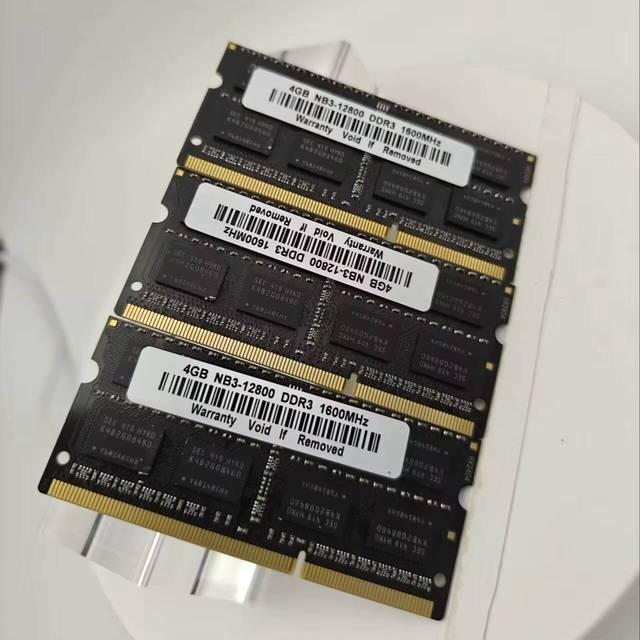
High Performance DDR3 4GB RAM 1600MHz NB3-12800 Desktop Memory Module
 Niko Industry INC🇺🇸US1 yr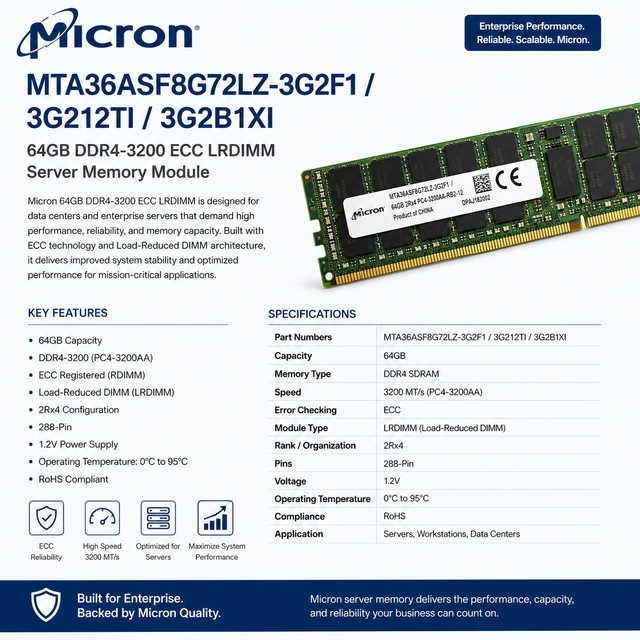
Micron MTA36ASF8G72LZ-3G2F1 / 3G212TI / 3G2B1XI 64GB DDR4-3200 ECC LRDIMM Server Memory Module
 Beijing Fengyuan Tengda Technology Co., Ltd.🇨🇳CN10 yrs
Related Searches
Explore more sourcing topics & related categories
Sources & References
23 sources cited · Verified industry data & reports
NVIDIA: World Leader in Artificial Intelligence Computing
NVIDIA
NVIDIA invents the GPU and drives advances in AI, HPC, gaming, creative design, autonomous vehicles, and robotics.
Nvidia
Wikipedia
Nvidia Corporation is an American multinational technology company headquartered in Santa Clara, California. The company develops graphics processing units ...

Nvidia
X · nvidia
The new lightweight open model and routing library delivers greater control over AI, data and workflows across edge devices, PCs, workstations, data centers and ...

NVIDIA Corporation (NVDA)
Yahoo Finance
NVIDIA Corporation operates as a data center scale AI infrastructure company in the United States, Taiwan, China, Hong Kong, Europe, and internationally. It ...
GeForce Official Site: Graphics Cards, Gaming ...
NVIDIA
Explore the world's most advanced graphics cards, gaming solutions, AI technology, and more from NVIDIA GeForce.
NVIDIA Developer
NVIDIA Developer
Turn real or simulated RGB video into diverse, model-ready physical AI datasets using agent skills to curate, augment, auto-label, and generate training data in ...