Nvidia Mxm Graphics Card

Overview
Product sourcing insights & recommendations
The market for NVIDIA MXM (Mobile PCI Express Module) graphics cards is currently undergoing a significant transition from the Ampere (RTX A-series) architecture to the next-generation Blackwell (RTX 50-series) architecture. This shift is driven by the explosive demand for Edge AI, autonomous systems, and high-performance embedded computing. AccioAdlinktech
Product Trends & Insights (2025–2026)
* Architecture Shift: The industry is moving toward RTX Blackwell MXM modules, which offer up to 1,824 TOPS of AI performance—a massive jump from previous generations. These modules now feature GDDR7 memory and PCIe 5.0 support. NvidiaElevenforum
* Embedded Focus: Unlike standard consumer cards, MXM modules are increasingly specialized for Industrial AI. Major players like ADLINK, Advantech, and ZOTAC are releasing ruggedized versions designed for fanless systems, medical imaging (ultrasound/surgery), and autonomous mobile robots (AMRs). AdvantechAdlinktechZotac
* Longevity & Ruggedization: Industrial MXM modules are guaranteed for 5–7 year lifecycles and support extreme operating temperatures (-40°C to +70°C). Advantech
Market Dynamics
* Market Size & Growth: The global graphics card market is projected to grow from $59B in 2025 to over $77B in 2026, with the industrial and mobile GPU segment seeing a CAGR of approximately 8.4% to 30% depending on the specific application (AI vs Gaming). ThebusinessresearchcompanyLinkedinGminsights
* Supply Challenges: Rumors indicate NVIDIA may reduce standard gaming GPU production by 30–40% in early 2026 due to memory shortages and a shift toward higher-margin AI products, which may tighten supply for lower-tier MXM modules. AccioReddit
* Pricing: High-end MXM modules like the RTX PRO 5000 are positioned as premium professional components, while older models like the RTX 3060/4060 remain popular in the secondary or renewed market for cost-effective upgrades. BgrAccioNotebooktalk
I have identified several verified suppliers and manufacturers specializing in industrial NVIDIA MXM modules and embedded AI solutions.
The following product list includes current industrial-grade NVIDIA modules and development kits suitable for edge computing and industrial automation.
Here is the market and product analysis for NVIDIA MXM graphics cards. You can continue by:
Industrial Embedded Mxm Gpu Module Nvidia Rtx Blackwell Ampere
Products · Top picks & verified manufacturers
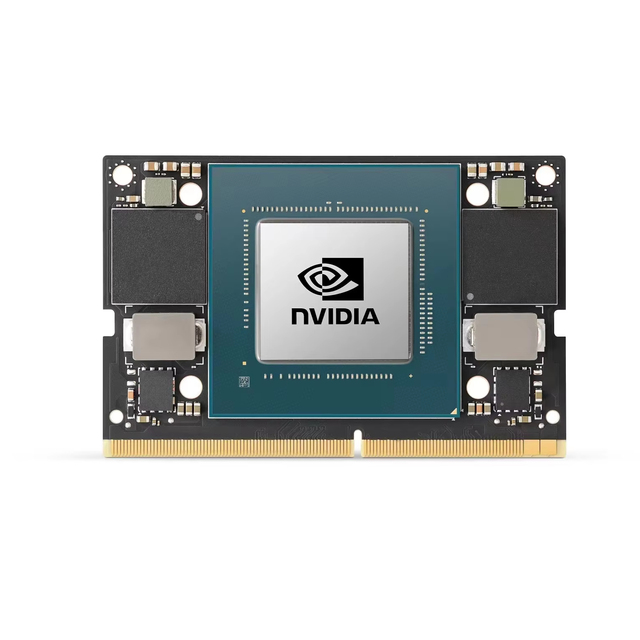
NVIDIA jetson Official partner leetop Official legitimate NVIDIA Jetson Orin NX 8GB module
 LEETOP TECH CO,.LTDverified🇨🇳CN6 yrs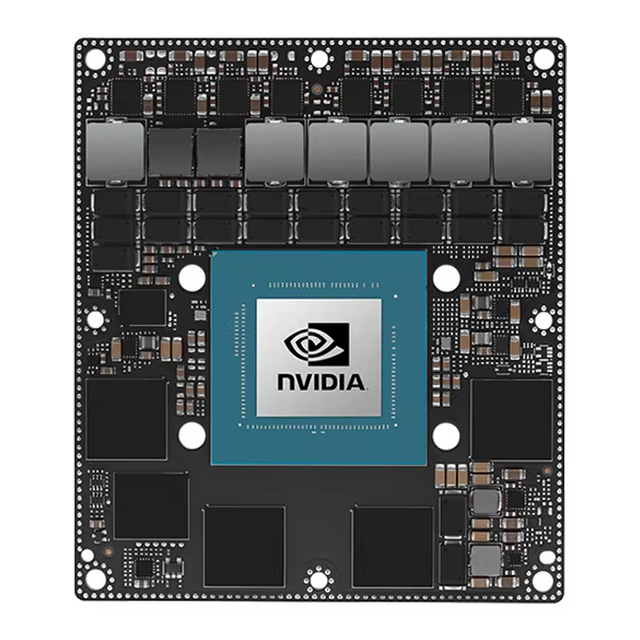
NVIDIA Jetson AGX Orin Industrial 900-13701-0080-000 Module AGX Orin 64G Module industriel 248 TOPS de performance AI
 GXT (HK) TRADE TECHNOLOGY CO., LIMITED🇭🇰HK1 yr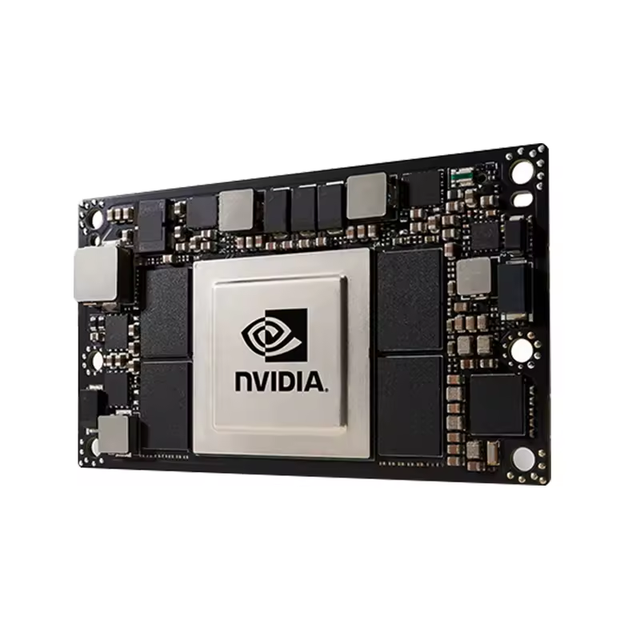
Jetson TX2 8GB Module system-on-module (SOM) Embedded AI Chip module for factory robots commercial drones 900-83310-0001-000
 Twowinit Information Technology (shenzhen) Co., Ltd.verified🇨🇳CN4 yrs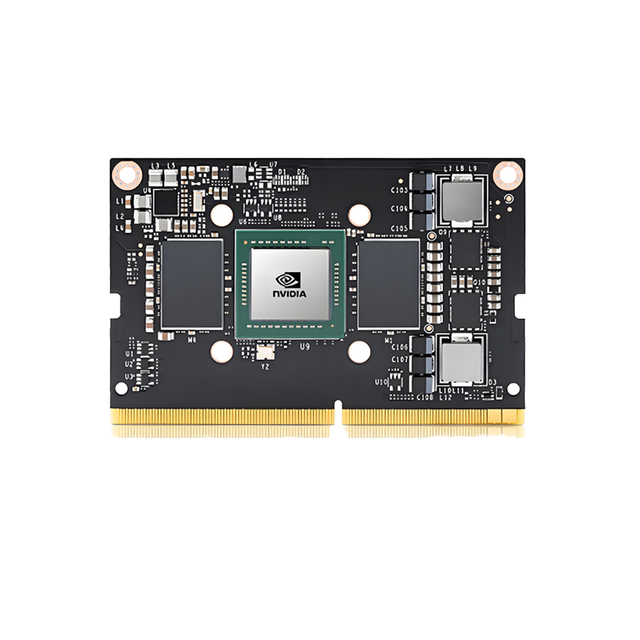
Nvidia Jetson TX2 NX 4GB Development Board 1.33 TFLOPS Industrial Embedded Kit for Edge Computing
 LCFC (Hefei) Electronics Technology Co., Ltd.🇨🇳CN2 yrs
Related Searches
Explore more sourcing topics & related categories
Sources & References
24 sources cited · Verified industry data & reports
Top Selling Graphics Cards 2025-2026: GPU Market Trends
www.accio.com
Timeframe: Data reflects market momentum for the 2025–2026 period, specifically focusing on the latest generation releases from NVIDIA (RTX 50 Series), AMD (RX 9000 Series), and Intel (Arc B-Series). Reference Products for NVIDIA GeForce RTX 50 Series: GIGABYTE GeForce RTX 5070 EAGLE OC SFF 12G New 5070 Gaming Desktop GPU Video Card Mxm DP Fan Cooler for Workstation Applications Rationale: It currently occupies the "sweet spot" of the market, offering 1440p/4K performance at a price point (~$730–$799) that undercuts NVIDIA's comparable 50-series cards while offering 16GB of VRAM PcmagNewegg.
Industrial GPU Market Size, Share & 2031 Growth Trends Report
www.mordorintelligence.com
The Industrial GPU Market worth USD 5.18 billion in 2026 is growing at a CAGR of 18.47% to reach USD 12.09 billion by 2031. NVIDIA Corporation, Advanced Micro Devices, Inc., Imagination Technologies Limited, Qualcomm Incorporated and Matrox Electronic Systems Ltd. are the major companies operating in this market. Advantech supported this model in January 2026 with MIC-78 Series expansion modules for the MIC-780 modular industrial computer, including a PCIe Gen 5 GPU module for edge AI inference and machine vision up to 250W. The company extended that push in March 2026 with mass production of the SKY-MXM series based on NVIDIA RTX PRO Blackwell Embedded GPUs for compact, real-time, AI-intensive industrial systems. NVIDIA reinforced this position in October 2025 with IGX Thor, which combined high AI compute with a safety-oriented architecture and a 10-year lifecycle commitment for industrial and medical edge deployments.[4]NVIDIA, “NVIDIA IGX Thor Robotics Processor Brings Real-Time Physical AI to the Industrial and Medical Edge,” NVIDIA Blog, blogs.nvidia.com It widened that lead in June 2026 through Halos for Robotics, which turned safety from a chip feature into a broader platform and workflow offering for industrial customers. Competition in the industrial GPU market also depends on which vendors can translate silicon roadmaps into deployable industrial form factors. Advantech showed an aggressive execution pace in 2026 through multiple launches across MIC-AI systems, SKY-MXM modules, IGX Thor platforms, and GPU expansion hardware for industrial edge computing. This is especially valuable in sites that want to raise compute density without changing the surrounding system architecture. Advantech's January 2026 MIC-78 GPU expansion module and its March 2026 SKY-MXM launch both showed continued investment in modular accelerator paths for industrial computing.
Graphics Card Price Trends 2025: What to Expect in 2026
www.accio.com
The GPU Market, valued at USD 78.1B in 2025, is projected to reach USD 989.79B by 2034, growing at a 32.6% CAGR. ... GPU price tracking 2026: Lowest price on every graphics ... GPU price tracking 2026: Lowest price on every graphics card from Nvidia, AMD, and Intel today — here are the best deals during the AI-driven ...Read more Why GPUs may not be the hottest AI trend for 2026. Nvidia's early move into the AI chip market has paid off big time for the company. High-End Gaming Graphics Card Market: Valued at $55.59 billion in 2024, this market is projected to reach $214.03 billion by 2034, demonstrating a CAGR of 22.3% during the forecast period 5. Dominant Players: NVIDIA and AMD collectively hold over 85% of the high-end gaming GPU market share 5. Non-reference Graphics Card Market: This segment is projected to reach USD xx billion by 2024, with a compound annual growth rate (CAGR) of xx% from 2025-2031 2. It is expected to grow annually by 6.4% from 2026 to 2033 2.
4 Nvidia Graphics Card Trends That Should Worry Every Consumer ...
www.bgr.com
While high-end GPUs are being swept from the market by AI data centers, Nvidia is also exploring the possibility of bringing back old models to fill the gaming demand gap. According to rumors, the return of RTX 3060 is very likely to happen in 2026 (via VideoCardz), since this model is a cost-effective graphics card that runs most modern games at 60 frames per second on High or Ultra settings. Beyond the memory shortage that many manufacturers are facing, some market data also helps explain why Nvidia is considering bringing this GPU back. Despite being more than five years old, RTX 3060 remains the most popular graphics card in desktops according to Steam data. Even if buying an old GPU in 2026 feels counterintuitive, its performance is still good enough when gamers have fewer GPU options for their desktop. As the reality of 2026 settles in, an analysis of Nvidia graphics card trends gives users, especially PC gaming enthusiasts, plenty of reasons to worry. Building a desktop with a focus on offering the best gaming experience was never easy, as you need to consider multiple components when shopping for hardware. By Eduardo Ariedo Jan. 14, 2026 12:17 pm EST
NVIDIA Facts and Statistics (2026) - Investing.com
www.investing.com
NVIDIA offers an extensive range of products and services that cater to diverse market needs, positioning it as a leader across multiple sectors, including gaming, artificial intelligence, data centers, and automotive technology. NVIDIA’s flagship products, particularly its GeForce graphics cards, are designed to deliver best-in-show gaming experiences. AMD (Advanced Micro Devices): AMD is a formidable competitor in the GPU market, challenging NVIDIA’s dominance with its Radeon graphics cards. Although NVIDIA maintains a larger market share, AMD competes aggressively, especially in terms of performance and price. Intel Corporation: As Intel ventures deeper into discrete GPU development, it presents growing competition to NVIDIA. Known for its dominance in CPUs, Intel is expanding its portfolio with products like the Intel Arc series, aiming to capture a slice of NVIDIA’s market. Understanding NVIDIA’s market share is crucial for investors as it reflects the company’s competitive position and potential for growth in the high-demand graphics and AI sectors. This section provides a snapshot of NVIDIA’s market share in comparison to its main competitors, AMD and Intel, over the years. By analyzing these trends, investors can gauge NVIDIA’s market strength, strategic advancements, and its capacity to maintain leadership in a rapidly evolving industry. It started to deliver outstanding results quarter after quarter, inspiring investors to expect uninterrupted growth, especially in the video gaming and data center markets. And NVIDIA has lived up to investors’ high expectations. Over the years, the company has evolved from a graphics card producer into a multifaceted technology powerhouse, pushing the boundaries of artificial intelligence, machine learning, and parallel computing.
Graphics Card Market Size, Share & Industry Analysis - 2034
www.fortunebusinessinsights.com
Access 74+ Detailed Reports Featuring Market Insights, Trends, Forecasts, & Competitive Analysis Across Sectors: The global graphics card market size is projected to grow from $27.64 billion in 2026 to $97.4 billion by 2034, at a CAGR of 17.05% during the forecast period At what CAGR is the market projected to grow during the forecast period of 2026-2034? The market is projected to record a CAGR of 17.05% during the forecast period. ... By type, the discrete segment led the market in 2024. Which is the key factor driving the market’s growth? Rising competitive gaming cryptocurrency mining and AI to aid market growth. ... Nvidia Corporation, Advanced Micro Devices, Inc., ASUSTeK Computer Inc., Micro-Star INT'L CO., LTD., GIGA-BYTE TECHNOLOGY CO., LTD., EVGA Corporation, SAPPHIRE Technology Limited, ZOTAC Technology Limited, PNY Technologies, and Intel Corporation are the top players in the market. The global graphics card market size was valued at USD 23.57 billion in 2025 and is projected to grow from USD 27.64 billion in 2026 to USD 97.4 billion by 2034, exhibiting a CAGR of 17.0% during the forecast period. Asia Pacific dominated the graphics card market with a market share of 48.22% in 2025. In terms of share, the servers/data center segment dominated the market in 2026, driven by the growing demand for high-performance calculations and data processing in cloud and corporate applications. Professional visualization and maintenance of industries such as engineering, design, and scientific research are a few of its crucial applications that contribute to the segment's overall growth.