Original Sim Card

Overview
Product sourcing insights & recommendations
The term "original SIM card" refers primarily to the 1FF (Full-size) format—a credit-card-sized module introduced in 1991—but in modern trade, it increasingly distinguishes pre-provisioned carrier cards from blank programmable chips used in IoT T-MobileFlolive. The market is currently shifting from physical plastic cards toward eSIM and iSIM (Integrated SIM) technologies to meet the demands of global connectivity and device miniaturization ZipitwirelessOnomondo.
Market Trends & Insights (2025–2026)
* Technological Shift: While physical SIMs still hold a 62% market share, the fastest growth is seen in iSIM technology, which is integrated directly into a device's processor to save space and power ZipitwirelessFlolive.
* IoT & M2M Dominance: Enterprise demand is focused on Industrial-grade M2M SIMs that can withstand extreme temperatures and vibrations, far outlasting consumer-grade cards Zipitwireless.
* Programmability: There is high B2B demand for "Blank" eUICC-enabled cards that support Multi-IMSI Zipitwireless. This allows a single device to store multiple network identities and switch operators automatically based on signal strength or cost, enabling a "Single SKU" global manufacturing strategy Zipitwireless.
* Security Context: "Original" cards are often discussed in the context of SIM Cloning and SIM Swapping Futurae. Modern 5G SIMs use advanced encryption (AES/MILENAGE) to make cloning significantly harder than on older cards Zipitwireless.
Product Analysis
Current B2B sourcing data shows a clear divide between low-cost blank chips and value-added pre-paid roaming cards:
* Blank Programmable SIMs: Prices range from $0.09 to $0.65 for high-volume orders, often supporting 5G and multiple IMSIs AlibabaAlibaba.
* Pre-provisioned/Roaming SIMs: Finished cards for international travel or PoC radios are priced between $10 and $25, typically including a set data allowance (e.g., 20GB for 180 days) and plug-and-play capability AlibabaAlibaba.
The attached files provide detailed supplier comparisons and pricing for blank programmable cards, carrier pre-provisioned Nano SIMs, and industrial M2M hardware.
Based on these trends, you may want to explore:
Blank Programmable Sim Card Euicc Multi Imsi
Products · 3 lists
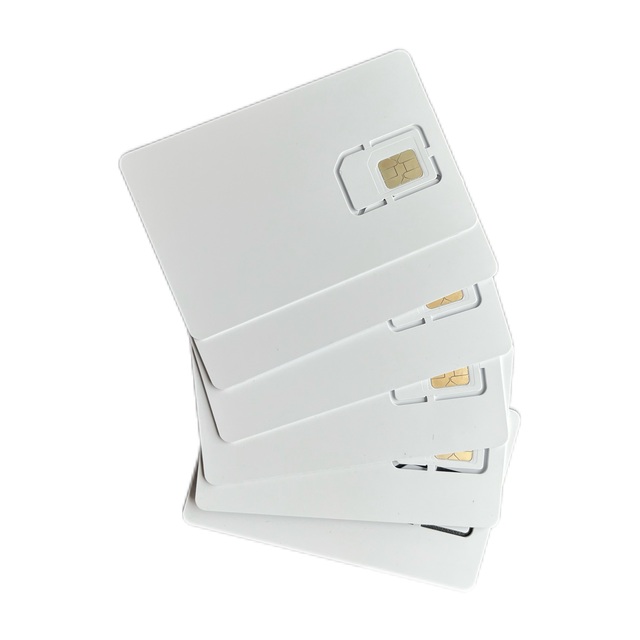
Keydom Blank Nano 5G Waterproof SIM Card with 13.56 MHz Frequency and Customized Chip
 Sichuan Keydom Smart Technology Co., Ltd.verified🇨🇳CN2 yrs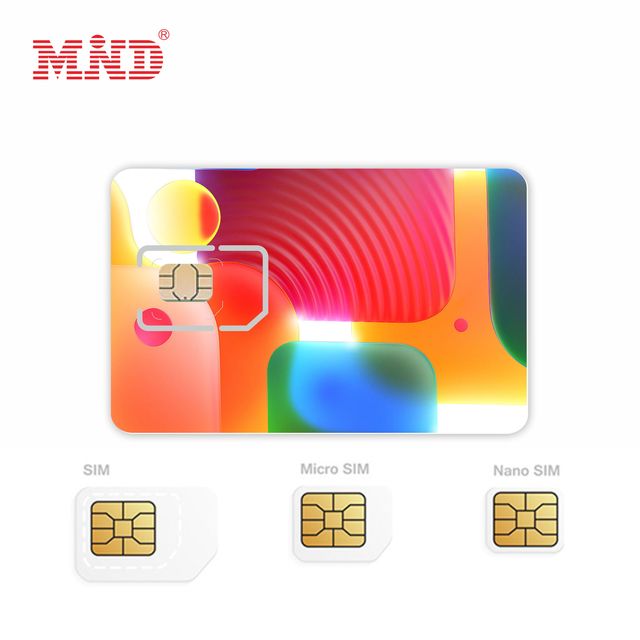
Smart International Worldwide Global Roaming Blank FDD 2FF/3FF/4FF M2M SIM IC Card
 Chengdu Mind Golden Card System Co., Ltd.verified🇨🇳CN7 yrs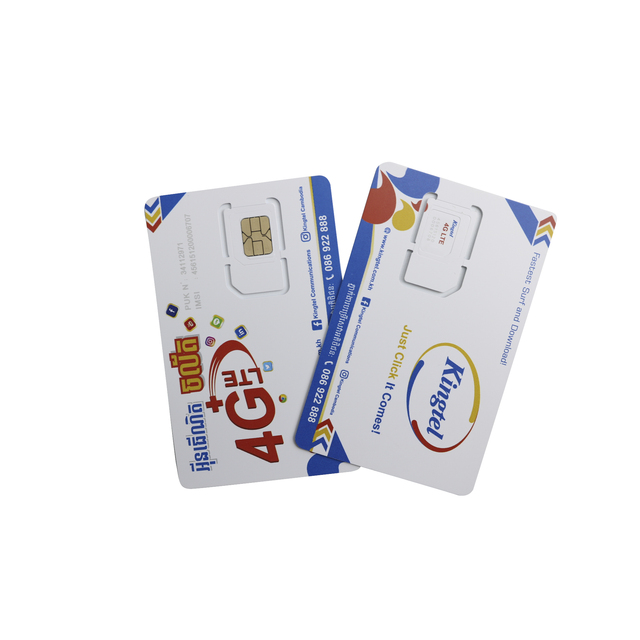
4G Programmable ABS SIM Card for Mobile Phone SIM Cards
 Shanghai China Cards Smart Card Co., Ltd.verified🇨🇳CN7 yrs
Related Searches
Explore more sourcing topics & related categories
Sources & References
19 sources cited · Verified industry data & reports
What Is Subscriber Identity Module (SIM)? Ultimate Guide [2026] ...
flolive.net
A Subscriber Identity Module, or SIM card, is a chip inserted or integrated into a mobile device. The SIM stores unique user information required for authenticating and identifying subscribers on cellular networks. Advancements in SIM card technology support additional functionality, such as the ability to perform remote SIM provisioning and support multiple mobile profiles in one SIM. Editor’s note: Updated the article to cover recent SIM market trends as of 2026. This is part of an extensive series of guides about access management. The full-size SIM, also known as the 1FF (first form factor), was the original SIM card design introduced in the early 1990s. With the ability to store up to 10 IMSIs on a single SIM card and seamlessly switch between them based on coverage, cost, or regulatory constraints, enterprises gain unprecedented flexibility and global reach without the burden of managing multiple localized SIM inventories. What truly sets floLIVE apart is its fully integrated backend system, which supports real-time monitoring, OTA updates, and granular SIM-based steering capabilities. This means enterprises can automate SIM configuration changes, optimize power consumption, and enforce network selection policies—all from a centralized interface or API. Setting up automated alerts or usage caps can prevent excessive charges, especially on prepaid or limited-data plans. For enterprises managing multiple devices, advanced analytics tools can identify usage trends and optimize data plans accordingly. For example, organizations can detect which SIMs consume excessive data and adjust their plans to avoid unnecessary expenses.
What is a Sim Card and How Does it Work? | T-Mobile
www.t-mobile.com
These days, SIM cards do so much more than that. These small, transferable cards are inserted into mobile devices and are still used to both identify and authenticate the device to a cellular network, just like the original SIM cards. However, they also store a wealth of data, like contacts, text messages, and a lot of other information that makes swapping devices a cinch. Today, SIM cards are tiny, but that wasn’t always the case. Here are the different types of SIM cards and the devices you’re most likely to find them in. Full-size SIM: The original SIM card was the size of a credit card and was used in the earliest mobile phones. These SIM cards are no longer available. Mini-SIM: These were much smaller than the original SIM cards, measuring measures 25 x 5 mm with a thickness of 0.76 mm. Nano-SIM: In 2012, an even smaller SIM card was introduced for modern smartphones and other mobile devices. The nano-SIM measures at just 12.3 x 8.8 mm, or about the size of a pinkie nail. The iPhone 5 was the first phone to use a nano-SIM, but since then, they’ve been standard for most mobile devices. The capacity of the original SIM card was just 32 KB, enough to store about five text messages and 20 contacts.
Standard SIM: Origin, usage & significance explained
www.a1.digital
The standard SIM card is the original SIM card format and measures 85.6 x 53.98 millimeters, as the size of a credit card. The standard SIM or full size SIM was the first SIM card available on the market and is regarded as the foundation of mobile communication. It enabled access to mobile networks for the first time and made mobile phones suitable for everyday use. Although it is rarely used today, it remained indispensable for many years. The standard SIM is the first version of SIM cards and is also referred to as a full-size SIM card and known as form factor 1FF (“1st Form Factor”). With its dimensions of 85.6 × 53.98 millimeters, it is the size of a credit card. The card offered basic functions, enabling registration on the mobile network and storing data such as contacts and network information. Although its size may seem impractical today, it was considered a technological advancement at the time. It marked the beginning of a development that led to increasingly smaller and more flexible SIM card formats.
What Is a SIM Card and How Does It Work? | Built In
builtin.com
Instead of paying high international rates through a home-country phone provider or getting a completely new phone, a traveler can purchase another SIM card from a carrier that operates within the destination area for a low price. All of the data and applications on the physical device would still be accessible, and once the user returns from the trip, the original SIM card can be switched back. Some argue it’s time to move on from SIM cards — that as an out-of-date technology, they may actually be hindering progress and inflating phone bills, especially during travel. If you choose to keep your original SIM card while going abroad, international roaming and data charges can be tracked and quickly add up, making for an inflated phone bill upon return. The full-size, standard or 1FF SIM card is the original and largest of the card types. Along with making data transfer much easier between devices, SIM cards are also an important personal identifier for a phone, its phone service and related user activity, acting as an ID badge for the service user and attached device.
What is a SIM (Subscriber Identity Module) Card?
www.trentonsystems.com
There are five main types of SIM cards: Full, or Standard, SIM, Mini SIM, Micro SIM, Nano SIM, and Embedded SIM (eSIM). Each physical SIM card increases in form factor (FF). ... Released in 1991, this is the original SIM card, and it is also the largest type of SIM card. For example, say a mobile device dies, but the user needs to receive an important message, they can simply take the SIM card and place it into another device to receive the message. If users keep their original SIM card in their mobile devices when traveling aboard, this may lead to roaming and data charges. SIM swapping usually starts with a hacker contacting a mobile carrier and impersonating a user. The hacker will claim that he or she has a new SIM card to activate for the user's account because the original SIM card was lost, stolen, or destroyed. 4G SIM cards are forwards compatible, meaning they will work on a 5G device, but they will not allow users to access a 5G network.

Analyzing North America SIM Card Tray Market Dynamics ...
- Features: The original SIM card size, measuring 25mm x 15mm, it is the largest among the three. - Importance: Paved the way for mobile ...